Introduction
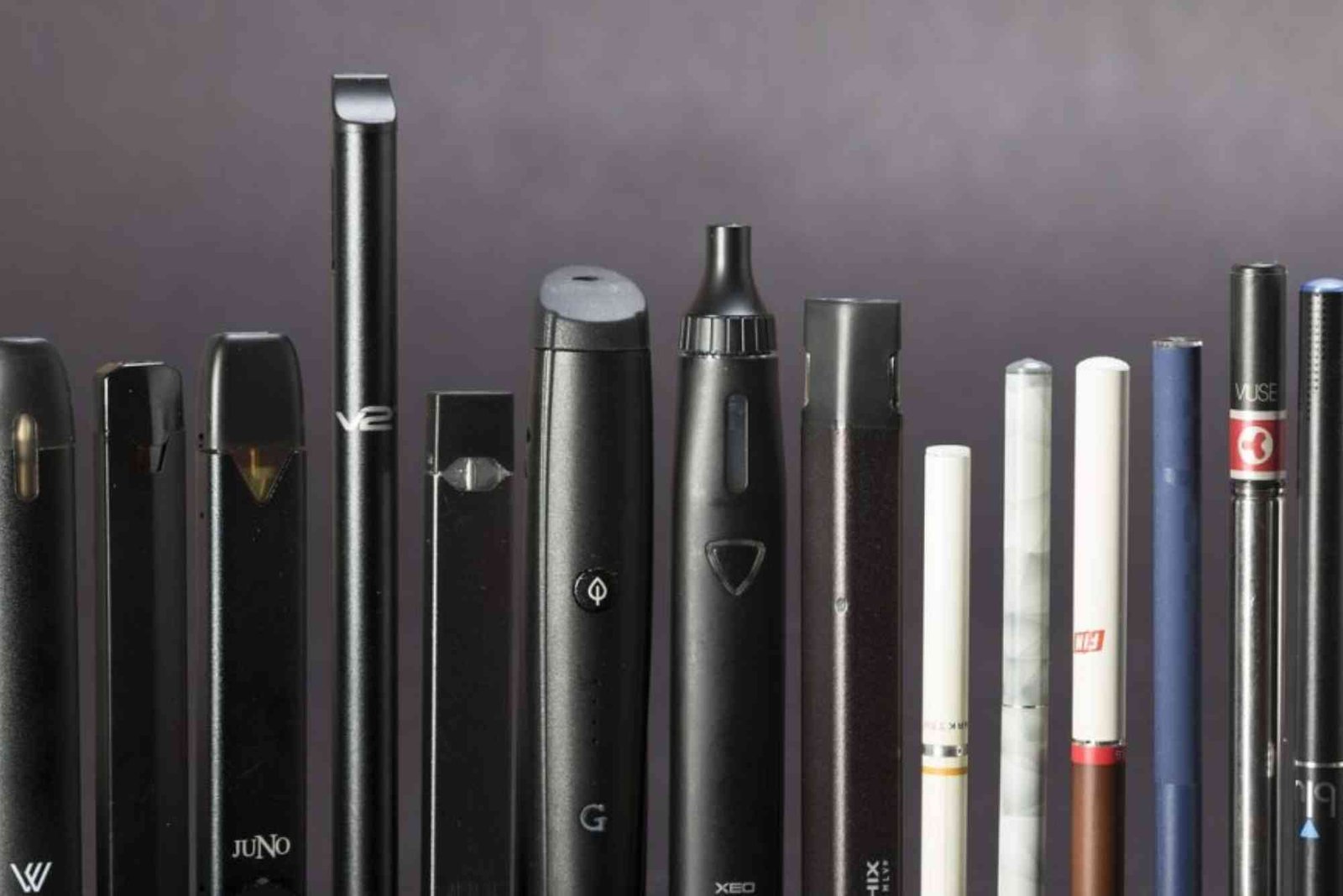
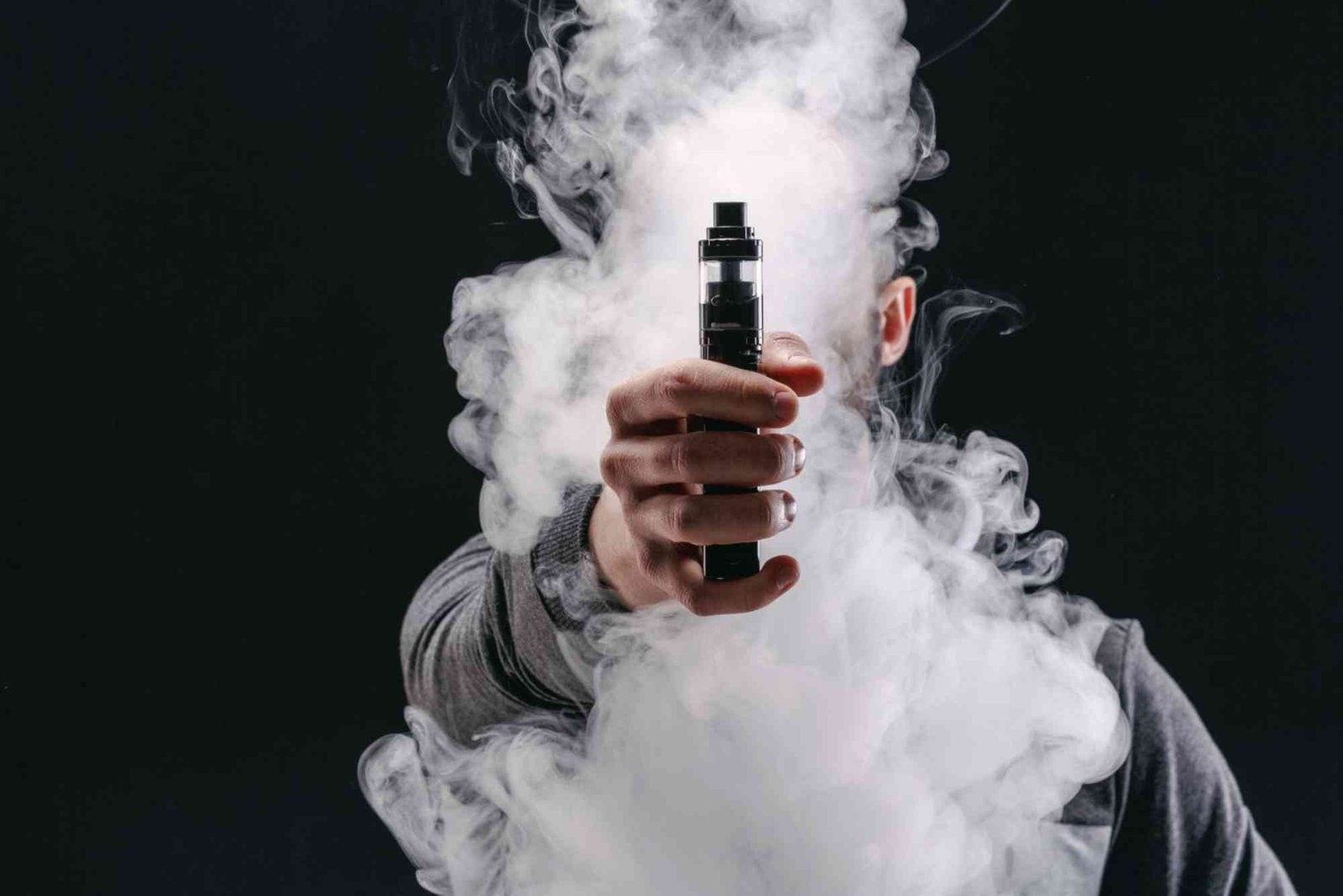
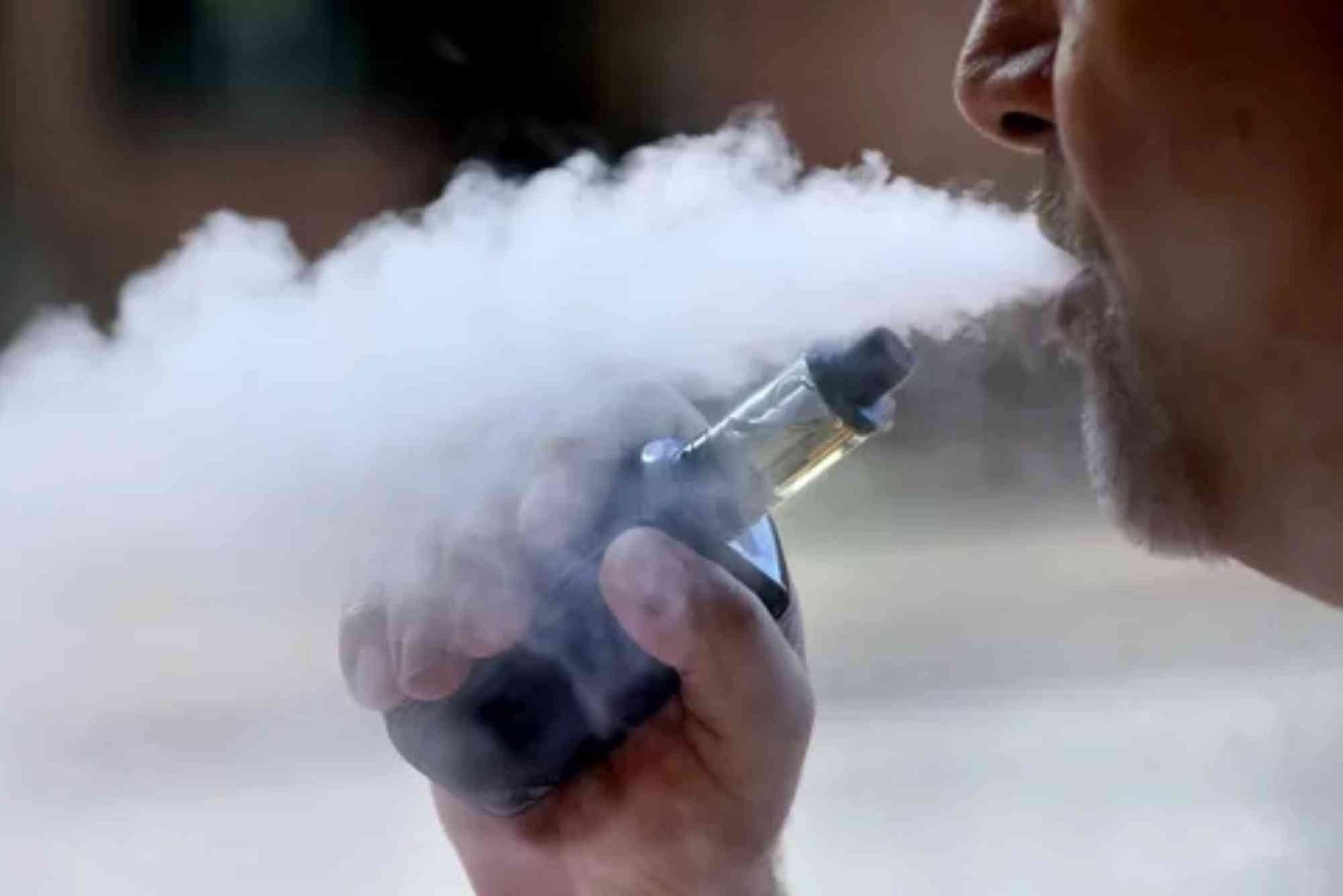
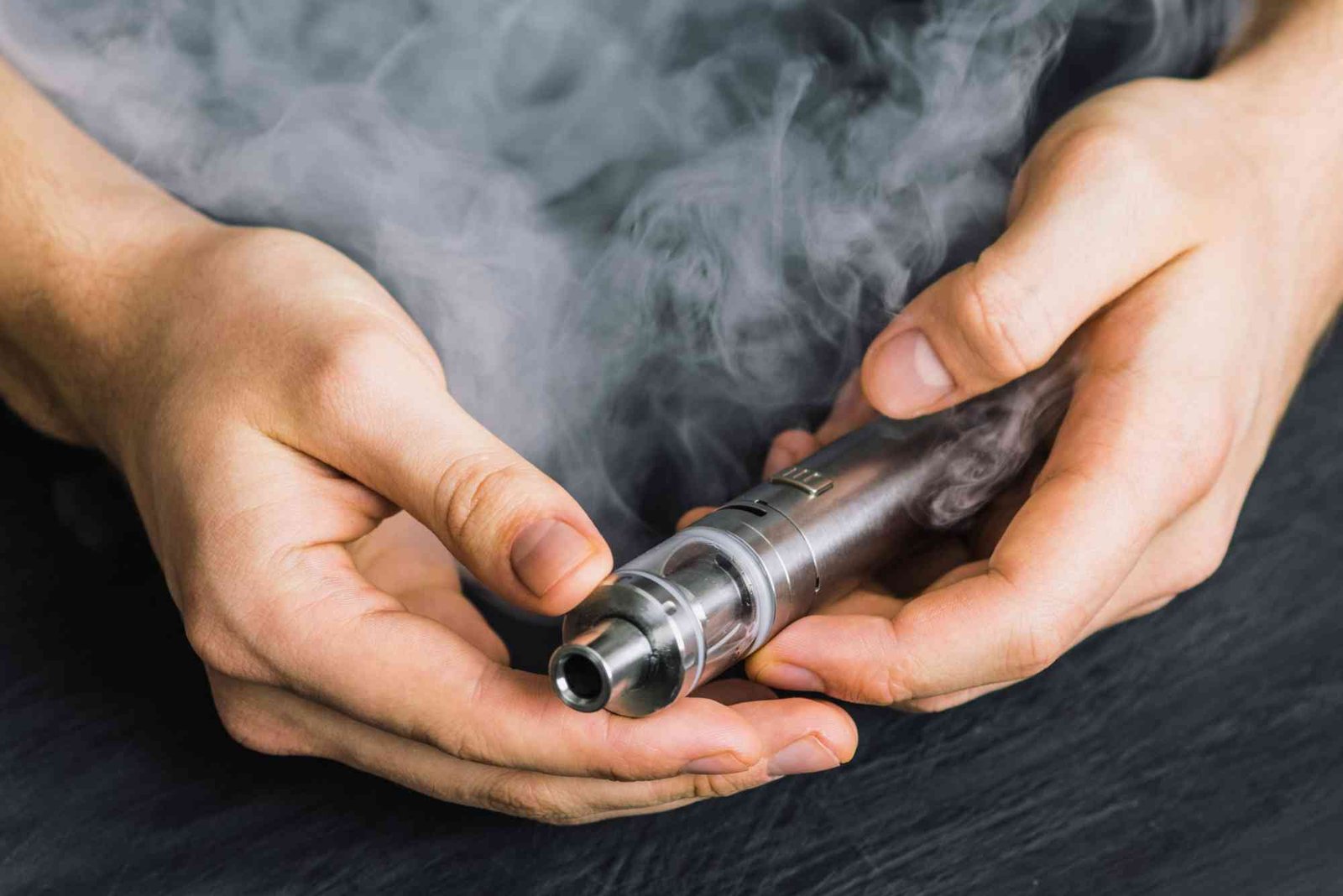
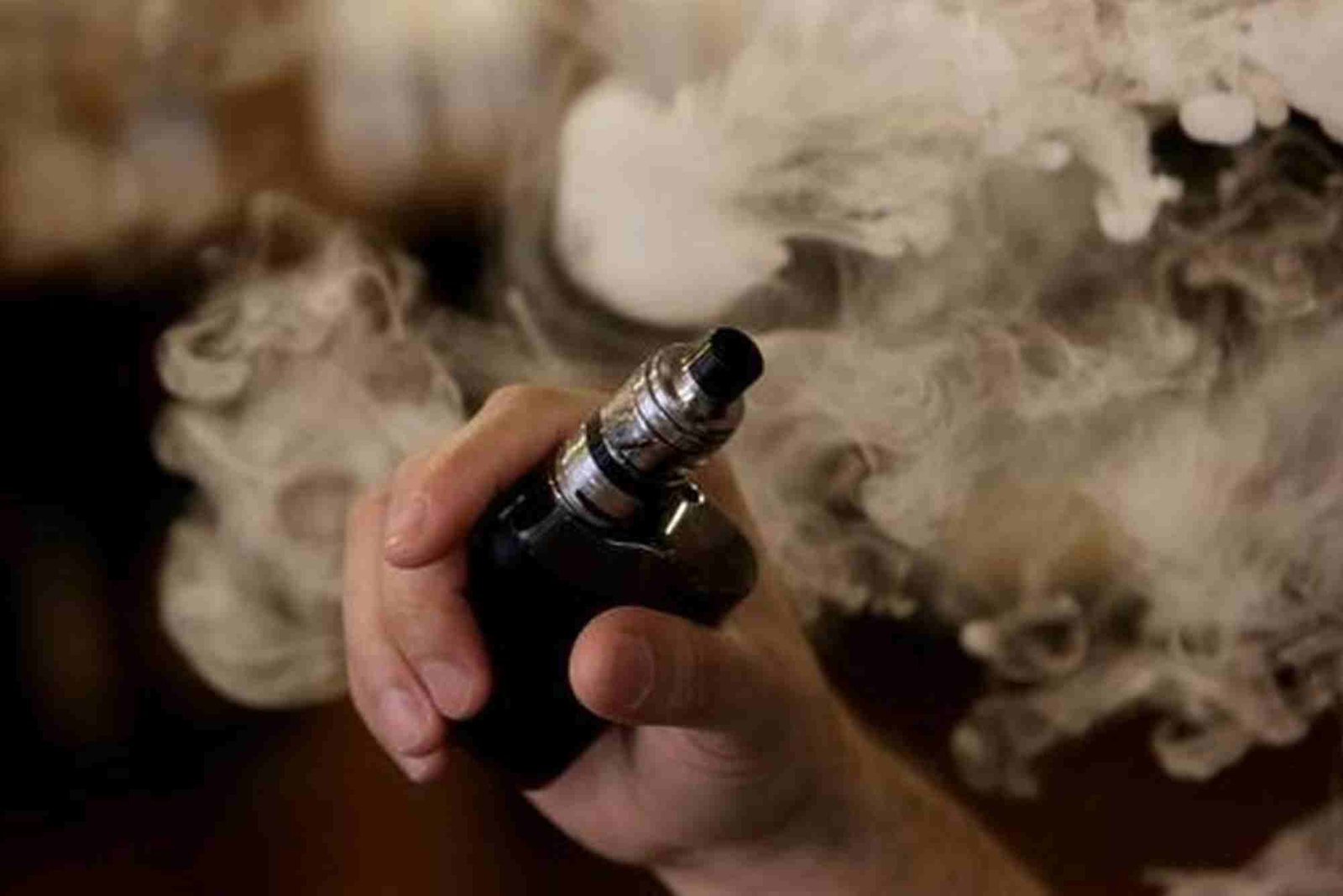
Vaping involves inhaling vapor produced by e-cigarettes or similar devices. While marketed as a less harmful substitute for tobacco smoking, Indian authorities have classified it as a public health threat. The Government of India — e-cigarette prohibition notification officially banned the sale, manufacture, import, and advertising of e-cigarettes. The ban reflects concerns over youth exposure, potential health risks, and the fear of nicotine addiction spreading in the population.
Despite the ban, vaping has supporters who argue that it plays a significant role in harm reduction. Harm reduction refers to strategies designed to minimize the negative health impacts of risky behaviors without requiring complete abstinence. Advocates argue that switching from combustible tobacco to e-cigarettes could save lives. But in India, this perspective faces legal and cultural barriers.
Why Vaping Is Banned in India
Health Risks and Unregulated Products
One of the main reasons for banning vaping is the perceived health risk. While e-cigarettes contain fewer harmful chemicals than traditional cigarettes, they are not risk-free. Studies suggest that vaping can affect lung health, cardiovascular function, and may trigger nicotine dependence. Indian regulators also cited concerns about the lack of standardized quality control for e-cigarette products, making the market unpredictable and potentially dangerous.
Youth Protection
Youth vaping has become a global concern. Reports of teenagers experimenting with flavored e-cigarettes have alarmed Indian authorities. The government feared that the accessibility of vaping products could normalize nicotine use among young people, creating a new generation addicted to nicotine. By banning vaping, policymakers aimed to prevent a surge in youth consumption and protect public health.
Cultural and Social Factors
India has a strong anti-smoking culture influenced by public health campaigns and the government’s focus on reducing tobacco-related diseases. Introducing e-cigarettes as an alternative was seen as contradictory to these efforts. Authorities argued that vaping could undermine anti-smoking campaigns and normalize smoking behaviors, even in modified forms.
Vaping and Harm Reduction Debate
What Is Harm Reduction?
Harm reduction emphasizes reducing negative outcomes rather than eliminating risky behavior entirely. In tobacco control, harm reduction includes nicotine replacement therapy, e-cigarettes, and other alternatives to traditional cigarettes. Countries like the UK and New Zealand have integrated e-cigarettes into their harm reduction strategies, allowing smokers to switch to less harmful products under controlled regulations.
Arguments Supporting Vaping as Harm Reduction
Proponents argue that vaping can be an effective harm reduction tool. Unlike combustible tobacco, e-cigarettes do not produce tar or many toxic by-products of smoke. Switching to vaping could reduce the risk of lung cancer, heart disease, and chronic respiratory conditions. Harm reduction advocates point out that the ban in India limits smokers’ access to potentially safer alternatives, forcing them to continue using more harmful traditional cigarettes.
Counterarguments in the Indian Context
Opponents of vaping as a harm reduction strategy in India stress the potential public health risks. They highlight uncertainties about long-term effects, the possibility of nicotine addiction among non-smokers, and the challenge of regulating a vast and diverse market. With limited infrastructure to monitor product safety, India’s cautious approach prioritizes population-level health over individual risk reduction.
Global Perspectives on Vaping Policy
While India maintains a strict prohibition, other nations have adopted different strategies. The UK encourages vaping as a cessation aid, with NHS guidance supporting smokers who switch to e-cigarettes. New Zealand has legalized vaping and incorporated it into harm reduction campaigns. These examples highlight the tension between public health caution and individual harm reduction.
India’s approach contrasts sharply with these models. While harm reduction focuses on providing safer alternatives, India emphasizes prevention, restricting access before potential public health issues arise. This reflects a broader policy philosophy prioritizing strict control over tobacco-related risks, even at the expense of individual harm reduction strategies.
Potential Consequences of the Ban
Black Market and Unregulated Products
One unintended consequence of the ban is the growth of black market vaping products. Unregulated imports and local manufacturing may increase the risks the ban intended to prevent. Users seeking e-cigarettes may encounter low-quality, unsafe devices, potentially causing more harm than regulated alternatives.
Public Health Implications
For smokers unable or unwilling to quit, the ban may reduce access to less harmful nicotine delivery systems. This could slow progress in reducing smoking-related diseases. On the other hand, the ban may prevent youth initiation and protect non-smokers, aligning with India’s public health priorities.
Debate on Evidence-Based Policy
The vaping ban in India underscores the complexity of policymaking in public health. Balancing harm reduction against precautionary principles requires careful consideration of evidence, social context, and regulatory capacity. While global data suggests vaping can reduce harm for adult smokers, India’s policy prioritizes prevention and caution.
The illegality of vaping in India is more than a regulatory decision; it is a reflection of cultural, health, and policy priorities. While harm reduction advocates highlight vaping as a safer alternative to smoking, India has opted for a precautionary approach focused on youth protection and public safety. Understanding this debate is essential for policymakers, health professionals, and smokers seeking alternatives.
For those interested in the regulatory framework, reviewing the Government of India — e-cigarette prohibition notification provides official guidance. Staying informed and considering harm reduction options responsibly is crucial for navigating this evolving public health landscape.
FAQs
Is vaping completely illegal in India?
Yes, the manufacture, sale, import, and advertisement of e-cigarettes are banned under Indian law.
Can e-cigarettes help smokers quit in India?
While global studies show potential, legal restrictions prevent regulated access, limiting harm reduction options.
Why did the government ban vaping?
The ban addresses health risks, youth protection, and unregulated products that could pose public health threats.
Are there safer alternatives to vaping in India?
Nicotine replacement therapies like patches or gum are legal and supported for smoking cessation.
Where can I read the official ban notification?
The Government of India — e-cigarette prohibition notification provides detailed regulatory information.