Introduction
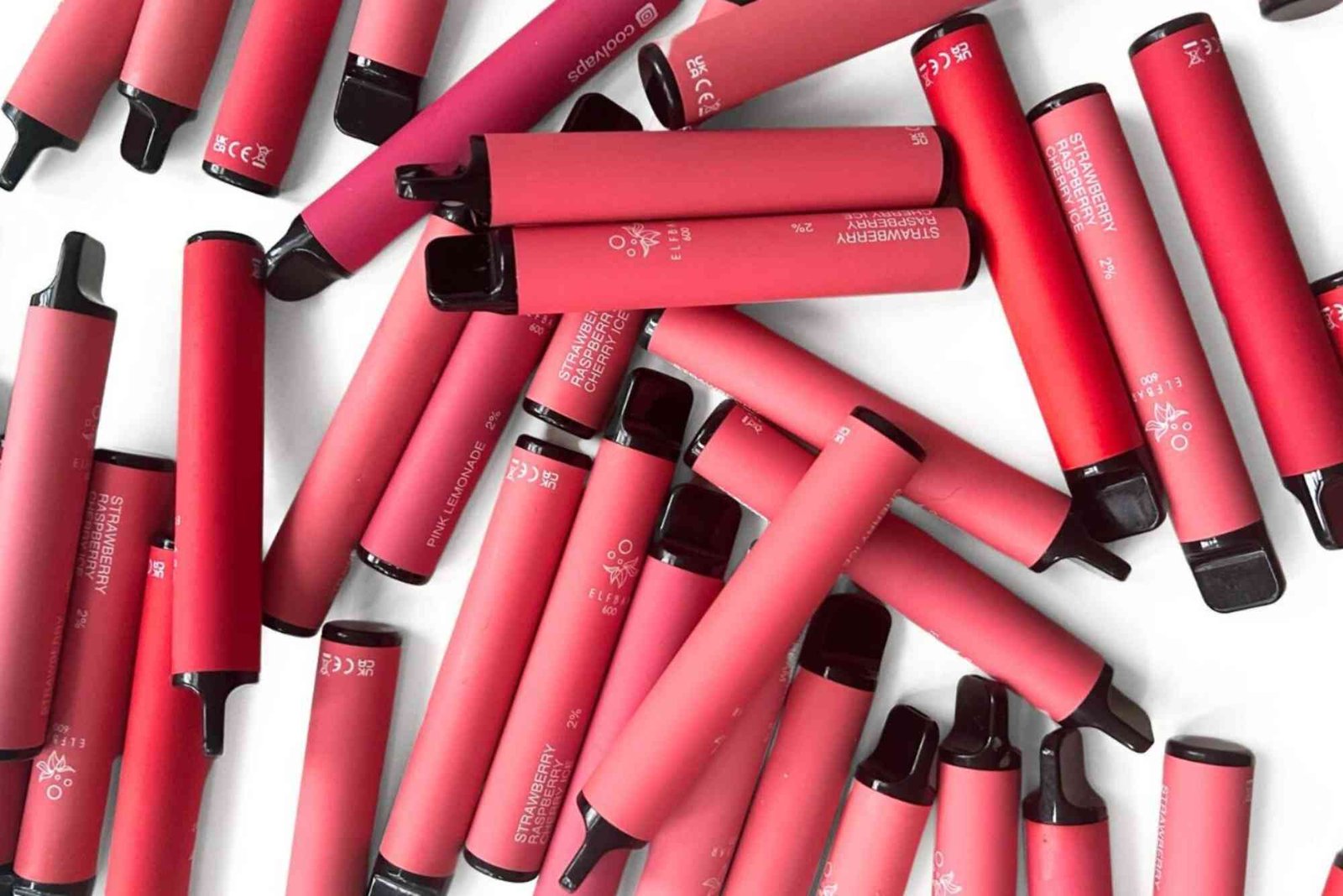
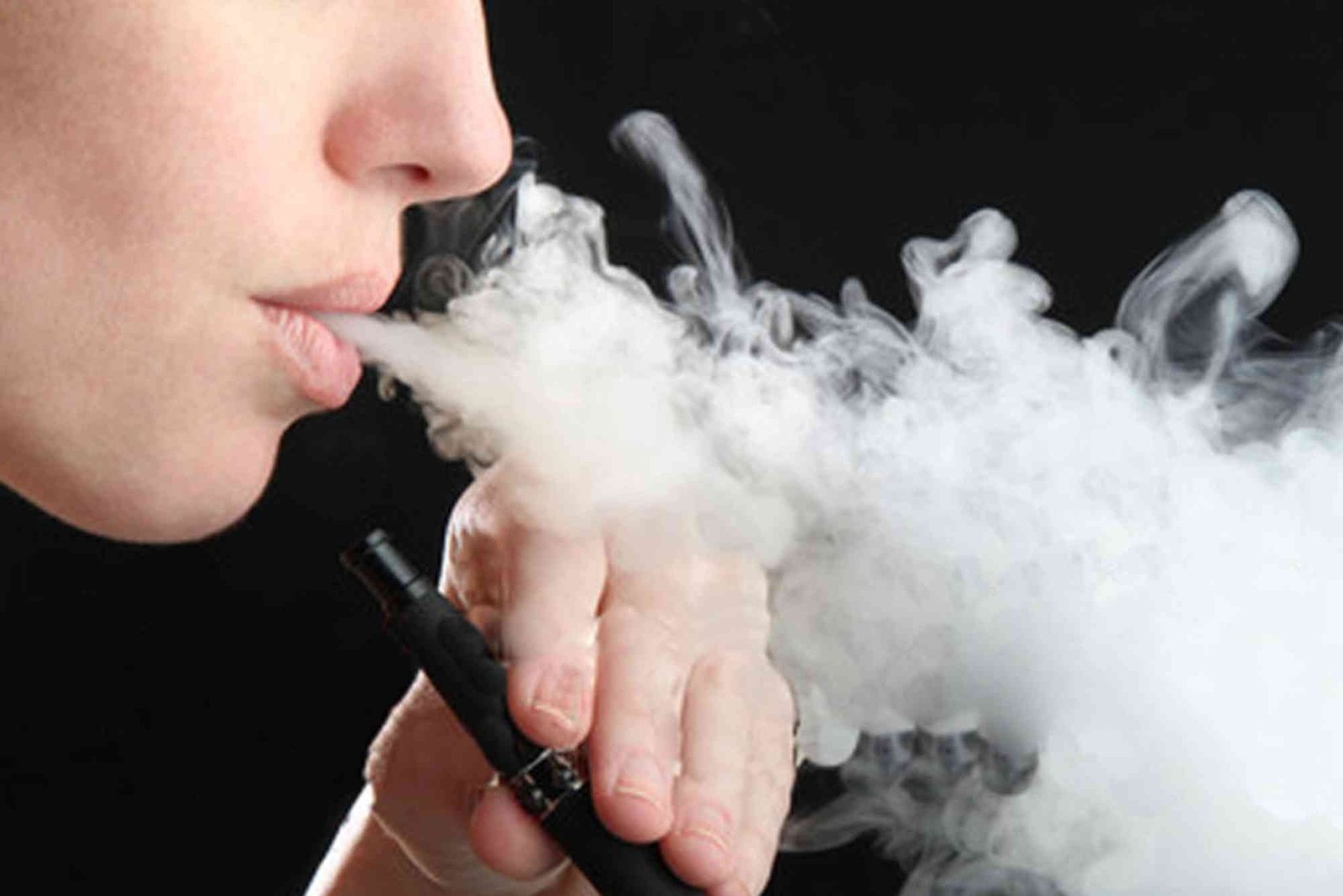
The question “Why is vape illegal in Pakistan?” matters far beyond a simple legal concern. It connects directly to public health, harm reduction, nicotine policy, and the future of smoking-related disease in the country. As vaping regulations continue to evolve worldwide, Pakistan’s strict stance has become a focal point in discussions about science-based policymaking. .
Why Is Vape Illegal in Pakistan? Understanding the Core Issue
The focus keyword “why is vape illegal in Pakistan” reflects a growing concern among adults who want to quit smoking but are uncertain about their options. Pakistan introduced tough restrictions on e-cigarette imports, sales, and advertising due to youth protection concerns, unclear evidence interpretation, and pressure on regulators to prioritize precautionary approaches.
Although the intention is to protect public health, many experts argue that strict bans could slow progress in reducing smoking-related deaths. This is why the topic plays such an important role in the harm reduction debate.
The Legal Landscape: Why Is Vape Illegal in Pakistan Today?
Pakistan currently treats vaping products as restricted or prohibited in many regions, especially regarding import and commercial distribution. While complete enforcement varies by province, federal authorities have consistently pushed toward tighter control.
Youth Protection Concerns
Lawmakers often argue that banning vaping prevents young people from accessing nicotine. Marketing worries and flavored vape products are frequently cited as reasons behind restrictive laws.
Limited Local Evidence
A major factor in why vape is illegal in Pakistan is the lack of large-scale domestic research. Without country-specific studies, regulators tend to rely on global debates, many of which remain polarized.
Regulatory Caution
The Pakistan Ministry of National Health Services takes a preventive approach. Their evolving stance on nicotine, tobacco substitutes, and new smoking alternatives influences current policies. For detailed policy insights, visit the Pakistan Ministry of National Health Services — nicotine policy.
Why the Ban Matters: Harm Reduction in Pakistan’s Public Health Strategy
Understanding why vape is illegal in Pakistan requires looking at the nation’s burden of smoking-related disease. Pakistan has one of the highest smoking rates in South Asia, with millions of adults dependent on combustible cigarettes. This places extraordinary pressure on public hospitals and contributes to chronic illnesses.
Combustible Cigarettes Cause the Most Harm
Most harm from smoking comes not from nicotine itself but from the toxins released when tobacco burns. This makes cessation or switching crucial for reducing disease risk.
Vaping as a Potential Lower-Risk Alternative
Research from several countries suggests that regulated vaping products typically contain fewer toxicants than cigarette smoke. While not harmless, they may pose a lower risk, especially for long-term smokers unable to quit.
The ban affects how easily smokers can access alternatives. This is why many consider the question why is vape illegal in Pakistan essential to the harm reduction conversation.
Public Perception: Why Is Vape Illegal in Pakistan According to Adults and Smokers?
Many smokers in Pakistan express confusion about the reasons behind the ban. Some believe it is due to moral concerns, while others think policymakers misunderstand the technology.
Common Beliefs Among the Public
Many residents think vaping is more harmful than smoking. This perception is shaped by alarming headlines rather than balanced scientific explanations. Others assume that vaping always leads to addiction among youth, though evidence varies by country.
Impact of Misinformation
Misinformation is a major obstacle. Without clear educational campaigns, adults cannot distinguish between verified risks and exaggerated claims. This adds to the confusion around why vape is illegal in Pakistan and whether the decision truly aligns with harm reduction goals.
Economic and Social Implications of the Vape Ban
The legal restrictions do not only affect health. They also influence local business, taxation, and consumer behavior.
Rise of the Black Market
When products become illegal but demand remains high, unregulated black markets emerge. These products lack quality control and may increase health risks due to contamination or counterfeit ingredients.
Loss of Potential Revenue
Many countries tax vaping products as part of their tobacco control framework. Pakistan potentially loses revenue that could fund cessation programs.
Barriers to Quitting
Ex-smokers who relied on vaping to stay off cigarettes now face difficulties accessing safer alternatives. This may lead to relapse.
Health Concerns and Scientific Uncertainty
A major reason why vape is illegal in Pakistan is regulatory concern about health risks. While vaping is considered less harmful than smoking by health authorities in some countries, the long-term effects are not fully understood.
Lack of Long-Term Data
Vaping has not existed long enough for 40-year studies, so regulators use caution.
Fear of Unknown Chemicals
Many policymakers worry that heating e-liquids may generate harmful substances. While research indicates levels are usually much lower than cigarette smoke, caution remains high.
Global Debates Influence Local Policy
Since scientific opinions differ internationally, Pakistan often follows conservative interpretations.
Comparing Pakistan’s Approach to Other Countries
Understanding why vape is illegal in Pakistan becomes clearer when comparing global strategies.
Countries That Ban Vaping
India, Thailand, and Singapore have implemented partial or full bans due to youth concerns and regulatory uncertainty.
Countries That Regulate Instead of Ban
The UK, New Zealand, and parts of the EU regulate vaping rather than prohibit it. They promote vaping for smokers as a harm reduction tool.
What Pakistan Can Learn
Countries that regulate, not ban, often see declines in adult smoking. This evidence could help inform future policy reviews in Pakistan.
The Role of Education in the Future of Harm Reduction
Public health education shapes how people interpret risk. If Pakistan wants to reduce smoking-related disease, education must focus on factual information rather than fear-based messaging.
Educating Adults, Not Just Youth
Much of the communication focuses on preventing youth access. But adults, especially smokers, also need clear guidance.
Encouraging Evidence-Based Thinking
Rather than asking only “Why is vape illegal in Pakistan?”, policymakers could ask:
Is the ban delivering better public health outcomes than regulation?
What the Future May Look Like If Policies Change
If Pakistan shifts from prohibition to regulation, the public health landscape could change significantly.
Possible Benefits of Regulation
Regulated vaping markets could:
Support smokers trying to quit
Reduce black market activity
Ensure product safety standards
Generate tax revenue for health programs
Ensuring Youth Protection
Regulation can coexist with strict age limits, advertising controls, and packaging rules.
Why the Debate Matters for Pakistan’s Future
Understanding why vape is illegal in Pakistan is essential for anyone concerned with public health, smoking cessation, and harm reduction. While the government aims to protect youth and prevent unknown risks, strict bans may also limit safer alternatives for millions of smokers. A balanced approach that considers science, safety, and public health needs could offer a better path forward. If you believe Pakistan should adopt evidence-based policies that support both public safety and adult harm reduction, stay informed and explore official resources such as the Pakistan Ministry of National Health Services — nicotine policy internal link. Public awareness can help shape better, more effective health decisions for the country’s future.
FAQs
Is vaping allowed in Pakistan?
Vaping is highly restricted, especially its import, sale, and commercial distribution. Enforcement varies by region, but the overall stance is restrictive.
Why did Pakistan ban vapes?
Authorities cite youth protection, health uncertainties, and lack of long-term research. They also emphasize precaution until more evidence becomes available.
Is vaping more harmful than smoking?
Most scientific reviews suggest vaping exposes users to fewer toxicants than cigarette smoke. However, vaping is not risk-free, and long-term effects require more research.
Can vapes help smokers quit?
Many smokers worldwide report quitting successfully using vaping products. Clinical evidence is still growing, but several health agencies support vaping as a cessation tool for adults.
Will Pakistan lift the vape ban?
It is unclear. If future research demonstrates strong harm reduction benefits, policymakers may review current restrictions.