Introduction
Understanding what are the FDA approved vapes and why they matter is central to today’s harm reduction debate. Many smokers, health professionals, and policymakers are trying to balance reducing tobacco-related harm with ensuring product safety. Vaping products have been discussed as less harmful alternatives to cigarettes. But only a small number are FDA authorized. Knowing why FDA approval matters helps clarify risks, benefits, and the future direction of tobacco control.
In this article, we’ll break down the role of FDA authorization, explore scientific evidence, consider regulatory impacts, and answer common questions. This information helps you see why what are the FDA approved vapes matters—not to promote vaping, but to inform public health thinking.
What Does “FDA Approved” Mean?
Understanding terminology is the first step to grasping why what are the FDA approved vapes matters.
FDA Authorization vs “Approval”
When it comes to vaping products, the FDA does not technically “approve” them the way it approves medicines. Instead, products may be authorized for marketing after demonstrating that they are appropriate for protecting public health. This process is part of the Premarket Tobacco Product Application (PMTA) pathway.
The Premarket Tobacco Product Application (PMTA)
Under the PMTA process, manufacturers must show that marketing a product is appropriate for public health. This includes:
- Evidence that the product reduces harm compared to cigarettes.
- Data on product ingredients and emissions.
- Youth appeal and likelihood of youth use.
FDA evaluates all this evidence before granting authorization. The public can explore detailed decisions through the FDA — list of authorized tobacco products & PMTA decisions. This transparency is key to trust and regulation. FDA authorization means the agency believes the product’s benefits outweigh its risks at a population level.
The Harm Reduction Debate: A Primer
The idea of harm reduction is simple: reduce the negative health effects of harmful behaviors when complete abstinence isn’t achievable. In tobacco control, Harm Reduction considers alternatives that may be less dangerous than smoking cigarettes.
What Is Harm Reduction?
Harm reduction includes strategies that accept people might continue a risky behavior and look for ways to make it less harmful. For tobacco, this means exploring alternatives:
- Nicotine replacement therapies (gum, patches).
- Smokeless tobacco products.
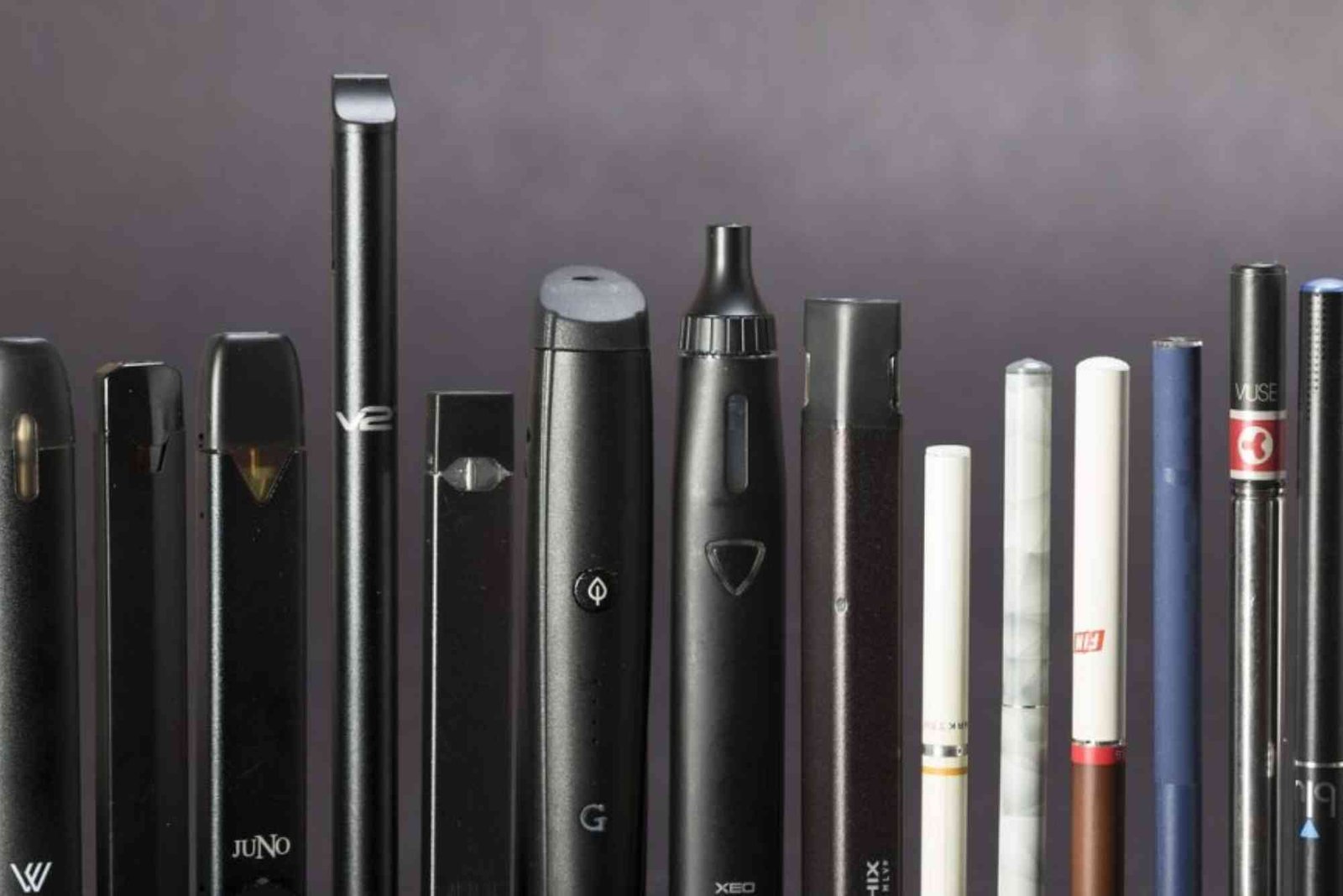
- Electronic nicotine delivery systems (ENDS), often called vapes.
Public health experts debate whether encouraging smokers to switch to less harmful products helps reduce disease and death.
Why Vapes Are Part of the Debate
Vapes heat liquid to create an inhalable aerosol. They typically contain nicotine without burning tobacco. Because combustion is the main cause of smoking-related disease, vaping may expose users to fewer toxicants. But:
- Long‑term effects aren’t fully known.
- Youth uptake is a serious concern.
- Product quality varies widely.
This is where FDA regulation becomes important.
Why FDA Approved Vapes Matter
The question why what are the FDA approved vapes matters touches on science, regulation, and public health.
Ensuring Product Safety and Quality
FDA authorization means a product has undergone rigorous review. This includes evaluating:
- Chemical composition of the aerosol.
- Consistency of design and manufacturing.
- Toxicants present compared to cigarettes.
Authorized products are expected to meet higher safety and quality standards than unregulated ones.
Reducing Youth Appeal
One major public health concern has been youth use of vaping products. FDA considers youth appeal when reviewing applications. Products that might disproportionately attract young people without smoking history may not be authorized.
This is significant because a product that attracts youth could increase nicotine addiction and long‑term health risks.
Supporting Informed Decisions
FDA authorization provides verifiable information for:
- Healthcare providers advising patients.
- Smokers considering alternatives.
- Policymakers shaping regulation.
Knowing which products have been reviewed and why helps individuals make evidence‑based choices.
Encouraging Industry Accountability
The PMTA process pushes manufacturers to gather scientific evidence. This accountability discourages unsubstantiated marketing claims. Only products with data supporting public health benefits are authorized.
In an unregulated market, claims about reduced harm are largely unchecked. FDA oversight changes that dynamic.
The Science Behind Vaping and Harm Reduction
Exploring why what are the FDA approved vapes matters requires a look at scientific evidence.
Toxicant Exposure Comparisons
Cigarette smoke contains thousands of chemicals, many carcinogenic. Vaping aerosol generally contains fewer toxicants and at lower levels. Independent studies have shown significant reductions in harmful compounds compared to smoke.
However:
- Vaping is not risk‑free.
- Some toxicants remain.
- Long‑term effects need more research.
FDA evaluates this evidence when considering marketing authorization.
Smoking Cessation and Switching
Some smokers use vaping as a tool to quit or reduce smoking. Research suggests that for certain adult smokers, switching completely to vaping can reduce exposure to harmful smoke constituents. But the effectiveness varies and depends on user behavior, product type, and support systems.
FDA authorizations often hinge on demonstrating that switching yields population health benefits without increasing youth usage.
Regulatory Context: How FDA Fits In
The U.S. regulatory landscape shapes the harm reduction debate.
Historical Background
Vaping products entered the U.S. market largely unregulated. Over time, concerns about youth use and product safety led to new regulatory requirements. The Tobacco Control Act gave FDA authority to regulate ENDS and other tobacco products.
PMTA Pathway
The PMTA requirement set a high bar. Manufacturers had to submit detailed scientific evidence showing their products were appropriate for public health. Many products failed to submit applications or were denied.
This led to a smaller number of authorized products—highlighting why what are the FDA approved vapes matters. Authorized products represent those with a stronger evidence base.
Other Regulatory Actions
Beyond PMTA, FDA uses age restrictions, marketing controls, and enforcement against unauthorized products. These measures aim to balance risk reduction for adult smokers and protection of youth.
Common Misconceptions
Several misunderstandings surround the topic of FDA approval and vaping.
“FDA Approval Means Safe”
No tobacco or nicotine‑containing product is completely safe. FDA authorization means the product is appropriate for marketing from a public health perspective—not that it is harmless.
“All Vapes Are Equally Harmful”
Unregulated products vary widely. Some may contain unpredictable toxicants or contaminants. FDA authorized products have passed scientific evaluation, which reduces uncertainty about key risks.
“Vaping Is as Safe as Not Using Anything”
Vaping involves inhaling substances that can affect lungs and cardiovascular health. Complete abstinence from nicotine‑containing products remains the healthiest choice.
The Role of Healthcare Providers
Healthcare professionals play a key role in helping individuals understand risks and options.
Smoking Cessation Counseling
Providers should:
- Ask about tobacco and nicotine use.
- Offer evidence‑based cessation support.
- Discuss potential risks and benefits of alternatives.
Understanding which products are FDA authorized helps clinicians guide patients without promoting products.
Shared Decision‑Making
Each person’s situation is different. For a long‑term smoker unable to quit with approved methods, switching to a regulated alternative may be part of discussion. But this must be patient‑centered and evidence‑based.
International Perspectives
Harm reduction and product regulation vary globally.
Countries With Strong Regulation
Some nations have comprehensive product standards and restrict youth access. Others ban certain products outright. These policies influence patterns of use, youth uptake, and smoking cessation outcomes.
Lessons From Elsewhere
International research helps inform U.S. debates. Comparative studies show that regulation can shape public health outcomes, for better or worse.
Ethical and Social Considerations
The harm reduction debate isn’t just scientific—it has ethical dimensions.
Balancing Adult Benefit and Youth Protection
A core tension is how to help adult smokers while shielding youth. FDA authorization attempts to calibrate products that minimize youth appeal.
Equity and Access
Tobacco-related disease disproportionately affects disadvantaged communities. Harm reduction strategies should consider equity and access to effective cessation resources.
Understanding why what are the FDA approved vapes matters in the harm reduction debate requires balancing science, regulation, and public health goals. FDA authorized products have undergone review showing they may reduce harm compared to cigarettes for adult smokers. But they are not risk‑free, and protecting youth remains paramount.
FAQs
What does FDA approved vapes mean?
“FDA approved vapes” refers to vaping products that have been authorized for marketing by the FDA under the PMTA pathway. This means the agency reviewed evidence and determined marketing is appropriate for public health.
Are FDA authorized vapes safer than cigarettes?
FDA authorized vaping products may deliver fewer harmful toxicants than cigarette smoke. However, they are not completely risk‑free, and long‑term effects are still being studied.
How many vapes are FDA approved?
Only a limited number of ENDS products have received marketing authorization, as many applications were denied or withdrawn under the rigorous PMTA process.
Can youth use FDA approved vapes?
No. FDA authorized products are still restricted to adults. Youth use of any nicotine product is a public health concern.
Where can I find the list of FDA authorized vaping products?
You can explore the official list through the FDA — list of authorized tobacco products & PMTA decisions to see which products are authorized and why.