
Introduction
The topic of vaping illegal Thailand policies has become central to global public health discussions. Thailand is one of the few countries that maintains a strict ban on e-cigarettes. This position places the country at the heart of the harm reduction debate. Supporters see the ban as protection for youth. Critics argue it ignores evidence-based alternatives to smoking.
Understanding why vaping illegal Thailand matters requires looking beyond headlines. It involves law, culture, health systems, and risk management. It also raises questions about how countries balance prevention with harm reduction. These questions are shaping global tobacco policy today.
This article explains the issue clearly and objectively. It connects Thailand’s approach to the wider harm reduction debate. It also explores what this means for smokers, policymakers, and public health outcomes.
Understanding the Vaping Ban in Thailand
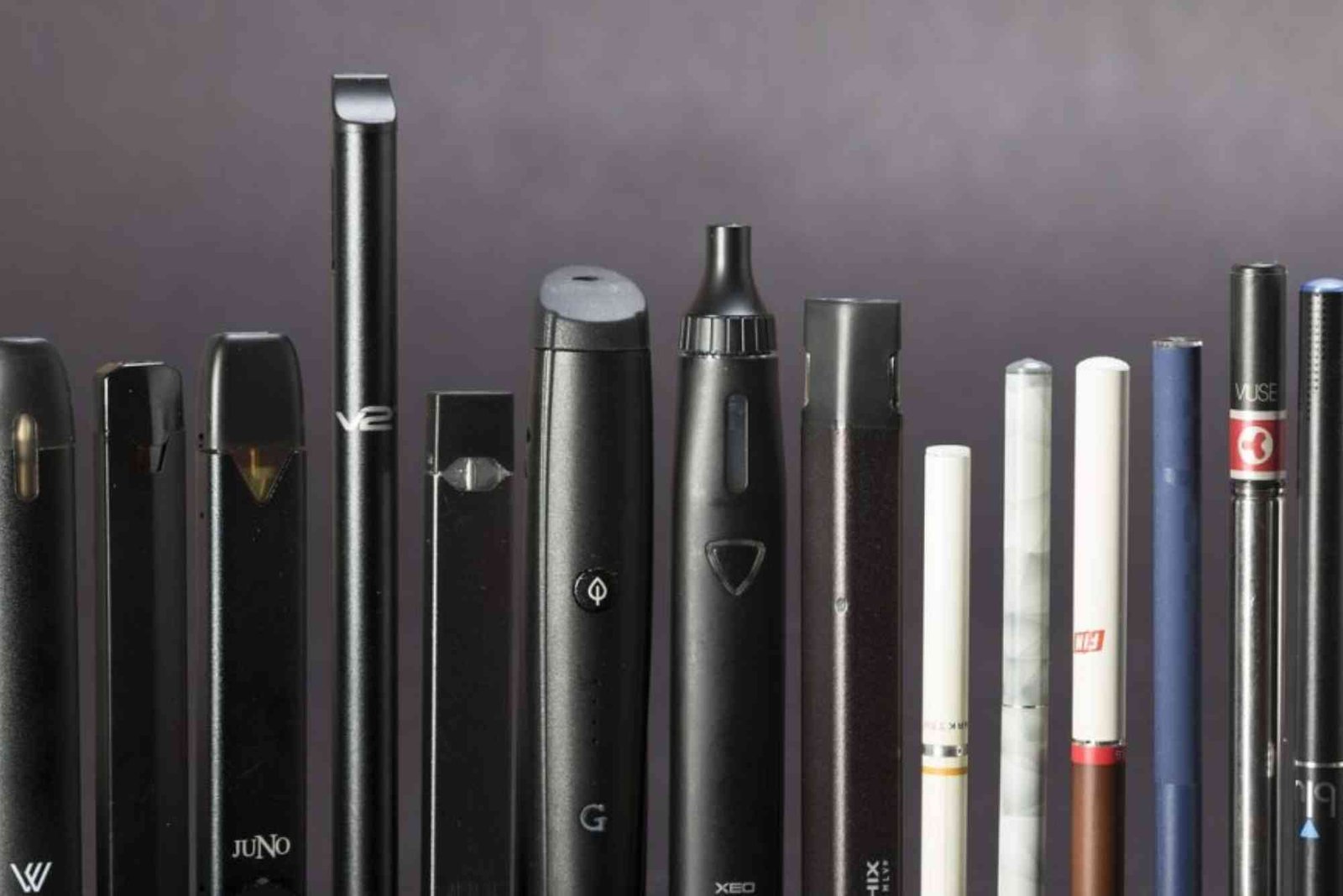
Thailand’s ban on vaping products is among the strictest in the world. Importing, selling, or possessing e-cigarettes is illegal. Penalties can include heavy fines or imprisonment. The policy has been in place since 2014.
The government justifies the ban on public health grounds. Officials argue that vaping may attract non-smokers and young people. They also cite uncertainty around long-term health effects.
The vaping illegal Thailand stance is rooted in precaution. Thai authorities prefer banning new nicotine products rather than regulating them. This approach differs from countries that see vaping as a smoking alternative.
Public Health Philosophy Behind Thailand’s Policy
Thailand has a strong record in tobacco control. Smoking rates have declined over decades. Taxes, advertising bans, and smoke-free laws played key roles.
The vaping illegal Thailand position reflects this success. Authorities worry that vaping could undermine progress. They fear renormalization of smoking behavior.
Public messaging often focuses on nicotine addiction risks. Health officials stress that nicotine is not harmless. This perspective shapes policy choices.
Insights from the Thailand Public Health Authority — nicotine policy show a preference for prevention over substitution. The Ministry of Public Health emphasizes avoiding new forms of dependence. This philosophy guides regulatory decisions and enforcement efforts.
What Is Harm Reduction in Tobacco Control
Harm reduction aims to lower health risks without requiring complete abstinence. In tobacco control, this often means replacing smoking with less harmful alternatives.
Cigarettes burn tobacco and release toxic chemicals. Vaping heats liquid without combustion. Most experts agree vaping is less harmful than smoking. Less harmful does not mean harmless.
The harm reduction debate focuses on relative risk. Should smokers have access to safer alternatives. Or should all nicotine products be restricted equally.
The vaping illegal Thailand debate highlights this tension. It shows how different countries weigh evidence and ethics.
Why Vaping Illegal Thailand Matters Globally
Thailand is influential in Southeast Asia. Its policies often shape regional approaches. When Thailand bans vaping, neighboring countries take notice.
International health organizations also watch Thailand closely. Its success in tobacco control gives it credibility. This makes the vaping illegal Thailand stance influential beyond its borders.
The policy raises questions for global health. Should harm reduction be universal. Or should it depend on national context.
Countries with high smoking rates may see vaping as a tool. Thailand believes strict control works better. This contrast fuels ongoing debate.
Impact on Adult Smokers in Thailand
One key concern in the vaping illegal Thailand discussion is adult smokers. Many smokers struggle to quit using traditional methods. Vaping is often cited as an alternative.
Without legal access, Thai smokers have fewer options. Some continue smoking cigarettes. Others turn to black-market vaping products.
Illicit markets pose risks. Products may lack quality control. Users may not know what they inhale.
From a harm reduction perspective, this is problematic. The ban may unintentionally sustain cigarette use. This outcome challenges public health goals.
Youth Protection and Social Concerns
Supporters of vaping illegal Thailand policies emphasize youth protection. They argue vaping can appeal to teenagers. Flavors and devices may seem attractive.
Thailand has strong cultural values around discipline and health. Authorities prioritize shielding young people from addiction.
There is also concern about social normalization. Seeing people vape publicly may weaken anti-smoking norms. This fear drives enforcement.
In countries with regulated vaping, youth use remains a concern. Thailand chose prohibition rather than regulation to avoid this risk.
Enforcement Realities and Public Perception
Enforcement of vaping illegal Thailand laws is uneven. Tourists have faced fines for possessing devices. Locals sometimes report inconsistent policing.
This creates confusion. Many people are unaware of the severity of penalties. Others see enforcement as arbitrary.
Public perception is mixed. Some citizens support strict rules. Others question their effectiveness.
In the harm reduction debate, enforcement realities matter. Laws that push behavior underground may lose credibility.
Scientific Evidence and Policy Gaps
Scientific consensus continues to evolve. Most health bodies agree vaping is less harmful than smoking. Long-term data is still developing.
Thailand’s policy does not fully reflect this risk continuum. By treating all nicotine products equally, nuance is lost.
The vaping illegal Thailand debate highlights a gap between science and policy. Evidence supports relative risk assessment. Policy favors absolute prevention.
This gap is central to harm reduction arguments worldwide.
Comparing Thailand With Other Countries
Countries like the UK promote vaping for smokers. Their health agencies actively support switching from cigarettes.
Japan allows heated tobacco but restricts e-liquids. Australia allows vaping with prescriptions. Each model reflects local priorities.
Thailand stands out for its complete ban. This makes it a case study in prohibition-based policy.
Comparisons show there is no single approach. Outcomes vary based on culture, enforcement, and health systems.
Economic and Tourism Implications
Thailand is a major tourist destination. Many visitors come from countries where vaping is legal.
Reports of fines and arrests harm perceptions. Travelers may feel anxious or confused.
Economically, the ban also affects local businesses. Vape shops operate illegally or close entirely.
In harm reduction discussions, economic factors matter. Policies should consider unintended consequences beyond health.
Ethical Questions in the Harm Reduction Debate
The vaping illegal Thailand issue raises ethical questions. Should adults have autonomy over less harmful choices. Or should the state protect citizens from potential risks.
Harm reduction emphasizes informed choice. Prohibition emphasizes protection.
Thailand prioritizes collective health over individual preference. This reflects cultural and political values.
Ethical debates are unlikely to end soon. They shape how evidence is interpreted and applied.
Future Directions for Thailand’s Nicotine Policy
Thailand’s policy may evolve. Scientific evidence continues to grow. Public opinion may shift.
Some experts suggest regulated access for adult smokers. Strict age controls could protect youth.
Others argue the current approach works. Smoking rates remain relatively low.
The vaping illegal Thailand debate will continue as global norms change. Policy reviews may emerge as evidence strengthens.
Why This Debate Matters for Harm Reduction
The harm reduction debate is about pragmatism. It asks how to reduce harm when ideal outcomes are unrealistic.
Smoking remains a leading cause of preventable death. Alternatives matter for those who cannot quit.
Thailand’s stance challenges harm reduction advocates. It forces them to consider cultural context.
At the same time, it challenges prohibition advocates to consider unintended harms.
This balance makes vaping illegal Thailand a critical case study.
The vaping illegal Thailand policy matters because it sits at the crossroads of health, ethics, and evidence. It reflects a prevention-first philosophy that has delivered results in tobacco control. Yet it also raises concerns about smoker options, illicit markets, and relative risk.
In the global harm reduction debate, Thailand’s approach offers lessons. It shows the power of strong regulation. It also highlights the limits of prohibition.
FAQs
Is vaping completely illegal in Thailand
Yes, importing, selling, and possessing vaping devices is illegal under Thai law.
Why did Thailand ban vaping products
Authorities cite youth protection, addiction risks, and uncertainty about long-term health effects.
Can tourists vape in Thailand
No, tourists are also subject to fines or penalties for possessing vaping devices.
Is vaping safer than smoking cigarettes
Most experts agree vaping is less harmful than smoking, but it is not risk-free.
Will Thailand legalize vaping in the future
There is no official plan, but ongoing debate and new evidence may influence future policy.