Introduction
In recent years, the issue of vaping has moved to the centre of public‑health policy debates across the globe. The situation in Thailand is especially striking, as the country maintains some of the strictest controls on electronic nicotine delivery systems. These Thailand vape laws 2024 — referring both to newly updated regulation and enforcement actions — matter deeply in the broader harm‑reduction debate because they raise fundamental questions about how society balances risk, choice, and regulation.
Understanding Thailand’s Vaping Legal Framework
What the laws say
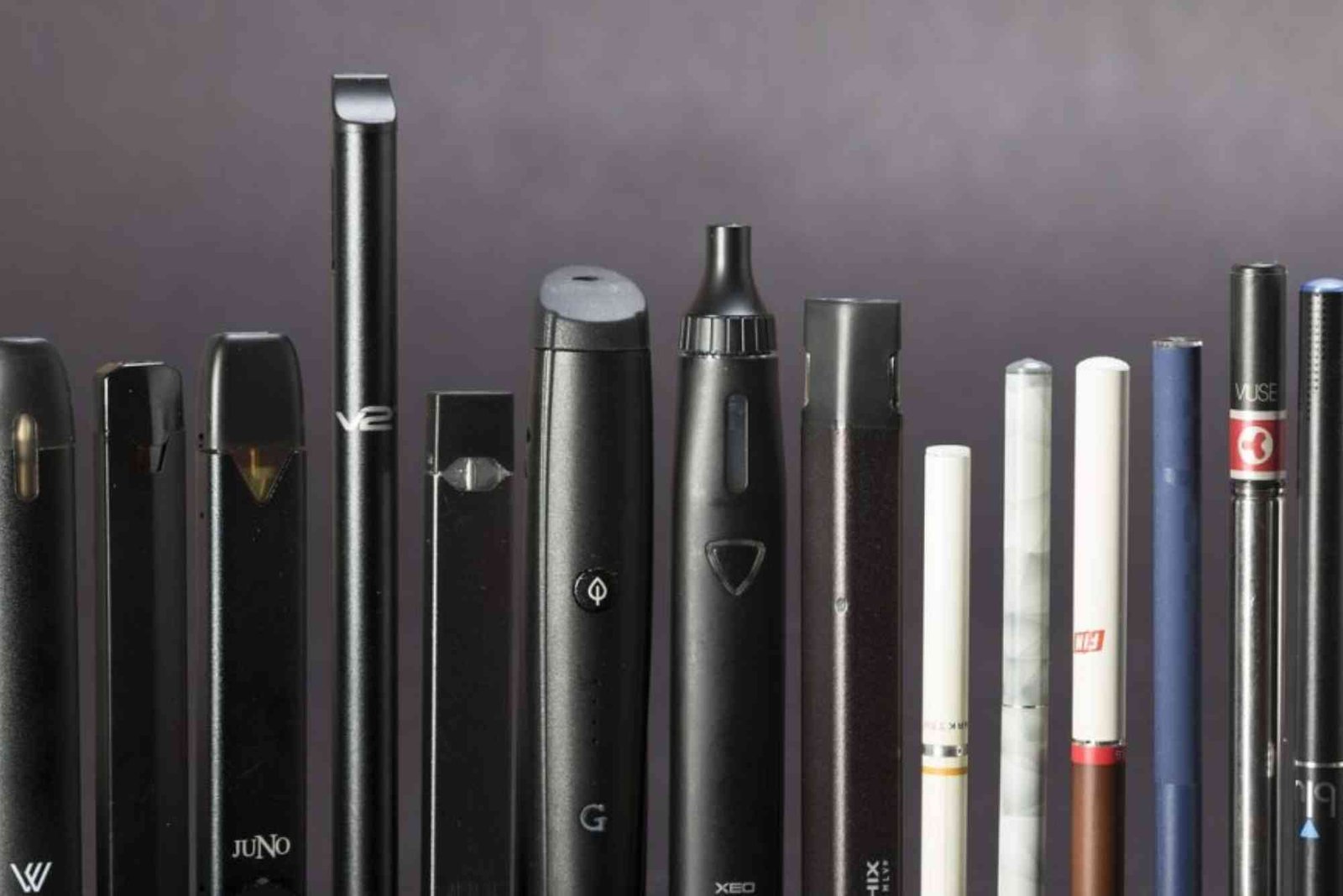
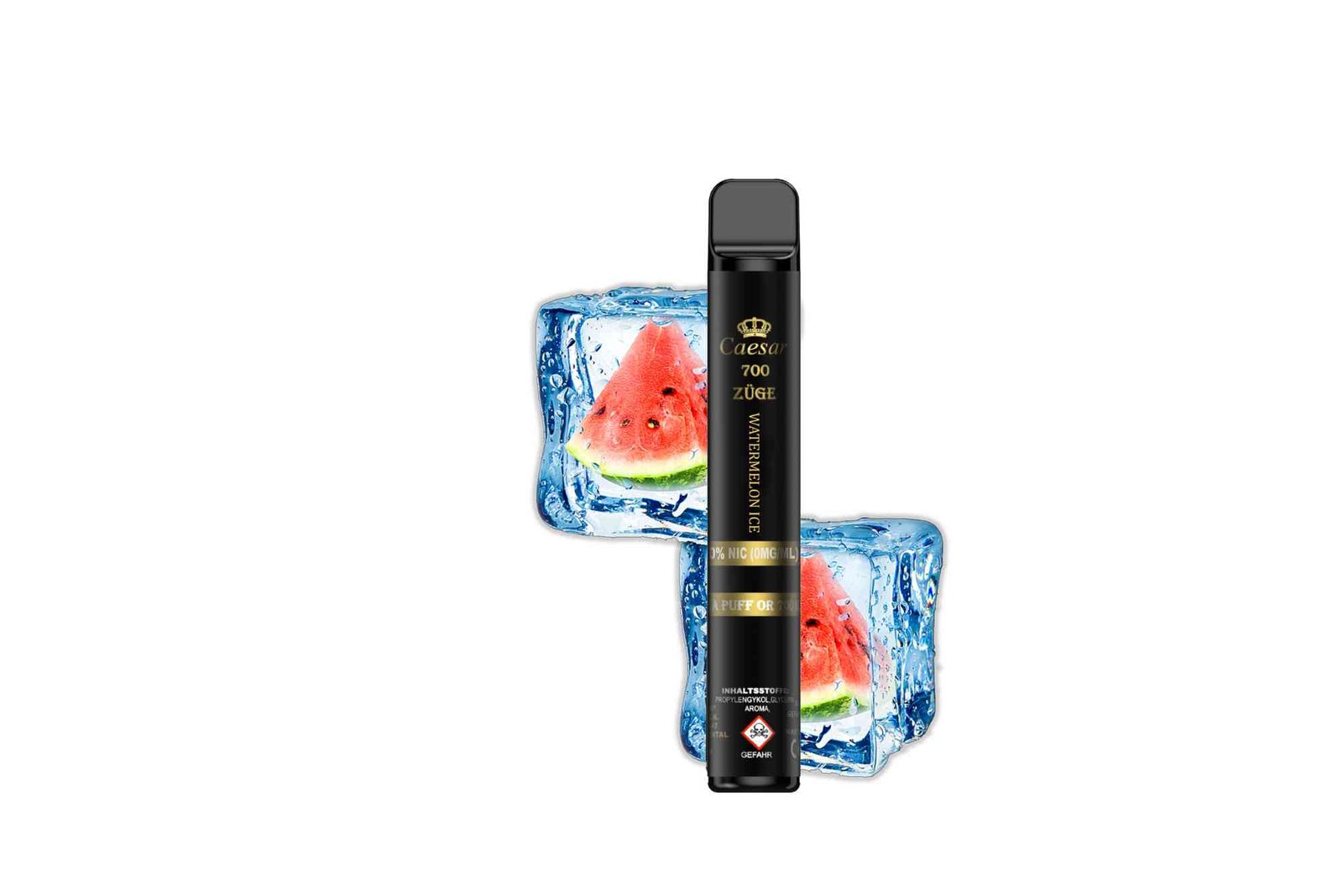
In Thailand, the manufacture, importation, sale, and distribution of e‑cigarettes, vape devices, and vaping liquids is prohibited under national legislation. The law bans the manufacture, import, and sale of e‑cigarettes and e‑cigarette liquids. More recent regulatory updates in 2024 clarified key terms and reinforced the prohibition to ensure no ambiguity in enforcement.
Penalties and enforcement
Penalties under Thailand’s vape laws are severe. Individuals selling or distributing e‑cigarettes may face imprisonment of up to three years or a fine of up to 600,000 baht, or both. Importers may face up to ten years in prison and fines amounting to multiples of the product’s value.
Recent enforcement and youth concerns
Despite the ban, vaping has not disappeared. Authorities report increased usage among younger age groups, particularly ages 15‑29, and have responded with stricter measures both nationally and within schools. The government continues to monitor and strengthen enforcement to protect public health.
Why These Laws Matter in the Harm Reduction Debate
Defining harm reduction in nicotine policy
Harm reduction in nicotine and tobacco use refers to strategies that reduce health damage associated with smoking, often by substituting lower‑risk products for those who cannot or will not quit smoking. The debate centres on whether vaping should be regulated, restricted, or offered as part of harm‑reduction strategies.
Thailand’s approach versus harm‑reduction philosophy
Thailand’s strict prohibition reflects a fundamentally different approach from many jurisdictions that allow regulated e‑cigarette markets. By banning these devices, Thailand excludes vaping from its harm‑reduction strategy. This raises key questions: does banning vapes reduce harm by preventing uptake among non‑smokers and youth, or does it remove a potentially lower‑risk alternative for existing smokers? Thailand represents a case study in a “zero‑tolerance” model rather than a harm‑reduction‑friendly model.
Impacts on smokers, vapers, and public health
Existing smokers in Thailand cannot legally access vaping products, which limits harm-reduction potential. Some public health implications include: smokers who might have switched to vaping continue smoking combustible cigarettes, a black market for vaping devices emerges with higher risks, and youth face restricted access but may still encounter illicit products. Thailand’s vape laws shape real-world trade-offs between preventing uptake and enabling switching in the harm‑reduction equation.
Key Themes Emerging from the 2024 Landscape
Enforcement intensification and policy signal
In 2024, enforcement is stepping up. Authorities target importers, online sellers, and illicit distribution near educational institutions. The message is clear: vaping is not tolerated under any circumstances.
Youth uptake and prevention focus
Thailand’s policy focus increasingly emphasises youth protection. Youth e‑cigarette use remains relatively low compared with countries where vaping is legal, with prevalence among secondary students remaining under 4 %. Educational institutions have introduced measures to restrict access and enforce discipline.
Black‑market risk and unintended consequences
Strict prohibition has led to a thriving black market for vaping devices and liquids, which reduces regulation, increases product risk, and shifts the policy burden toward enforcement rather than public‑health guidance.
International comparison and global implications
Thailand’s model stands out internationally due to its extreme restriction. As other countries adopt nuanced harm‑reduction strategies, Thailand’s approach serves as a comparator in global tobacco-control discussions. It raises the question: does banning vaping entirely lead to better health outcomes, or does it prevent access to a lower-risk alternative?
Why Stakeholders Should Care
Policymakers and regulators
Thailand demonstrates the interplay of enforcement, regulation, public health aims, and unintended markets. Even with strict bans, enforcement gaps and illicit supply can undermine objectives. Balancing youth prevention with adult smoking cessation remains complex.
Public health professionals
For harm‑reduction advocates, Thailand’s approach highlights the tension between prohibition and the potential benefits of switching smokers to lower-risk products. Accurate data on smoking rates, switching behavior, and black-market prevalence is critical.
Smokers, vapers, and consumers
Consumers in Thailand face significant legal risks if they attempt to import or use vaping devices. Awareness of these risks is essential for residents and tourists alike.
Global advocacy and industry observers
Thailand vape laws 2024 matter internationally because they contribute evidence on how different regulatory regimes perform. Advocates, industry players, and international agencies study Thailand’s outcomes to inform policy debates elsewhere.
Challenges and Open Questions
Does the ban improve smoking-cessation outcomes?
Data is limited on how the vaping ban influences cessation and long-term health outcomes. Without regulated options, switching behavior cannot be fully assessed.
How to manage illicit markets effectively?
Strict bans do not eliminate demand. Managing illicit supply requires coordination between enforcement, customs, and public-health messaging.
Youth protection versus adult choice
Thailand prioritizes youth protection, but removing legal options for adults limits harm-reduction strategies. Balancing these objectives remains challenging.
Potential for regulatory change
While prohibition dominates, discussion exists about refining laws with clearer definitions or targeted enforcement to reduce harm while controlling youth access. The future may involve adjustments, but currently, the strict ban remains in place.
What This Means Going Forward
Thailand’s strict stance suggests the country will not adopt vaping as part of harm reduction in the near term. Public-health messaging continues to treat vaping as a risk rather than a tool. Enforcement agencies remain key actors in controlling supply, and international observers will monitor Thailand’s smoking prevalence, youth uptake, and black market trends for lessons in regulation. Advocates and policymakers may revisit whether regulated vaping could complement harm reduction or whether bans are more protective in the Thai context.
The Thailand vape laws 2024 are significant far beyond Thailand. They illustrate a strict prohibition model, provoke debate on harm reduction, and highlight policy trade-offs between protecting youth and providing lower-risk options for smokers. For public-health professionals, regulators, and advocates, the Thai case offers a live experiment in balancing risk, enforcement, and health outcomes.
Explore official notices from the Thailand Ministry of Public Health — 2024 notices internal link — to track the most current legal framework and guidance. Engage in the debate and consider how different regulatory models affect real people’s health, risk, and choice. Share this analysis with your team, network, or policy group. Ask yourself: are we choosing prohibition, regulation, or a hybrid? Are we measuring the consequences effectively? Thailand’s experiment is instructive, but only if we pay attention.
FAQs
Q: Is vaping legal in Thailand in 2024?
A: No, the sale, importation, manufacture, and distribution of e‑cigarettes and vape liquids is prohibited.
Q: What happens if someone is caught vaping in Thailand?
A: Penalties include imprisonment (up to three years for distribution, up to ten years for importation) and substantial fines.
Q: Does the vaping ban in Thailand help stop youth from starting to vape?
A: Youth prevalence remains relatively low compared with countries where vaping is legal, with around 3.7% current use among secondary students.
Q: How does Thailand’s policy affect smokers looking for lower-risk alternatives?
A: Legal access to vaping is unavailable, so smokers cannot switch to e‑cigarettes as a harm-reduction option.
Q: Could Thailand change its laws to allow regulated vaping for harm reduction?
A: It is possible, but there is no clear sign of imminent change. The current prohibition model remains dominant.