Introduction
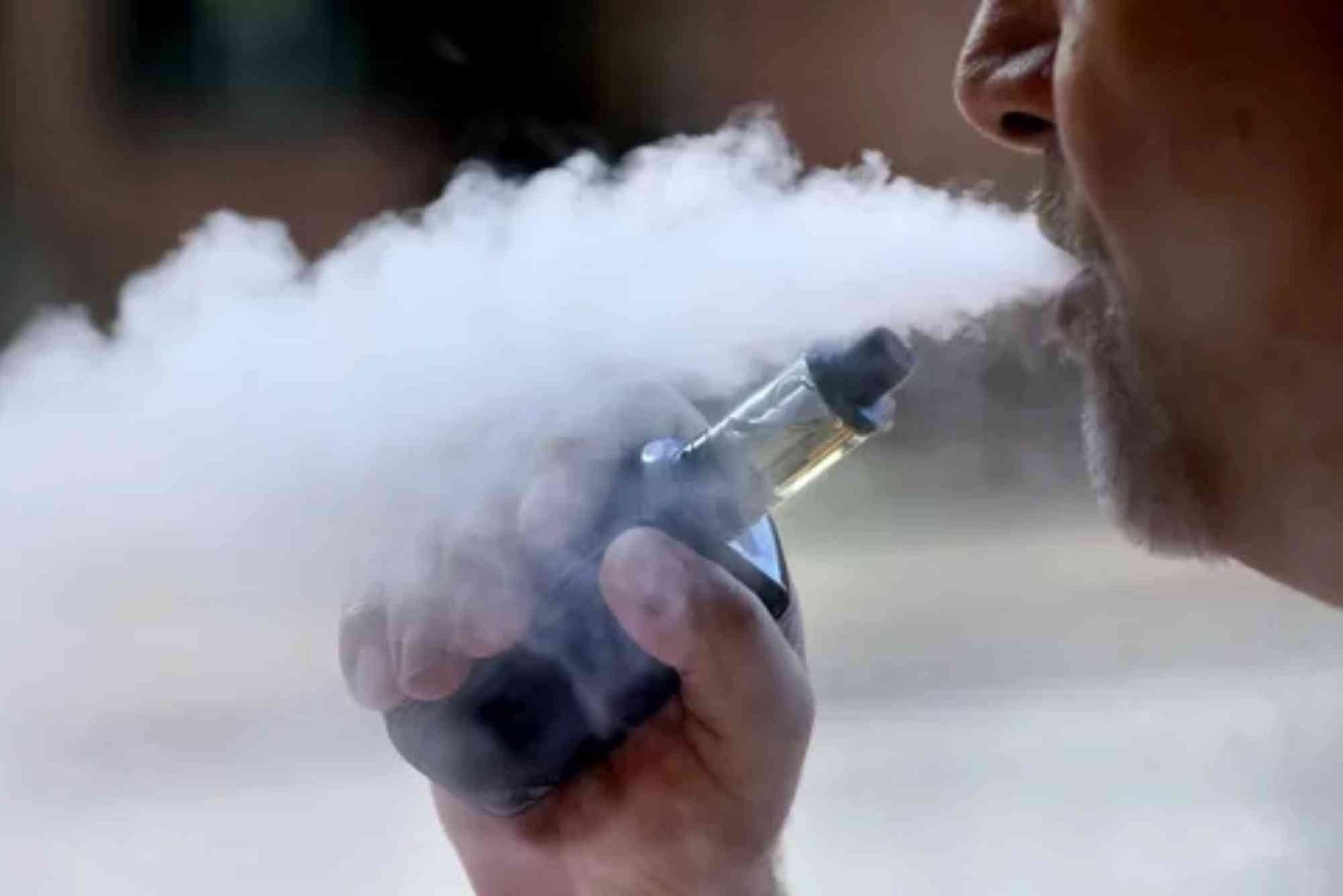
Vaping has become a popular alternative to traditional smoking, but in Washington State, vaping indoors is illegal. Understanding why this law exists and how it fits into the broader harm reduction debate is essential for public health and individual safety. The rule not only reflects concerns about secondhand exposure but also highlights the challenges in promoting safer nicotine alternatives.
Understanding Washington’s Indoor Vaping Law
Washington State has strict rules regarding smoking and vaping in indoor public spaces. According to the Washington State Legislature — indoor smoking & vaping law, vaping is prohibited in workplaces, restaurants, bars, and other enclosed public areas. The law applies to both e-cigarettes and traditional tobacco products, aiming to protect non-smokers from secondhand exposure.
The Scope of the Law
The law covers:
- Indoor workplaces
- Educational facilities
- Restaurants and bars
- Public transportation and waiting areas
This legal framework ensures that individuals who do not vape or smoke are not involuntarily exposed to airborne chemicals. While vaping is generally considered less harmful than smoking, the long-term effects of secondhand vapor are still under study, which justifies precautionary measures.
Why Indoor Vaping Matters in Harm Reduction
Harm reduction is about providing safer alternatives to high-risk behaviors. Vaping is often promoted as a less harmful alternative to smoking, yet indoor restrictions spark debates about whether these laws hinder or support harm reduction efforts.
Protecting Non-Smokers
Even though e-cigarettes produce fewer harmful chemicals than combustible cigarettes, their aerosol contains nicotine, flavorings, and other substances. Non-smokers, particularly children and those with respiratory conditions, may be sensitive to these compounds. By banning indoor vaping, Washington State prioritizes the health of all individuals, not just vapers.
Encouraging Responsible Use
Restricting indoor vaping promotes mindful consumption. Users are more likely to vape in designated areas, reducing conflicts with non-smokers. This separation encourages respect for public spaces while still providing an avenue for smokers to switch to a less harmful option.
Supporting Public Health Goals
Public health experts emphasize that harm reduction should not compromise overall community safety. Indoor vaping bans help maintain clean air standards and prevent normalization of nicotine use among young people. In this way, the law complements broader tobacco control policies without banning harm reduction tools entirely.
The Debate Around Harm Reduction and Indoor Vaping
While some argue that indoor vaping restrictions undermine harm reduction, others say these laws are a balanced approach.
Arguments Against Indoor Vaping Bans
Critics suggest that prohibiting indoor vaping may:
- Discourage smokers from switching to safer alternatives
- Limit the effectiveness of harm reduction strategies
- Increase social stigma against vapers
Arguments Supporting Indoor Vaping Bans
Supporters argue that bans:
- Protect public health from secondhand exposure
- Maintain air quality in shared spaces
- Prevent vaping from being seen as socially acceptable among youth
The law reflects a compromise: allowing vaping outdoors or in private spaces while minimizing risks to non-users indoors.
Comparing Indoor Vaping Rules Nationwide
Washington’s approach is consistent with many other states in the U.S., though regulations vary. Some states allow vaping in certain indoor areas, while others enforce stricter rules, reflecting differing public health priorities. The consistency of enforcement in Washington strengthens its credibility as a model for responsible harm reduction policies.
Lessons from Other Regions
Research shows that clear indoor vaping restrictions:
- Reduce exposure to secondhand aerosol
- Encourage smokers to transition to vaping responsibly
- Increase public understanding of vaping as a harm reduction tool rather than a harmless activity
This comparative perspective emphasizes that well-defined laws can support both harm reduction and public safety.
Practical Implications for Vapers
Vapers in Washington must understand the boundaries of the law. Compliance helps prevent legal penalties and fosters public acceptance of vaping as a legitimate harm reduction method.
Tips for Responsible Vaping
- Use designated outdoor areas whenever possible
- Avoid vaping near children or vulnerable populations
- Stay informed about local updates to vaping laws
By following these guidelines, vapers contribute to a healthier environment while still benefiting from nicotine alternatives.
The indoor vaping ban in Washington State is more than a legal restriction—it is a public health strategy. While it raises questions in the harm reduction debate, it demonstrates a careful balance between offering safer alternatives and protecting non-smokers. Understanding these laws helps vapers and public health advocates navigate the challenges of nicotine regulation responsibly.
FAQs
Is vaping indoors illegal in Washington?
Yes, vaping is prohibited in most indoor public spaces according to state law.
Why is indoor vaping restricted if it’s less harmful than smoking?
Secondhand vapor may still contain nicotine and chemicals, posing risks to non-smokers.
Does the law apply to private homes?
No, the law focuses on public and workplace spaces, not private residences.
Can vaping bans affect harm reduction efforts?
Bans may limit indoor options but encourage responsible, outdoor vaping, supporting public health goals.
Where can I vape legally in Washington?
Designated outdoor areas, private property, and some vaping lounges are permitted under state regulations.