Why Is It Illegal to Vape With Kids in the Car Matters in the Harm Reduction Debate
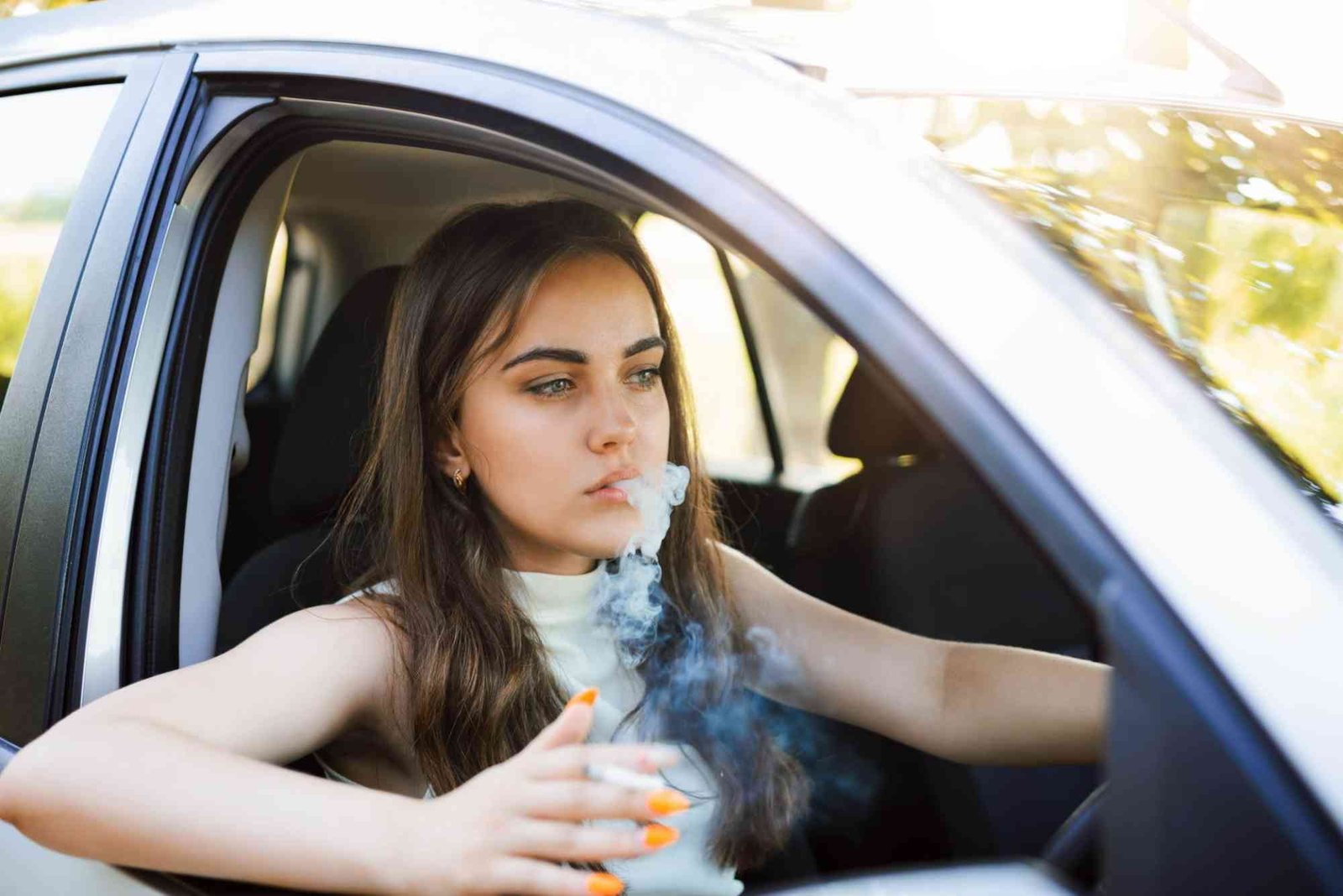
Vaping has become increasingly popular as a supposedly safer alternative to smoking, yet laws around vaping with children in cars are strict. Understanding why it is illegal to vape with kids in the car is essential for parents, caregivers, and policymakers involved in the harm reduction debate. These regulations are not arbitrary—they aim to protect children from harmful exposure and guide public health policy.
Introduction to Vaping and Legal Restrictions
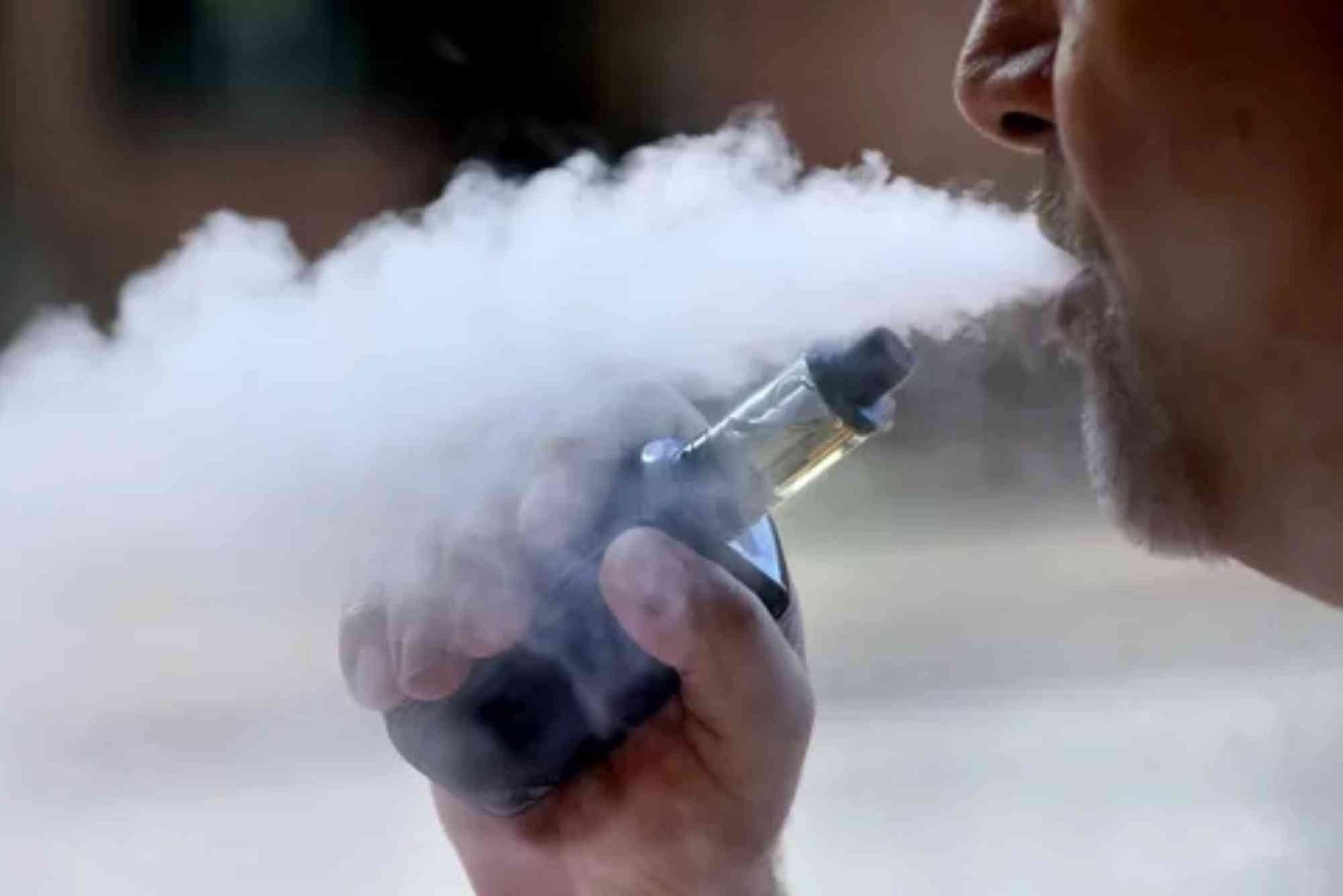
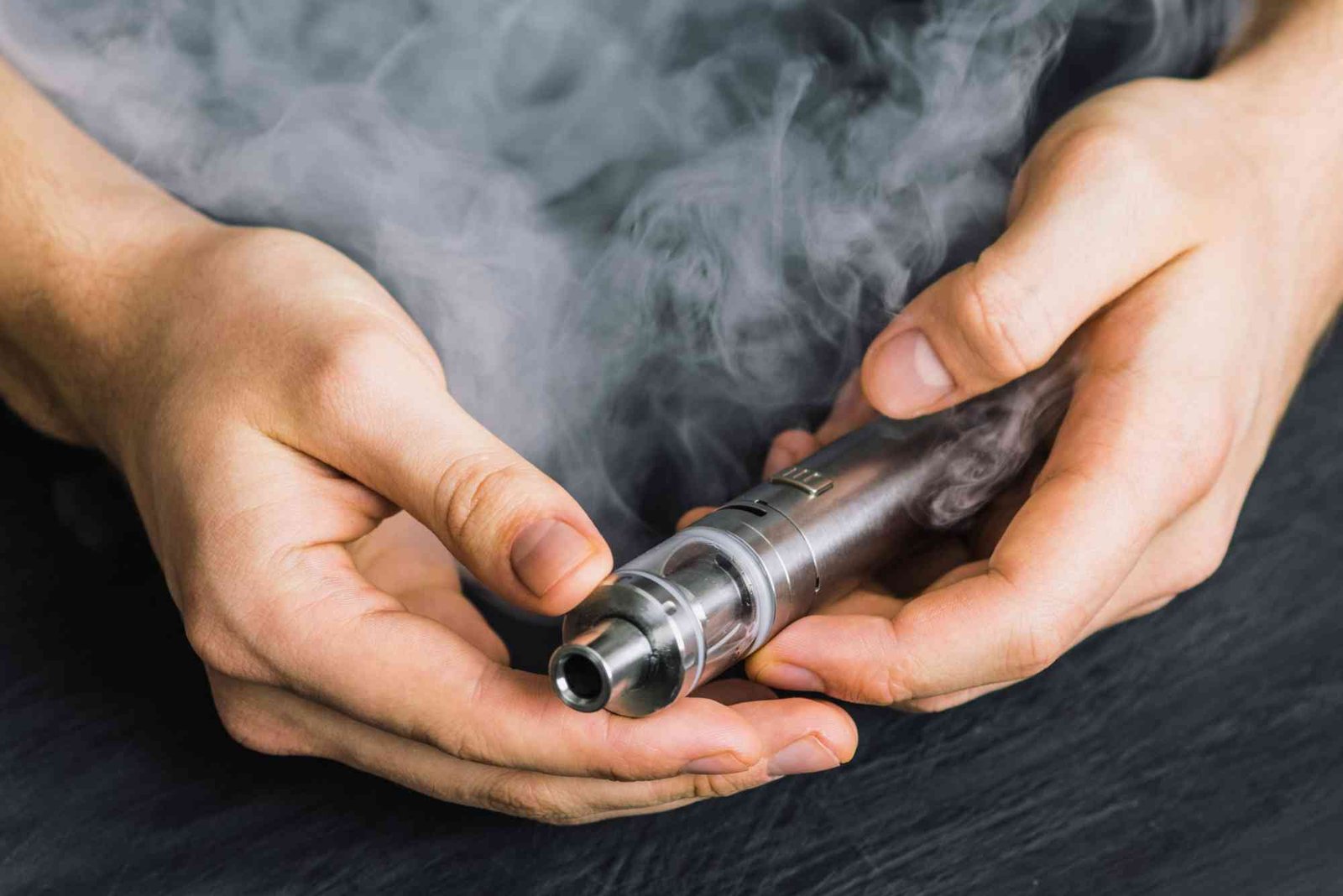
Vaping involves inhaling aerosolized substances from e-cigarettes or similar devices. While some adults use vaping to quit traditional cigarettes, children exposed to these aerosols face potential health risks. Many regions now have explicit laws making it illegal to vape in cars when children are present. These laws exist to prevent unintentional secondhand exposure, which can be harmful even if vaping is less dangerous than smoking tobacco.
Understanding these laws also sheds light on broader discussions about harm reduction. Advocates argue that vaping is safer for adults than smoking, but regulations targeting children emphasize that harm reduction has limits. Protecting minors remains a non-negotiable public health priority.
Why Legislators Are Taking Action
Legislators and public health officials are increasingly focused on child safety and environmental health. Laws against vaping in cars with kids are designed to mitigate risks and reinforce healthy behavior patterns.
Protecting Children From Secondhand Aerosol
Children are particularly vulnerable to inhaling chemicals in vape aerosols. These can include nicotine, flavoring chemicals, and other substances potentially harmful to developing lungs and brains. Exposure to nicotine, even indirectly, can contribute to long-term health problems such as respiratory issues, cognitive development delays, and behavioral challenges.
Legal Precedent and Public Health Guidance
Many laws align with public health guidance emphasizing child protection. Organizations like Child safety & public health guidance (example: KidsandCars.org) provide data on how secondhand smoke and aerosols impact children. These recommendations have influenced legislators to establish rules preventing vaping in cars with minors. The law reflects a preventive approach, similar to seatbelt regulations, where the focus is safeguarding vulnerable passengers.
The Broader Harm Reduction Debate
Harm reduction advocates argue that vaping is a safer alternative for adult smokers. However, this debate often clashes with child protection principles. While vaping may reduce harm compared to cigarettes for adults, exposing children in confined spaces like cars introduces unnecessary risks. Legal restrictions strike a balance: supporting adult harm reduction while prioritizing child health.
Health Risks of Vaping Around Children
Vaping may seem less toxic than smoking, but confined spaces like cars magnify exposure. Aerosols linger in the air, settle on surfaces, and can be ingested or inhaled by children hours later.
Respiratory Concerns
Even short-term exposure can irritate young lungs. Children with asthma or other respiratory conditions are particularly susceptible to flare-ups. Prolonged exposure increases the risk of chronic issues, affecting overall growth and development.
Nicotine and Cognitive Development
Nicotine in e-liquids can impact brain development in children. Exposure can lead to learning difficulties, attention disorders, and long-term addiction vulnerability. Laws against vaping in vehicles with minors ensure children are not inadvertently subjected to these developmental hazards.
Chemical Residue and Thirdhand Exposure
Vape aerosols leave residues on car seats, windows, and surfaces. Children frequently touch these surfaces and put their hands in their mouths, leading to indirect ingestion. Even if direct inhalation is avoided, thirdhand exposure can still pose health risks, justifying legal restrictions.
Psychological and Social Considerations
Beyond physical health, children witnessing vaping may normalize nicotine use. Observational learning during formative years influences behavior, making early exposure to vaping a risk factor for future substance use. Laws restricting vaping in cars with children not only reduce immediate physical harm but also shape healthier social norms.
Preventing Normalization of Nicotine
Seeing adults vape may convey the message that nicotine use is acceptable or safe for children. Early exposure can reduce perceived risk and increase the likelihood of experimentation during adolescence. Public health legislation works to prevent such normalization.
Parental Responsibility and Modeling Behavior
Legal restrictions reinforce parental responsibility. Adults are encouraged to model healthy behaviors and limit environments where children might be exposed to harmful substances. This approach aligns with broader health promotion strategies that combine regulation, education, and community support.
Global Trends in Legislation
Countries and states have increasingly recognized the need for these laws. Australia, Canada, and multiple U.S. states now explicitly ban vaping in vehicles with minors. These laws often come with fines or penalties to ensure compliance, highlighting the seriousness of the issue.
Why Enforcement Matters
Without enforcement, regulations lose impact. Fines and awareness campaigns are necessary to communicate the risks and legal obligations. Effective enforcement also underscores society’s commitment to child safety, complementing harm reduction strategies for adults.
Impact on Harm Reduction Policies
While some argue that restricting vaping might push adults back to smoking, the consensus is clear: child protection outweighs potential adult harm reduction trade-offs. Policies are designed to encourage responsible vaping in safe contexts while protecting vulnerable populations.
Practical Tips for Parents and Caregivers
Parents and caregivers can reduce risks without abandoning harm reduction entirely. Avoid vaping in enclosed spaces with children. Opt for outdoor areas when vaping is necessary. Regularly clean cars and surfaces to minimize residue. These actions align with both public health guidance and legal requirements.
Promote Awareness
Educate family members and peers about the risks of secondhand and thirdhand aerosol exposure. Awareness campaigns, social media messaging, and community outreach programs help reinforce positive behaviors.
Encourage Safe Alternatives
For adults attempting to quit smoking, harm reduction can still be practiced responsibly. Use vaping in private, well-ventilated spaces or outside the presence of children. Following legal guidance demonstrates accountability and commitment to public health.
Understanding why it is illegal to vape with kids in the car highlights the intersection of child safety, public health, and harm reduction. Laws are designed to prevent exposure to harmful aerosols, protect vulnerable populations, and reinforce responsible adult behavior. While vaping can be part of a harm reduction strategy for adult smokers, children’s health remains paramount.
Taking responsibility as a parent or caregiver means respecting these laws, minimizing exposure, and modeling safe behaviors. By doing so, society can support harm reduction for adults while prioritizing child safety and long-term health. Act now to protect children by avoiding vaping in cars and spreading awareness about the risks. Stay informed, follow legal guidelines, and create healthier environments for the next generation.
FAQs
Is it illegal to vape in a car with kids everywhere?
No, laws vary by state and country, but many regions explicitly prohibit vaping in vehicles when minors are present. Check local regulations for specific rules.
Why are children more at risk from vape aerosols than adults?
Children’s lungs are still developing, and they are more susceptible to nicotine and chemical exposure. Even short-term exposure can have lasting effects.
Does vaping in a car expose children to nicotine?
Yes, aerosolized nicotine can be inhaled directly or absorbed from surfaces, contributing to health risks.
Are there safe ways to vape around children?
Vaping outdoors or in well-ventilated spaces away from children reduces risk. Avoid enclosed spaces like cars to comply with laws and protect health.
How does vaping in cars affect harm reduction debates?
While vaping reduces harm for adults compared to smoking, laws protecting children demonstrate limits of harm reduction. Child safety takes priority.