Why Why Are hayati vapes illegal Matters in the Harm Reduction Debate
Vaping has become one of the most discussed topics in public health. At the center of this debate is the question: why are hayati vapes illegal becoming a critical matter in harm reduction discussions. As governments tighten regulations around disposable vaping products, understanding the reasons behind these laws and their impact on public health is essential.
The Vaping Landscape and Harm Reduction
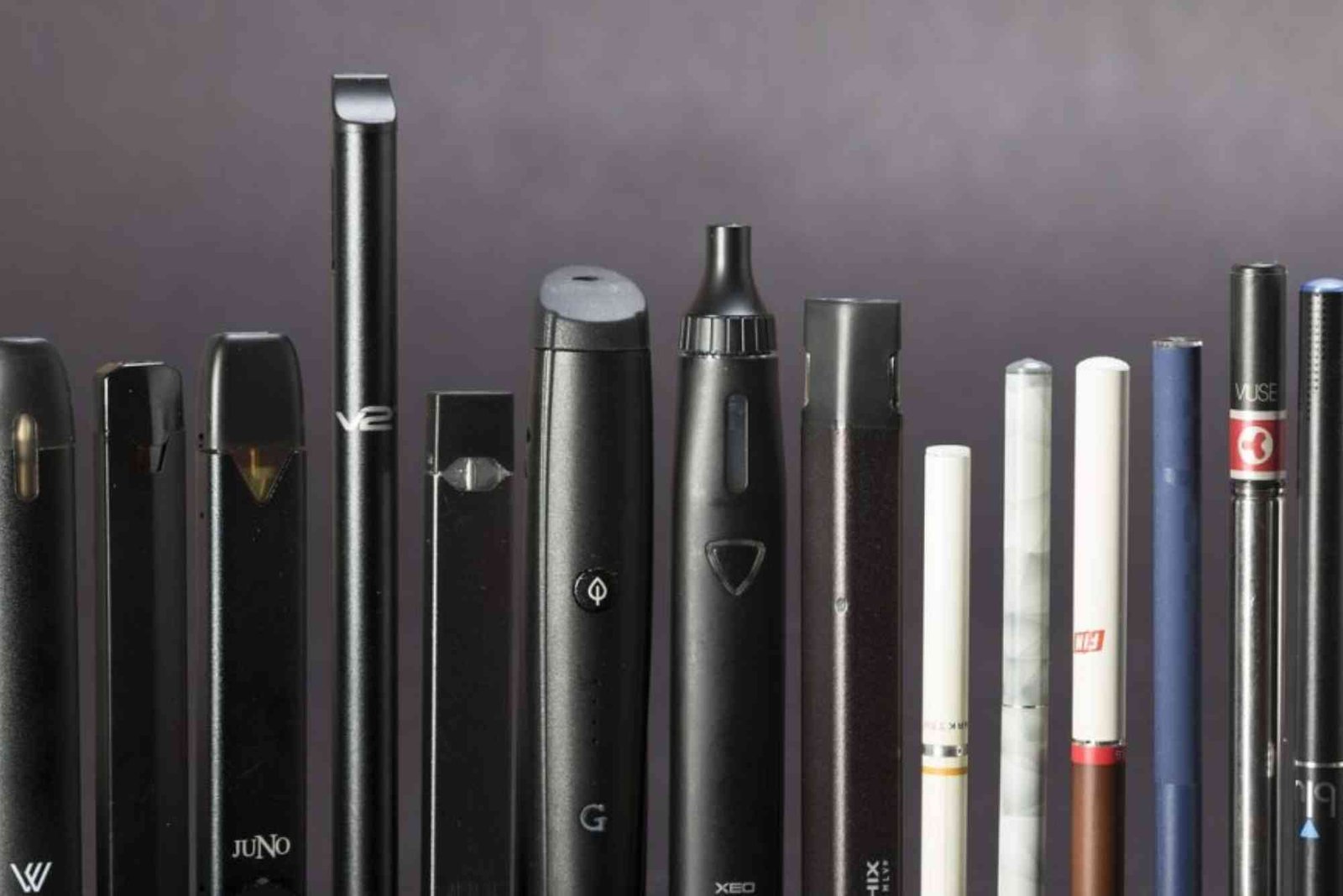
Vapes such as Hayati have grown in popularity as alternatives to traditional cigarettes. Many smokers turn to vaping because it can reduce exposure to harmful tobacco smoke. However, the rise of single‑use, disposable vapes has sparked policy changes in several countries. In places like the UK, the sale of certain disposable devices — including many Hayati models — is being restricted or banned.
Understanding why hayati vapes illegal matters requires looking at both the public health goals of harm reduction and the concerns that prompt regulatory action. Vaping sits at a crossroads: it may help smokers quit combustible tobacco, yet it can create new risks and social problems when poorly regulated.
Harm Reduction and Vaping
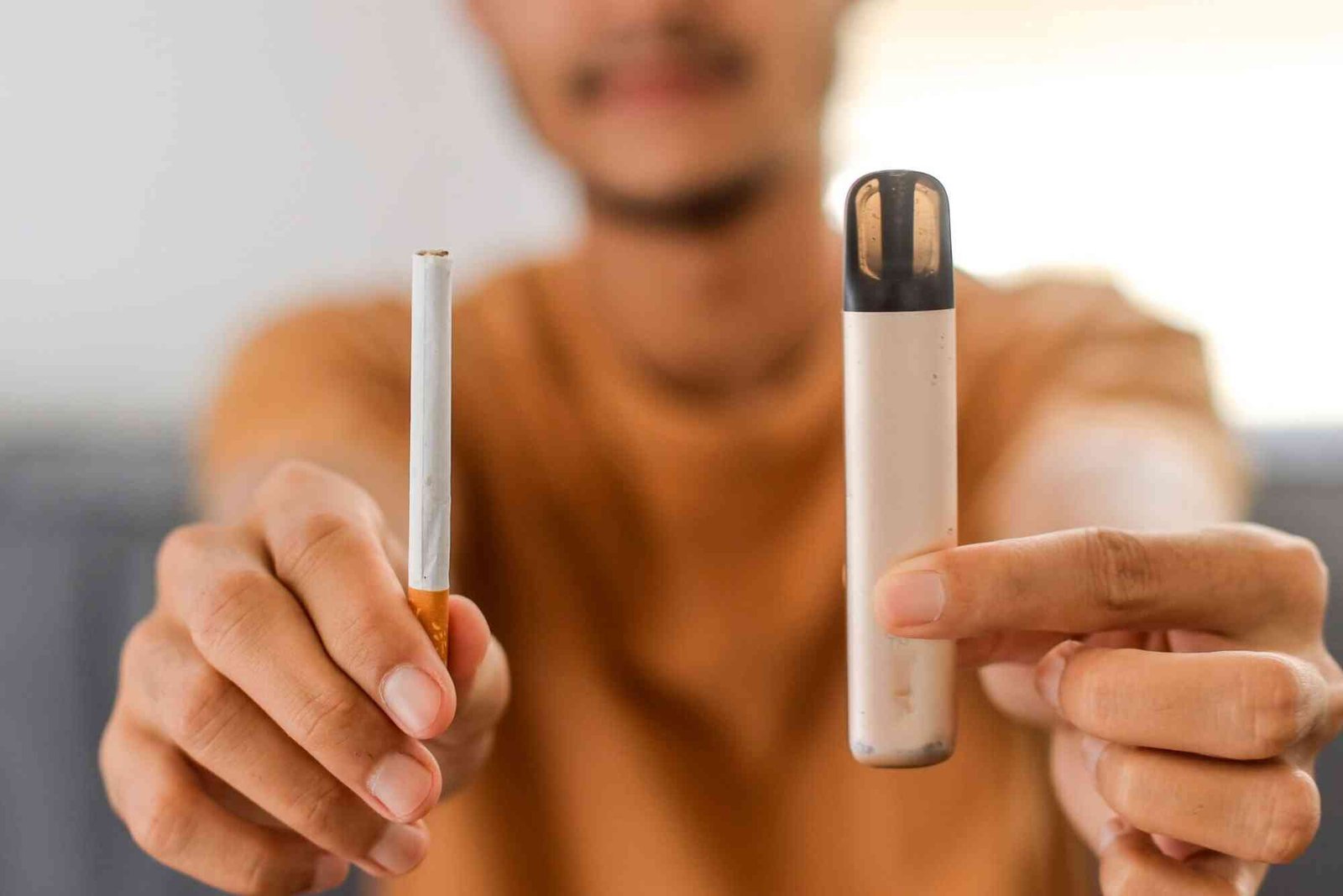
Harm reduction refers to strategies that minimize the negative health impacts associated with risky behaviours — in this case, smoking. Vaping is often cited as a harm reduction tool because it delivers nicotine without combustion.
Vaping vs Smoking — A Comparative View
Recent health research shows that vaping is generally less harmful than smoking cigarettes. Studies indicate that vaping exposes users to fewer toxic chemicals than tobacco smoke. However, this does not mean vaping is harmless. Nicotine is addictive, and inhaling aerosolized substances carries respiratory risks. Moreover, long‑term data on vaping effects are still emerging, which means policymakers must weigh incomplete evidence when making regulations.
Harm Reduction in Policy
When harm reduction is part of public health policy, governments encourage safer alternatives to smoking. In some regions, regulated vaping products are used as smoking cessation aids. Yet harm reduction also involves protecting vulnerable populations — especially youth — from starting nicotine use in the first place.
Why Disposable Vapes Like Hayati Face Legal Restrictions
Single‑Use Vape Ban Policies
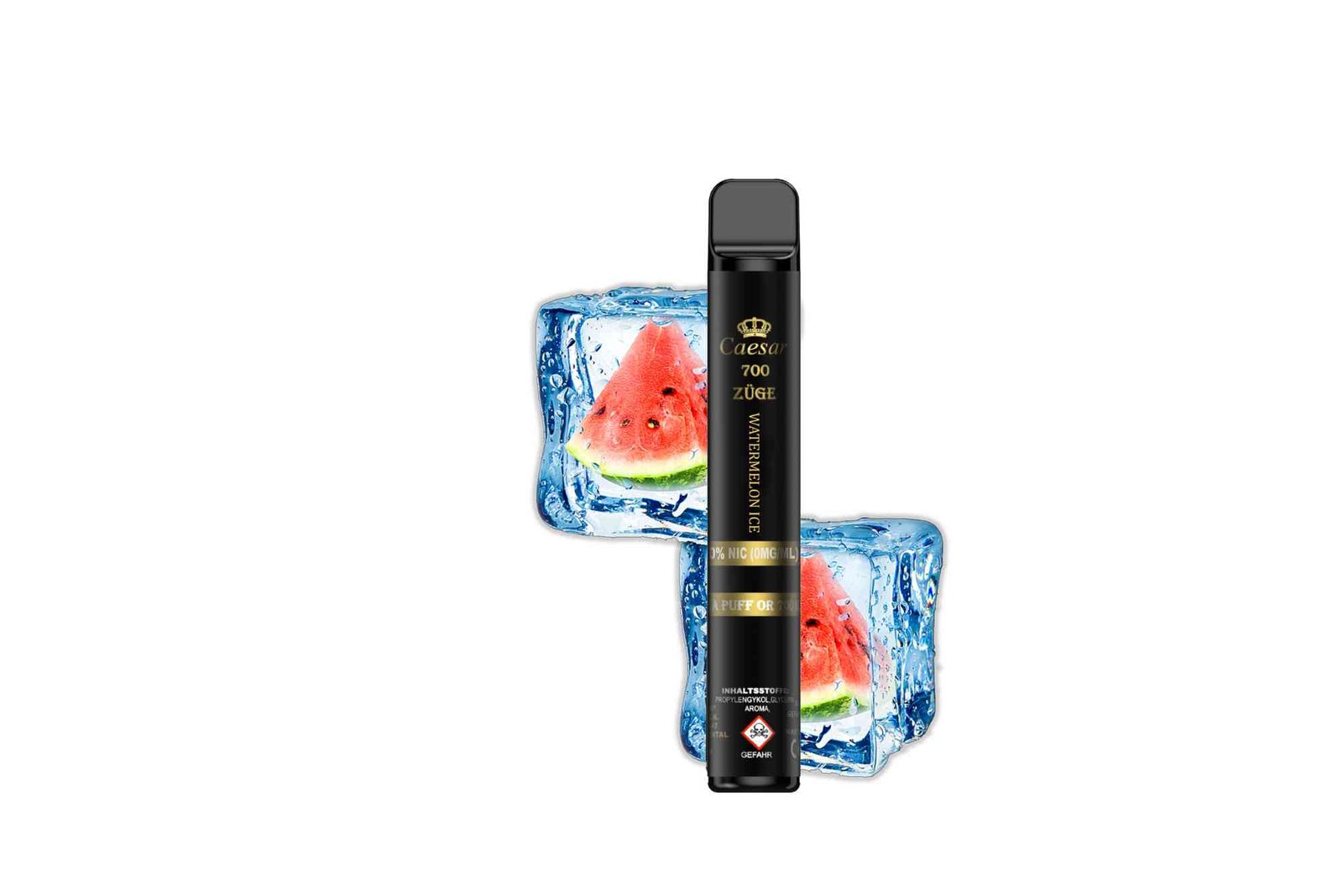
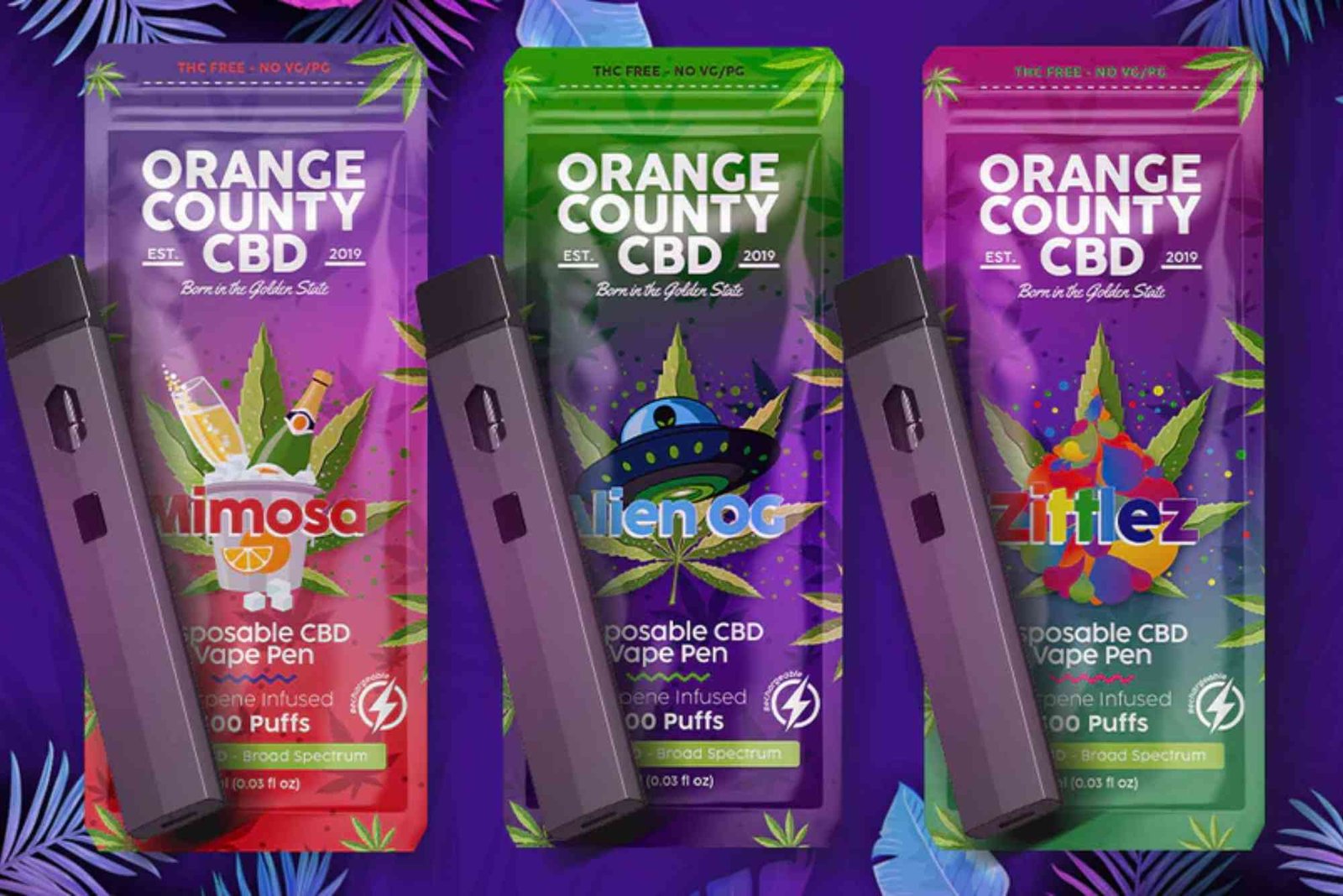
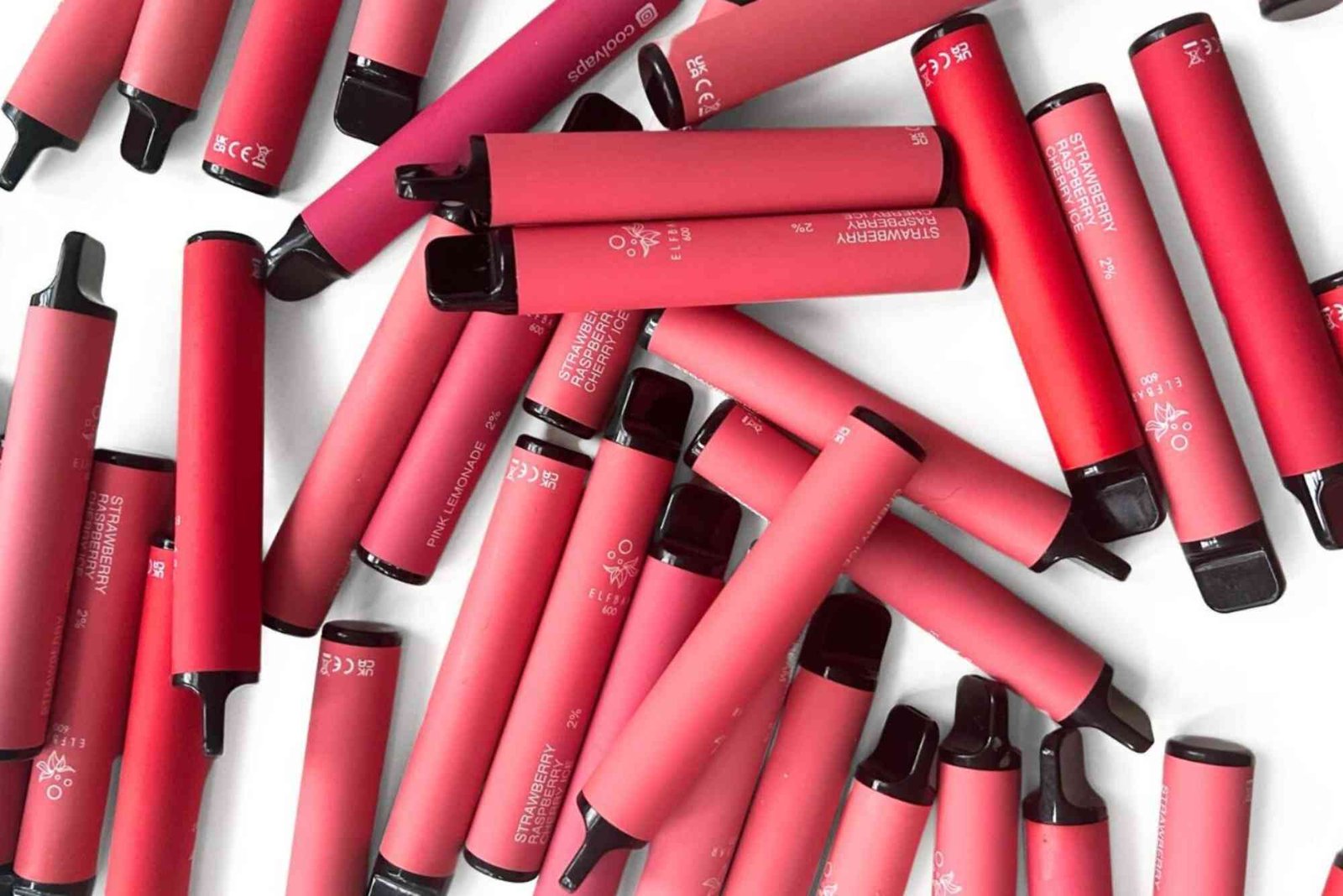
Many countries have banned the sale and supply of all single‑use or disposable vapes. This includes products that are not refillable or rechargeable, a category that covers many popular disposable vapes like certain Hayati devices. The ban aims to reduce environmental waste and curb youth vaping, key issues in public health and sustainability debates.
Environmental Issues Drive Regulation
Disposable vapes generate significant waste because millions are discarded each week. The electronic components — especially lithium batteries — pose recycling challenges and environmental hazards. Concerns about landfill pollution, chemical leaching, and resource waste played a major role in regulatory decisions.
Youth Vaping and Nicotine Addiction
Youth vaping rates have risen sharply in recent years. Disposable vapes are attractive to younger demographics because of their design, flavours, and convenience. Policymakers worry that easy access can lead to nicotine addiction among non‑smokers and teenagers. Restricting disposable products is one approach to tackling this trend.
Illegal Status and Harm Reduction — Why It Matters
Balancing Access for Adults and Protection for Youth
One of the trickiest parts of the harm reduction debate is balancing the needs of adult smokers who may benefit from vaping with the need to prevent young people from starting nicotine use. Policies that make certain devices illegal can inadvertently push users toward unregulated markets or discourage smokers from switching altogether. There’s no one‑size‑fits‑all solution, and this is where the status of products like hayati vapes illegal becomes a central concern. Striking a balance between safe access and preventing misuse is crucial.
The Risk of Unregulated or Black‑Market Products
When popular products are rendered illegal or hard to obtain legally, enforcement challenges arise. Users may turn to unregulated or counterfeit products, which can carry greater safety risks. This scenario can undermine harm reduction goals by exposing users to unsafe, untested alternatives. Historical outbreaks linked to illicit vaping products, including serious lung injury cases, highlight the dangers of unregulated products and influence regulatory reactions.
Public Perception and Policy Influence
The legality of certain vape products also shapes public perception. When governments ban or restrict certain devices, it signals caution about their safety. While this may discourage youth use, it can also create confusion about relative risks — especially for smokers who might benefit from switching to regulated vaping as a harm reduction measure.
Regulatory and Safety Alerts
It’s essential for consumers to stay informed of safety updates. Checking official alerts about product safety, including counterfeit and illegal brands, helps users navigate risks and protect themselves from unsafe products.
What This Means for the Future of Vaping and Harm Reduction
Innovation in Legal Alternatives
With the ban on single‑use disposable vapes, many manufacturers are innovating. Devices that are refillable and rechargeable remain legal in many regions and offer a compromise: they reduce waste while providing adults with nicotine alternatives.
Broader Public Health Goals
Policy makers now focus on creating comprehensive approaches that include education, age verification enforcement, and accessible cessation tools. A nuanced approach recognizes that vaping can be beneficial for current smokers while harmful to those who never smoked.
Navigating Complexity with Insight
The question of why hayati vapes illegal matters goes beyond a simple legal status. It sits at the heart of the harm reduction debate — a debate that asks tough questions about public health, youth protection, environmental responsibility, and personal choice. Understanding this FDA / product safety alerts — counterfeit & illegal brands complexity helps you make informed decisions and contributes to smarter discussions about tobacco alternatives and regulation. Stay informed and engaged, especially as regulations evolve and new harm reduction strategies emerge.
FAQs
Q: Are Hayati vapes banned everywhere?
Hayati disposable vapes are banned in certain countries where single‑use vape policies are in place.
Q: Can adults still use legally purchased disposables after the ban?
In many regions, existing products purchased before the ban can still be used, but sales and supply become illegal once the policy takes effect.
Q: What are safer alternatives to disposable vapes?
Refillable and rechargeable vape devices remain legal and are often better for long‑term use and environmental sustainability.
Q: Why is youth vaping a public health concern?
Youth vaping raises concerns about early nicotine addiction, unknown long‑term effects, and patterns of use that could normalize nicotine habits.
Q: Does banning disposable vapes reduce smoking rates?
The impact is mixed: some worry it may push smokers back to cigarettes, while others see it as key to reducing youth uptake. The broader harm reduction framework aims to balance these outcomes.