
Introduction
Vaping policy has become one of the most hotly debated public health issues in the United States. As we move through 2025, vapes in Kentucky 2025 are at the center of a complex discussion about what works best to reduce harm, protect youth, and support adult smokers who want to quit cigarettes. Kentucky’s approach matters beyond its borders and could shape the harm reduction conversation nationwide.
Introduction: Vaping Policy at a Crossroads
In 2025, Kentucky’s vaping rules highlight a broader national struggle over balancing youth protection with harm reduction for adults. The Commonwealth’s laws impact retailers, consumers, and public health advocates alike. Because Kentucky has high smoking and vaping rates compared to the national average, the choices it makes send ripples throughout public health policy circles.
Kentucky’s evolving regulations have been shaped by major legislative actions, which redefine how vape products can be sold by tying legality to U.S. Food and Drug Administration authorizations. These reforms have sparked controversy, legal challenges, and debate about whether stricter laws help or harm overall public health outcomes.
The Evolving Policy Landscape
The Rise of New Regulatory Standards
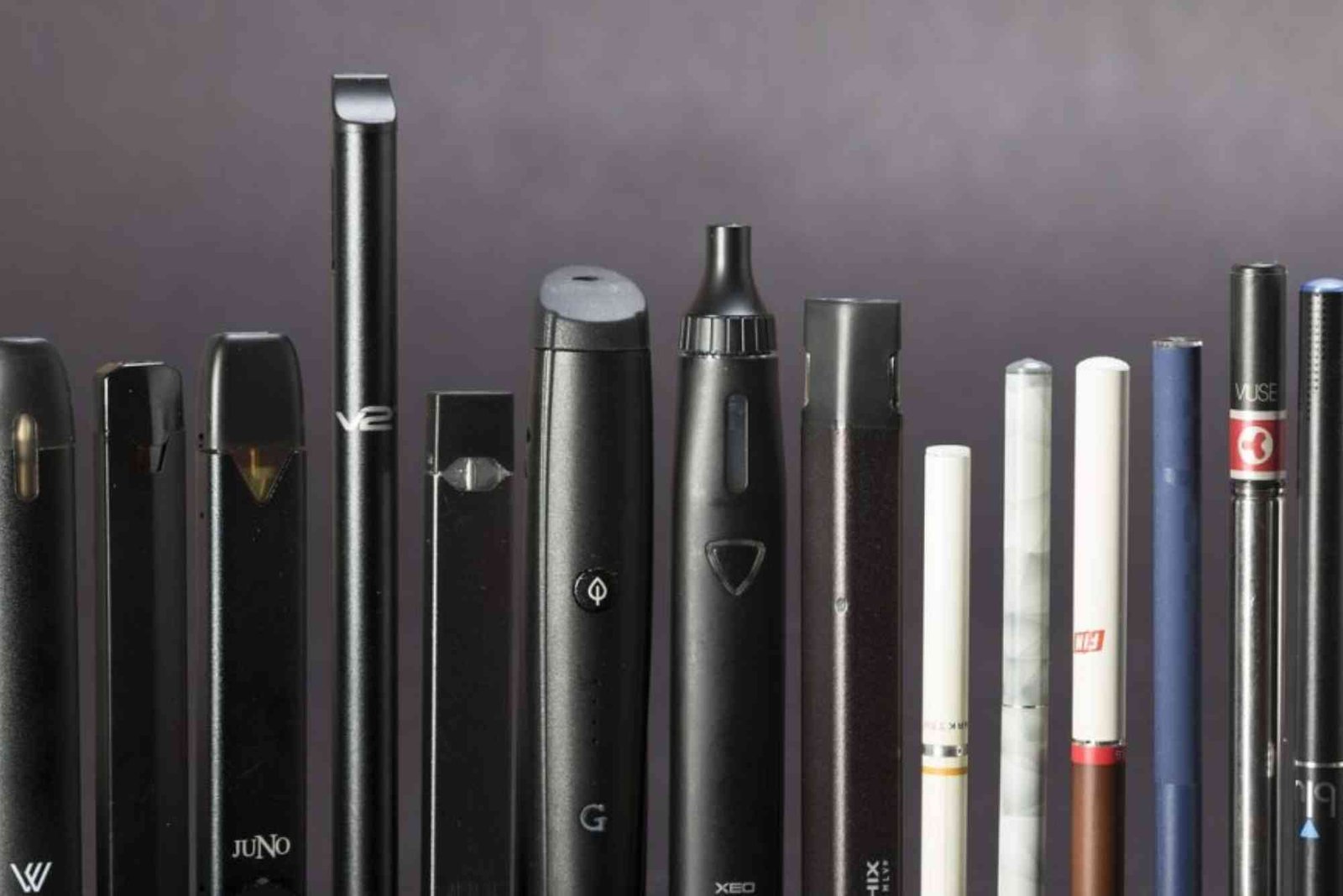
In 2025, Kentucky regulates vaping products by limiting sales to those with FDA authorization or products that were on the market before a specific regulatory deadline and have an active application or appeal. This measure dramatically reduces the number of products legally available.
This shift impacts small vape shops, manufacturers, and consumers. Supporters argue it protects youth from products marketed without proper authorization, while critics warn that removing adult-preferred products could push users back toward more harmful combustible cigarettes.
Licensing and Enforcement Measures
Another dimension of Kentucky’s vaping policy is increased regulatory oversight. Any retailer that sells tobacco, nicotine, or vaping products must obtain a state license. This requirement strengthens enforcement and sets the stage for compliance checks and penalties. Funds collected from violations support youth vaping prevention programs.
The National Context
Kentucky’s approach isn’t happening in isolation. Across the U.S., states are grappling with the tension between protecting minors and supporting adult smokers who might use vaping as a less harmful alternative. Some states impose flavor bans, others raise taxes, and many adopt more moderate paths like Kentucky’s new laws. What happens in the Bluegrass State shapes public health conversations nationwide.
Why This Matters for Harm Reduction
Protecting Youth While Supporting Adult Smokers
One central question in the harm reduction debate is whether policies can reduce youth vaping without discouraging adult smokers from switching to less harmful alternatives. Advocates fear that overly restrictive policies could inadvertently keep smokers tied to combustible cigarettes, which are far more dangerous. Kentucky’s approach plays directly into this tradeoff.
Market Effects and Consumer Behavior
By limiting vape products to those with FDA approval or safe harbor status, Kentucky has narrowed what consumers can legally purchase. While this reduces youth access to appealing flavors and products, it also limits adult options. Market contraction could push adult users to seek products illegally or return to smoking.
Public Health Messaging and Trust
Public health campaigns work best when clear and backed by evidence. Rapid policy shifts — such as removing popular adult products — can weaken trust among users who believe vaping helped them quit or reduce smoking. Policymakers must balance perceived safety against actual risk reduction, a challenge Kentucky demonstrates well.
Key Elements of Kentucky’s Vaping Policy in 2025
House Bill 11’s Impact
House Bill 11 fundamentally changed Kentucky’s vape market. Manufacturers must ensure products have FDA authorization or have applied for it by earlier deadlines. Without this, products cannot legally be sold. The result is a significant shift in product availability.
Age Restrictions and Public Use Limits
Kentucky requires purchasers of vaping products to be at least 21 years old, aligning with federal law. The state also prohibits vaping in certain public spaces, such as schools, state-owned buildings, and other designated areas. These rules aim to protect minors and non-users from involuntary nicotine exposure.
Licensing for Businesses
Retailers must obtain licenses to sell vape products. Routine inspections and a compliance database give regulators better tools to monitor adherence to vape laws, reduce illegal sales, and strengthen enforcement.
Voices in the Debate
Supporters of Strict Regulation
Supporters argue Kentucky’s policies protect children from nicotine addiction and curb underage vaping. Restricting the market to FDA-sanctioned products and strengthening enforcement helps make it harder for minors to access harmful products while keeping responsible adult use legal.
Critics and Harm Reduction Advocates
Opponents, including some retailers and harm Kentucky legislative tracker — 2025 vaping measures reduction advocates, counter that overly restrictive policies push adults back to smoking. While youth protection is critical, adults seeking less harmful alternatives should not be left behind. This highlights the core tension in harm reduction: balancing protection with access.
A Pivotal Moment for Policy and Public Health
Vapes in Kentucky 2025 matters because it sits at the crossroads of youth protection and harm reduction — two goals that sometimes pull in opposite directions. Kentucky’s evolving laws demonstrate the real-world challenges policymakers face when trying to protect public health while supporting adult smokers who want less harmful alternatives.
This debate isn’t unique to Kentucky. What happens here influences national conversations and the future direction of vaping policy across the United States. Stay informed about vaping policies in Kentucky. Follow legislative updates, engage in public health discussions, and advocate for strategies that balance youth protection with adult harm reduction. The choices made today will shape health outcomes for years to come.
FAQs
Are vapes legal in Kentucky in 2025?
Yes. Vapes are legal for adults aged 21 and older, but only products with proper authorization or certification can be sold.
What is Kentucky’s minimum age for vaping?
The state requires purchasers to be at least 21 years old, in line with federal law.
Why did Kentucky restrict vape products?
The state aims to curb youth vaping and ensure products on shelves meet regulatory standards, potentially reducing harm.
How do new vape laws impact small shops?
Smaller vape retailers may struggle with compliance, supply shortages, or licensing requirements under the 2025 legal framework.
Could Kentucky’s laws change again?
Yes. Legislators may propose modifications, including suspensions or amendments to vaping regulations, as the debate continues.