Introduction
Vaping has become a central topic in discussions about tobacco harm reduction. While traditional cigarettes carry well-documented health risks, vaping is often positioned as a less harmful alternative. However, the legal landscape surrounding vaping significantly influences its potential as a harm reduction tool. Understanding why vape law matters in the harm reduction debate requires examining public health, regulatory frameworks, and scientific evidence.
Understanding Vaping and Harm Reduction
What Is Harm Reduction?
Harm reduction is a public health strategy designed to minimize negative outcomes of risky behaviors rather than eliminate the behaviors entirely. In tobacco use, harm reduction focuses on reducing exposure to toxic substances found in combustible cigarettes. Vaping, which delivers nicotine without burning tobacco, is often cited as a viable harm reduction approach.
Vaping vs. Traditional Smoking
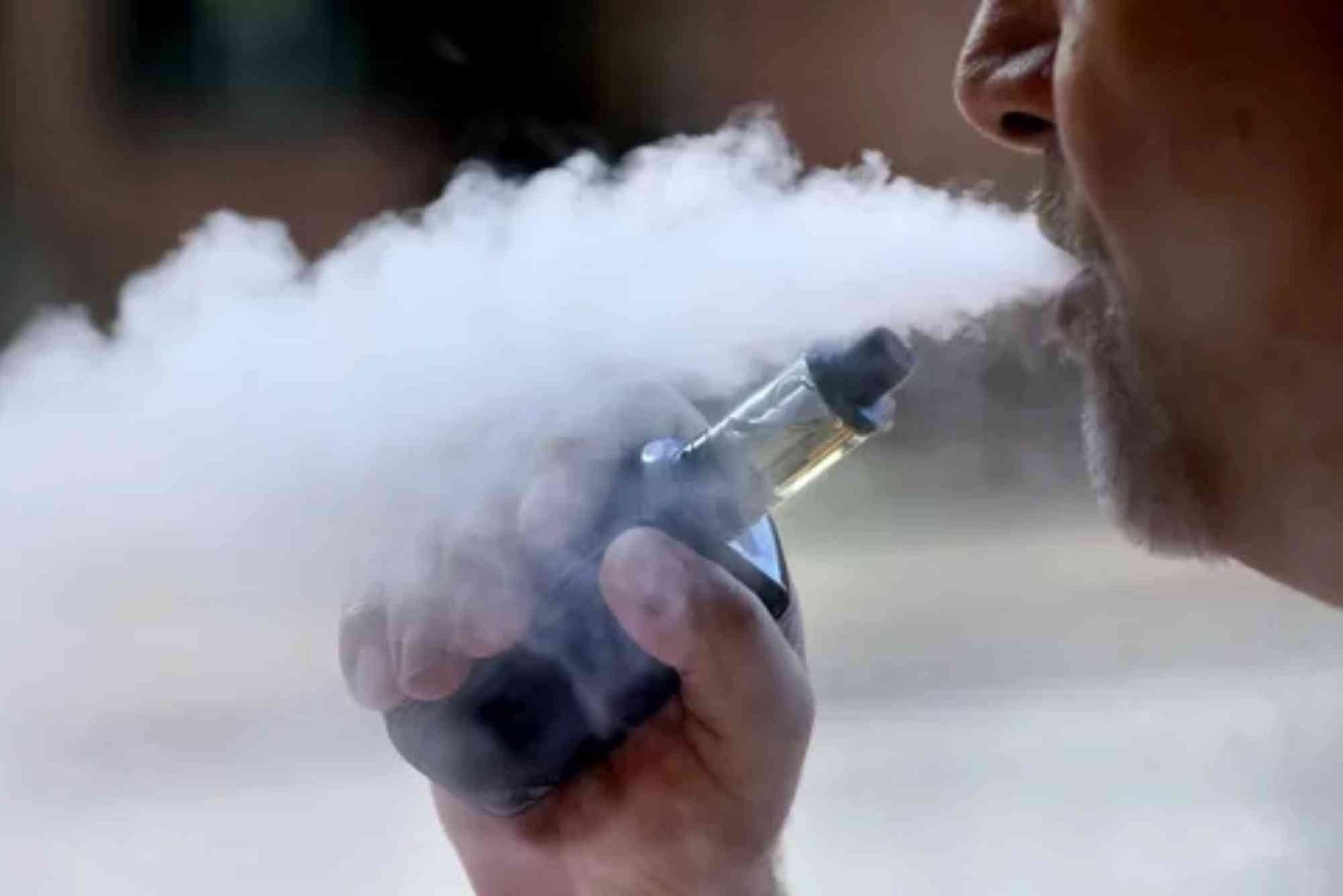
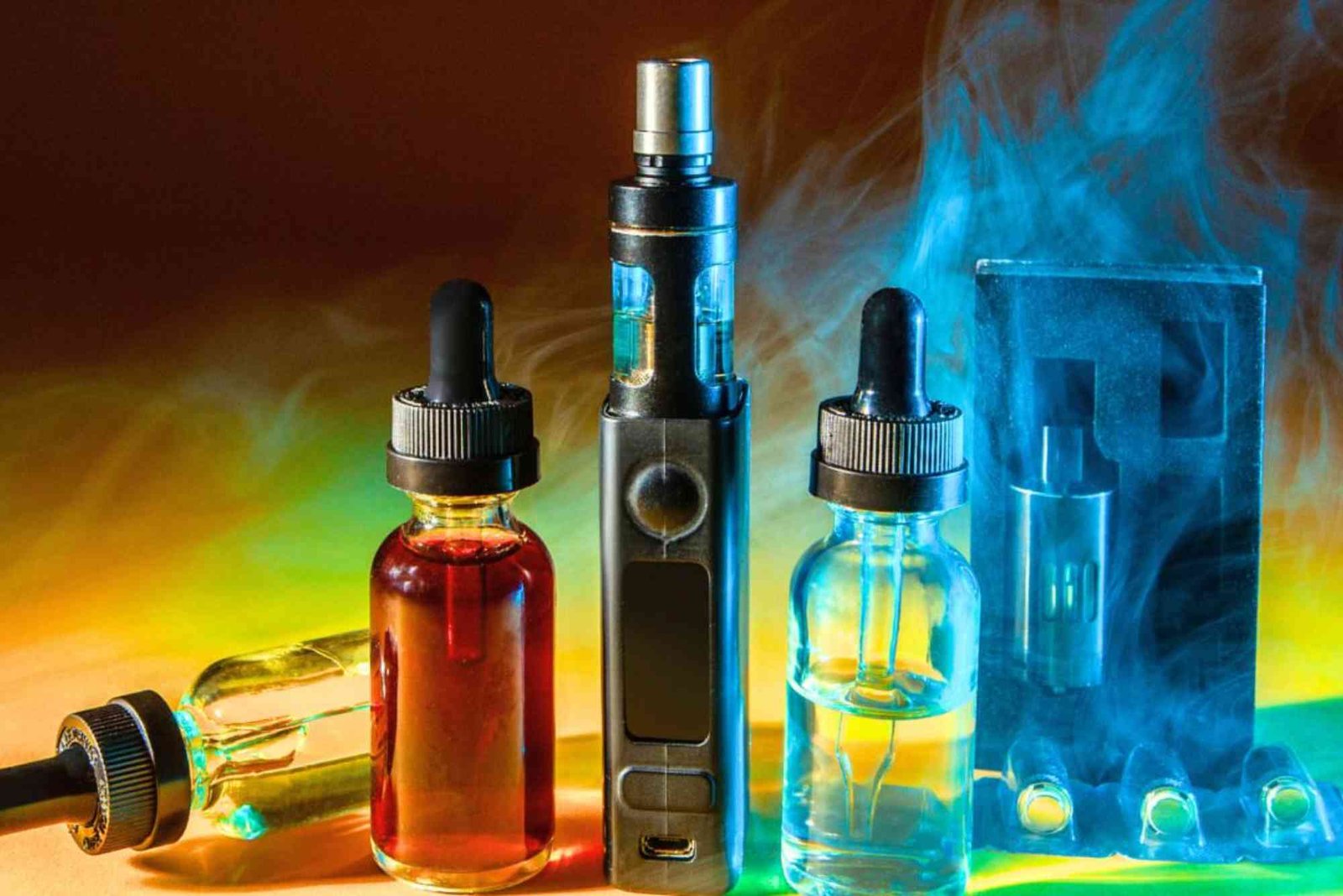
Vaping devices heat a liquid containing nicotine, flavorings, and other chemicals to produce vapor. Unlike traditional cigarettes, vaping eliminates combustion, significantly reducing harmful byproducts such as tar and carbon monoxide. Scientific reviews, including those in the Cochrane Library — evidence reviews on vaping for cessation, suggest that vaping can help smokers quit or reduce cigarette consumption.
Why Vape Laws Are Critical
Protecting Public Health
Vape laws regulate the sale, marketing, and use of vaping products. These regulations aim to prevent underage access, reduce potential health risks, and ensure product quality. Without laws, there is a risk of unregulated products flooding the market, some containing dangerous additives or inconsistent nicotine levels.
Supporting Smoking Cessation Efforts
Regulated vaping products can serve as effective tools for smokers seeking alternatives. Countries with clear vape laws often see more structured access to safer alternatives. By contrast, restrictive or unclear regulations may push smokers back to combustible tobacco, undermining harm reduction efforts.
Balancing Youth Protection and Adult Access
Lawmakers face the challenge of preventing youth initiation while maintaining adult access for harm reduction purposes. Policies such as age restrictions, marketing limits, and flavor regulations attempt to strike this balance. Strong evidence shows that youth are more likely to experiment with flavored products, making regulation critical to avoid creating a new generation of nicotine users.
Evidence-Based Impacts of Vaping Laws
International Case Studies
In the UK, regulated access to vaping products alongside public health campaigns has contributed to declining smoking rates. By contrast, countries with strict bans often see unintended consequences, such as black-market sales or continued smoking prevalence.
Scientific Reviews
Multiple studies highlight vaping’s potential to reduce harm when used as an alternative to smoking. The Cochrane Library — evidence reviews on vaping for cessation notes that nicotine-containing e-cigarettes can increase the likelihood of quitting compared to non-nicotine alternatives or no intervention. These findings underscore the importance of laws that facilitate safe access while minimizing risks.
Regulatory Challenges
Despite evidence supporting harm reduction, vape laws vary widely. Inconsistent labeling, lack of quality control, and unclear legal frameworks can reduce trust in vaping as a safer alternative. Laws must evolve alongside scientific research to ensure they protect public health without discouraging smokers from switching to less harmful products.
Economic and Social Considerations
Market Regulation
Vaping regulations influence market dynamics, pricing, and availability. Transparent laws prevent counterfeit or unsafe products and support legitimate businesses that provide safer alternatives to smoking.
Health System Impact
Reduced smoking rates translate to lower healthcare costs and fewer smoking-related illnesses. Vape laws that encourage harm reduction can alleviate public health burdens while promoting safer nicotine use.
Public Perception
Legal clarity shapes public understanding of vaping. When vaping is heavily restricted or stigmatized, potential harm reduction benefits may be misunderstood. Clear laws and educational campaigns are essential to communicate both risks and benefits accurately.
Vape law is a pivotal factor in the harm reduction debate. Thoughtful regulation protects public health, prevents youth initiation, and supports smokers seeking safer alternatives. Evidence from global case studies and scientific reviews, including the Cochrane Library — evidence reviews on vaping for cessation, confirms that regulated vaping can reduce harm compared to traditional smoking. As the conversation about nicotine use evolves, well-crafted laws are essential for maximizing benefits and minimizing risks.
FAQs
Is vaping safer than smoking?
Yes. While not risk-free, vaping eliminates combustion and harmful chemicals present in cigarettes, reducing overall health risks.
Can vaping help me quit smoking?
Evidence suggests that nicotine-containing e-cigarettes can aid smoking cessation, particularly when combined with behavioral support.
Are there age restrictions for vaping?
Most countries restrict vaping to adults, typically 18 or older, to prevent youth initiation.
What are the risks of unregulated vaping products?
Unregulated products may contain harmful chemicals, inconsistent nicotine levels, or counterfeit components, increasing health risks.
How do vape laws affect harm reduction?
Clear, evidence-based vape laws support adult access to safer alternatives while preventing youth initiation, maximizing harm reduction benefits.