Introduction
Vaping has become a widely discussed alternative to smoking, offering smokers a potential path to reduce harm. In the UK, vape tank laws are an essential part of this discussion. These regulations do not just control device specifications; they influence public health, consumer safety, and the broader harm reduction strategy. Understanding why UK vape tank law matters is critical for anyone invested in tobacco harm reduction.
The Foundation of UK Vape Tank Law
UK vaping regulations are rooted in the European Union’s Tobacco Products Directive (TPD). Although the UK left the EU, it retained much of this legislation, which governs the design, sale, and marketing of vaping devices.
European Commission — TPD Device Capacity & Tank Rules
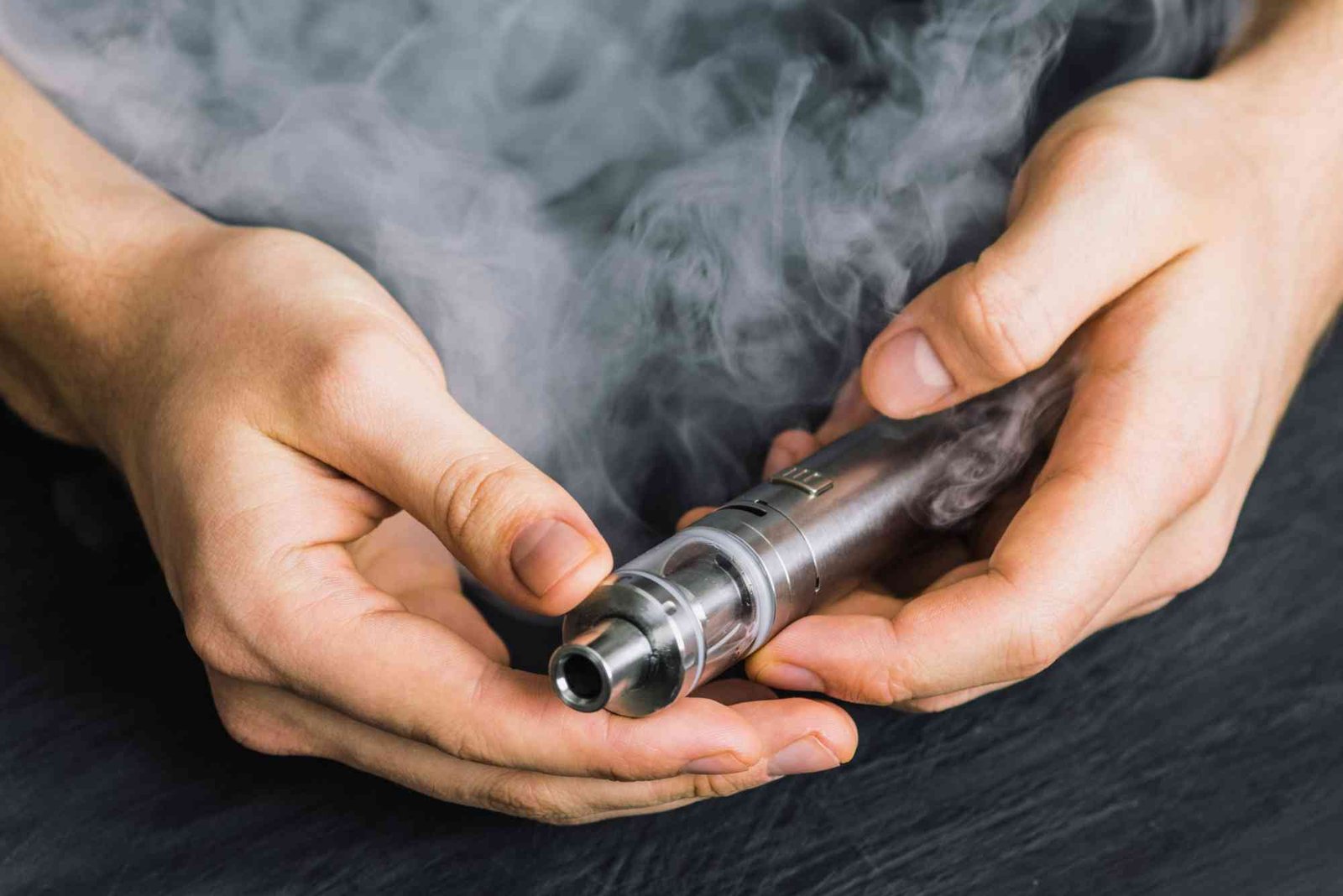
The TPD sets strict limits on tank size and e-liquid capacity. Tanks in the UK cannot exceed 2ml in volume, and nicotine-containing e-liquids are capped at 20mg/ml. These limits aim to prevent excessive nicotine intake and reduce risks associated with overconsumption. The official legislation can be explored in detail through the European Commission — TPD device capacity & tank rules.
Safety and Consumer Protection
Limiting tank size is not arbitrary. Smaller tanks reduce the risk of leaks, overheating, and accidental ingestion. The law also ensures consistent labeling and childproof mechanisms. For new vapers, this reduces the learning curve and lowers the chance of harm, supporting a safer transition from combustible cigarettes.
How Tank Laws Shape Harm Reduction
Harm reduction focuses on minimizing the health risks of smoking without necessarily eliminating nicotine use. Vape tank laws play a significant role in this context.
Encouraging Responsible Vaping
By capping tank size and nicotine levels, laws encourage users to monitor intake more carefully. Users are less likely to develop excessive nicotine dependence, aligning with harm reduction goals. This also supports public health campaigns promoting measured and informed vaping.
Supporting Smokers in Quitting
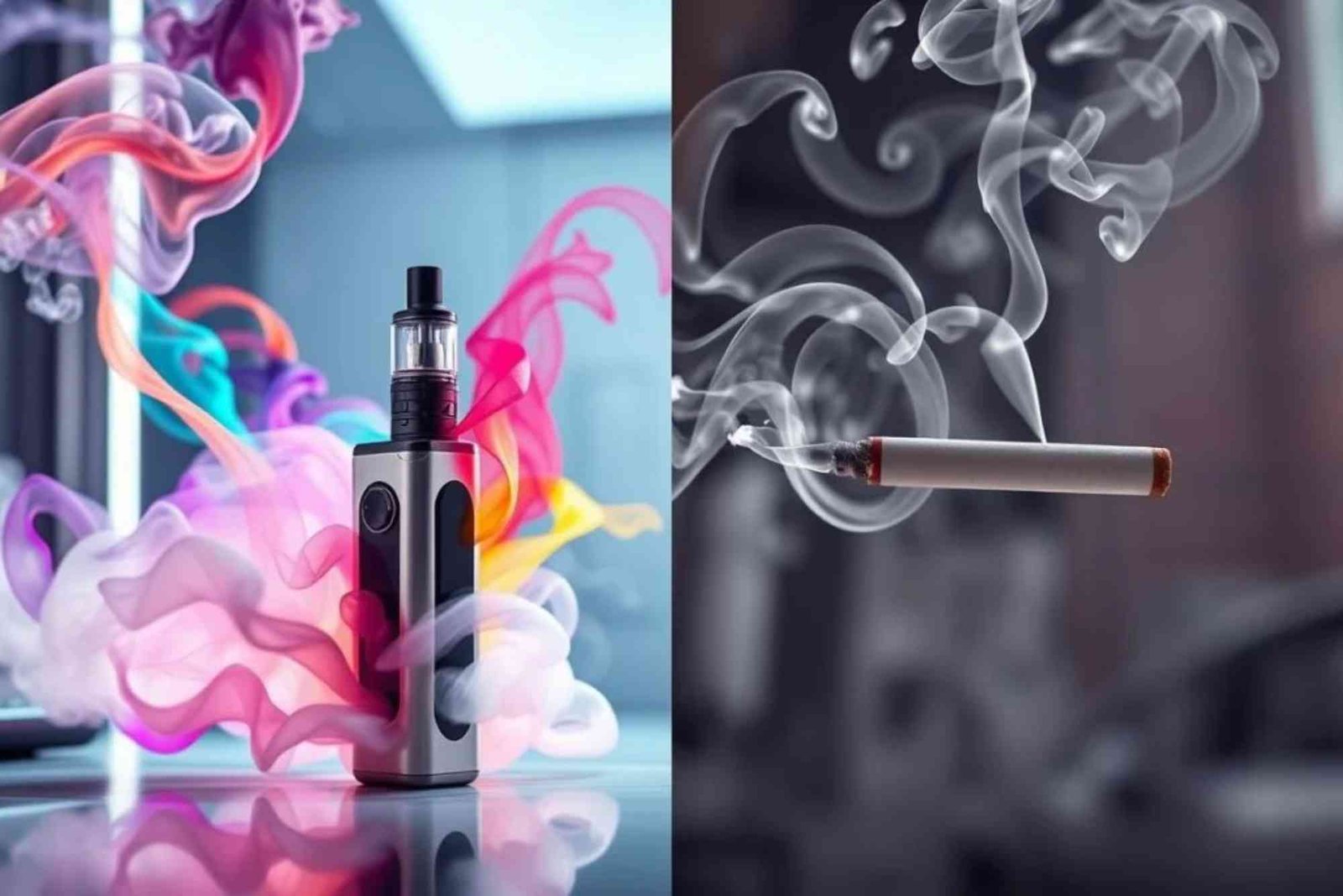
UK vape tank laws make devices less intimidating and more standardized. Smokers trying to quit can access safer, regulated devices that reduce exposure to harmful chemicals. Evidence from Public Health England suggests that vaping is significantly less harmful than smoking, and regulated devices reinforce this advantage.
Balancing Innovation and Safety
Critics argue that strict regulations could stifle innovation. Advanced vapers may prefer larger tanks for convenience and customization. However, the law balances innovation with safety. Manufacturers still innovate within legal limits, ensuring product development while protecting consumers.
Public Health Implications
UK vape tank law impacts not only individual vapers but the broader population.
Reducing Youth Exposure
Smaller, regulated tanks are less likely to appeal to minors. Clear labeling, childproof caps, and nicotine limits help prevent accidental youth use. Reducing youth exposure is a central goal in the harm reduction debate.
Monitoring and Research
Regulated devices allow health authorities to track usage patterns and potential risks. With standardized tanks and e-liquids, research can more accurately assess the health impacts of vaping, informing future policy and public health strategies.
Economic and Social Considerations
Vape tank laws also affect the market and society.
Supporting Legal Market Growth
Regulations ensure that only compliant products are sold. This discourages black-market vaping products, which can be unsafe or contain unverified ingredients. A legal, regulated market helps build consumer trust and supports harm reduction.
Societal Perception
Strict regulations signal that vaping is treated seriously, not casually. This can improve public perception, encouraging adult smokers to switch to safer alternatives rather than continuing to smoke traditional cigarettes.
Challenges and Criticisms
Despite the benefits, UK vape tank law faces criticism.
Limited User Flexibility
Some vapers find the 2ml limit restrictive, particularly for heavy users. This can lead to more frequent refills and inconvenience, potentially discouraging harm reduction for committed smokers.
Black Market Risks
Strict limits may unintentionally push some users toward unregulated markets. Illegal tanks and e-liquids can pose greater health risks than compliant devices, undermining harm reduction efforts.
Balancing Public Health with Freedom
Policymakers must balance public health with personal choice. Too much restriction may alienate adult smokers, while too little could increase health risks for youth and non-smokers.
UK vape tank laws are more than technical regulations. They are a central tool in the harm reduction debate, promoting safer vaping, protecting youth, and supporting public health research. While challenges remain, these laws help smokers transition to less harmful alternatives and encourage responsible vaping practices.
Vapers, health advocates, and policymakers must understand the importance of these regulations. Compliance and informed use of regulated devices not only protect individuals but strengthen the overall harm reduction framework in the UK.
Stay informed about UK vaping laws and choose regulated devices to support safer, responsible vaping. Explore the European Commission — TPD device capacity & tank rules for detailed guidance.
FAQs
What is the legal tank size for vapes in the UK?
The maximum legal tank size is 2ml, according to TPD-derived regulations.
Are high-nicotine tanks allowed in the UK?
No, e-liquids cannot exceed 20mg/ml nicotine concentration.
Why does tank size matter for harm reduction?
Smaller tanks reduce the risk of overconsumption, leaks, and accidental exposure, supporting safer vaping.
Can larger tanks be used legally?
Larger tanks are illegal unless used with nicotine-free e-liquids that comply with other safety standards.
How do UK laws prevent youth vaping?
Childproof caps, labeling requirements, and nicotine limits help reduce accidental and intentional youth use.
Do vape tank laws affect quitting success?
Yes, regulated, safe devices make transitioning from smoking to vaping easier and less risky.