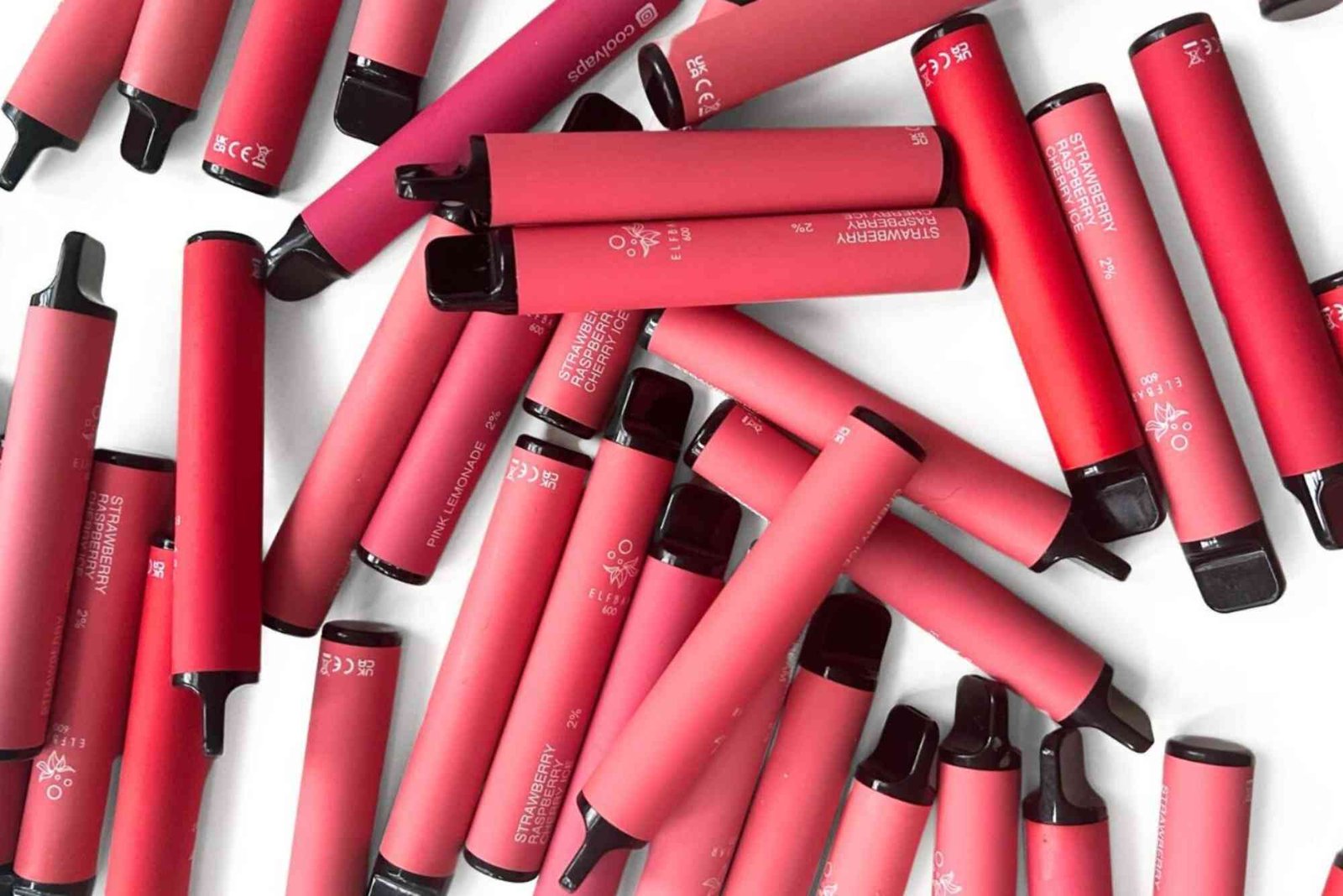

Introduction
Vaping has emerged as a significant topic in public health discussions, especially as governments weigh policies that balance safety, accessibility, and harm reduction. In Pennsylvania, vape laws are more than just legal regulations—they play a central role in shaping the harm reduction debate. Understanding these laws helps residents, policymakers, and public health advocates navigate vaping’s risks and benefits effectively.
The Context of Vaping and Harm Reduction
Harm reduction refers to strategies that minimize the negative health impacts of risky behaviors without necessarily eliminating the behavior. For smokers, vaping offers an alternative to combustible cigarettes, potentially reducing exposure to harmful chemicals.
How Vaping Supports Harm Reduction
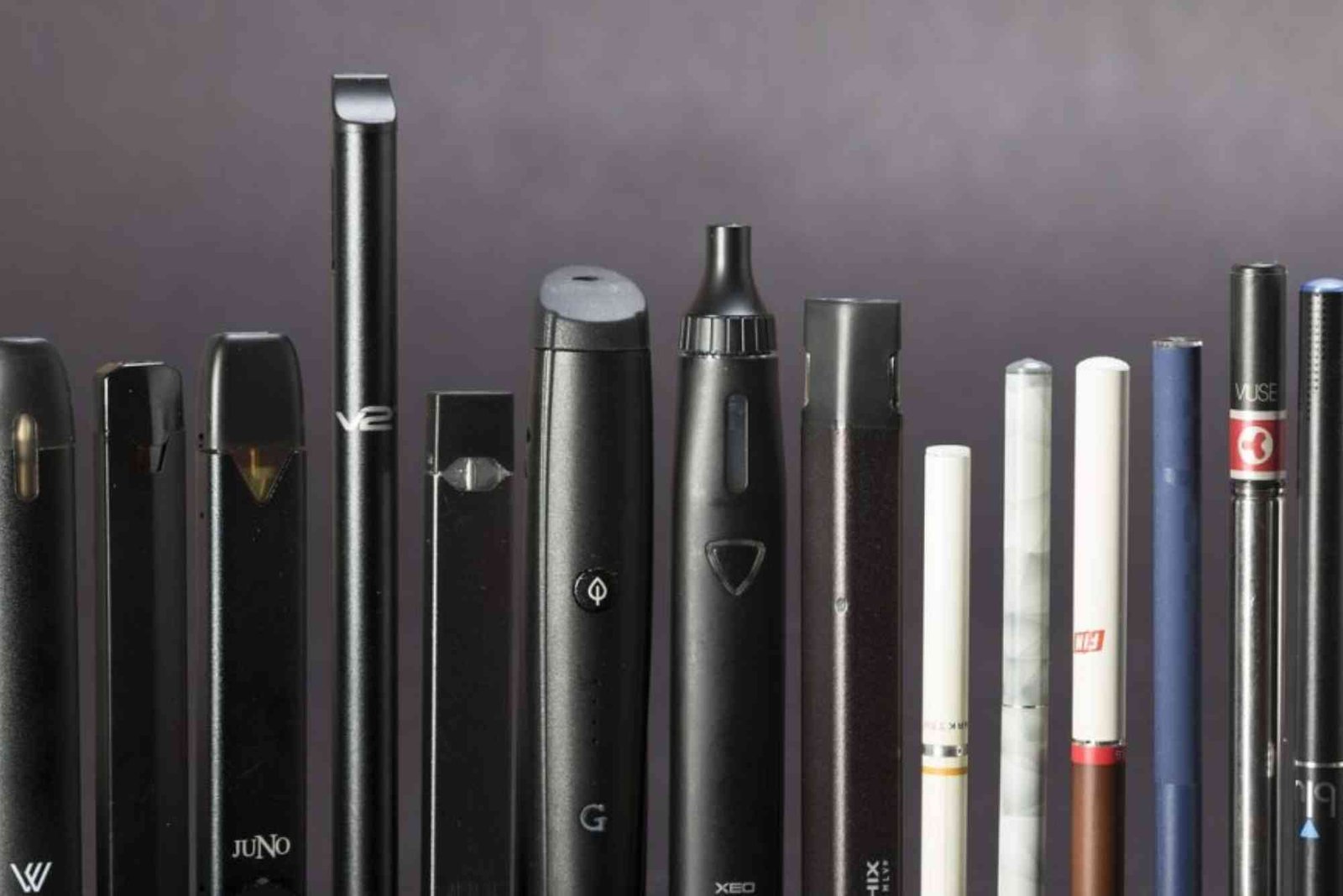
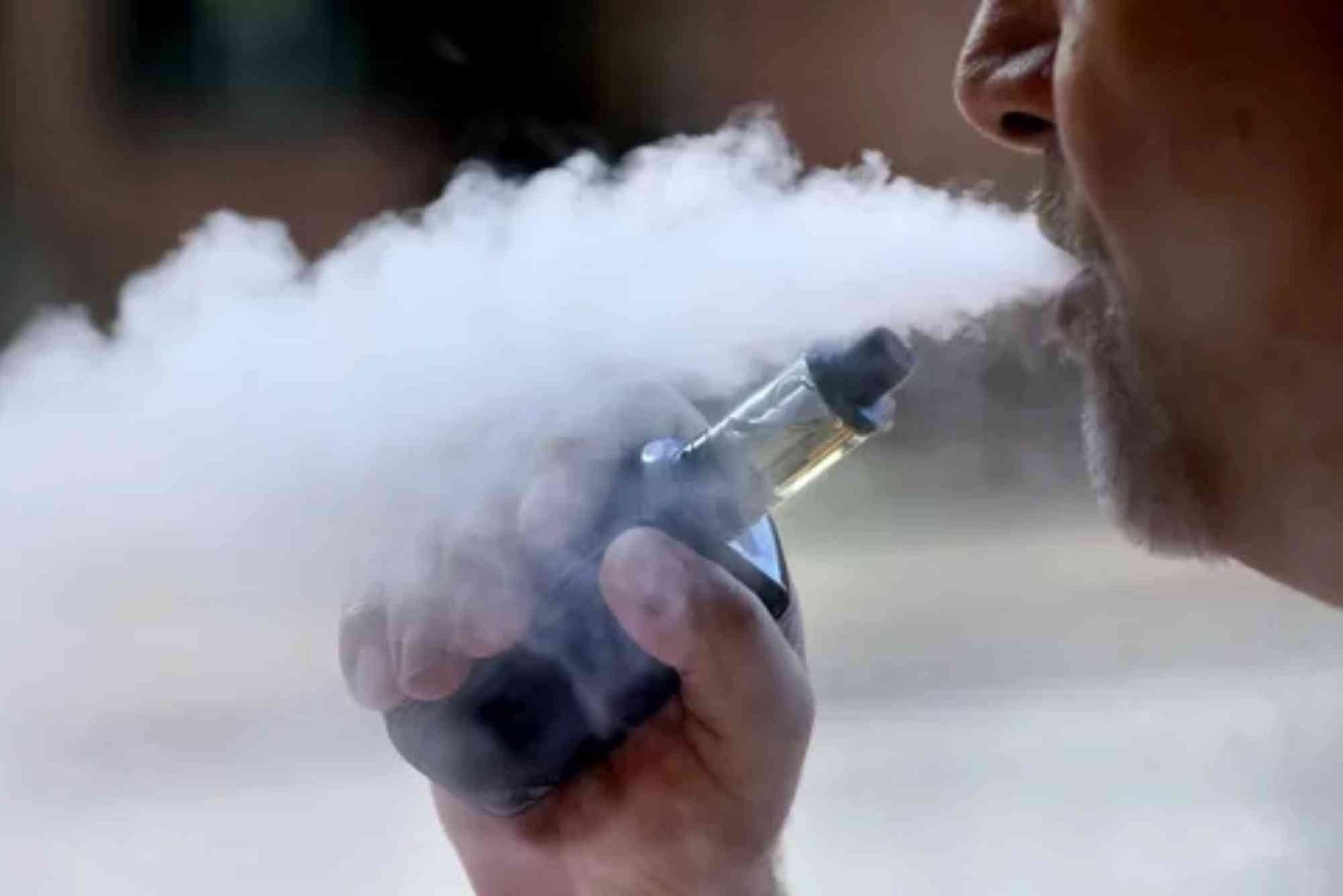
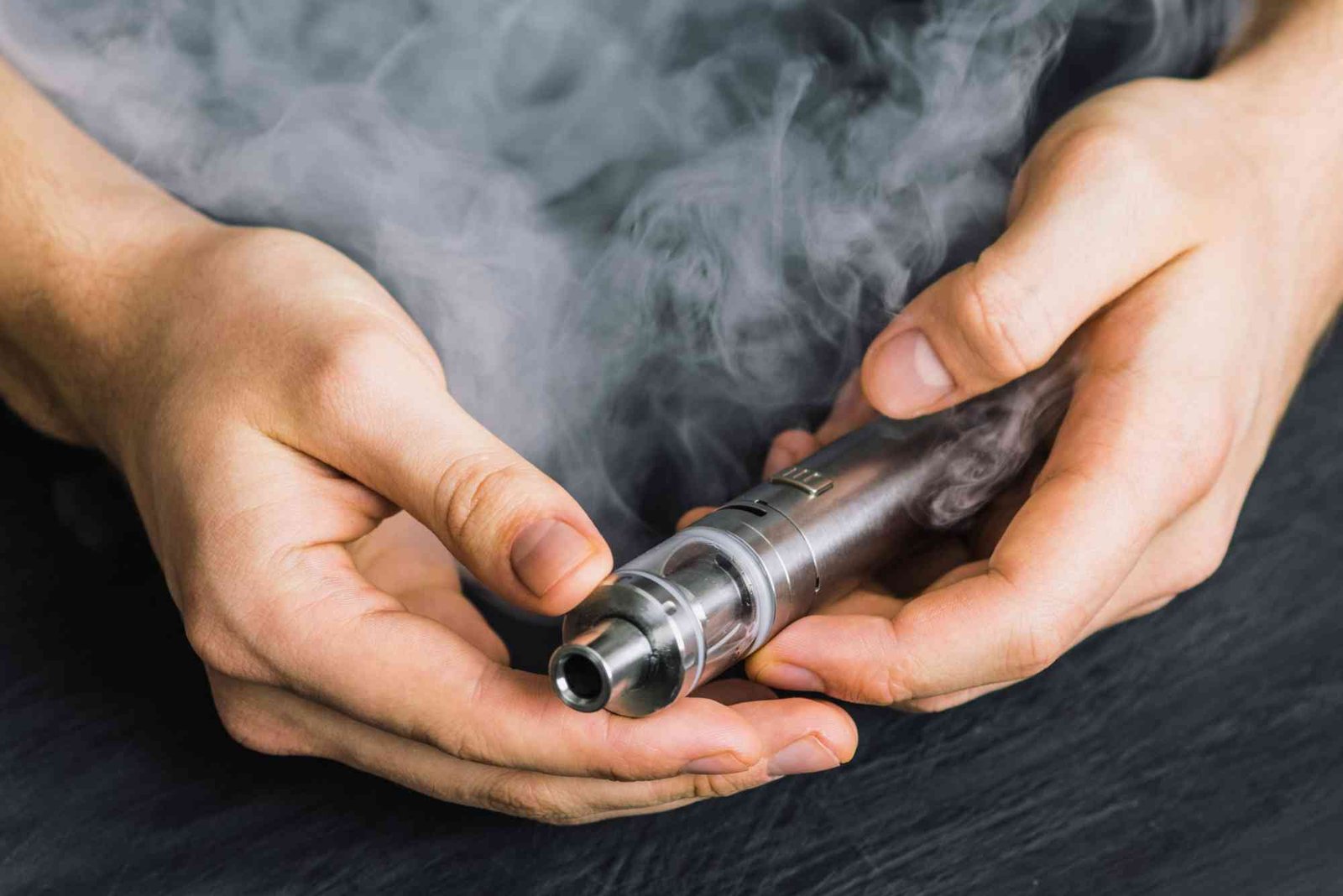
Vaping devices heat a liquid solution containing nicotine without burning tobacco. This reduces the production of tar and other harmful byproducts typical of traditional smoking. Studies suggest that while vaping is not risk-free, it presents fewer health dangers than conventional cigarettes. Pennsylvania vape law intersects directly with this harm reduction principle.
Public Health and Regulatory Balance
Lawmakers in Pennsylvania aim to balance public health goals with consumer freedom. Overly restrictive policies may push adults back to smoking, while lax regulations risk increasing youth access to vaping products. Proper legislation ensures that vaping remains a safer option for adults who are already smokers while limiting potential harm to minors.
Key Provisions of Pennsylvania Vape Law
Pennsylvania has enacted laws targeting the sale, distribution, and use of vaping products. These statutes, shaped by the Pennsylvania General Assembly — vaping statutes, establish rules that impact both public health and consumer behavior.
Age Restrictions and Retail Compliance
The law strictly prohibits the sale of vaping products to anyone under 21. Retailers must verify age, maintain records, and comply with inspection requirements. These regulations reduce youth access while encouraging responsible use among adults.
Product Labeling and Safety Standards
Manufacturers must follow strict labeling guidelines that disclose ingredients and nicotine content. Pennsylvania vape law mandates child-resistant packaging and accurate health warnings, aligning with harm reduction principles by informing consumers of potential risks without banning access entirely.
Taxation and Market Impact
Pennsylvania imposes excise taxes on vaping products, similar to cigarette taxes. While taxation generates revenue and discourages excessive use, it also raises concerns about affordability for adult smokers switching to vaping. Effective lawmaking requires balancing fiscal policy with public health goals.
The Harm Reduction Debate in Pennsylvania
The state’s vape laws are at the center of a broader debate about harm reduction strategies. Advocates and critics often clash over the role of vaping in public health.
Advocates’ Perspective
Supporters argue that vape laws promote safer alternatives to smoking. By regulating quality, access, and information, legislation ensures that adult smokers can make informed choices. They contend that strict bans could unintentionally harm public health by driving smokers back to combustible tobacco.
Critics’ Concerns
Critics worry that vape laws, if too lenient, might normalize nicotine use among youth. They point to trends in teen vaping and caution that early nicotine exposure can create long-term addiction risks. The challenge is creating laws that protect young people while not penalizing adult smokers seeking safer alternatives.
Pennsylvania Vape Law in Practice
The enforcement of vape laws in Pennsylvania demonstrates how policy shapes public health outcomes.
Retail Inspections and Compliance Checks
State agencies conduct routine inspections to ensure compliance with age restrictions and labeling requirements. Noncompliant retailers face fines or license suspensions, reinforcing responsible distribution practices.
Educational Initiatives
Public health campaigns complement legislation, educating residents about the risks and benefits of vaping. Awareness programs target both youth and adults, ensuring that harm reduction strategies are practical and widely understood.
Case Studies and Data
Research from Pennsylvania indicates that stricter regulations, combined with education, can reduce youth vaping rates while maintaining adult access. These findings underscore the importance of law enforcement, public awareness, and policy design working together to achieve harm reduction goals.
Navigating the Legal Landscape
Understanding Pennsylvania vape law is crucial for retailers, consumers, and public health advocates. Staying informed about changes in legislation helps ensure compliance and supports harm reduction objectives.
Resources for Residents
The Pennsylvania General Assembly — vaping statutes provides official updates, including amendments and new regulatory guidance. Regularly consulting these resources ensures accurate knowledge of rights, responsibilities, and limitations.
Staying Ahead of Policy Changes
Vape laws evolve as scientific evidence, public health data, and political priorities change. Active engagement with policymakers, community health programs, and advocacy groups allows stakeholders to influence legislation constructively.
Pennsylvania vape law plays a critical role in the harm reduction debate. By regulating access, ensuring product safety, and educating the public, the state creates a framework where adult smokers can transition to safer alternatives while minimizing youth exposure. Understanding these laws is essential for making informed choices and supporting public health strategies.
Take action today: stay informed about Pennsylvania vape regulations, share awareness, and advocate for policies that balance safety, harm reduction, and adult freedom.
FAQs
Is vaping legal in Pennsylvania?
Yes, vaping is legal for adults 21 and older under Pennsylvania law.
Where can I find Pennsylvania vape laws?
Official statutes are available at the Pennsylvania General Assembly — vaping statutes.
Are there age restrictions for buying vape products?
Yes, you must be 21 or older to purchase vaping products in Pennsylvania.
Does Pennsylvania tax vaping products?
Yes, vaping products are subject to excise taxes similar to tobacco products.
Are vaping products safer than cigarettes?
While not risk-free, vaping is generally considered less harmful than smoking combustible cigarettes, supporting harm reduction.
Can vape laws prevent youth vaping?
Age restrictions, retail compliance, and educational programs help reduce youth access and usage.
How often do vaping laws change in Pennsylvania?
Laws may be updated based on public health research, political priorities, or federal regulations, so regular review is essential.