
Introduction
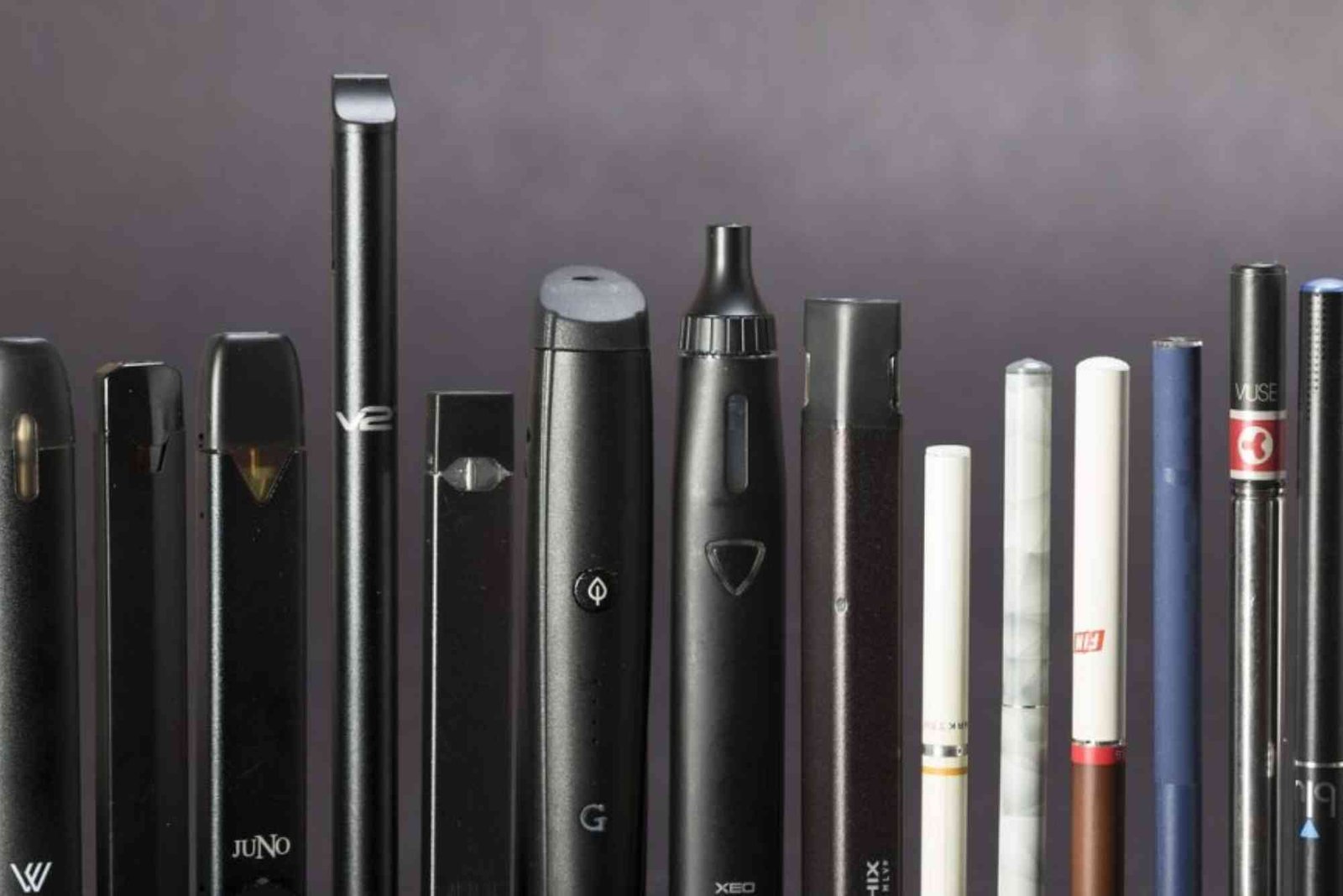
Vaping has become a prominent alternative to traditional smoking worldwide. In Mexico, the 2017 vape laws sparked significant discussions around public health and harm reduction. Understanding these laws is critical for anyone interested in tobacco control, regulatory frameworks, and safer alternatives for smokers. This article delves deep into why Mexico vape laws 2017 matter in the harm reduction debate, offering insights for policymakers, public health advocates, and consumers.
Mexico Vape Laws 2017
In 2017, the Mexico Secretaría de Salud — 2017 regulatory updates introduced stricter controls on electronic cigarettes and vape products. These laws were designed to limit access, especially among minors, while ensuring that products meet safety standards. At the core of these regulations is a public health goal: reducing smoking-related harm through controlled alternatives.
The laws also reflect Mexico’s commitment to harmonizing with global tobacco control strategies. With a growing population of smokers seeking alternatives, vape regulations have become a pivotal part of the harm reduction debate.
Key Components of Mexico Vape Laws 2017
Age Restrictions and Sales Limitations
The 2017 laws prohibit the sale of e-cigarettes and vape products to individuals under 18. Retailers are required to verify age through valid identification. This measure targets youth prevention, which is central to harm reduction strategies. By limiting access to minors, Mexico aims to reduce the likelihood of early nicotine addiction and long-term health consequences.
Product Standards and Labeling
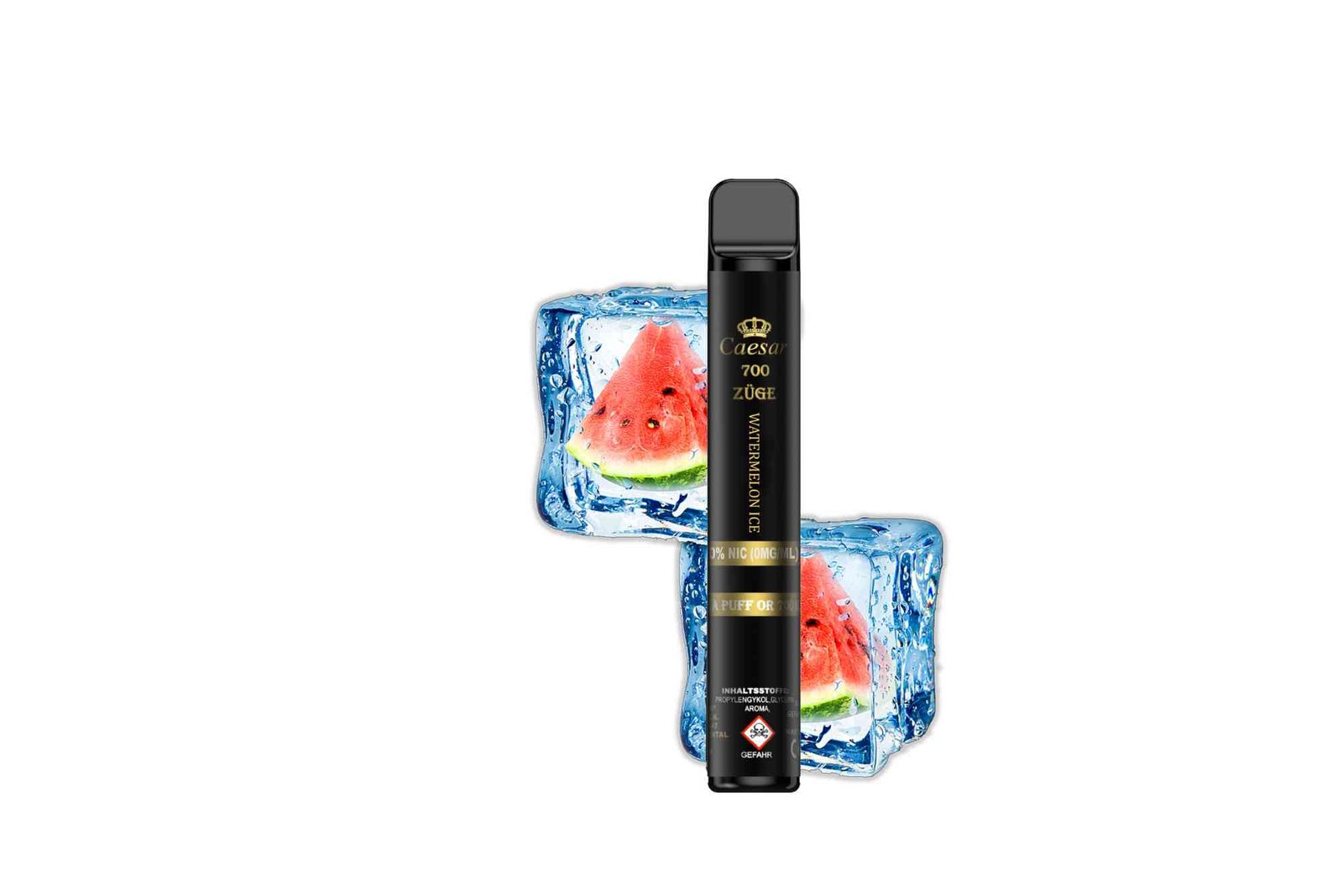
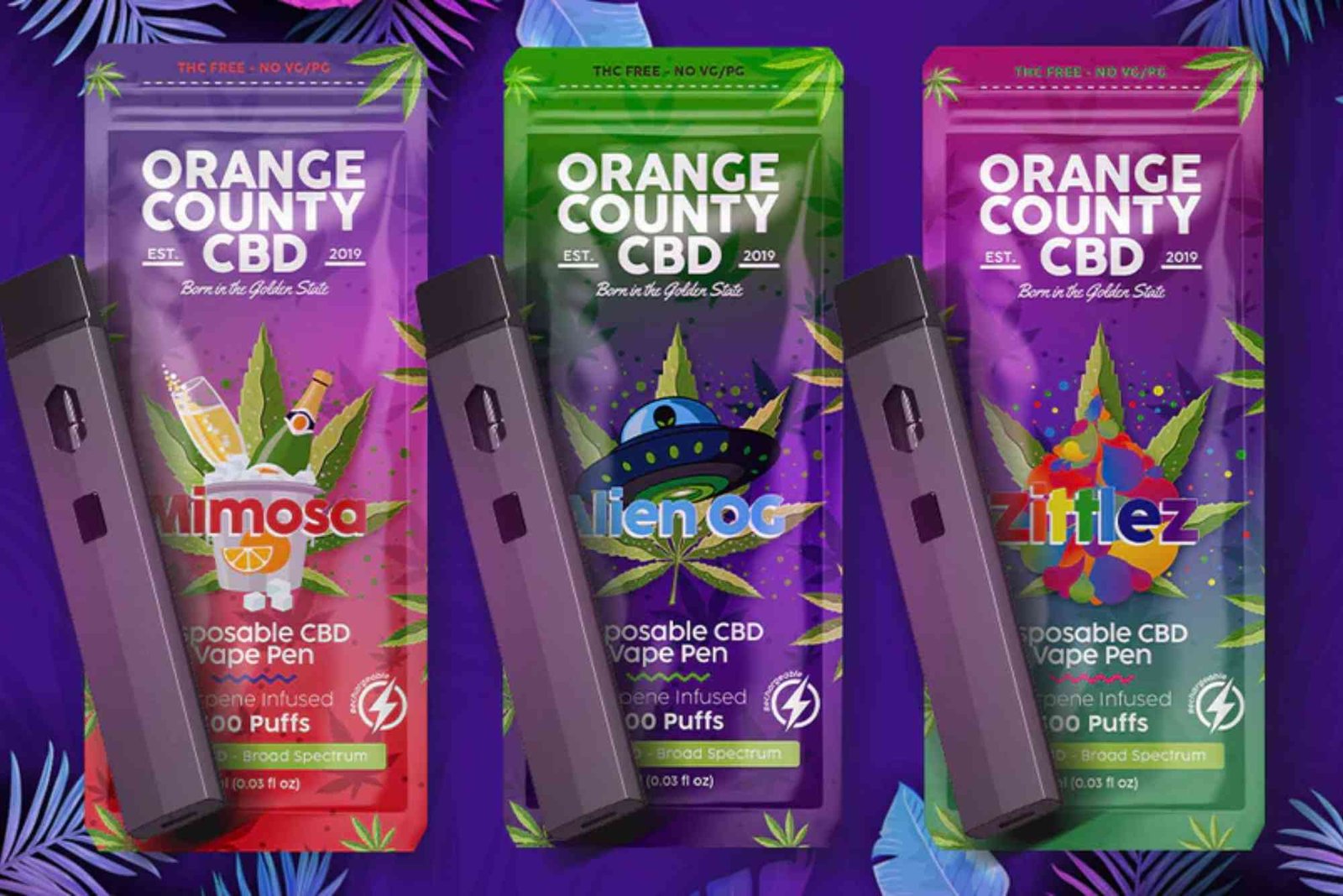
Vape products must meet specific quality and safety standards. Manufacturers are required to provide accurate labeling that discloses ingredients, nicotine content, and potential health risks. These measures help consumers make informed decisions and avoid unsafe products.
Marketing Restrictions
Advertising of vaping products is heavily regulated under the 2017 laws. Promotions that target minors or mislead consumers about health benefits are prohibited. These restrictions align with harm reduction principles by ensuring that vaping is promoted responsibly, not glamorized.
Public Usage and Smoke-Free Policies
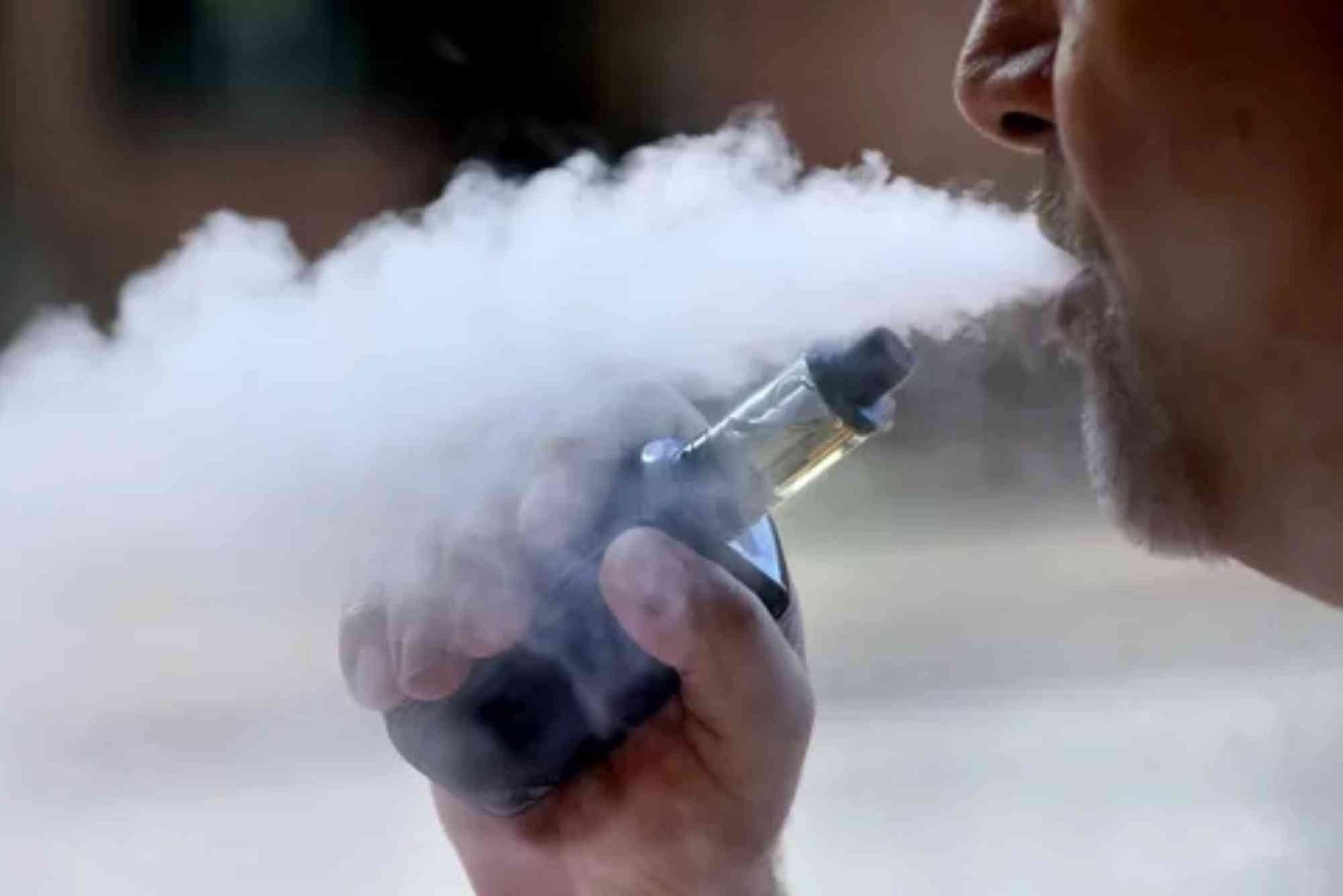
Vaping in public spaces is restricted, mirroring traditional smoking regulations. This limits secondhand exposure to aerosols and protects non-smokers. By enforcing designated areas and public-use limits, Mexico balances harm reduction with community health concerns.
Why These Laws Matter in Harm Reduction
Supporting Smokers’ Transition
Harm reduction emphasizes providing safer alternatives rather than focusing solely on prohibition. By regulating vape products instead of banning them entirely, Mexico allows adult smokers to transition from combustible tobacco to potentially less harmful options. This approach can lower smoking-related diseases without encouraging new nicotine users.
Reducing Youth Initiation
Strict age limits and advertising restrictions reduce the likelihood of minors starting nicotine use. Preventing early exposure is crucial for long-term public health and supports the harm reduction model, which focuses on minimizing overall risk rather than eliminating nicotine use entirely.
Ensuring Product Safety
The regulatory framework ensures vape products meet safety standards, reducing the risk of faulty devices or toxic liquids. Safe, quality-controlled products reinforce the credibility of vaping as a harm reduction tool and protect consumers from unnecessary health risks.
Aligning With Global Standards
Mexico’s vape laws reflect international trends in tobacco harm reduction. By following guidance similar to the World Health Organization and other health authorities, Mexico demonstrates leadership in adopting policies that balance access, safety, and public health objectives.
Challenges and Criticisms
Enforcement Issues
Despite clear regulations, enforcement remains a challenge. Illegal sales and online purchases bypassing age checks continue to exist. Addressing these gaps is crucial to ensure the laws achieve their intended harm reduction outcomes.
Misunderstanding of Harm Reduction
Some public health advocates argue that vaping may renormalize nicotine use. Educating the public about the relative risks of vaping compared to smoking is essential to prevent confusion and maximize harm reduction benefits.
Product Innovation Constraints
Strict regulations can limit innovation in vape technology and flavors that could appeal to adult smokers seeking alternatives. Balancing innovation with safety and youth protection is a continuing debate in Mexico’s policy framework.
The Mexico vape laws 2017 are a cornerstone of the country’s harm reduction strategy. By regulating age access, product safety, marketing, and public use, these laws aim to protect youth while offering adult smokers safer alternatives. Despite enforcement and public perception challenges, they provide a structured approach to reducing smoking-related harm.
For adults seeking alternatives to smoking, understanding these regulations is crucial. Policymakers and public health advocates can use these laws as a model for balancing safety, access, and harm reduction goals.
FAQs
Are e-cigarettes legal in Mexico?
Yes, e-cigarettes are legal for adult use but are heavily regulated under the 2017 laws.
Can minors buy vape products in Mexico?
No, the 2017 laws prohibit sales to individuals under 18.
Do Mexico vape laws 2017 ban vaping in public?
Vaping is restricted in public areas, similar to traditional smoking restrictions.
How does Mexico ensure vape product safety?
The laws require manufacturers to meet product standards and provide clear labeling of ingredients and nicotine content.
Why are Mexico vape laws important for harm reduction?
They allow adult smokers safer alternatives while protecting youth, aligning with harm reduction principles.