Introduction
Why is it illegal to vape on a plane is more than a travel rule. It sits at the center of safety law, public health, and harm reduction debates. Many people assume vaping is harmless compared to smoking. That assumption causes confusion when airlines strictly ban vaping onboard. Understanding why is it illegal to vape on a plane helps explain how harm reduction works in shared, high-risk spaces.
This topic matters because airplanes are unique environments. They combine strict safety systems, recycled air, and limited emergency options. Rules that seem strict often exist for layered reasons. In this article, we explore why is it illegal to vape on a plane and how that rule fits into modern harm reduction thinking.
Understanding the Focus Keyword in Context
Why is it illegal to vape on a plane is often searched by travelers who vape regularly. Many are surprised to learn that vaping rules match smoking bans. The reasoning goes far beyond discomfort or social norms.
Aviation law treats any aerosol-producing device as a potential safety issue. This includes e-cigarettes, heated tobacco, and disposable vapes. The focus keyword matters because it highlights the clash between personal harm reduction and collective safety.
The Legal Foundation Behind the Vape Ban
Why is it illegal to vape on a plane starts with international aviation law. Most countries align airline safety rules with global standards. These standards aim to reduce fire risk and passenger panic.
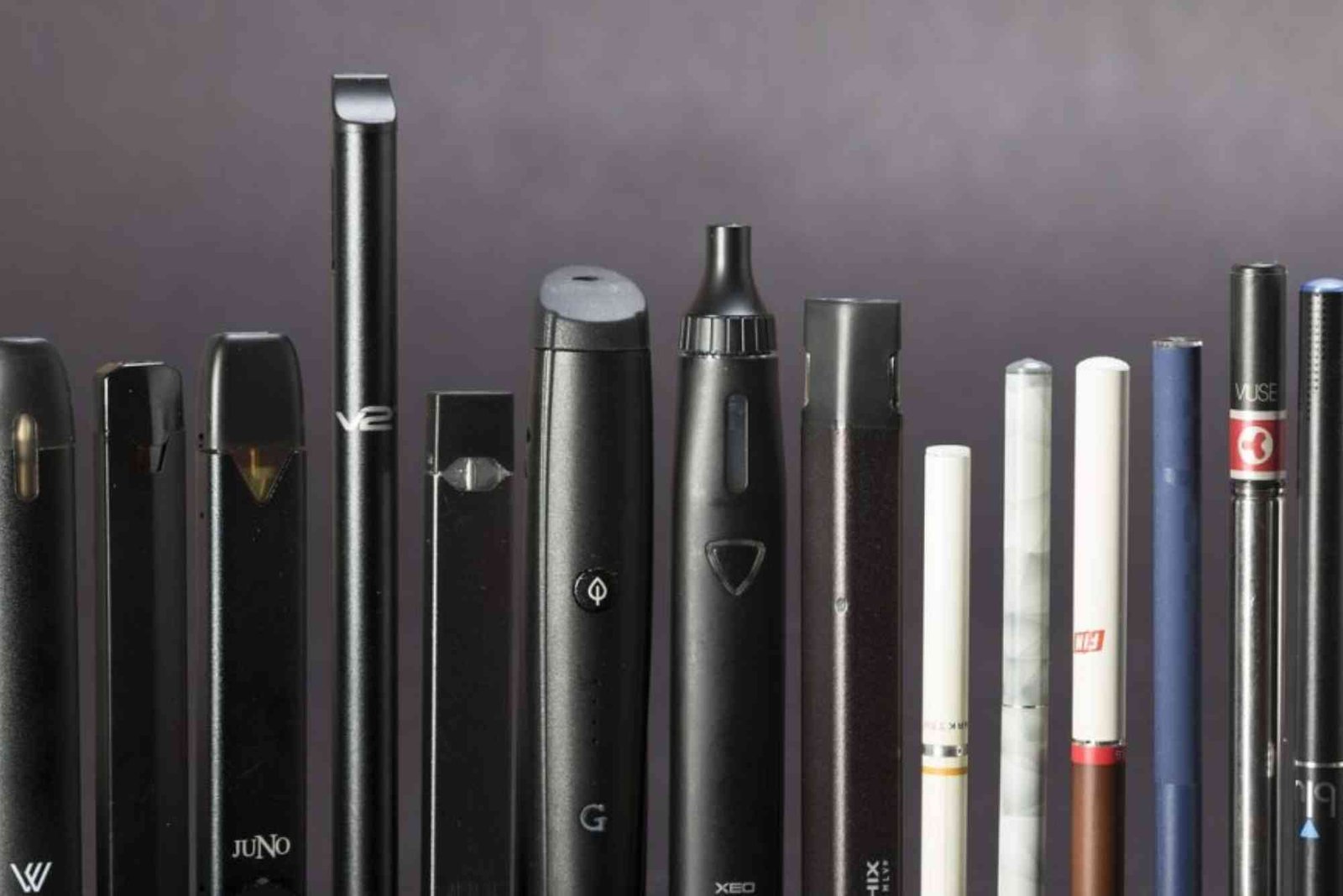
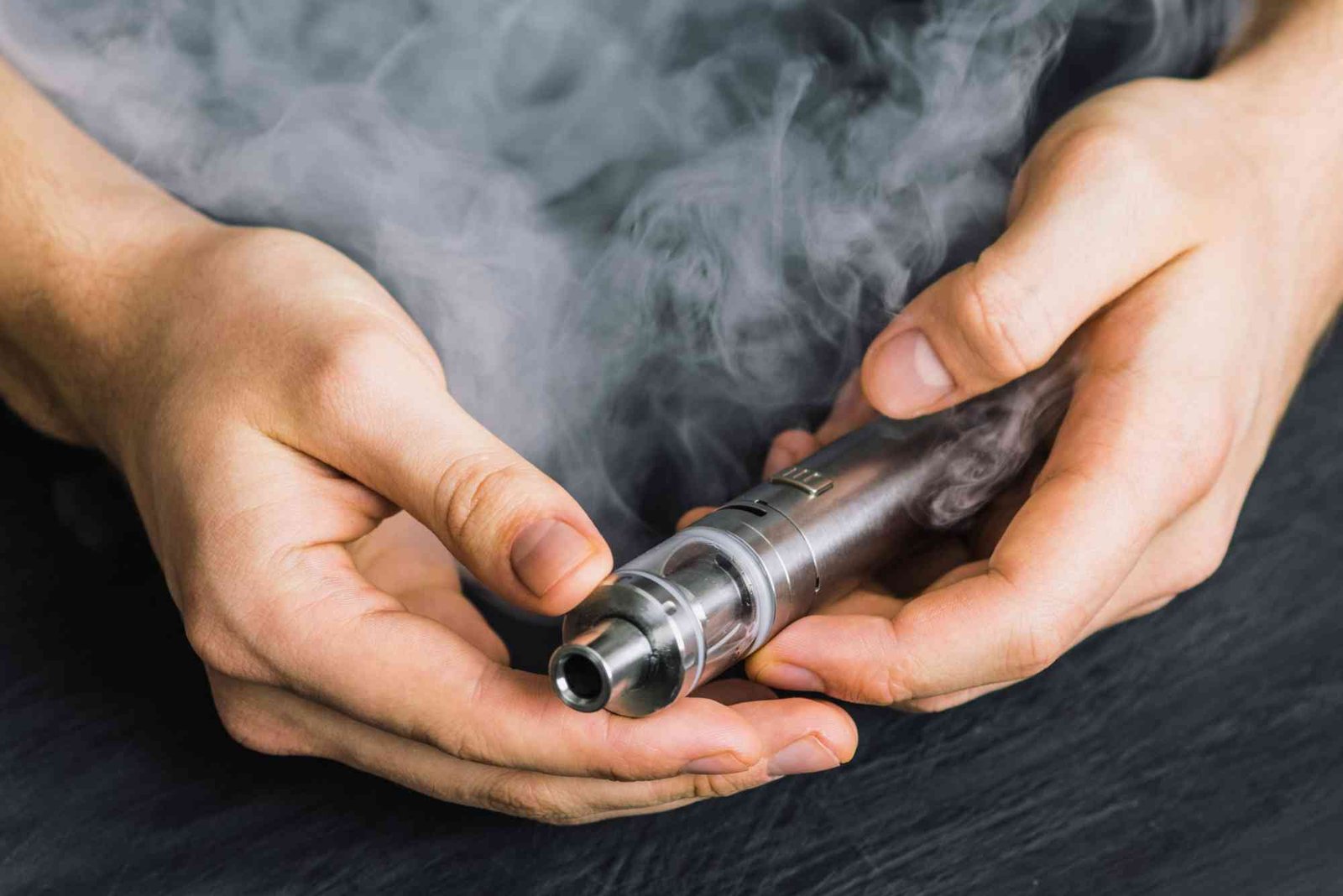
E-cigarettes contain lithium-ion batteries. These batteries can overheat or explode. In a pressurized cabin, the consequences are serious. This risk alone justifies strict control.
Airlines follow guidance shaped by the International Air Transport Association — e-cigarette carriage rules, which influence global airline policies. These rules limit how and where vaping devices can be carried and used.
Why Cabin Air Changes the Harm Equation
Why is it illegal to vape on a plane also relates to air circulation. Aircraft cabins recycle air to maintain pressure and oxygen levels. Even small particles can spread quickly.
Vape aerosol is not harmless water vapor. It contains fine particles, nicotine residue, and flavoring chemicals. In a closed cabin, exposure becomes involuntary for others. Harm reduction does not support forcing exposure on non-users.
This shifts the debate. Harm reduction focuses on reducing harm without creating new risks. In a plane cabin, vaping creates shared exposure risks.
Fire Safety and the Zero-Tolerance Approach
Why is it illegal to vape on a plane becomes clear when fire safety is considered. Smoke detectors in aircraft lavatories are extremely sensitive. Vape aerosol can trigger alarms.
False alarms cause serious operational issues. They divert crew attention and can lead to emergency landings. Even a suspected fire is treated as real until proven otherwise.
Aviation safety relies on prevention, not reaction. Allowing vaping would introduce avoidable uncertainty. Harm reduction principles support prevention when consequences are severe.
The Role of Lithium Batteries in the Ban
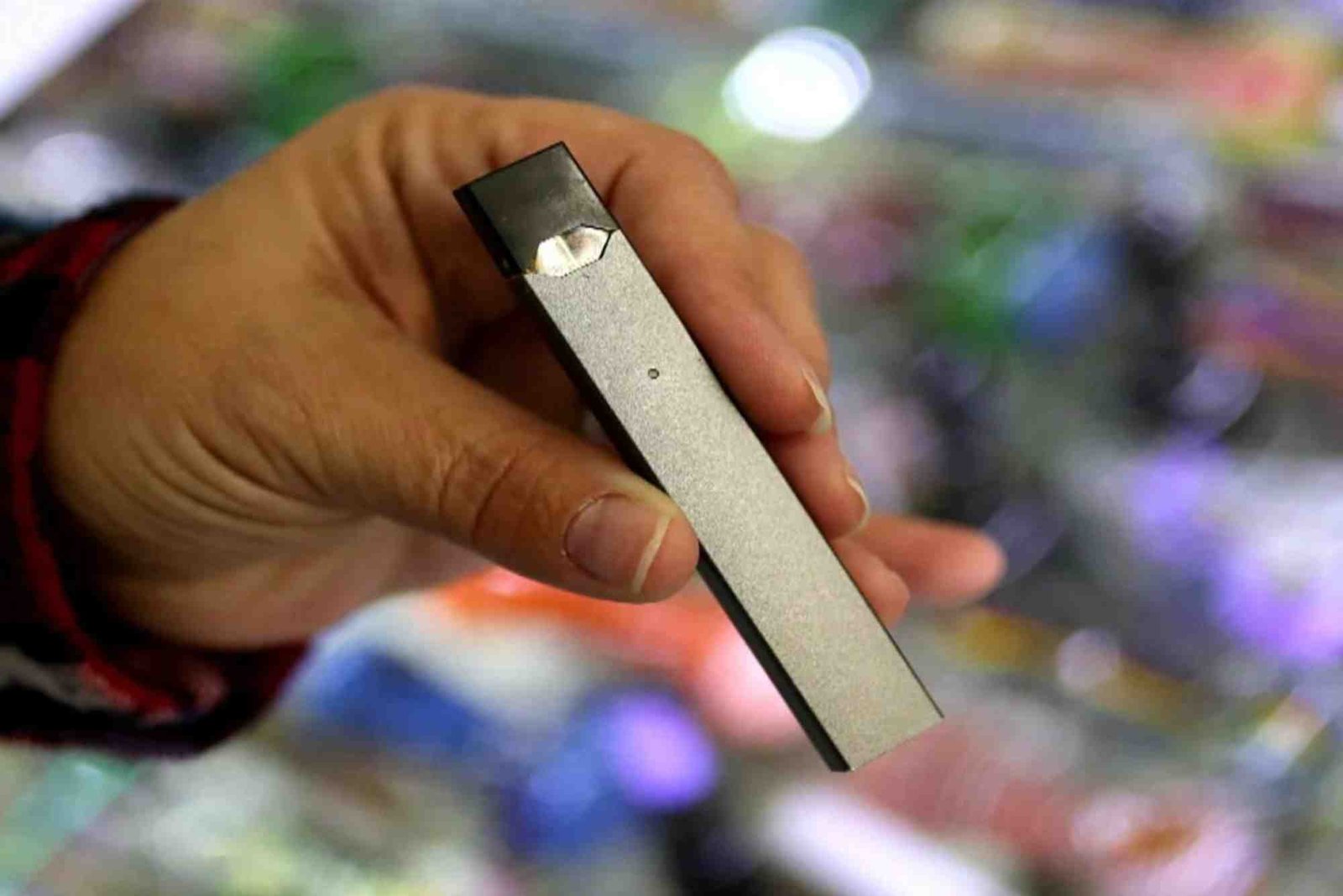
Why is it illegal to vape on a plane often surprises users who vape discreetly. The issue is not only vapor. It is the device itself.
Lithium-ion batteries are responsible for many aviation incidents. Vaping devices are a known risk category. Overheating can occur without warning.
Because of this, airlines allow vapes only in carry-on luggage. Usage is completely banned. This approach reduces risk while allowing possession.
Harm Reduction Versus Zero-Risk Environments
Why is it illegal to vape on a plane highlights a key harm reduction limit. Harm reduction works best in controlled personal environments. Airplanes are not personal spaces.
In public health, harm reduction does not mean harm elimination. It means reducing harm compared to worse alternatives. On a plane, the baseline risk must be near zero.
Allowing vaping would increase risk without strong benefit. Passengers can use nicotine patches or gum instead. These alternatives align better with harm reduction goals in flight.
Why Airlines Treat Vaping Like Smoking
Why is it illegal to vape on a plane also reflects enforcement reality. Airlines avoid complex rules that are hard to police. A simple ban is easier to enforce.
If vaping were allowed, crew would need to judge devices, vapor levels, and intent. This creates conflict and inconsistency. Aviation safety depends on clarity.
Treating vaping like smoking removes ambiguity. It protects crew authority and ensures compliance.
Cultural and Global Policy Alignment
Why is it illegal to vape on a plane is consistent across countries. Aviation operates globally. Inconsistent rules would cause confusion.
Some countries heavily regulate vaping. Others promote it as harm reduction. Airlines cannot tailor rules for each airspace zone.
A universal ban ensures compliance across borders. This consistency supports international safety cooperation.
The Ethical Side of the Harm Reduction Debate
Why is it illegal to vape on a plane matters ethically. Harm reduction prioritizes informed choice. On a plane, other passengers cannot opt out.
Secondhand exposure, even if lower risk, violates consent principles. Ethical harm reduction avoids imposing risk on others.
This ethical lens strengthens the case for a ban. It aligns with public health values without demonizing vaping itself.
Misconceptions That Fuel Confusion
Why is it illegal to vape on a plane is often misunderstood. Many believe vaping produces only harmless vapor. Science shows otherwise.
Others assume discreet use is acceptable. Airlines consider any use a violation. Penalties can include fines or flight bans.
Understanding these misconceptions helps travelers avoid serious consequences.
The Future of Vaping and Aviation Policy
Why is it illegal to vape on a plane may evolve with technology. Safer batteries and nicotine delivery methods could change policy.
However, aviation is conservative for good reason. Changes require strong evidence and global agreement.
For now, the ban reflects current risk assessments and harm reduction logic.
How This Rule Supports Public Trust
Why is it illegal to vape on a plane also supports trust in aviation. Passengers expect strict safety standards.
Visible enforcement reassures travelers that risks are managed. This trust is essential for the aviation industry.
Harm reduction works best when public trust remains high.
FAQs
Why is it illegal to vape on a plane even in the bathroom?
Lavatories contain smoke detectors. Vape aerosol can trigger alarms. Any alarm is treated as a potential fire.
Can you vape on a plane if it has no nicotine?
No. The ban applies to all vaping devices. Nicotine content does not change safety risks.
What happens if you vape on a plane?
Consequences vary. They may include fines, flight bans, or legal action depending on jurisdiction.
Are e-cigarettes allowed in carry-on bags?
Yes. Most airlines require vapes in carry-on luggage only. Usage remains prohibited.
Is vaping allowed on private planes?
Rules depend on the operator and country. Commercial flights enforce strict bans.
Why is it illegal to vape on a plane matters because it shows where harm reduction has limits. Vaping may reduce harm compared to smoking. That does not mean it fits every environment.
Airplanes demand near-zero risk tolerance. Fire safety, air quality, and shared exposure shape policy. The vaping ban reflects evidence-based decision-making, not moral judgment.