Introduction
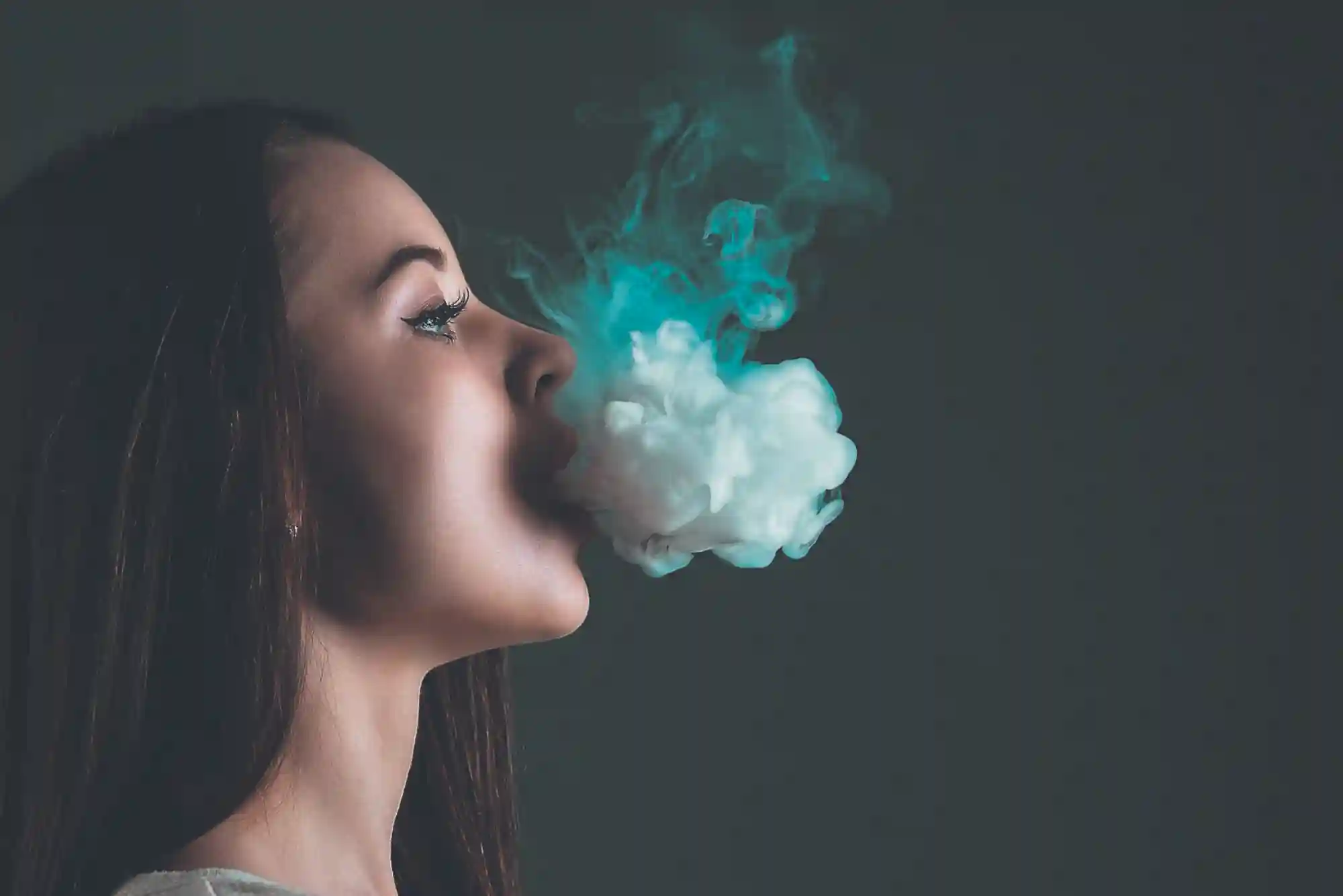
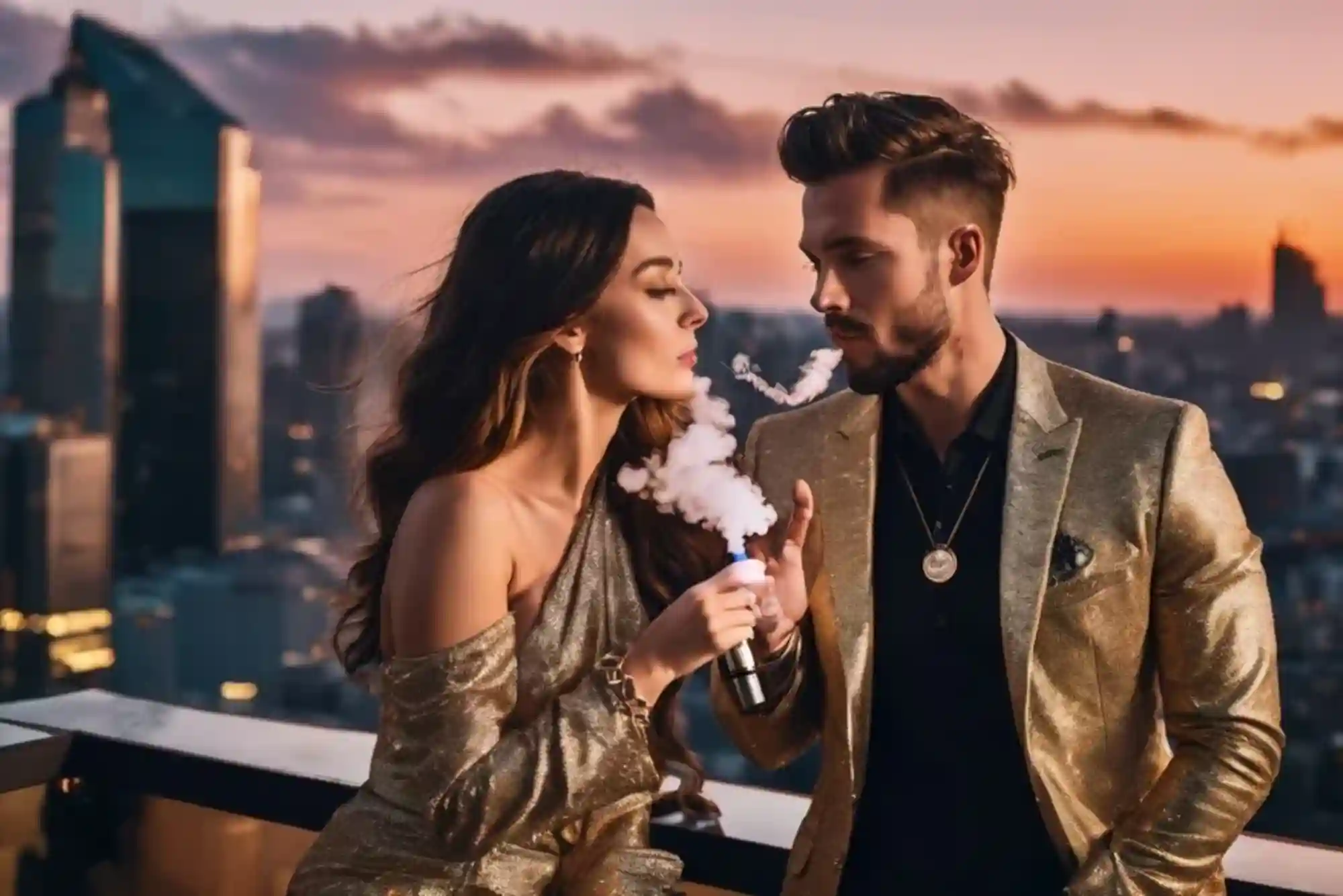
The relationship between lifestyle branding and fashion has changed significantly in recent years. Luxury fashion is no longer limited to designer clothing, expensive accessories, and exclusive runway collections. Modern branding increasingly focuses on digital identity, visual storytelling, and cultural influence. Against this background, the conversation surrounding Vaping and Luxury Fashion: How Vape Brands are Merging with High-End Couture has attracted attention across lifestyle and fashion discussions.
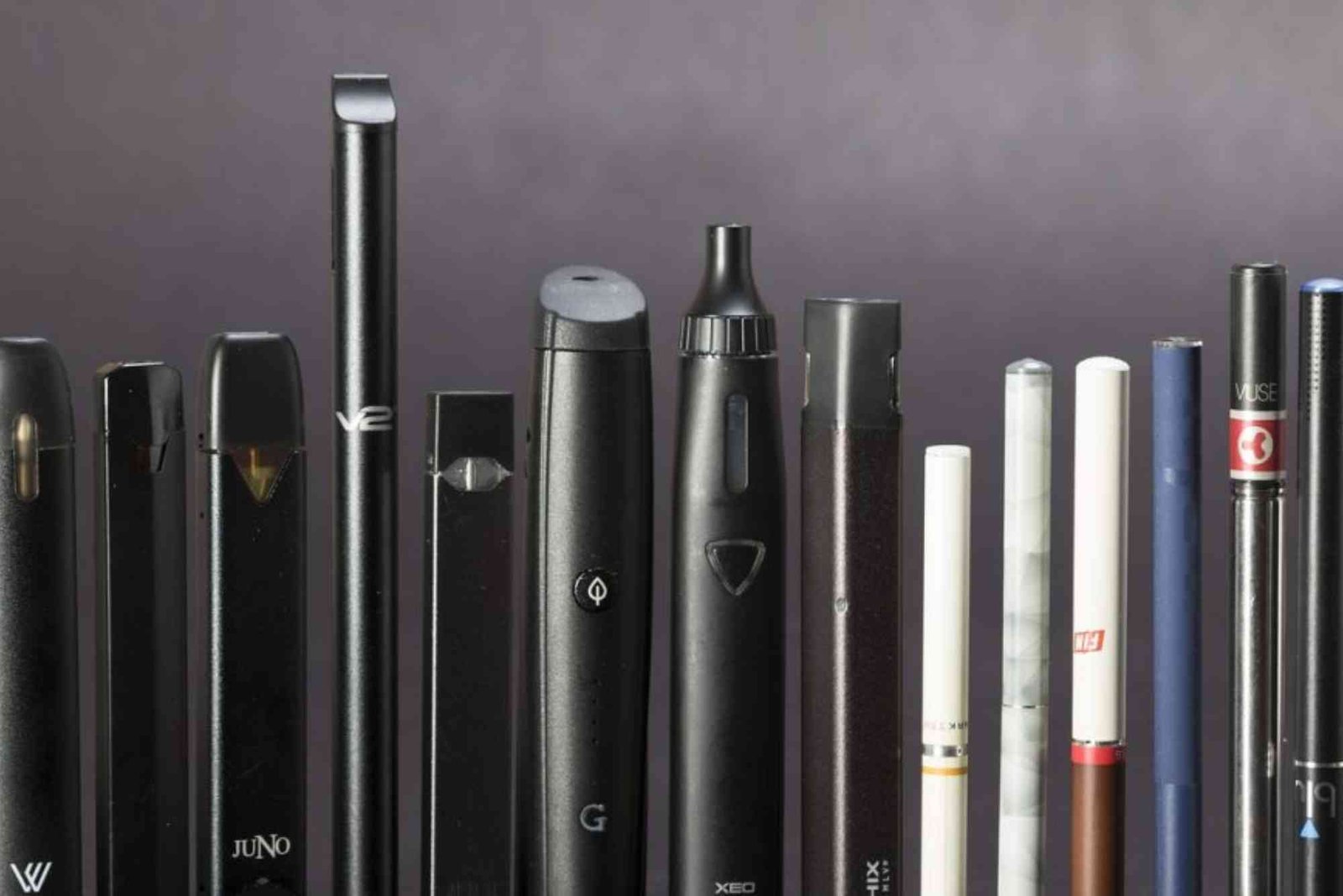
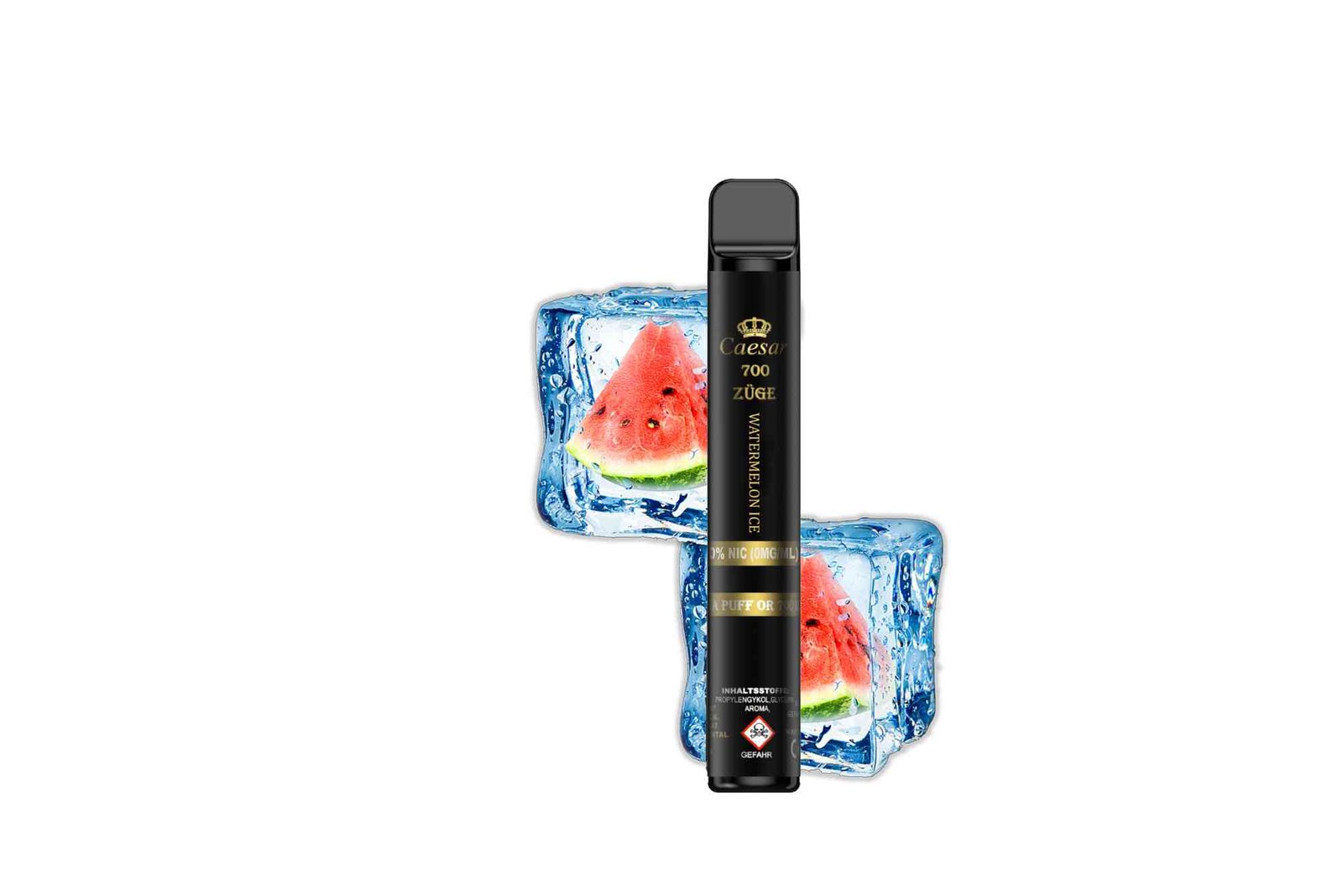
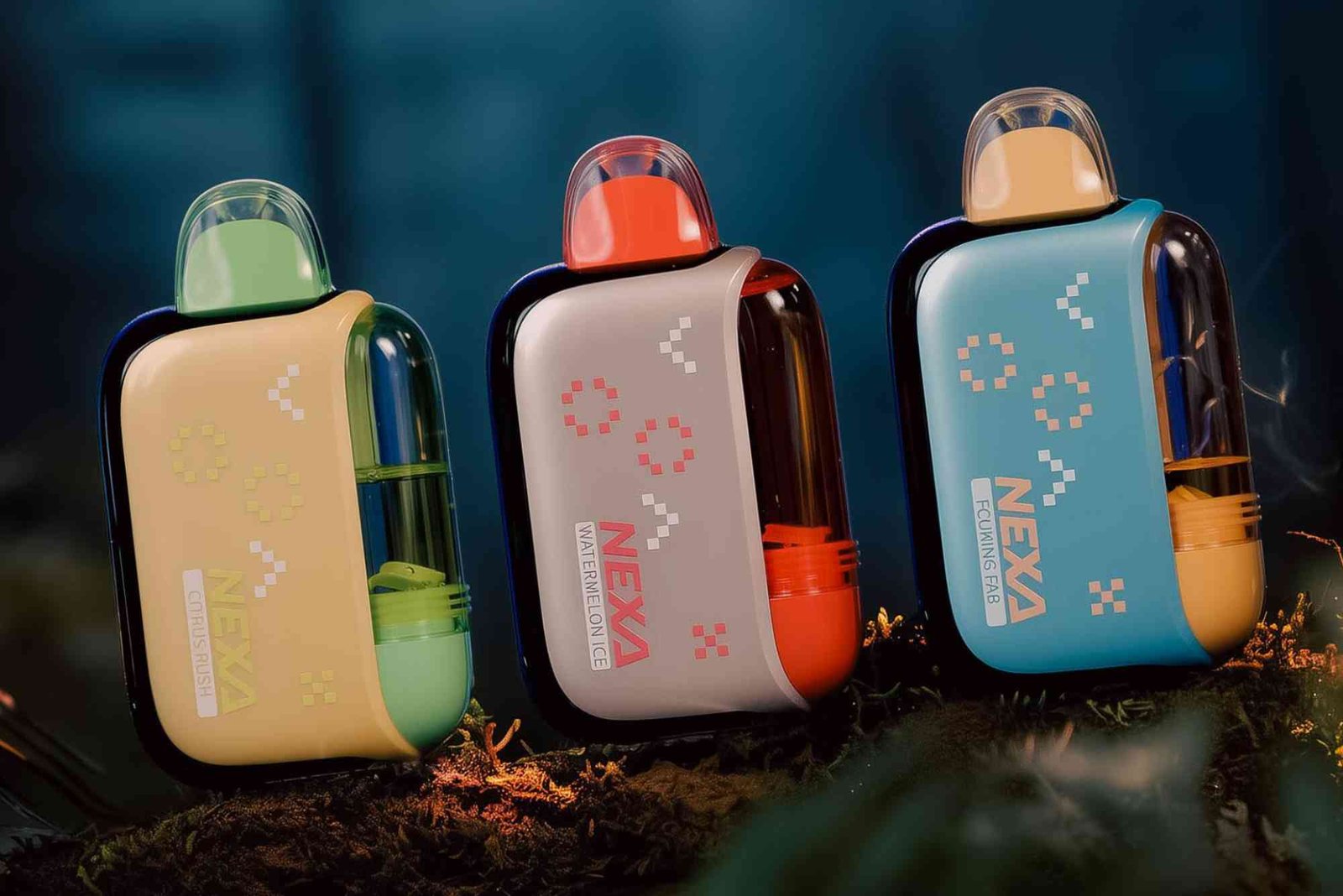
Vape companies have sometimes adopted visual elements associated with premium consumer products. These include minimalist packaging, metallic finishes, elegant shapes, and carefully designed promotional materials. Such choices create an association with contemporary design. However, an attractive appearance does not make vaping a luxury activity or establish a genuine connection with haute couture.
Understanding this relationship requires examining fashion branding, consumer culture, digital marketing, and the ethical responsibilities surrounding nicotine products. It also means recognizing the difference between genuine fashion collaborations and marketing that simply borrows luxury aesthetics.
Understanding the Connection Between Vaping and Luxury Fashion
Luxury fashion communicates identity through craftsmanship, presentation, exclusivity, and carefully developed brand stories. Companies invest heavily in recognizable designs and consistent visual identities. Meanwhile, some vape brands have adopted similar presentation techniques to differentiate their products in competitive markets.
This overlap is particularly visible in product packaging and advertising aesthetics. Sleek finishes, restrained color combinations, and modern typography can make ordinary consumer products appear more sophisticated. Consequently, discussions about vaping and luxury fashion often focus on how visual presentation influences brand perception.
Nevertheless, visual similarities should not be confused with genuine industry partnerships. Established couture houses generally operate within distinct creative and commercial standards. A vape product featuring premium-looking packaging does not automatically become part of the luxury fashion industry.

How Luxury Design Influences Vape Branding
Minimalist Packaging and Premium Presentation
Minimalism has become an important element of contemporary product design. Clean typography, balanced proportions, and simple color palettes communicate sophistication. Some vape manufacturers use these principles when developing packaging and promotional materials.
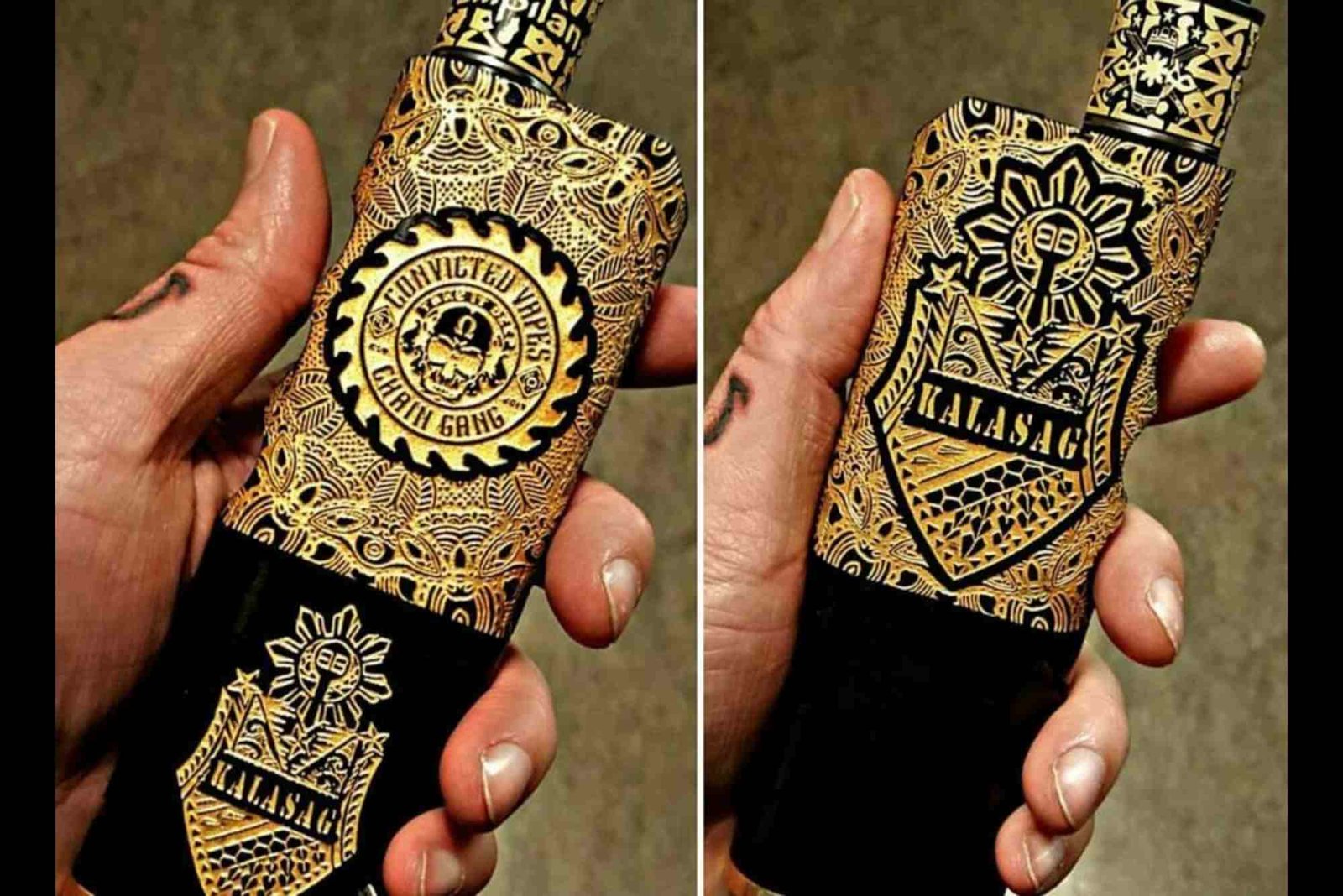
Metallic details, smooth surfaces, and compact designs can create a polished appearance. These features reflect broader consumer design trends rather than proving any association with established fashion houses.
However, attractive packaging raises important questions about responsible presentation. Nicotine products should not use luxury imagery to disguise potential health risks or make vaping appear harmless.
The Influence of Designer Accessories
Luxury accessories demonstrate how everyday objects can become recognizable style statements. Watches, handbags, sunglasses, and jewelry often communicate personal taste through their materials and construction.
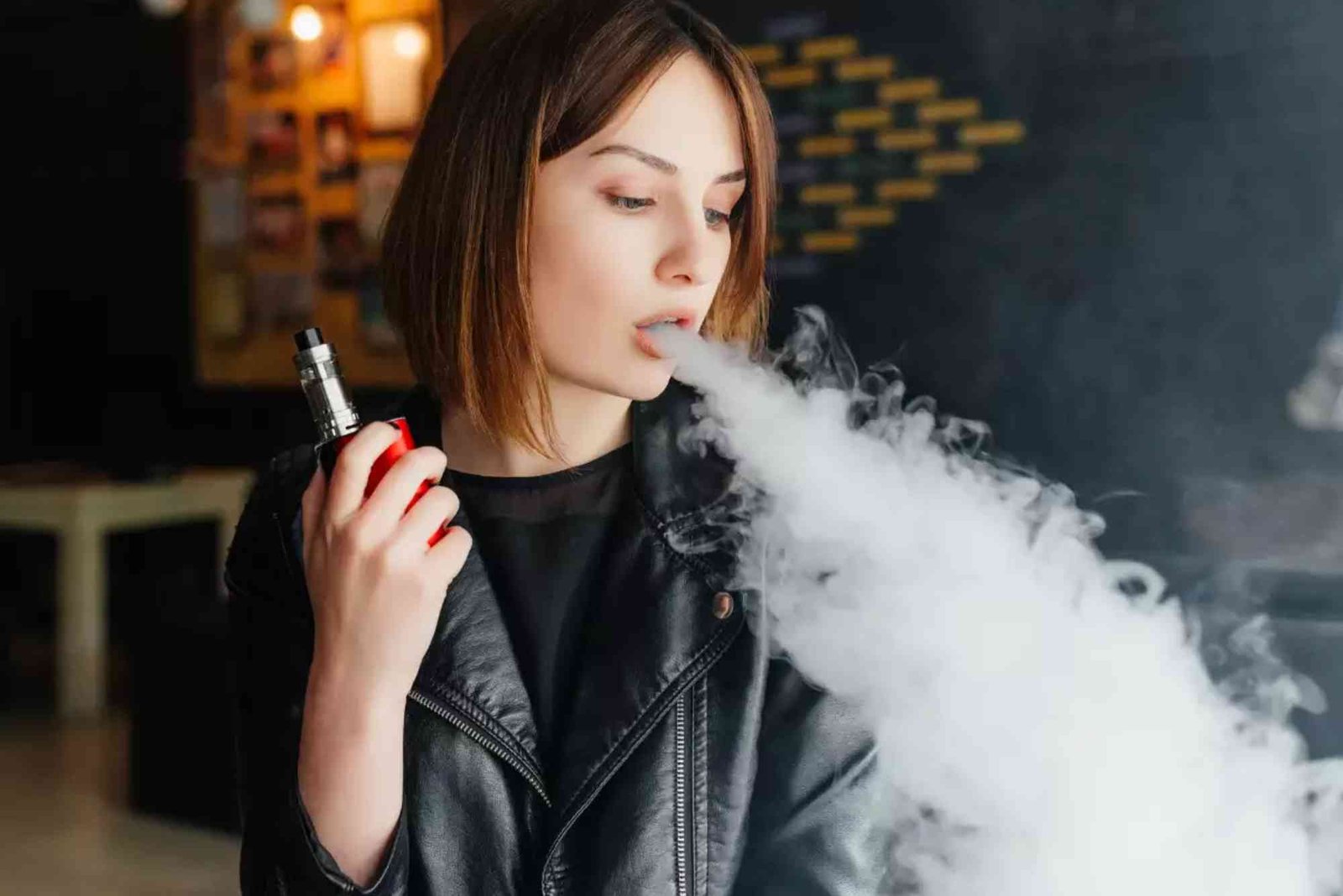
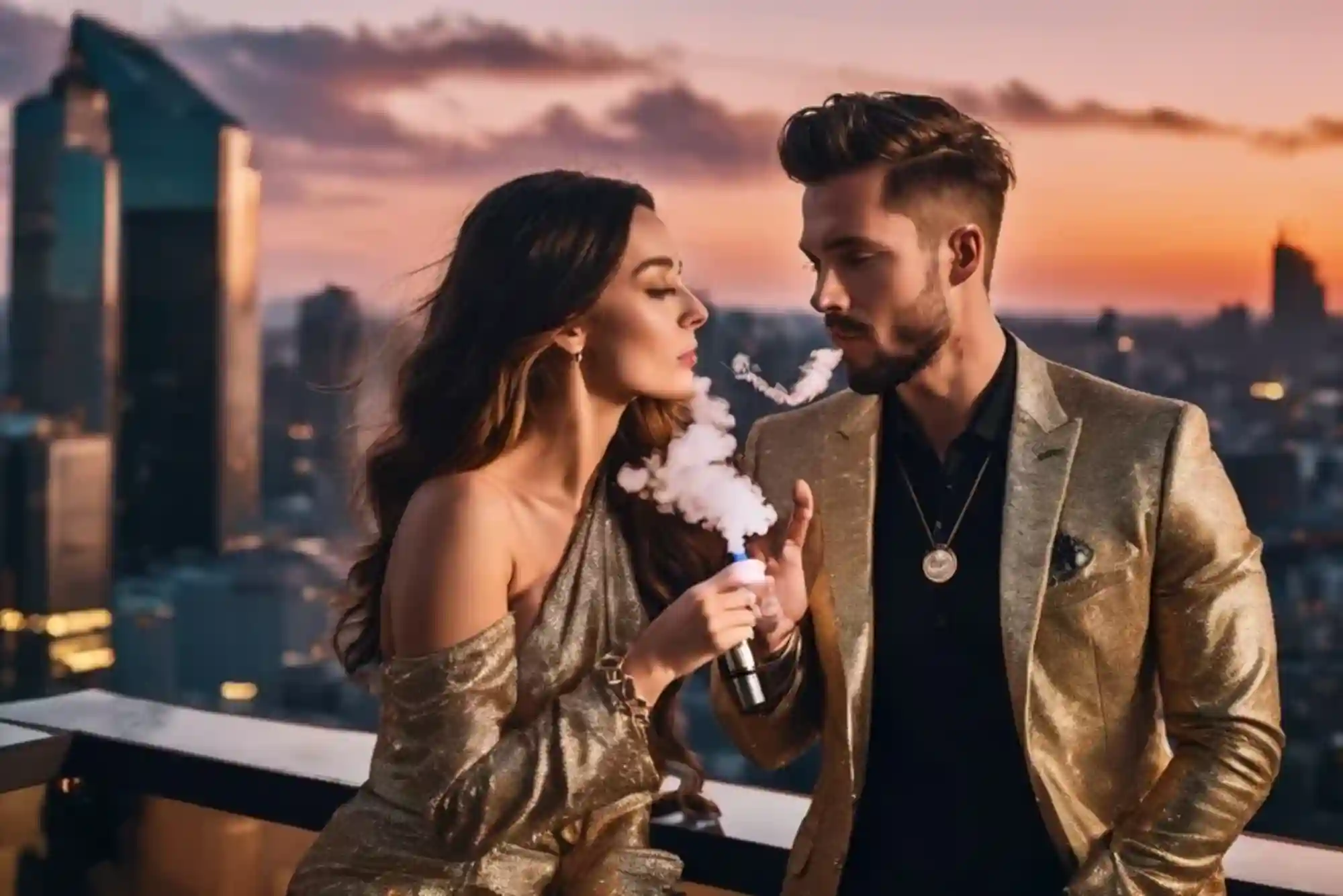
Some vape advertisements borrow similar visual language. Products may appear in carefully arranged lifestyle photography or modern interior settings. Yet, this approach can blur the distinction between fashion inspiration and promotional messaging.
A responsible discussion of vaping and luxury fashion must recognize that aesthetic appeal cannot replace accurate product information or appropriate age restrictions.
Digital Culture and the Evolution of Luxury Branding
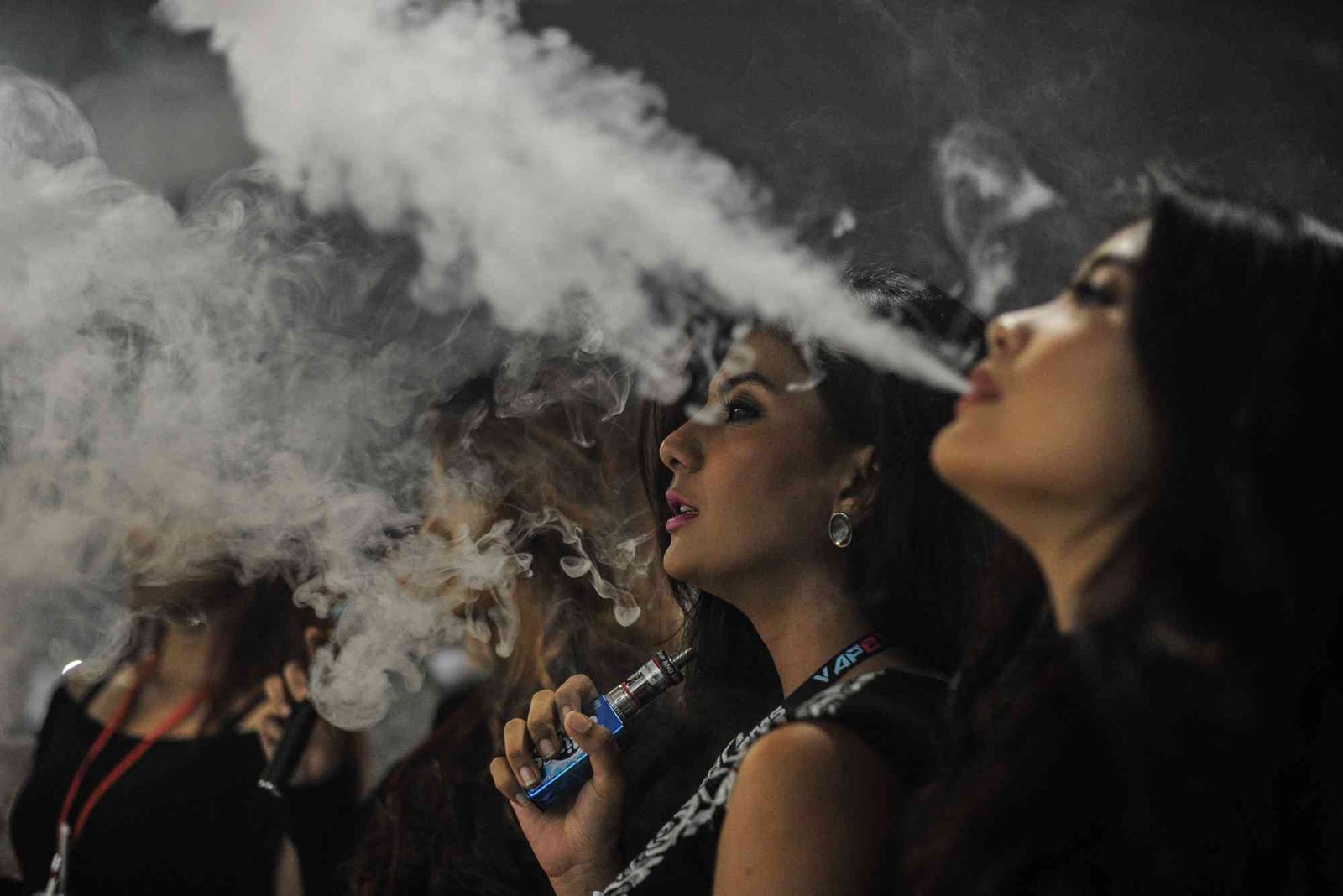
Social media has transformed how fashion brands communicate with consumers. Instagram, TikTok, and other digital platforms allow companies to present products through photography, short videos, and carefully developed visual identities.
Luxury fashion businesses use these channels to communicate craftsmanship, heritage, and creative direction. Some vape companies also rely on digital presentation to establish recognizable branding. However, marketing nicotine products faces important legal and platform restrictions.
The broader connection between vaping and luxury fashion also reflects changing expectations around digital identity. Consumers increasingly encounter products through visual content before learning about their manufacturing, ingredients, or practical characteristics.
This makes transparency especially important. Brands should provide accurate information without using glamorous imagery to encourage nicotine consumption or reach younger audiences.
Luxury Fashion Trends and the Changing Consumer Landscape
Fashion trends are influenced by technology, sustainability, changing lifestyles, and cultural conversations. Consumers increasingly examine how products are manufactured and how brands communicate their values.
For a broader understanding of these developments, readers can explore luxury fashion trends for 2025. The discussion highlights how luxury is being reconsidered in an increasingly digital and uncertain environment.
This changing definition of luxury provides useful context for examining emerging consumer brands. However, it does not establish that vaping products belong within traditional couture.
Modern consumers also expect brands to demonstrate responsibility. Sustainability claims, ethical sourcing, and transparent communication increasingly influence brand reputation. These expectations create challenges for industries producing disposable electronic devices and nicotine-containing products.
The Difference Between Luxury Aesthetics and Genuine Couture
High-end couture involves much more than attractive packaging or expensive-looking presentation. It represents specialized craftsmanship, creative expertise, material selection, and established design traditions.
Vape products operate within an entirely different commercial category. Their visual presentation may borrow elements from premium design, but this does not make them couture creations.
The distinction matters because consumers deserve honest brand communication. Marketing should not imply endorsement from established designers without a genuine and verifiable partnership.
Similarly, fashion-inspired packaging should never suggest that nicotine products offer social status, personal improvement, or health benefits.
Ethical Concerns Surrounding Vaping and Luxury Fashion
The combination of luxury imagery and nicotine products raises important ethical questions. Fashion advertising frequently connects products with aspiration, identity, and social belonging. Applying these techniques to vaping can create misleading impressions.
Nicotine is addictive, and vaping is not risk-free. Young people and people who do not currently use tobacco products should not be encouraged to begin vaping.
Responsible communication must therefore prioritize public health. Marketing should follow applicable advertising laws, platform policies, and age restrictions. It should also avoid celebrity imagery, fashion events, or influencer campaigns that could appeal to minors.
Another concern involves environmental responsibility. Disposable vaping devices contain electronic components and batteries that require appropriate waste management. Luxury branding cannot compensate for poor environmental practices.
Can Vape Brands Become Part of the Luxury Lifestyle Industry?
The relationship between vaping and luxury fashion is better understood as an intersection of branding and visual culture. Some companies may adopt premium design principles. Nevertheless, this does not automatically create a legitimate position within luxury fashion.
Established luxury brands build their reputations through long-term creative investment and consistent quality standards. Their identities depend on more than appearance. Authenticity, heritage, and craftsmanship remain essential.
For vape manufacturers, responsible product information and regulatory compliance should take priority over aspirational lifestyle positioning. A polished design may influence perception, but it cannot change the underlying nature of a nicotine product.
The Future of Fashion-Inspired Consumer Branding
The future of consumer branding will likely involve more sophisticated digital experiences and stronger expectations around transparency. Artificial intelligence, interactive media, and personalized design are already changing how businesses communicate with audiences.
These developments will continue influencing product presentation across different industries. However, regulated products require additional safeguards. Companies must consider whether their marketing creates misleading impressions or reaches audiences who should not be exposed to nicotine promotion.
The discussion surrounding vaping and luxury fashion therefore offers a wider lesson about modern branding. Visual identity can influence consumer perception, but responsible business practices must remain more important than appearance.
Conclusion
The connection between vaping and luxury fashion demonstrates how modern consumer branding borrows visual inspiration from different industries. Minimalist packaging, premium finishes, and digital storytelling can create similarities between product presentations. However, these similarities do not establish genuine couture partnerships or make vaping a luxury pursuit.
In 2025, vape culture continues to influence casual fashion among young adults, inspiring graphic tees, streetwear, relaxed outfits, and modern accessories. This emerging trend reflects how youth culture shapes everyday style, blending personal expression with contemporary fashion influences and creating a distinctive look for the younger generation.
Frequently Asked Questions
Is vaping considered part of luxury fashion?
No. Vaping and luxury fashion are separate industries. Some vape brands borrow premium design elements, but this does not make their products part of haute couture.
Why do some vape brands use luxury-inspired packaging?
Some manufacturers use minimalist designs, metallic finishes, and sophisticated typography to differentiate their products. However, attractive presentation does not change nicotine-related health risks.
Are luxury fashion brands collaborating with vape companies?
A genuine collaboration requires verifiable evidence. Similar packaging or visual styling should not be interpreted as an official partnership between a fashion house and a vape manufacturer.
How does social media influence vaping and fashion trends?
Social media influences how consumers discover brands and interpret visual identities. However, advertising nicotine products is subject to restrictions designed to protect young people and non-users.
What is the future of luxury-inspired product branding?
Future branding will likely emphasize digital experiences, transparency, sustainability, and responsible communication. These developments will influence many consumer industries, although regulated products must follow additional marketing requirements.
Explore the evolving world of vaping with TheVapeZa, your online destination for vape-related information, product insights, and industry trends. Whether you are interested in understanding vaping culture, discovering device features, or keeping up with the latest developments, TheVapeZa offers useful content to help readers stay informed. Visit TheVapeZa to explore more and learn about the vaping industry.