
Introduction
Fashion has always reflected changing lifestyles, social interests, and cultural movements. In 2025, casual fashion continues to evolve through social media, streetwear, music, and digital communities. One emerging cultural conversation involves the relationship between vaping and personal style. The Influence of Vape Culture on Casual Fashion for Young Adults in 2025 highlights how visual trends, lifestyle branding, and online aesthetics can overlap with everyday clothing choices. However, understanding this connection requires looking beyond products and advertisements.
Young adults increasingly use clothing to communicate individuality. Oversized hoodies, graphic T-shirts, relaxed denim, sneakers, and practical accessories remain popular choices. Meanwhile, social media exposes audiences to different lifestyle images and fashion identities. Some online communities associate vaping imagery with particular streetwear aesthetics. Nevertheless, these associations do not represent every young adult or define modern fashion.
Understanding Vape Culture and Modern Casual Fashion
Casual fashion focuses on comfort, practicality, and personal expression. It allows people to combine different clothing styles without following strict formal dress codes. In 2025, young adults frequently mix contemporary streetwear with vintage influences and minimalist designs.
Vape culture exists within a wider lifestyle and consumer discussion. Its visibility across social platforms sometimes intersects with fashion photography, music videos, and urban-inspired content. These connections create opportunities to examine how cultural imagery influences visual presentation.
However, fashion preferences should remain separate from nicotine consumption. Clothing trends do not require vaping, and personal style should never depend on using nicotine products.
How Social Media Influences Young Adults’ Fashion Choices
Social media has become one of the strongest influences on modern fashion discovery. Platforms such as Instagram, TikTok, and Pinterest expose users to outfits, styling inspiration, and emerging aesthetics.

Lifestyle content can also influence how audiences interpret certain fashion trends. For example, photographs featuring oversized clothing, distinctive sneakers, and urban backgrounds may create recognizable visual identities. Some content combines these elements with vaping-related imagery.
This relationship illustrates how digital culture can connect unrelated interests through presentation. However, popularity on social media does not necessarily indicate widespread adoption.
The Role of Influencers and Digital Communities
Fashion influencers regularly introduce new combinations of everyday clothing. Their outfits can influence followers who want practical inspiration for university, social gatherings, and everyday activities.
Digital communities also encourage experimentation. Young adults exchange ideas about colors, accessories, clothing brands, and personal presentation. Consequently, fashion trends can develop quickly across different online spaces.
For brands and publishers, understanding Gen Z fashion behavior in 2025 means recognizing the importance of individuality, authenticity, and digital discovery. Business of Fashion explores how Gen Z’s interest in personal style is changing the fashion industry. Its discussion provides useful context for understanding why younger consumers increasingly value individual expression.
Streetwear and the Connection With Vape Culture
Streetwear remains an important part of casual fashion. Its influences include skateboarding, hip-hop, sportswear, contemporary art, and urban communities.
Oversized silhouettes, graphic prints, comfortable trousers, and statement sneakers help define many streetwear collections. These elements also appear in some lifestyle photographs associated with vaping culture.
The connection is primarily visual rather than essential. People can enjoy streetwear without participating in vaping culture.
Graphic T-Shirts and Personal Expression
Graphic T-shirts provide an accessible way to communicate personality. Designs featuring typography, illustrations, abstract artwork, and cultural references remain popular among younger audiences.
Some independent clothing labels explore alternative lifestyle themes through their graphics. Others focus on sustainability, music, gaming, or contemporary art.
The most successful designs often communicate an idea without requiring complicated styling. A simple graphic T-shirt can become the central feature of an otherwise relaxed outfit.
Hoodies and Oversized Clothing
Oversized hoodies remain popular because they combine comfort with visual versatility. They work well with relaxed jeans, cargo trousers, joggers, and everyday sneakers.
Neutral shades create understated outfits, while brighter colors provide stronger visual contrast. Layering also allows individuals to adapt their clothing to different environments.
These fashion choices demonstrate how casual clothing can express personality independently of any particular lifestyle trend.
Accessories and the Evolution of Everyday Style
Accessories help complete casual outfits. Watches, backpacks, sunglasses, caps, and jewelry can introduce distinctive details without changing an entire wardrobe.
In 2025, practical accessories continue to attract attention. Young consumers often prefer products that combine useful features with attractive designs.
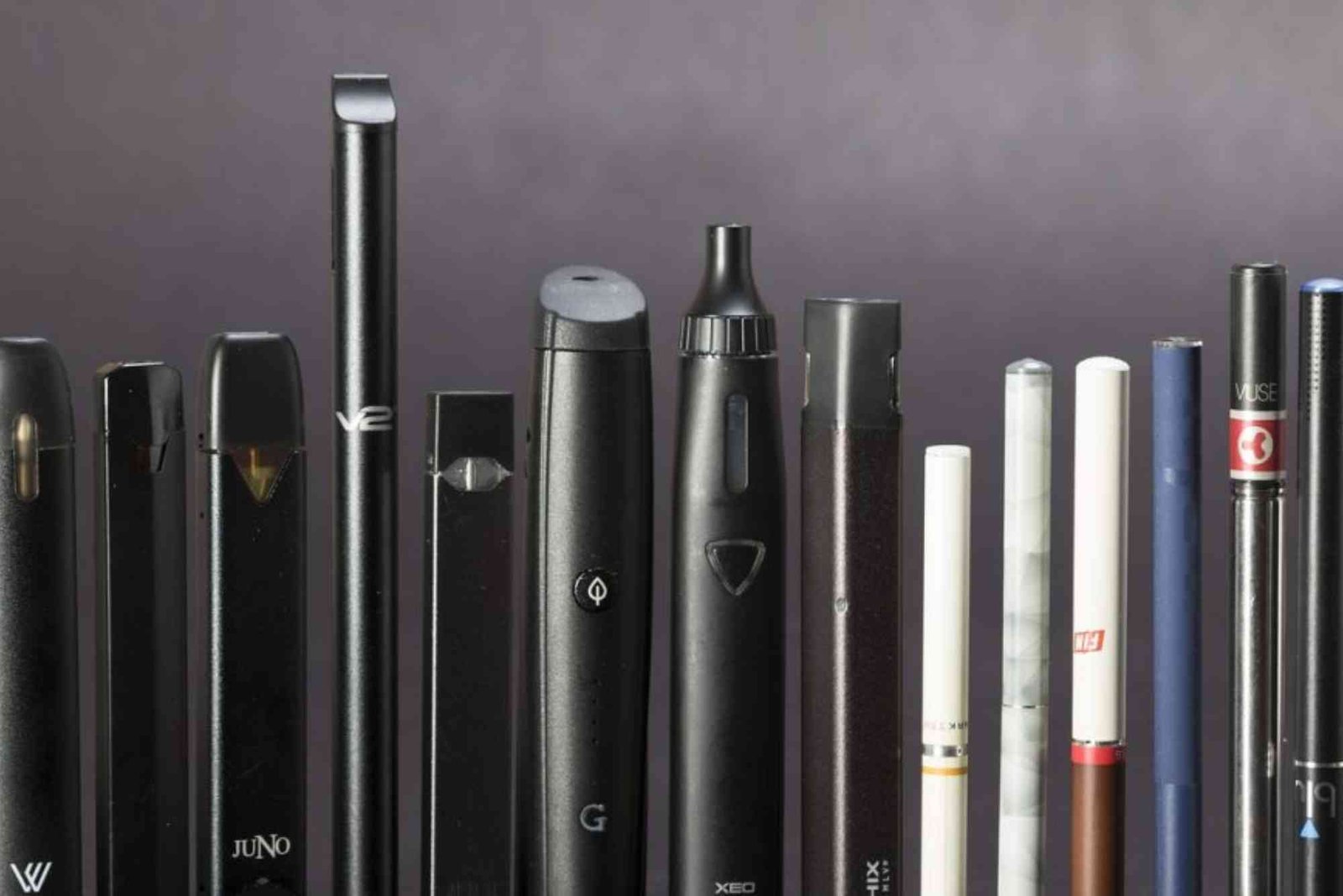
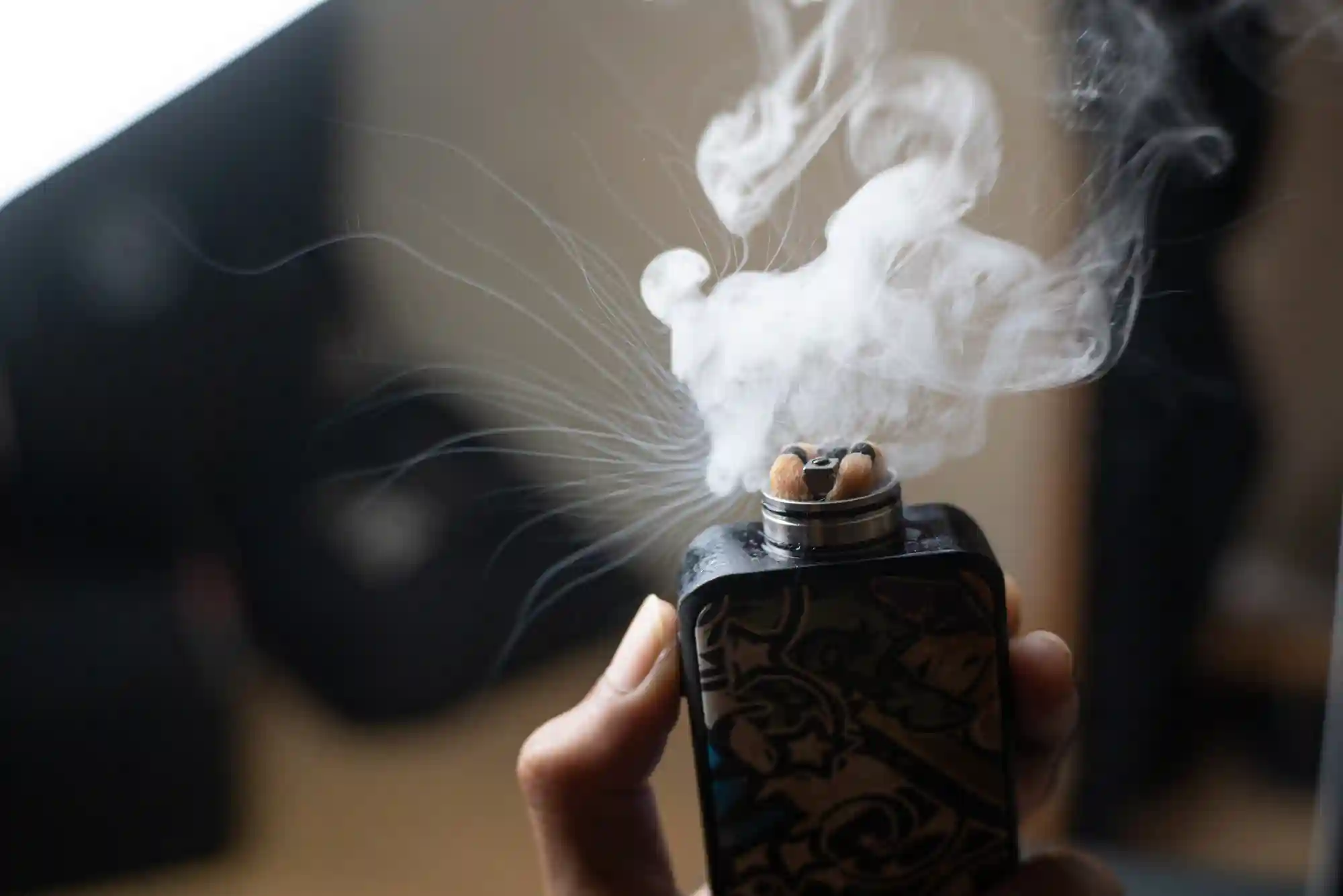
Digital lifestyle photography sometimes includes vaping devices as visual accessories. However, these products are not necessary fashion items, and their appearance should not be confused with genuine clothing trends.
Fashion brands can create more meaningful connections by emphasizing functional accessories, responsible materials, and distinctive design.
The Importance of Individuality in Youth Fashion
Personal identity plays an important role in clothing decisions. Young adults frequently experiment with different aesthetics before developing recognizable personal styles.
Some prefer minimalist outfits, while others enjoy colorful streetwear or vintage-inspired clothing. These preferences can change through music, friendships, travel, and online inspiration.
The Influence of Vape Culture on Casual Fashion for Young Adults in 2025 should therefore be understood within a broader cultural context. Vaping-related imagery may appear in certain online communities, but it does not define an entire generation’s fashion preferences.
Fashion Beyond Lifestyle Labels
Modern fashion increasingly celebrates diversity in appearance and personal interests. Individuals can combine different influences without adopting every lifestyle associated with a particular aesthetic.
For example, someone might enjoy graphic streetwear while preferring a completely nicotine-free lifestyle. Another person might choose minimalist clothing without following social media trends.
This flexibility makes casual fashion accessible to different personalities and backgrounds.
Sustainability and Responsible Fashion Choices
Sustainability has become an important consideration for younger fashion consumers. Many shoppers pay greater attention to fabric quality, production methods, durability, and waste reduction.
Secondhand clothing, recycled materials, and versatile wardrobe essentials offer alternatives to constant purchasing.
Choosing Sustainable Clothing
Buying fewer, better-quality garments can help reduce unnecessary consumption. Organic cotton, recycled fabrics, and responsibly manufactured products may also support more thoughtful shopping decisions.
Consumers should examine product information rather than relying entirely on marketing claims. Transparent information about materials and manufacturing provides a stronger foundation for purchasing decisions.
The wider lifestyle conversation surrounding fashion should also consider environmental responsibility. Disposable vaping products raise separate waste and recycling concerns. Therefore, they should not be promoted as sustainable fashion accessories.
How Fashion Brands Respond to Changing Youth Preferences
Fashion brands increasingly recognize that younger audiences value authenticity. They often look for clothing that reflects personal interests rather than traditional status symbols.
As a result, independent designers and established retailers experiment with new graphics, relaxed silhouettes, and versatile collections.
Digital marketing also plays an important role. Brands use short-form videos, creator collaborations, and customer-generated photographs to introduce new products.
However, responsible marketing matters. Businesses should avoid presenting nicotine use as fashionable, necessary for social acceptance, or an indicator of maturity. They should also follow applicable advertising regulations and age restrictions.
Instead, fashion campaigns can focus on creativity, craftsmanship, inclusive styling, and individual expression.
The Future of Casual Fashion and Lifestyle Culture
Casual fashion will continue changing as digital communities introduce new influences. Streetwear, comfortable basics, sustainable fabrics, and gender-neutral designs are likely to remain important areas of discussion.
Meanwhile, lifestyle imagery will continue influencing how audiences interpret clothing and accessories. Some visual trends may connect fashion with music, technology, or other cultural interests.
Nevertheless, the strongest fashion identities are built around creativity and personal choice. Young adults increasingly have opportunities to develop styles that reflect their interests without following every online trend.
The future of fashion should prioritize comfort, responsible consumption, and authentic self-expression.
Conclusion
The Influence of Vape Culture on Casual Fashion for Young Adults in 2025 demonstrates how lifestyle imagery and digital communities can intersect with modern clothing trends. Social media, streetwear, graphic T-shirts, oversized hoodies, and accessories all contribute to changing fashion conversations.
However, vaping does not determine personal style. Young adults can explore contemporary fashion through creativity, individuality, and responsible purchasing decisions without associating clothing with nicotine consumption.
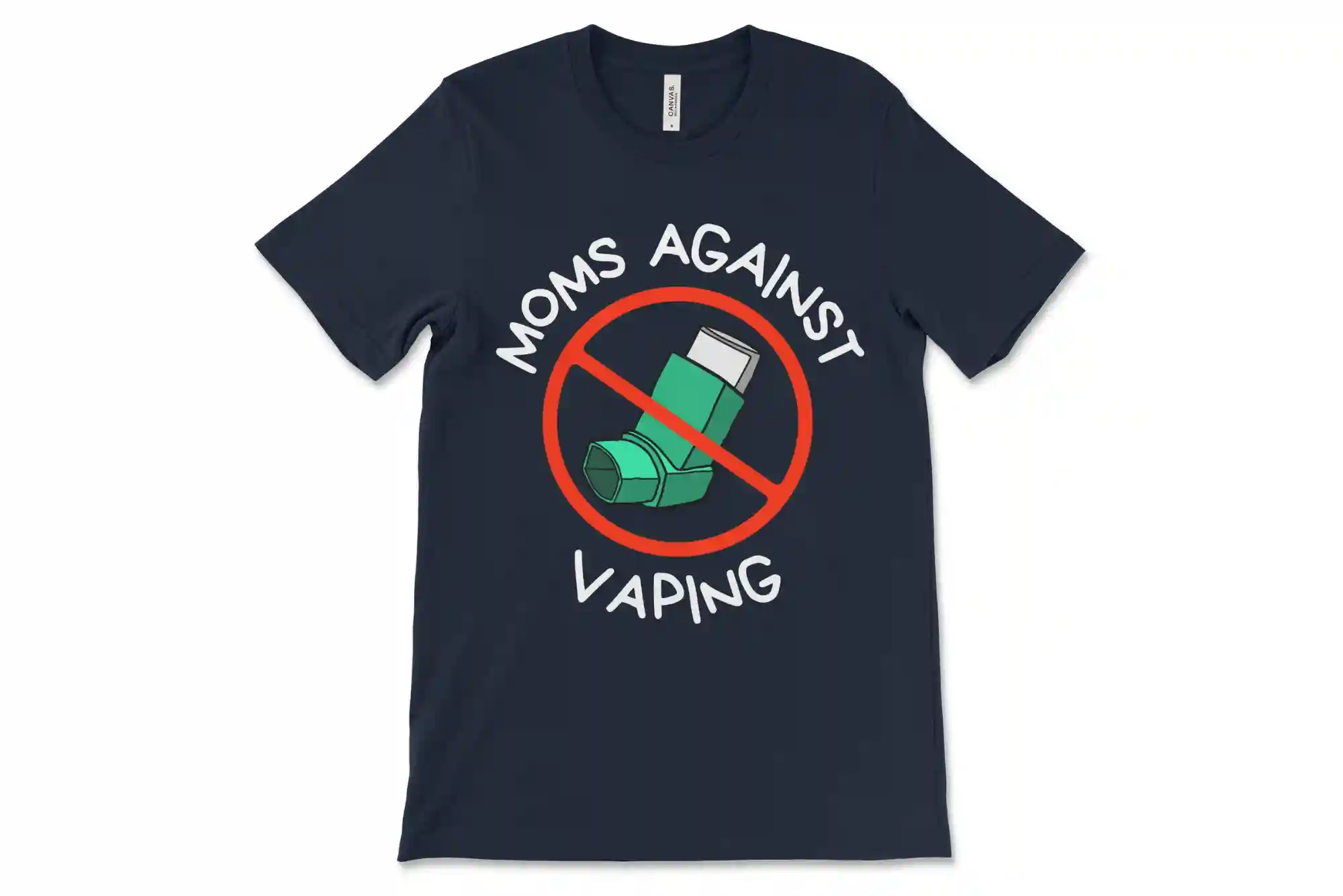
Vaping and the rise of graphic tees reflect a growing trend where personal style meets modern streetwear culture. Bold prints, creative designs, and unique graphics allow fashion enthusiasts to express their individuality. Vape-inspired apparel adds a distinctive touch to casual outfits, blending contemporary fashion influences with creative self-expression.
Frequently Asked Questions
How does social media influence young adults’ fashion choices?
Social media introduces young adults to new clothing styles, influencers, and emerging trends. Platforms encourage experimentation and make fashion inspiration easier to discover.
What is the connection between streetwear and vape culture?
Some online lifestyle communities combine streetwear imagery with vaping-related content. However, streetwear is an independent fashion movement with influences from music, sports, skateboarding, and urban culture.
Why is casual fashion popular among young adults?
Casual fashion combines comfort, affordability, and versatility. It allows young adults to express individuality through everyday clothing.
What are the biggest casual fashion trends in 2025?
Oversized clothing, relaxed denim, graphic T-shirts, comfortable sneakers, vintage-inspired outfits, and gender-neutral designs are prominent fashion trends.
How do influencers affect Gen Z fashion trends?
Influencers introduce new outfit combinations and styling ideas. Their content helps audiences discover brands, explore different aesthetics, and develop personal preferences.
Discover a world of modern vaping insights, industry trends, and lifestyle inspiration with The Vapeza. Whether you’re exploring vaping culture, learning about the latest innovations, or keeping up with changing trends, The Vapeza offers informative content to keep you updated.