
Introduction
The fashion industry is constantly evolving as technology, personal expression, and modern lifestyles influence consumer choices. In 2025, smart fashion and vaping culture have become interesting subjects in discussions about contemporary style. Digital innovation is transforming clothing, accessories, and shopping experiences. Meanwhile, vaping culture has developed its own connections with streetwear, personal aesthetics, and lifestyle trends.
Understanding how vaping and smart fashion are changing the fashion industry in 2025 requires looking beyond traditional clothing trends. Consumers increasingly value personalization, convenience, innovation, and individuality. They want products that reflect their identities while fitting into their everyday routines. Consequently, designers and fashion brands are exploring new ways to combine technology and creativity.
Although vaping devices are not fashion accessories in the traditional sense, their visual designs sometimes overlap with contemporary lifestyle aesthetics. Smart fashion, on the other hand, directly combines clothing with technology. Together, these cultural and technological developments demonstrate how modern consumer interests influence the fashion landscape.
The Growing Connection Between Technology and Fashion
Technology has become an important part of modern fashion development. Designers are experimenting with intelligent fabrics, digital customization, and wearable devices. These innovations are changing how people experience clothing.
Smart jackets, temperature-regulating fabrics, and fitness-monitoring accessories demonstrate this transformation. Such products combine practical functionality with attractive designs. Therefore, consumers no longer need to choose between technological convenience and personal style.
The discussion around how vaping and smart fashion are changing the fashion industry in 2025 also highlights the importance of lifestyle branding. Modern consumers often connect products with broader cultural identities. Streetwear, technology-inspired accessories, and digital fashion experiences all contribute to this changing environment.

How Smart Fashion Is Transforming Everyday Style
Smart fashion represents an exciting development in contemporary clothing. It combines traditional design principles with electronic components and innovative materials. This approach creates clothing that can offer additional functionality.
Wearable Technology and Intelligent Clothing
Wearable technology has expanded beyond traditional fitness trackers. Smart clothing can incorporate sensors that monitor movement, temperature, and other physical measurements. These features can support athletes, outdoor enthusiasts, and people interested in connected lifestyles.
For example, temperature-responsive fabrics can help improve comfort in changing weather conditions. Meanwhile, smart sportswear can provide information about physical activity. These developments show how clothing can become more functional without abandoning visual appeal.
Personalization Through Smart Design
Personalization is another important element of smart fashion. Consumers increasingly want clothing that reflects their individual preferences. Technology allows brands to explore customized colors, designs, measurements, and shopping experiences.
Digital fitting tools and virtual try-on technology can also help shoppers understand how products might look. As a result, fashion businesses can create more engaging customer experiences.
These developments connect with the broader future of fashion tech in 2025, where individuality and personal style influence how younger consumers discover and purchase fashion products.
Vaping Culture and Its Connection With Modern Fashion
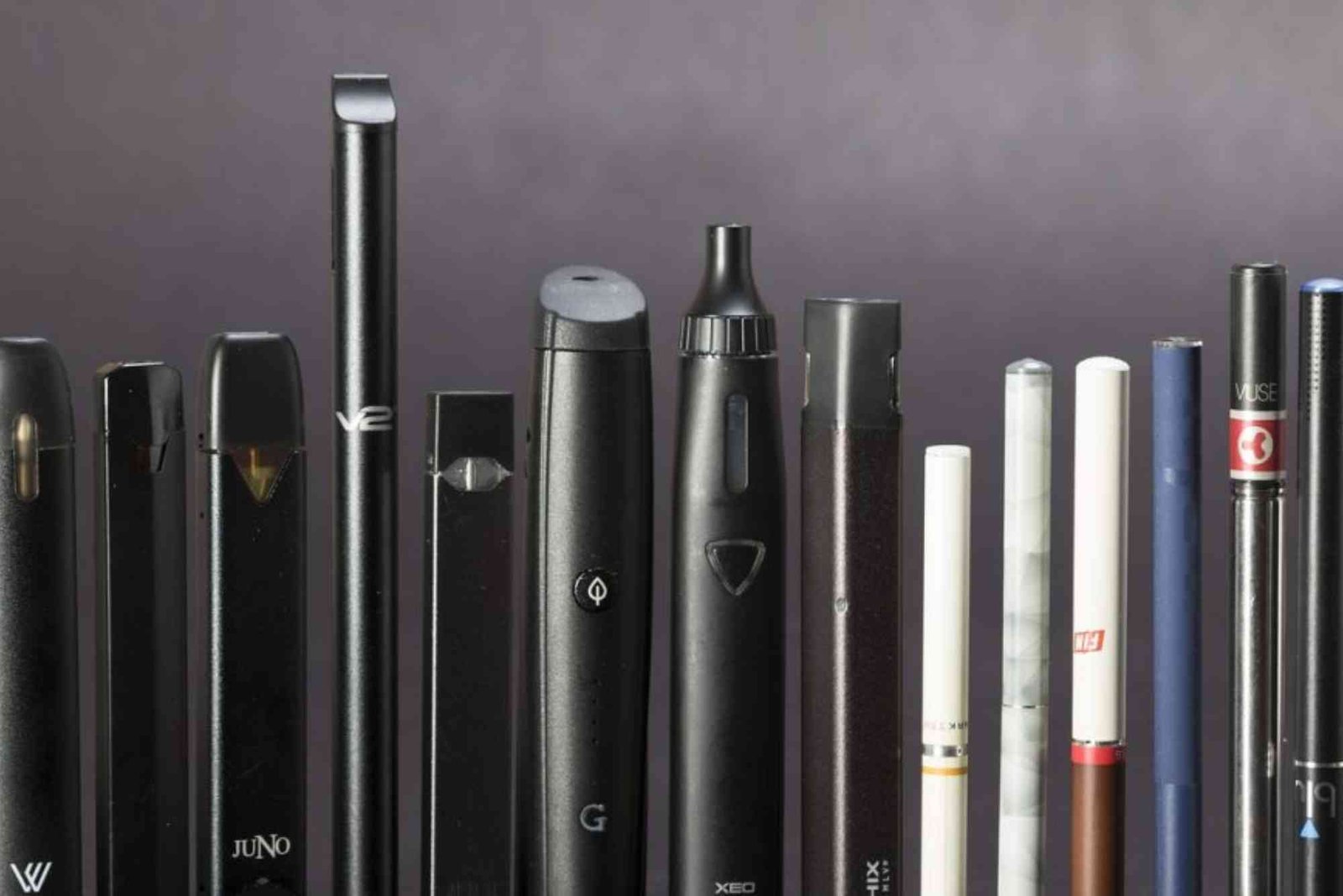
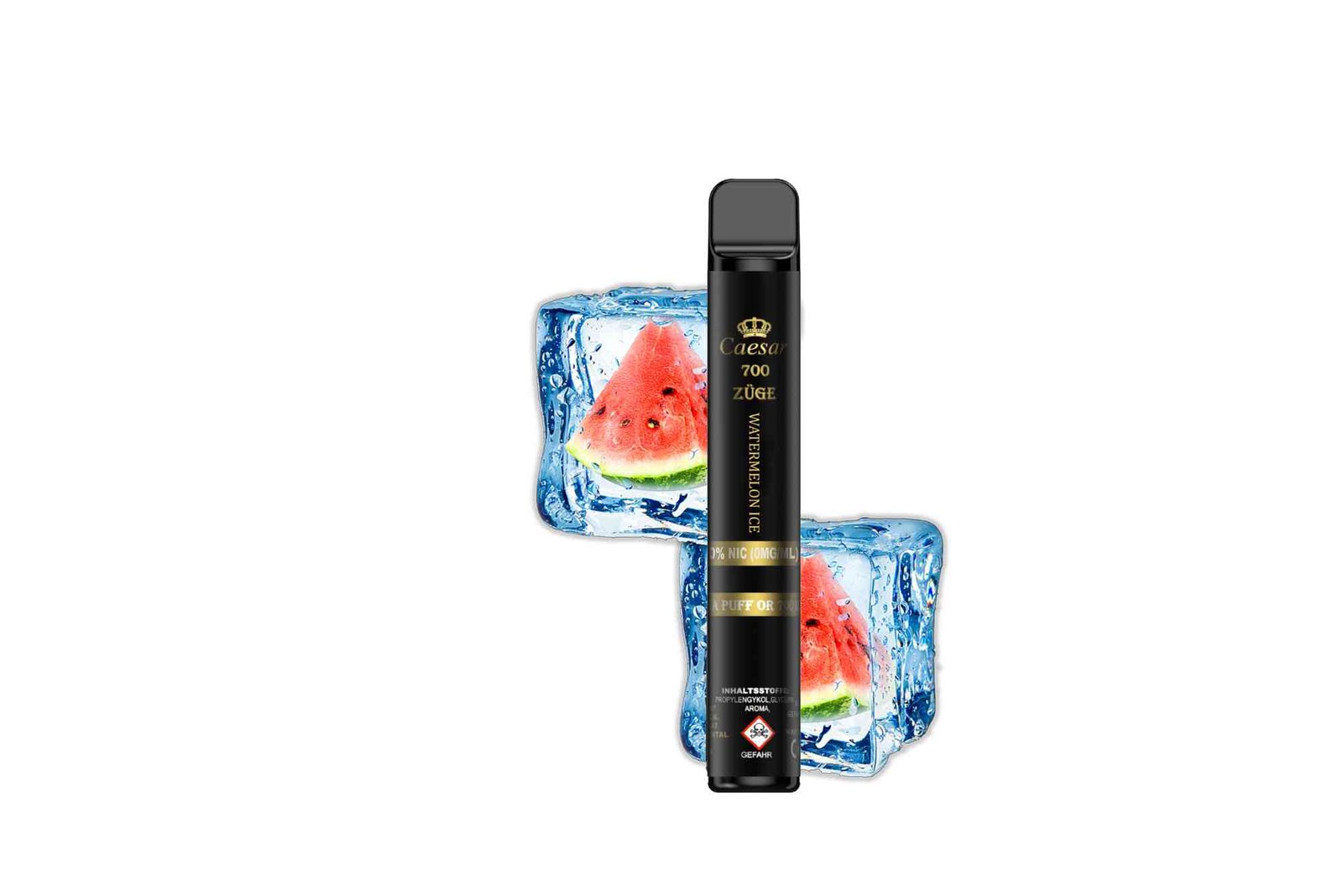
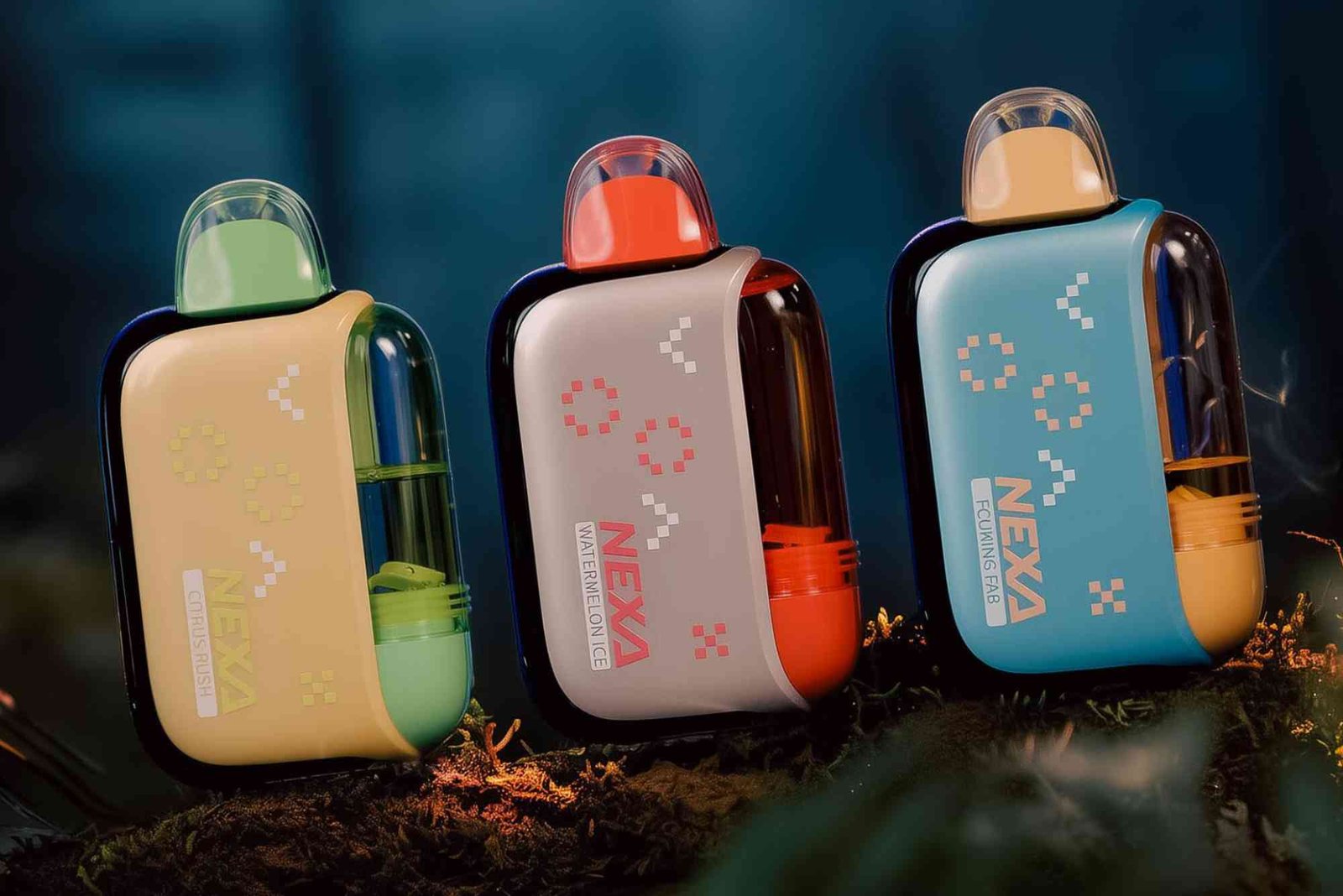
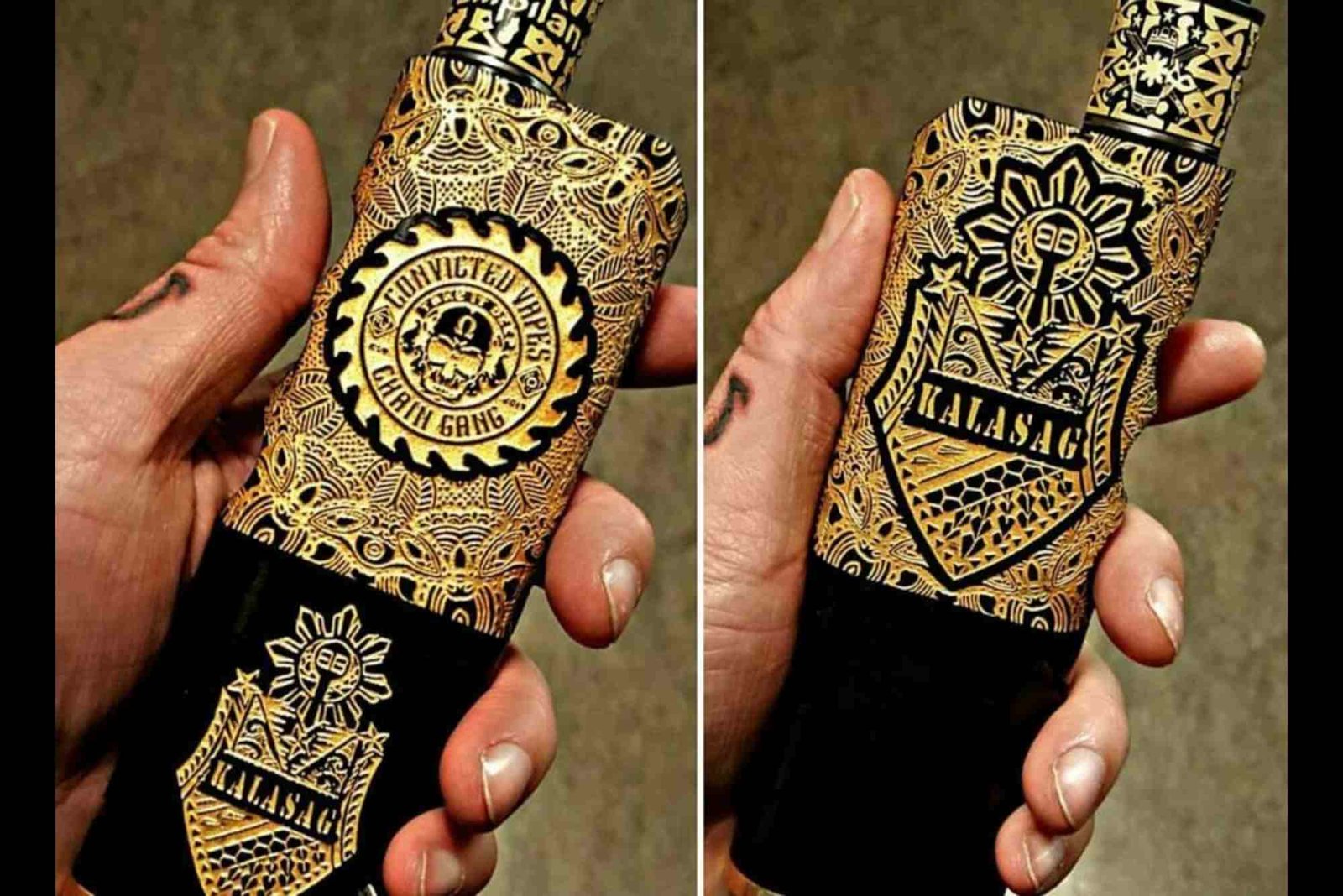
Vaping culture has developed recognizable visual elements within certain lifestyle communities. Device designs, packaging, colors, and accessories can reflect contemporary consumer aesthetics. However, vaping should not be confused with smart clothing or wearable technology.
The relationship between vaping and fashion is primarily cultural rather than technological. Some consumers associate vaping products with particular streetwear environments and modern lifestyle imagery.
Minimalist Designs and Contemporary Aesthetics
Modern product design often emphasizes simplicity, compact shapes, and clean finishes. Similar visual principles appear across electronics, fashion accessories, and vaping devices.
Minimalist aesthetics have influenced numerous consumer industries. Neutral colors, smooth surfaces, and understated details remain popular among brands targeting design-conscious audiences.
Nevertheless, attractive product design does not establish that vaping is safe. Nicotine-containing products can cause dependence, and vaping carries health risks. Fashion trends should never replace informed health decisions.
Streetwear and Lifestyle Identity
Streetwear has become an influential part of contemporary fashion. It combines casual clothing, creative expression, music, sports, and youth culture.
Oversized silhouettes, graphic designs, sneakers, and distinctive accessories help consumers communicate their identities. Lifestyle products sometimes appear within these cultural environments.
The influence of vaping culture on fashion is therefore better understood through branding and visual identity than through clothing technology itself.
How Gen Z Is Influencing Fashion Innovation
Younger consumers have become important contributors to changing fashion preferences. Many value individuality, authenticity, creativity, and digital experiences.
Social media platforms allow emerging designers and independent fashion labels to reach international audiences. Trends can develop quickly through creators, online communities, and digital campaigns.
Personal Expression and Individuality
Modern consumers increasingly experiment with different fashion styles. Some combine luxury clothing with affordable streetwear. Others prefer minimalist outfits, vintage designs, or gender-neutral collections.
This growing interest in personal expression encourages brands to develop flexible collections. Instead of following one dominant aesthetic, consumers can build wardrobes around their preferences.
Digital Communities and Fashion Discovery
Online communities influence how people discover new products. Fashion creators introduce emerging designers, styling ideas, and innovative accessories through digital platforms.
However, consumers also expect transparency. Brands must communicate clearly about product materials, manufacturing processes, and sustainability claims.
Sustainability and the Future of Smart Fashion
Sustainability is becoming an important consideration for fashion businesses. Consumers are paying greater attention to material quality, manufacturing practices, and product durability.
Smart technology can contribute to this development when it supports better product performance and longer product lifespans.
Eco-Friendly Materials and Intelligent Textiles
Fashion designers are exploring recycled fibers, organic materials, and innovative textile production methods. These materials can help reduce reliance on conventional resources.
Smart textiles may also improve clothing functionality. However, electronic components create additional recycling challenges. Brands must consider battery disposal, repairability, and electronic waste.
Responsible Consumer Choices
Sustainable fashion requires more than attractive marketing. Companies need transparent sourcing, responsible manufacturing, and realistic environmental claims.
Consumers can contribute by choosing durable clothing and avoiding unnecessary purchases. They can also research brands before supporting their products.
Vaping products raise separate environmental concerns. Disposable devices and batteries can contribute to electronic waste. Therefore, responsible product design and appropriate disposal remain important considerations.
The Role of Artificial Intelligence in Fashion
Artificial intelligence is changing how fashion businesses understand consumer preferences. Brands use digital tools to analyze shopping patterns, forecast demand, and improve product recommendations.
AI-powered styling platforms can suggest clothing combinations based on personal preferences. Virtual fitting technologies can also make online shopping more convenient.
AI-Powered Fashion Recommendations
Personalized recommendations help shoppers discover products that match their interests. Instead of browsing thousands of unrelated items, consumers can receive more relevant suggestions.
For fashion retailers, this technology can improve customer engagement. It also provides opportunities to understand changing preferences.
Virtual Fashion and Digital Experiences
Digital fashion is creating additional opportunities for designers and consumers. Virtual clothing, augmented reality, and digital showrooms allow people to explore creative concepts.
These experiences may become increasingly important as fashion brands expand their online presence. Nevertheless, physical clothing remains essential because consumers still value comfort, quality, and practical functionality.
Challenges Facing Fashion and Technology Brands
Despite its opportunities, combining technology and fashion presents several challenges. Smart clothing can be expensive to develop. Electronic components may require maintenance, while specialized materials can increase manufacturing costs.
Privacy is another important concern. Connected clothing and wearable devices may collect personal information. Companies must protect consumer data and explain how connected products operate.
Fashion brands also face the challenge of maintaining originality. Technology should improve the consumer experience rather than become an unnecessary marketing feature.
Similarly, lifestyle branding requires responsible communication. Companies should avoid presenting potentially harmful products as symbols of health, success, or social status.
What Does the Future Hold for Fashion Technology?
The future of fashion will likely involve greater integration between creativity, technology, and personalization. Smart textiles, connected accessories, digital shopping tools, and sustainable materials will continue influencing product development.
Designers may increasingly collaborate with software developers, engineers, and material scientists. These partnerships can produce clothing that responds to practical consumer needs.
The discussion of how vaping and smart fashion are changing the fashion industry in 2025 also demonstrates how cultural trends influence branding. However, the strongest long-term opportunities will come from meaningful innovation rather than temporary lifestyle associations.
Fashion companies that prioritize comfort, functionality, sustainability, and originality can build stronger relationships with consumers.
Conclusion
How vaping and smart fashion are changing the fashion industry in 2025 reflects a broader transformation in consumer culture. Technology is influencing clothing design, personalization, shopping experiences, and lifestyle branding.
Gender-neutral fashion is redefining modern style by promoting inclusivity, individuality, and self-expression. In 2025, vaping culture intersects with this trend through minimalist designs, versatile accessories, and contemporary aesthetics. This combination reflects a lifestyle where personal style goes beyond traditional gender boundaries, embracing creativity, comfort, and freedom of expression.
Frequently Asked Questions
How is technology changing the fashion industry in 2025?
Technology is transforming fashion through smart clothing, wearable devices, artificial intelligence, and virtual shopping. These innovations improve personalization, convenience, and product functionality.
What is smart fashion?
Smart fashion combines clothing with modern technology. It includes intelligent fabrics, temperature-regulating garments, fitness-monitoring clothing, and connected accessories.
How is vaping culture influencing fashion trends?
Vaping culture has developed visual connections with some streetwear and lifestyle communities. Device designs, minimalist aesthetics, and branding sometimes reflect contemporary fashion preferences.
Why is Gen Z influencing the future of fashion?
Gen Z values individuality, creativity, sustainability, and personal expression. Social media also helps younger consumers discover emerging designers and influence fashion trends.
What role does wearable technology play in modern fashion?
Wearable technology makes clothing more functional. Smart garments can monitor movement, regulate temperature, and provide useful information through connected features.
Discover a fresh perspective on vaping, lifestyle, and modern trends with The Vapeza. Whether exploring vaping culture, industry developments, or the latest discussions around vape technology, The Vapeza offers informative content for curious readers. Visit The Vapeza to explore engaging insights, useful information, and updates from the evolving world of vaping.