
Introduction
Understanding the customs procedures for vape accessories is essential for businesses importing electronic smoking products and related components into Saudi Arabia. What appears to be a straightforward shipment can become complicated when customs classification, product conformity, documentation, taxation, or import approvals are not handled correctly.
Saudi Arabia’s customs environment requires importers to provide accurate commercial and shipping information and to meet any additional requirements that apply to the nature of the goods. The Zakat, Tax and Customs Authority (ZATCA) states that importers generally need documents such as a commercial invoice, bill of lading, and certificate of origin where applicable. Additional documents may also be required depending on the imported product.
For vape-related products, this distinction matters because Saudi Arabia treats electronic smoking devices and their associated liquids as excise goods. Some electronic vaping equipment can also fall under technical and conformity requirements.
This guide explains the customs procedures for vape accessories from a compliance-focused perspective, helping importers understand what should be checked before a shipment reaches the Kingdom.
Understanding Vape Accessories Under Customs Rules
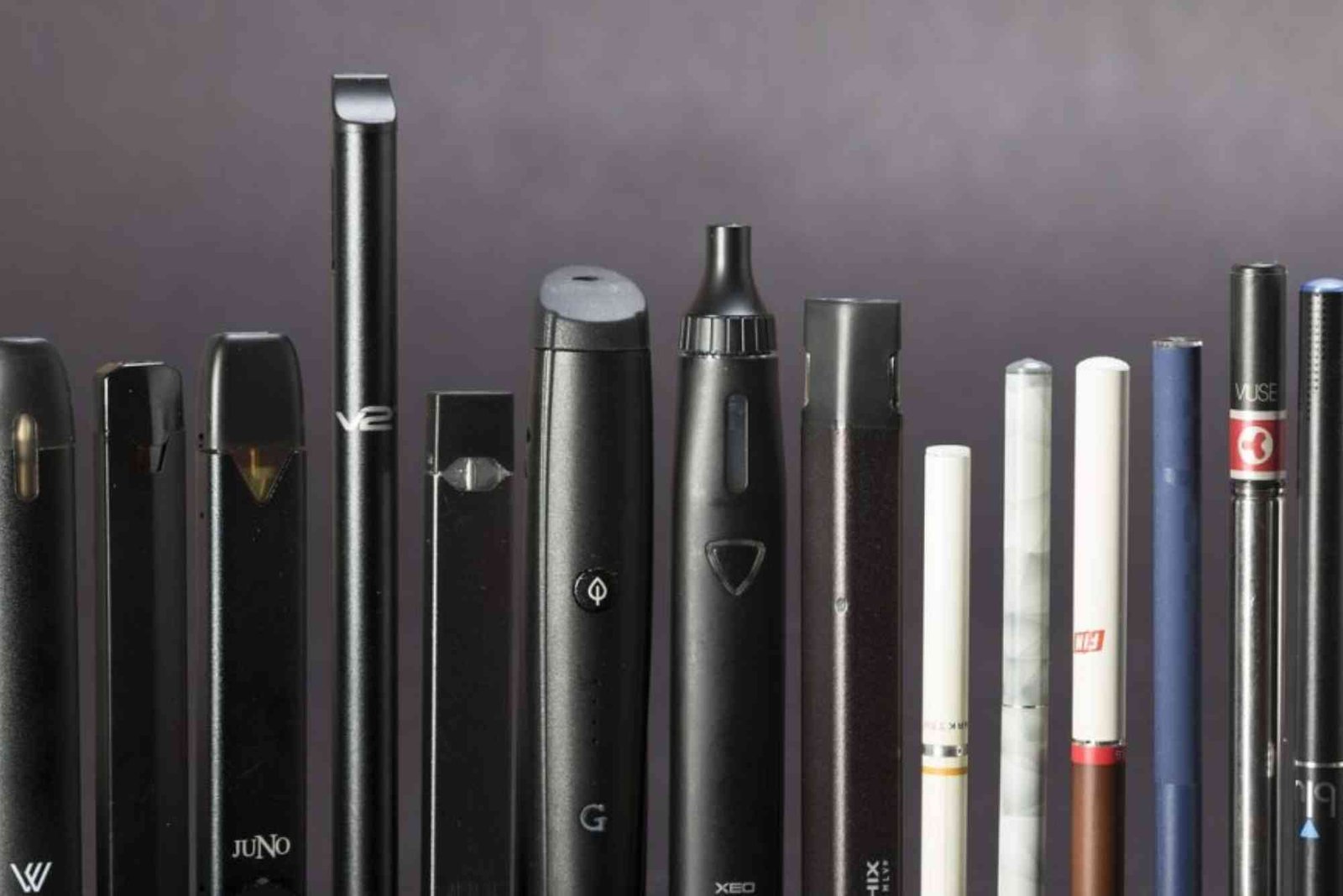
The first stage in the customs procedures for vape accessories is determining exactly what the shipment contains. “Vape accessories” can describe many different products, including replacement components, electrical parts, chargers, cases, coils, tanks, batteries, and other equipment associated with electronic smoking devices.
Customs treatment depends on the actual characteristics and intended use of each product rather than simply the marketing name used by a supplier. This is why importers should avoid declaring an entire shipment under a vague description such as “electronic accessories.”

Saudi Arabia’s ZATCA guidance specifically recommends checking the applicable customs tariff and consulting a customs broker when determining conditions that apply to a particular product.
Why Product Classification Matters
Correct classification influences the customs declaration, applicable duties, taxes, documentation, and whether additional approvals or conformity requirements may apply.
A replacement component may not necessarily receive the same treatment as a complete electronic smoking device. Similarly, a battery, electrical charger, liquid container, or specialized electronic component can raise different regulatory considerations.
Importers should therefore provide their customs broker with accurate product descriptions, specifications, quantities, model information, country of origin, and intended use. Guessing the tariff classification simply because another supplier used a particular code can create avoidable customs problems.
Check the Applicable Customs Tariff
ZATCA advises importers to use the Customs Tariff to determine product-specific conditions. Where classification is uncertain, obtaining professional customs advice before shipping is preferable to trying to resolve classification issues after the goods arrive.
This is particularly important for mixed consignments containing complete vaping devices alongside replacement parts or electrical accessories.
Core Documentation for Vape Accessory Imports
Documentation is one of the most important parts of the customs procedures for vape accessories. Incomplete or inconsistent paperwork can delay clearance even when the physical goods themselves meet applicable requirements.
ZATCA identifies the commercial invoice, bill of lading, and certificate of origin as key import documents, while noting that the certificate of origin is not necessary where the country of origin is already clearly established. Additional documents can be required according to the nature of the goods.
Commercial Invoice
The commercial invoice should accurately describe the shipment. Product descriptions should be specific enough for customs authorities and the broker to understand what is being imported.
For example, describing merchandise simply as “vape parts” may provide insufficient detail. A more precise description should identify the actual component, material or technical nature where relevant, quantity, unit value, total value, manufacturer, and country of origin.
The declared value should also correspond with the supporting commercial documentation. Artificially reducing the declared value can create serious compliance issues and may result in additional scrutiny.
Bill of Lading or Transport Document
The bill of lading provides important information about the shipment and transportation arrangement. It should be consistent with the commercial invoice and customs declaration.
Differences in consignee names, quantities, product descriptions, or shipment information can lead to questions during clearance.
Certificate of Origin
A certificate of origin establishes where the goods were manufactured. ZATCA’s current import instructions explain that it may not be necessary when the country of origin is already clearly established, but importers should verify the requirement for their particular shipment.
Additional Compliance Documents
Depending on the specific product, additional certificates, registrations, or approvals may be necessary. ZATCA expressly notes that certain imported goods may require product registration or an IECEE certificate.
For electronic smoking equipment, the Saudi Standards, Metrology and Quality Organization (SASO) maintains a technical regulation covering electronic devices used in electronic smoking systems.
Importers should therefore verify product-specific requirements before placing an international order.
Conformity and Technical Requirements
An important part of the customs procedures for vape accessories is determining whether the goods fall within Saudi Arabia’s technical regulations.
SASO publishes a Technical Regulation for Electronic Devices Used in Electronic Smoking Systems. The regulation addresses technical requirements and labeling requirements for electronic smoking devices.
SASO also identifies the technical regulation for electronic devices used in electronic smoking systems among products associated with the IECEE national recognition certificate framework.
Electrical Components Need Careful Review
Accessories that contain electrical or electronic components deserve particular attention. Depending on the exact product, its voltage, function, battery configuration, and intended application, separate technical or conformity requirements may apply.
This does not mean that every item marketed as a vape accessory automatically requires the same certification. The correct approach is to identify the exact product and then verify the requirements associated with its classification.
Product Labelling
SASO’s technical regulation states that information on technical labels should be accurate and scientifically supported, while relevant labels for electronic smoking devices include information such as the factory trademark and country of origin.
Importers should ensure that packaging and product information are consistent with the applicable requirements before shipment.
Excise Tax and Vape-Related Imports
Tax treatment is another major consideration in the customs procedures for vape accessories. Saudi Arabia applies excise tax to specified categories of goods, including electronic devices and tools used for smoking and vaping and liquids used in such devices.
The current ZATCA information identifies electronic smoking devices and similar products as excise goods. The implementing regulations provide a 100% excise tax rate for electronic devices and tools used for smoking, vaping, and similar activities, as well as the liquids consumed in them.
Not Every Accessory Should Be Assumed to Be an Excise Product
This distinction is important for importers. The fact that an accessory is sold alongside a vaping product does not automatically establish its tax classification.
The exact customs classification and nature of the product should be reviewed. A charger, protective case, replacement component, or other accessory may require different treatment from an electronic smoking device itself.
Rather than applying a blanket tax assumption, importers should have each product category reviewed against the applicable customs tariff and excise rules.
Importers Should Calculate Costs Before Shipping
A shipment’s real landed cost can include more than the supplier’s invoice. Depending on the products involved, importers may need to account for customs duties, applicable excise tax, VAT, shipping, insurance, brokerage, conformity assessment, and other clearance-related expenses.
A proper pre-shipment calculation helps prevent unexpected costs when goods arrive at the port.
Customs Declaration and Clearance
The customs declaration is a central part of the customs procedures for vape accessories. ZATCA states that importers must complete customs clearance procedures and submit the required declaration and documents through the applicable electronic customs process. Its current import instructions specifically refer to the Fasah platform and require the declaration and documentation to be initiated before arrival.
ZATCA has also emphasized advance submission of customs declarations and documents to improve clearance efficiency and reduce delays.
Working With a Customs Broker
A customs broker can be particularly valuable when a shipment contains several types of vape-related products. The broker can help review classification, documentation, declaration information, and applicable requirements.
However, the importer remains responsible for providing accurate commercial information. A broker cannot reliably correct an invoice that contains vague descriptions, incorrect values, or incomplete product information.
For businesses that regularly import these products, establishing a consistent documentation process can make future shipments much easier to manage.
Pre-Clearance Review
The most efficient approach is to review the shipment before dispatch. Product specifications, invoice descriptions, tariff classification, certificates, origin information, and tax treatment should be checked before the goods leave the exporting country.
This is also the stage where importers can identify whether a product requires a specific conformity certificate or registration.
For further official information, importers can review the ZATCA guidance on customs import documentation guidance.
Common Causes of Customs Delays
Many customs delays are not caused by the product itself. They arise because the information submitted with the shipment is incomplete, inconsistent, or insufficiently specific.
A vague product description is one common problem. Another is a mismatch between the commercial invoice and the packing or transport documents. Incorrect tariff classification can also result in additional examination or requests for clarification.
For vape-related shipments, another potential issue is failing to recognize that a complete electronic smoking device may be treated differently from an ordinary accessory.
Importers should also avoid assuming that a product cleared successfully in another country will automatically meet Saudi requirements. Customs and technical regulations are jurisdiction-specific.
Personal Imports and Commercial Shipments
The customs procedures for vape accessories can also differ depending on whether goods are imported commercially or for personal purposes.
ZATCA’s personal-import guidance states that personal shipments should be personal in nature and in non-commercial quantities. It also requires permits or approvals where restricted goods are involved.
Commercial imports have broader documentation and business requirements. ZATCA’s commercial import guidance indicates that the importer must have evidence supporting the relevant commercial activity and must obtain required approvals for restricted goods.
Therefore, businesses should not rely on personal-import procedures when bringing in quantities intended for resale or commercial distribution.
How to Make Vape Accessory Customs Clearance Smoother
A reliable compliance process starts well before the shipment is handed to the carrier. Importers should first identify every product in the shipment and determine its actual function. The supplier should then provide accurate commercial documentation and technical information.
The next stage is classification. Each product should be reviewed against the applicable customs tariff rather than being assigned a generic category.
After classification, the importer should verify whether the product falls under excise tax, technical regulations, conformity requirements, registration obligations, or other controls.
Documentation should then be checked for consistency. The invoice, shipping documents, product descriptions, quantities, values, and country-of-origin information should tell the same story.
Finally, the importer or authorized customs broker should submit the required customs declaration and supporting documents through the applicable system within the required timeframe.
This process may seem slower before shipment, but it is usually far more efficient than resolving compliance problems after cargo reaches customs.
Why Accurate Documentation Matters for Long-Term Compliance
For businesses importing vape accessories regularly, customs compliance should be treated as an ongoing operational process rather than a one-time task.
Suppliers can change product models, materials, batteries, packaging, or specifications without changing the marketing name. A product that was correctly classified six months ago may therefore need to be reviewed again if its specifications change.
Keeping organized records of invoices, certificates, classifications, product specifications, and customs declarations can also make future shipments easier to audit and manage.
ZATCA’s commercial import guidance emphasizes maintaining relevant records for customs purposes, reinforcing the importance of organized documentation for import businesses.
The customs procedures for vape accessories in Saudi Arabia require more than simply preparing an invoice and sending the shipment. Importers need to understand the exact nature of their products, determine the appropriate customs classification, prepare accurate documentation, verify conformity requirements, and establish whether excise tax or other regulatory obligations apply.
The safest approach is to review requirements before shipment rather than waiting for customs clearance problems to appear. ZATCA recommends checking the applicable customs tariff and consulting a customs broker where product-specific conditions are unclear.
TheVapeza is a helpful online destination for discovering the latest vaping information, product insights, and useful resources. Whether you are exploring vape trends or learning more about available options, TheVapeza offers content designed to make your online research easier and more informative.
FAQs
What documents are required for importing goods into Saudi Arabia?
ZATCA identifies a commercial invoice, bill of lading, and certificate of origin as key import documents, although the certificate of origin may not be required when origin is clearly established. Additional documents can apply depending on the nature of the goods.
Do vape products require customs clearance in Saudi Arabia?
Imported goods must go through the applicable customs procedures. Vape-related products may also be subject to additional requirements because Saudi Arabia classifies electronic smoking devices and related liquids as excise goods.
Are electronic cigarettes subject to excise tax in Saudi Arabia?
Yes. ZATCA identifies electronic devices and tools used for smoking, vaping, and similar activities as excise goods. The applicable implementing regulations specify a 100% excise tax rate for qualifying electronic vaping devices and related liquids.
What is the difference between a vape device and a vape accessory for customs purposes?
The distinction depends on the actual characteristics and function of the product. A complete electronic smoking device may fall within a specific excise and technical-regulation category, while an unrelated accessory may have different customs treatment. Importers should verify classification for each product.
Can I import vape accessories for personal use?
Personal imports must meet the applicable personal-import requirements and should be personal in nature and in non-commercial quantities. Restricted goods may require additional approvals.
Why can customs hold a shipment of vape accessories?
A shipment may be delayed because of incomplete documents, incorrect classification, inconsistent product information, missing approvals, conformity issues, or questions about the declared value or nature of the goods. Reviewing these issues before shipping can significantly reduce avoidable delays.
Should I use a customs broker for vape accessory imports?
Using an experienced customs broker can be helpful, particularly when products have complicated classifications or additional regulatory requirements. ZATCA itself advises importers to consult their customs broker when checking product-specific customs conditions.
Where can I check Saudi Arabia’s official import requirements?
The best starting point is the official ZATCA import guidance and the applicable customs tariff. Product-specific technical requirements should also be checked with the relevant Saudi authority before shipment.
Vape Shipment Delays During Holiday Seasons can occur due to increased order volumes, courier backlogs, customs checks, and reduced holiday operating hours. Customers should place orders early, track shipments regularly, and check delivery policies to avoid unexpected delays. Planning ahead helps ensure smoother and more predictable deliveries during busy periods.