
Why Is It Illegal to Vape Around Children Matters in the Harm Reduction Debate
Introduction
Vaping has become an important topic in public health discussions. Although many adults consider vaping an alternative to traditional smoking, concerns remain about children’s safety. Exposure to secondhand vape aerosol raises questions about respiratory health, nicotine exposure, and responsible behaviour.
Understanding Why Is it illegal to vape around children Matters in the Harm Reduction Debate requires examining two important issues. The first concerns protecting children from potentially harmful substances. The second involves recognising vaping’s role in adult smoking harm reduction.
These issues deserve careful consideration because children have different health needs from adults. Their developing bodies may be more vulnerable to environmental pollutants and nicotine exposure. Therefore, understanding the risks helps parents, caregivers, and policymakers make informed decisions.
The debate is not simply about banning vaping everywhere. Instead, it concerns creating environments where children can remain protected while adults receive accurate information about smoking alternatives.
Why Is it Illegal to Vape Around Children Matters for Child Safety
The question of why vaping around children matters goes beyond personal preferences. It involves public health, parental responsibility, and environmental safety.
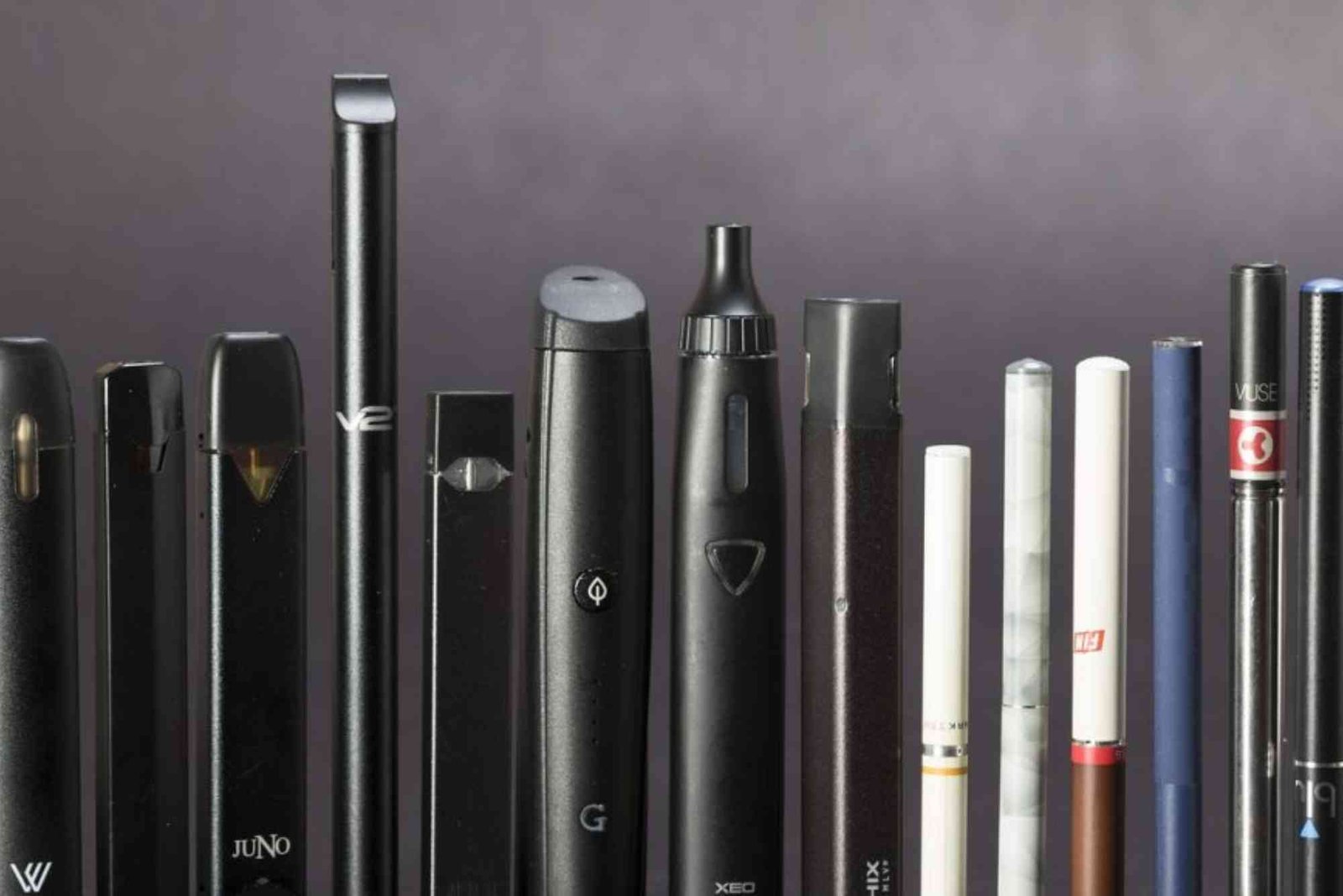
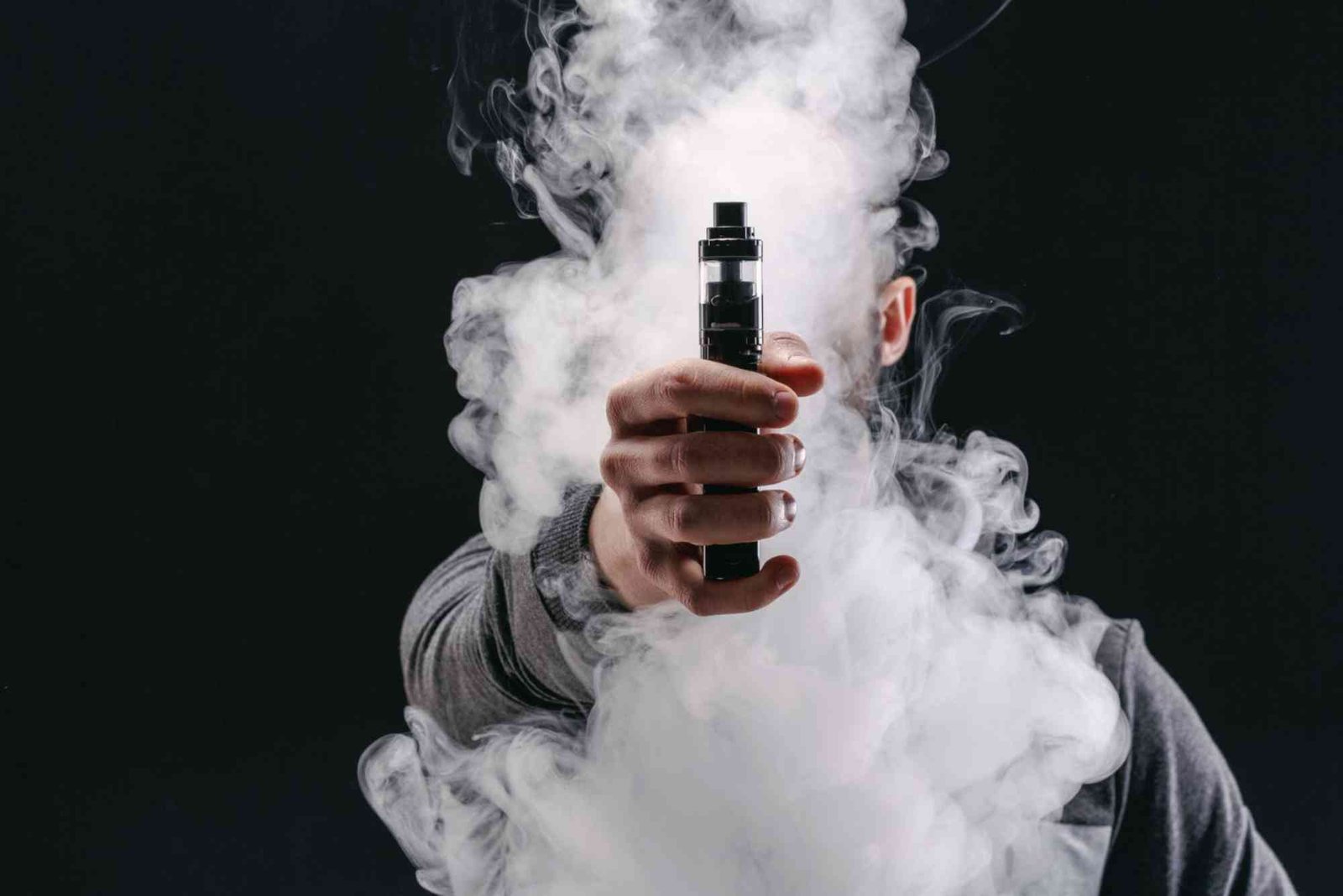
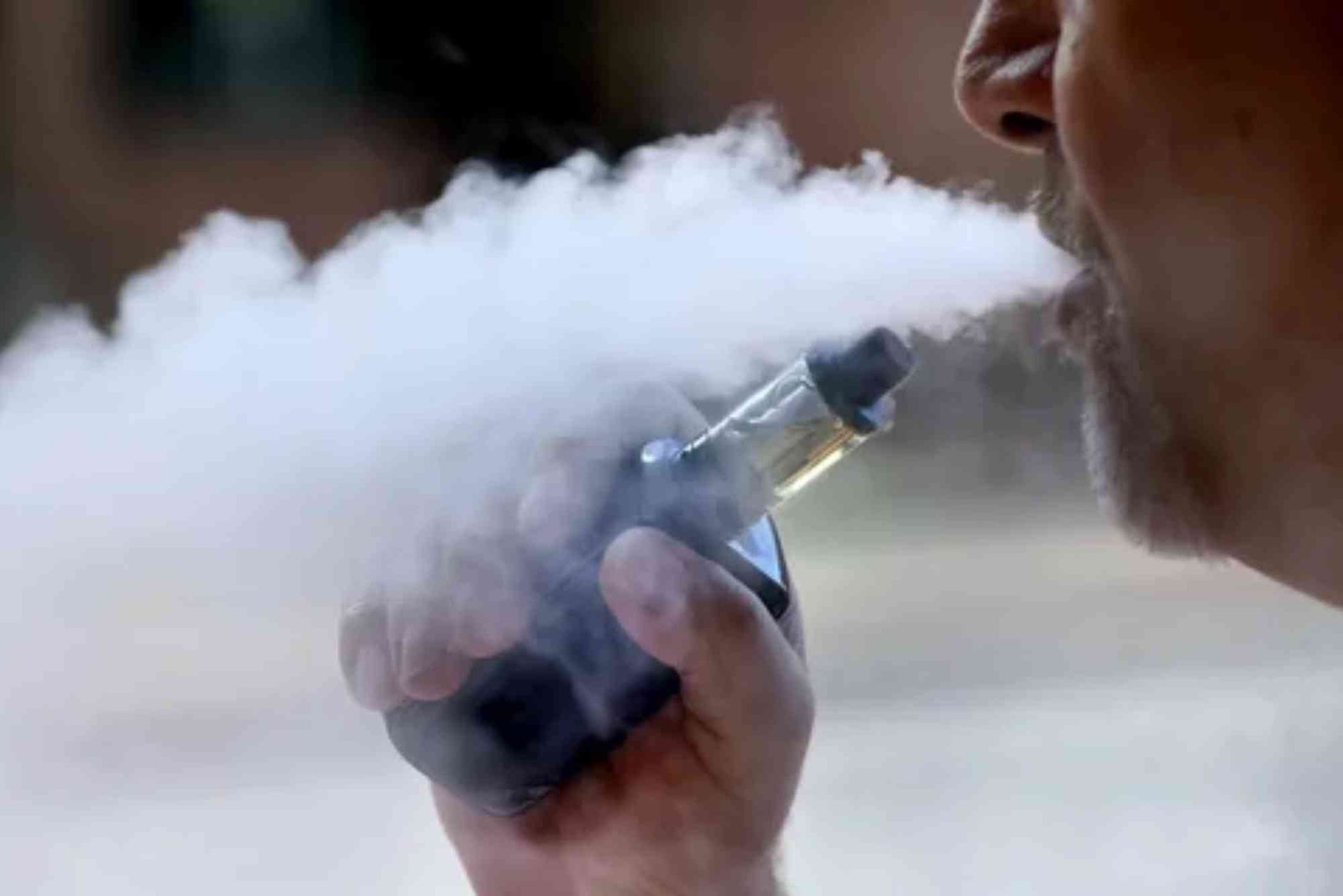
Vaping devices heat liquids to create an aerosol. These liquids commonly contain nicotine, flavourings, and other chemical ingredients. The aerosol is not simply harmless water vapour.

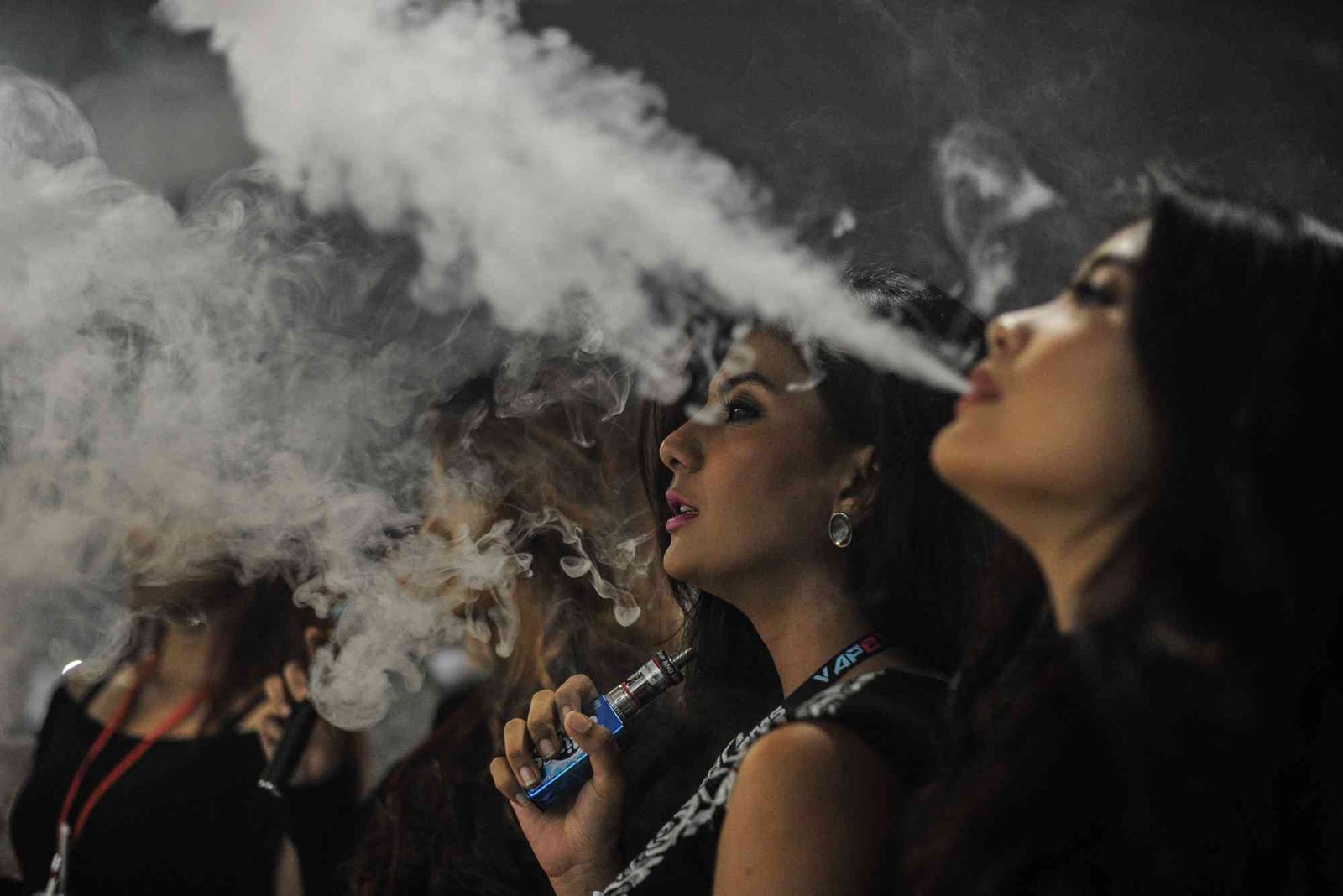
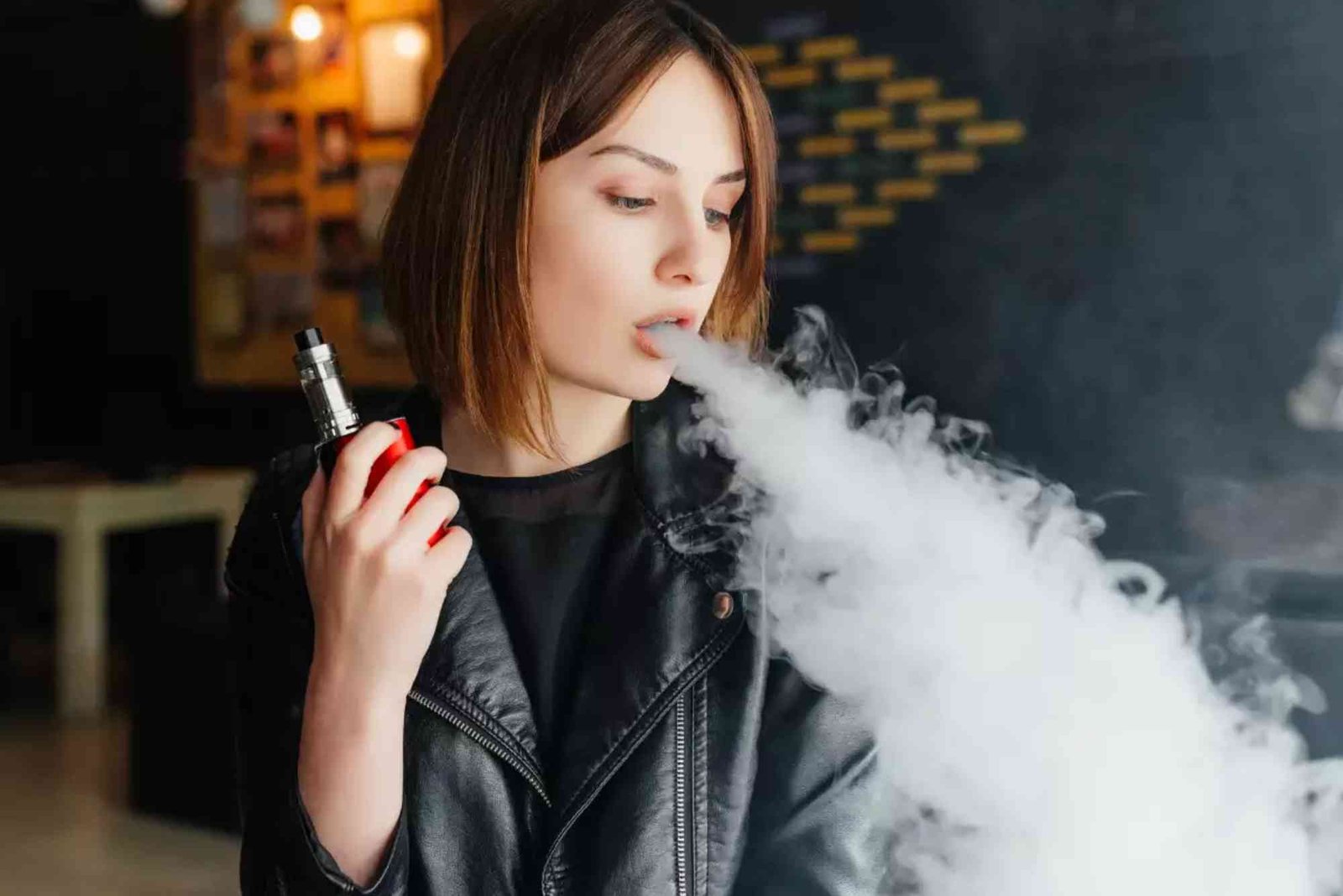
According to public health guidance, secondhand vape aerosol can contain nicotine, ultrafine particles, and potentially harmful chemicals. Children may inhale these substances when adults vape nearby.
The American Academy of Pediatrics (AAP) highlights the importance of protecting children from tobacco and nicotine exposure. Its guidance also addresses the risks associated with electronic cigarettes.
Why Are Children More Vulnerable to Vape Exposure?
Children’s lungs, immune systems, and brains continue developing throughout childhood. Therefore, exposure to unwanted chemicals deserves particular attention.
Young children also breathe faster than adults. This can increase their exposure to airborne substances relative to their body size.
Nicotine presents another important concern. Repeated exposure during childhood can raise concerns about developing health and future nicotine dependence.
Furthermore, children cannot always recognise environmental risks. They depend on adults to maintain safe surroundings.
Understanding Secondhand Vape Aerosol and Its Potential Effects
Secondhand exposure happens when people nearby breathe aerosol released by someone using an electronic cigarette. This exposure can occur inside homes, vehicles, and other enclosed environments.
The exact composition depends on the device, liquid ingredients, temperature, and usage patterns. Consequently, exposure levels can differ considerably.
Public health authorities have identified several substances that may appear in vape aerosol. These include nicotine, metals, volatile organic compounds, and fine particles.
However, researchers are still investigating the long-term effects of secondhand vaping. This distinction matters because potential risks should not be presented as proven outcomes.
Respiratory Health and Developing Lungs
Children’s respiratory systems are particularly important when considering indoor air quality. Airborne particles may irritate sensitive airways.
Children with asthma or other respiratory conditions deserve additional protection. Exposure to airborne irritants could make breathing more uncomfortable.
Parents should therefore maintain smoke-free and vape-free indoor environments. Opening windows or using ventilation does not completely eliminate exposure.
Nicotine Exposure and Child Development
Nicotine is an addictive substance that can affect developing brains. Children and teenagers are especially vulnerable to nicotine-related concerns.
Although secondhand exposure differs from directly using a vape, it should not be ignored. Research has demonstrated that non-users can absorb nicotine after exposure to secondhand aerosol.
Additionally, nicotine-containing liquids can create accidental poisoning risks. Young children might mistake colourful e-liquid containers for ordinary household products.
Why Is it Illegal to Vape Around Children Under Certain Laws?
The legality of vaping around children depends on the country and specific circumstances. It is important to distinguish between health recommendations and enforceable legal restrictions.
Some jurisdictions restrict vaping in workplaces, public spaces, schools, and vehicles. Other locations have additional rules concerning children and enclosed environments.
For example, England and Wales prohibit smoking in private vehicles carrying anyone under 18. However, the existing vehicle smoking prohibition does not automatically cover vaping.
This distinction is essential when discussing why is it illegal to vape around children. A health recommendation does not necessarily mean that every instance of vaping near a child is a criminal offence.
Local legislation should always be checked before making legal claims. Parents and caregivers should also follow childcare policies and property regulations.
Legal Restrictions and Parental Responsibility
Legal restrictions aim to reduce children’s exposure to potentially harmful substances. They also establish clear expectations for responsible behaviour.
Even where vaping is not specifically prohibited, adults should avoid exposing children to aerosol. Protecting children should remain a priority regardless of legal technicalities.
Why Is it Illegal to Vape Around Children in the Harm Reduction Debate?
The harm reduction debate examines whether vaping can help adults move away from traditional cigarettes. This discussion requires recognising differences between adult smokers and children.
For adults who smoke, completely switching from combustible cigarettes to regulated vaping products can reduce exposure to many harmful chemicals. American Academy of Pediatrics — vaping & child safety guidance However, vaping is not risk-free and should not be encouraged among non-smokers.
The challenge involves balancing adult smoking harm reduction with children’s right to clean air.
Understanding the Difference Between Smoking and Vaping
Traditional cigarettes burn tobacco and release smoke containing thousands of chemicals. Electronic cigarettes heat liquid instead of burning tobacco.
As a result, vaping generally exposes users to fewer harmful chemicals than smoking. Nevertheless, fewer harmful substances do not mean harmless exposure.
The NHS recognises vaping as a potential smoking cessation tool for adults. It also recommends avoiding vaping around babies and children as a precaution.
This balanced approach supports harm reduction without overlooking child safety.
Why Child Protection Must Remain a Priority
Children should never become unintended participants in adult nicotine consumption. Their exposure is unnecessary and avoidable.
Harm reduction should focus on helping smokers move away from combustible tobacco. It should not create additional exposure risks for family members.
Therefore, responsible vaping policies should protect children without spreading misleading information about adult smoking cessation.
Comparing Vaping and Smoking Around Children
Understanding the differences helps explain why vaping regulations and health recommendations require careful consideration.
|
Comparison Factor |
Traditional Smoking |
Electronic Vaping |
|---|---|---|
|
Main process |
Burns tobacco |
Heats liquid |
|
Emissions |
Tobacco smoke |
Aerosol |
|
Nicotine exposure |
Possible through secondhand smoke |
Possible through secondhand aerosol |
|
Harmful substances |
Numerous toxic chemicals |
Potentially harmful chemicals and particles |
|
Indoor air quality |
Creates significant pollution |
Can introduce airborne contaminants |
|
Child safety |
Established serious health risks |
Potential risks remain under investigation |
|
Recommended approach |
Keep children away from smoke |
Keep children away from aerosol |
The comparison shows why vaping and smoking should not be treated as identical. However, neither should be considered appropriate around children.
How Parents Can Protect Children From Vape Exposure
Creating a healthier environment begins with consistent household boundaries. Parents and caregivers should establish clear expectations about vaping.
Homes and family vehicles should remain completely vape-free. This protects children from unnecessary exposure in enclosed spaces.
Adults who vape should move away from children before using their devices. They should also avoid vaping near playgrounds, schools, and childcare facilities.
Safe storage is equally important. E-liquids, cartridges, and devices should remain locked away and out of children’s reach.
Parents should also discuss nicotine honestly with teenagers. Open conversations can help children understand addiction and resist social pressure.
The Importance of Responsible Adult Behaviour
Children frequently learn behaviours by observing adults. When parents vape openly, children may interpret the activity as harmless.
Avoiding vaping around children sends a clearer message about nicotine risks. It also demonstrates respect for other people’s health and comfort.
Adults who want to quit nicotine can seek professional cessation support. Healthcare professionals can explain suitable treatment options and individual risks.
The Role of Public Health Education in Vaping Regulations
Public education plays an important role in reducing childhood exposure. Many people misunderstand vaping because its aerosol disappears more quickly than cigarette smoke.
However, visible disappearance does not prove that the air is completely clean. Education should explain the difference between reduced harm and zero risk.
The American Academy of Pediatrics provides guidance on electronic cigarettes, nicotine exposure, and protecting young people. Its recommendations support stronger protections against youth tobacco and nicotine use.
Schools, healthcare professionals, and community organisations can reinforce these messages. Clear communication helps families understand their responsibilities without exaggerating scientific evidence.
Balancing Adult Freedom and Children’s Rights
Adults have different circumstances and health needs. Some use vaping products while attempting to stop smoking.
However, personal choices should not compromise children’s environments. Protecting children from unnecessary aerosol exposure is a reasonable public health objective.
Effective regulations should recognise both concerns. They should support evidence-based smoking cessation while maintaining strong protections for children.
Frequently Asked Questions About Vaping Around Children
Is it bad to vape around children?
Yes, vaping around children is best avoided. Secondhand aerosol can contain nicotine, fine particles, and other potentially harmful substances. Children are still developing, making unnecessary exposure an important health concern.
Can secondhand vape aerosol harm babies?
Secondhand vape aerosol may expose babies to nicotine and other chemicals. Researchers are still investigating its long-term effects. Therefore, parents should maintain completely vape-free environments around babies.
Is it illegal to vape in a car with a child?
The answer depends on local legislation. In England and Wales, smoking in a private vehicle carrying someone under 18 is prohibited. However, that specific smoking prohibition does not automatically include vaping. Always check local vaping regulations.
Is vaping safer than smoking around children?
Vaping generally produces fewer harmful chemicals than traditional cigarette smoking. However, its aerosol is not harmless. Neither smoking nor vaping should take place around children.
Does vape smoke stay in a room?
Vaping produces aerosol rather than traditional smoke. Some airborne particles and chemicals can remain indoors after vaping stops. Residues may also settle on surfaces. Ventilation can reduce exposure but cannot guarantee completely clean air.
What should parents do if someone vapes around their children?
Parents should politely ask the person to stop vaping nearby. Moving children away from the aerosol is also sensible. They should establish clear vape-free household and vehicle rules.
TheVapeza.com is a useful online destination for people interested in vaping products, devices, accessories, and related information. It can help readers explore different vape options, understand product features, and stay informed about the latest trends in the vaping industry. Whether you are new to vaping or an experienced user, TheVapeza.com offers helpful insights.
Conclusion
Understanding Why Is it illegal to vape around children Matters in the Harm Reduction Debate requires balancing two important public health priorities. Adults deserve accurate information about vaping as a potential alternative to combustible cigarettes. Meanwhile, children deserve protection from unnecessary nicotine and aerosol exposure.
Vaping regulations differ between countries, so the word illegal should be used carefully. Nevertheless, avoiding vaping around children remains a sensible precaution.
Harm reduction should never mean overlooking children’s safety. Responsible decisions, effective education, and appropriate regulations can support healthier environments.
Take Action: Help protect children by maintaining vape-free homes and vehicles. Share reliable health information with parents and caregivers. Encourage adults who smoke to seek professional support when considering safer alternatives.