
Why Is It Illegal to Vape in Shops Matters in the Harm Reduction Debate
Introduction
The question of why is it illegal to vape in shops matters in the harm reduction debate because it involves public health, consumer rights, and responsible vaping practices. Although vaping is often discussed as an alternative to traditional smoking, using electronic cigarettes inside retail environments raises several concerns.
Shops are shared spaces where employees, customers, and visitors interact. Therefore, businesses must consider everyone’s comfort and safety. Restrictions on indoor vaping also help retailers follow local regulations and maintain professional environments.
However, the discussion is more complicated than simply banning vaping. Harm reduction advocates argue that vaping may help some adult smokers move away from combustible tobacco. Meanwhile, public health authorities emphasize the importance of protecting non-users from unnecessary exposure.
Understanding why is it illegal to vape in shops requires examining these different perspectives. It also means understanding how retail restrictions influence the wider harm reduction debate.
Why Is It Illegal to Vape in Shops?
Vaping restrictions inside shops generally exist to protect public spaces and establish consistent rules for businesses. However, the exact legal position depends on the country, state, and municipality.
In some jurisdictions, vaping is covered by smoke-free legislation. Elsewhere, separate regulations address electronic cigarettes. Individual businesses may also introduce stricter indoor policies.

Retail environments involve frequent customer interactions. Employees cannot always avoid exposure when someone uses a vaping device nearby. Consequently, businesses may prohibit indoor vaping to maintain comfortable working conditions.
Another consideration is customer expectations. Some visitors dislike aerosol exposure, unfamiliar smells, or visible vaping activities. Restrictions help retailers accommodate different preferences.
Importantly, these rules do not necessarily mean vaping is treated identically to smoking everywhere. Legal definitions vary considerably.
The Connection Between Shop Restrictions and Harm Reduction
The harm reduction debate focuses on reducing the negative consequences associated with tobacco use. It considers whether alternatives can help adult smokers reduce or eliminate their exposure to harmful substances produced by burning tobacco.
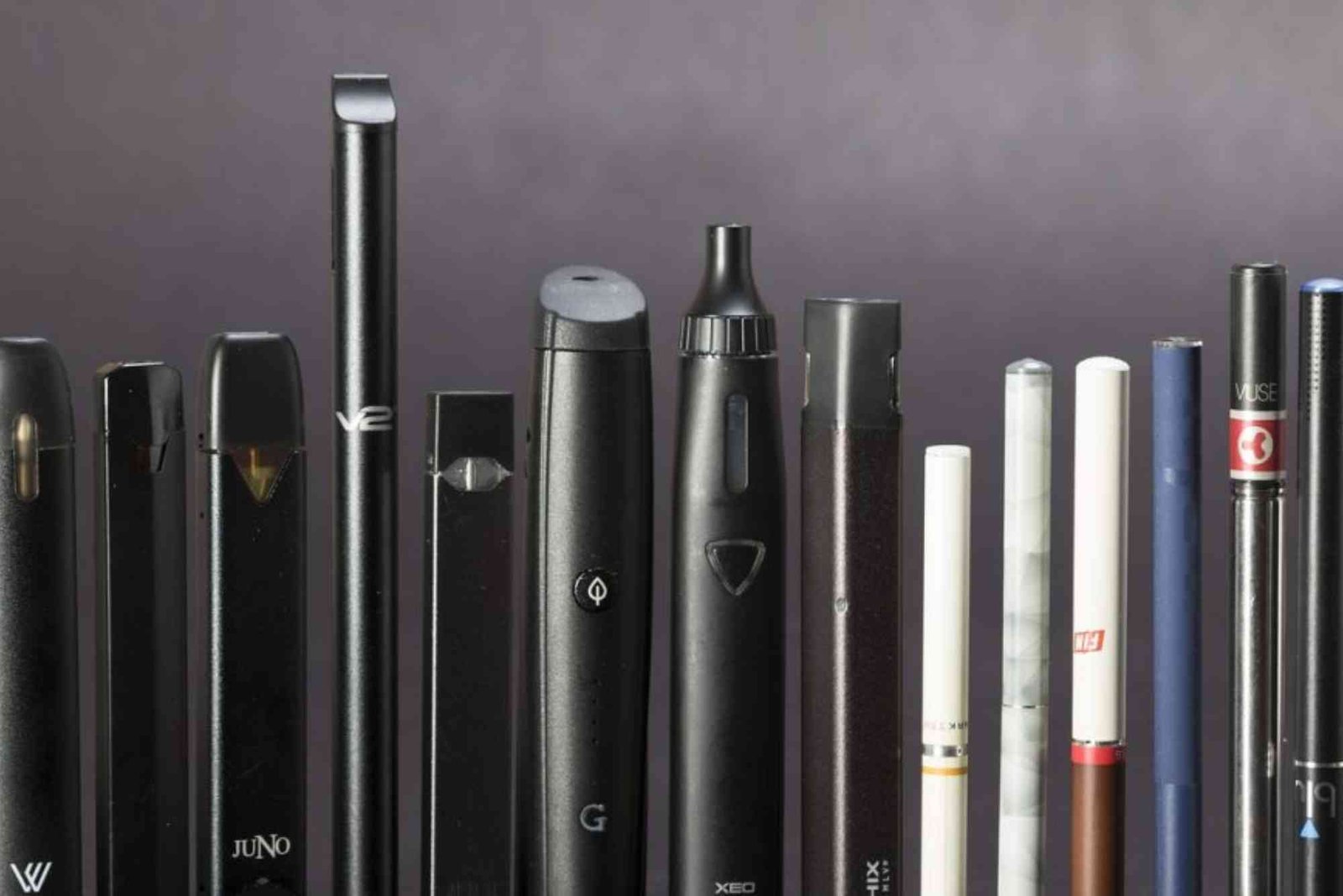
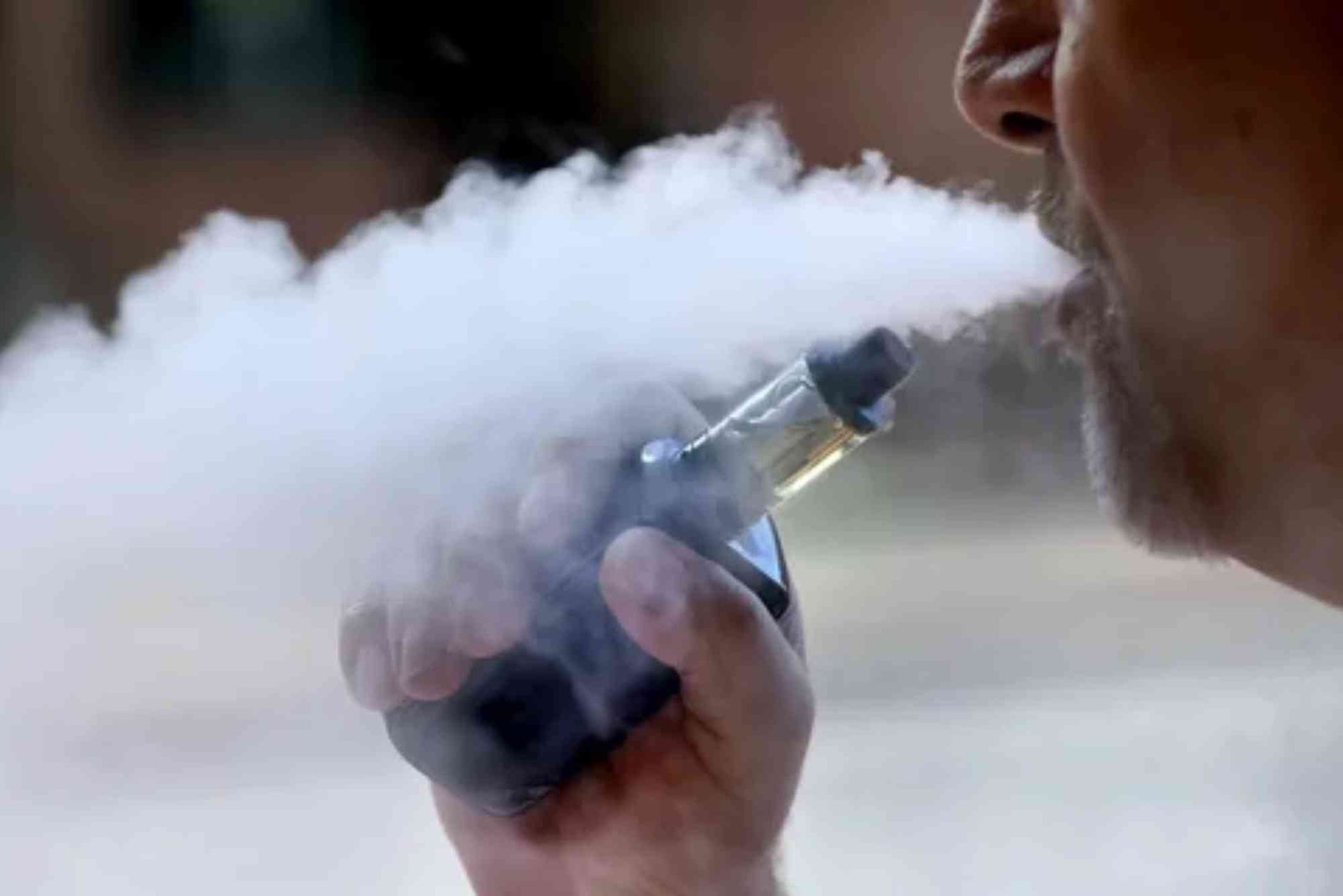
Vaping is frequently discussed within this context. Unlike traditional cigarettes, electronic cigarettes heat a liquid to create an aerosol. They do not burn tobacco in the same way.
However, vaping is not risk-free. Its aerosol can contain nicotine and other potentially harmful substances. Long-term health effects also remain an important research subject.
This creates an interesting policy challenge. Governments may recognize vaping’s potential role in helping some adult smokers while restricting its use in shared indoor environments.
The distinction is important. Supporting harm reduction does not automatically mean allowing vaping everywhere.
Why Public Health Protection Matters
Public health policies must consider both individual choices and collective wellbeing. Retail spaces bring together people with different health needs and personal preferences.
Some customers may have respiratory sensitivities. Others may simply prefer environments without vaping aerosols.
Employees also deserve appropriate workplace protections. They should not have to negotiate indoor vaping rules with every customer.
Therefore, shop restrictions can support public health without preventing adults from accessing legally available vaping products.
How Retail Vaping Restrictions Affect Consumers and Businesses
Retail restrictions influence more than customer behaviour. They also affect business operations, employee responsibilities, and communication between retailers and visitors.
For shop owners, clear policies reduce misunderstandings. Employees can explain restrictions without creating unnecessary disagreements.
For customers, visible notices make expectations easier to understand. They also encourage respectful behaviour in shared environments.
The following table explains the relationship between retail restrictions and the harm reduction debate.
|
Retail consideration |
Main purpose |
Connection to harm reduction |
|---|---|---|
|
Indoor vaping restrictions |
Protect shared environments |
Separates personal choices from public exposure |
|
Employee protection |
Maintain workplace comfort |
Recognizes workers’ interests |
|
Customer awareness |
Communicate business policies |
Encourages responsible behaviour |
|
Legal compliance |
Follow applicable regulations |
Supports consistent public health standards |
|
Outdoor designated areas |
Provide clearer boundaries |
Allows businesses to manage different needs |
|
Responsible product sales |
Support informed purchasing |
Encourages awareness among adult consumers |
These considerations demonstrate why retail restrictions should not be viewed as a rejection of every potential harm reduction benefit.
Instead, they represent an attempt to balance different public interests.
The Role of Local Legislation in Retail Environments
Local legislation plays an important role in determining whether vaping is permitted inside shops.
Some governments include electronic cigarettes within existing smoke-free regulations. Others establish independent rules for vaping devices and nicotine products.
Municipal authorities may also provide guidance covering public buildings, commercial premises, and shared spaces.
For example, local retail and public-space legislation can explain how businesses should communicate restrictions and manage customer behaviour.
However, municipal guidance is not necessarily identical to national law. Shop owners must understand which requirements apply to their particular location.
This distinction matters because a policy permitted in one jurisdiction may be prohibited elsewhere.
Retailers should also review regulations concerning product displays, age verification, nicotine sales, advertising, and responsible marketing.
Following these requirements helps businesses maintain consumer confidence.
Does Banning Indoor Vaping Undermine Harm Reduction?
One of the biggest questions in the debate is whether restricting vaping inside shops discourages smokers from switching away from cigarettes.
Critics sometimes argue that treating vaping like smoking can create confusion. They believe consumers may assume both activities carry identical health risks.
This concern deserves consideration. Public communication should distinguish between combustible tobacco and electronic cigarettes.
However, allowing vaping indoors is not the only way to communicate those differences.
Retailers can provide accurate product information while maintaining smoke-free or vape-free premises. Public health campaigns can also explain the differences between smoking and vaping.
A balanced approach recognizes that vaping may offer a less harmful alternative for adults who completely switch from smoking. At the same time, it avoids presenting vaping as harmless.
The Importance of Proportionate Regulation
Effective regulation should reflect available scientific evidence and public health priorities.
Overly restrictive communication may discourage some smokers from considering alternatives. Conversely, weak restrictions could expose non-users to unwanted aerosol.
Proportionate policies aim to address both concerns.
They should distinguish between product access, product promotion, and where products can be used. These are separate regulatory questions.
For example, selling legally compliant vaping products does not mean a shop must allow customers to use them indoors.
Local retail & public-space legislation — municipal guidance example This distinction helps create clearer expectations for businesses and consumers.
Why Businesses Need Clear Indoor Vaping Policies
Retail businesses benefit from policies that are understandable, consistent, and legally compliant.
Customers should know whether vaping is permitted before entering a shop. Employees should also receive guidance about handling situations involving prohibited indoor vaping.
Clear communication can prevent unnecessary confrontations.
Businesses should consider the following practical principles when developing their policies.
Clear Customer Communication
Signs near entrances can explain whether indoor vaping is prohibited. Notices should use straightforward language.
Employees should communicate restrictions politely. Consistent explanations help customers understand the business’s expectations.
Employee Training
Staff members should understand relevant local regulations and company policies. They should know how to respond when customers ignore indoor restrictions.
Training also helps employees avoid making inaccurate legal claims.
Consistent Enforcement
Businesses should apply their policies fairly. Rules should not change depending on individual customers or employees.
Consistency improves trust and reduces confusion.
The Future of Vaping Regulations and Harm Reduction
Vaping regulations continue to develop as governments respond to new evidence and changing consumer behaviour.
Policymakers must consider several issues, including youth access, nicotine dependence, product safety, environmental concerns, and adult smoking cessation.
Retail restrictions will remain part of this discussion.
Future policies may become more specific about indoor environments, designated outdoor areas, product information, and workplace protections.
Scientific research will also influence how governments evaluate vaping’s relative risks.
The most effective approach will require transparent communication. Consumers need reliable information rather than exaggerated claims about vaping’s benefits or dangers.
Businesses also need regulations that are practical to implement.
Ultimately, the debate should focus on reducing tobacco-related harm while protecting people who choose not to vape.
Frequently Asked Questions
Why Is It Illegal to Vape in Shops?
Vaping may be prohibited inside shops because of public health concerns, workplace protections, and local smoke-free regulations. Some businesses also introduce their own indoor vaping restrictions.
However, the exact legal position depends on the jurisdiction.
Is Vaping Treated the Same as Smoking by Law?
Not everywhere. Some jurisdictions include vaping within existing smoke-free legislation, while others regulate electronic cigarettes separately.
Therefore, consumers should check the applicable local rules.
Can Shops Legally Stop Customers From Vaping?
In many places, businesses can establish indoor vaping policies, subject to applicable laws.
Customers are generally expected to respect clearly communicated restrictions. However, the precise legal authority varies between jurisdictions.
Why Is Vaping Considered a Harm Reduction Issue?
Vaping is considered a harm reduction issue because it may help some adult smokers move away from combustible tobacco.
However, vaping still carries health risks. It is not recommended for people who do not smoke or use nicotine.
Does Vaping Inside a Shop Affect Other People?
Vaping produces an aerosol that can expose nearby people to nicotine and other substances.
Although exposure differs from cigarette smoke, it is not simply harmless water vapour. Indoor restrictions help reduce unwanted exposure.
Are Outdoor Vaping Areas Better for Retail Businesses?
Designated outdoor areas can help businesses establish clearer boundaries between vaping and non-vaping environments.
However, their availability and permitted locations depend on local regulations and property policies.
TheVapeza.com is a useful online destination for people interested in vaping products, devices, accessories, and related information. It can help readers explore different vape options, understand product features, and stay informed about the latest trends in the vaping industry. Whether you are new to vaping or an experienced user, TheVapeza.com offers helpful insights.
Conclusion
Understanding why is it illegal to vape in shops matters in the harm reduction debate requires looking beyond simple indoor restrictions.
Shop vaping policies involve public health, employee protection, customer comfort, and legal responsibilities. Meanwhile, harm reduction discussions recognize that vaping may offer some adult smokers an alternative to combustible cigarettes.
These perspectives do not have to contradict each other. Responsible regulation can support informed adult choices while protecting shared environments.
Businesses should communicate their policies clearly and follow applicable local legislation. Consumers should also understand the difference between legal product access and permission to vape indoors.
Take Action: Stay informed about local vaping regulations, respect retail restrictions, and seek reliable public health information. A balanced understanding helps support responsible decisions and a more productive harm reduction debate.