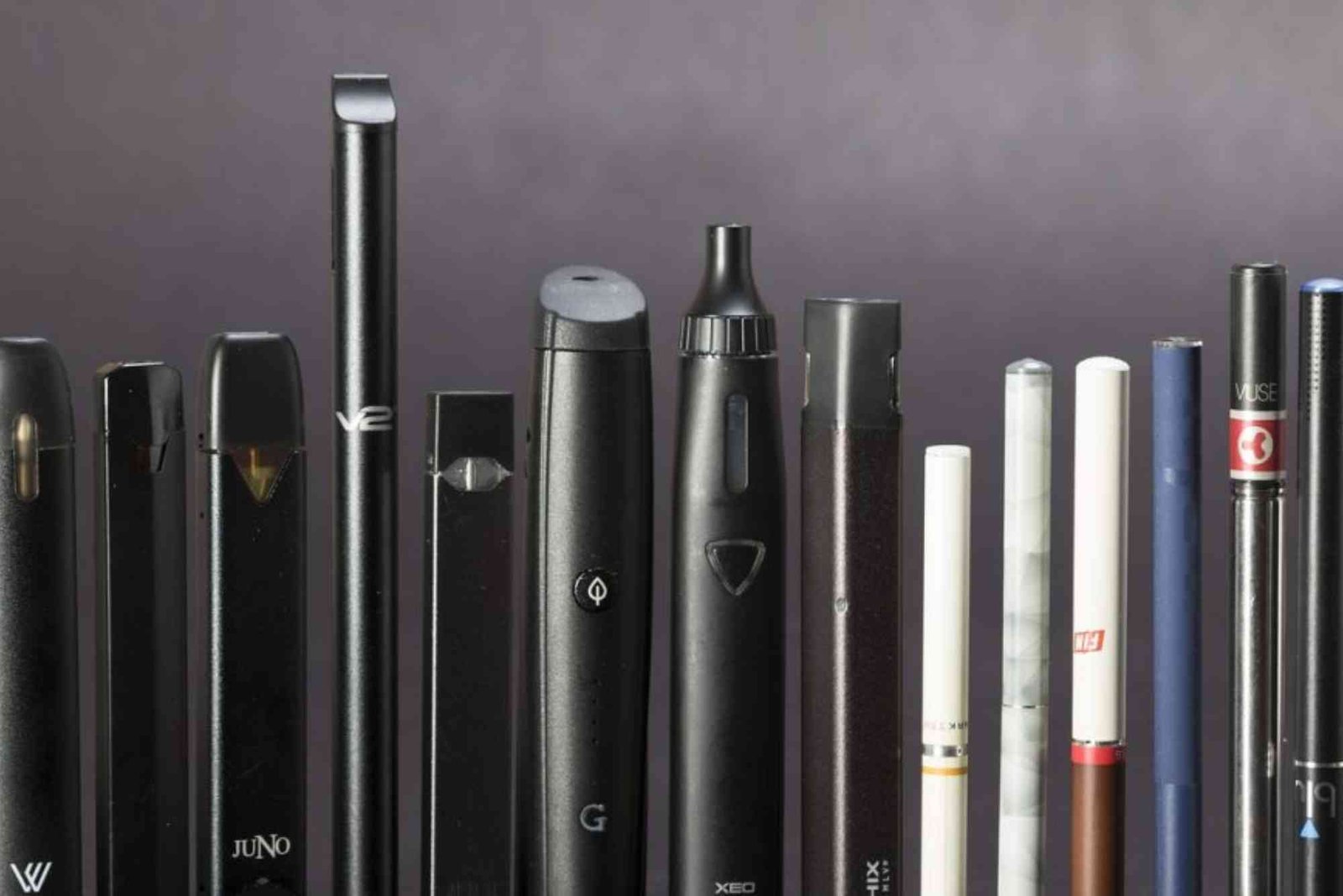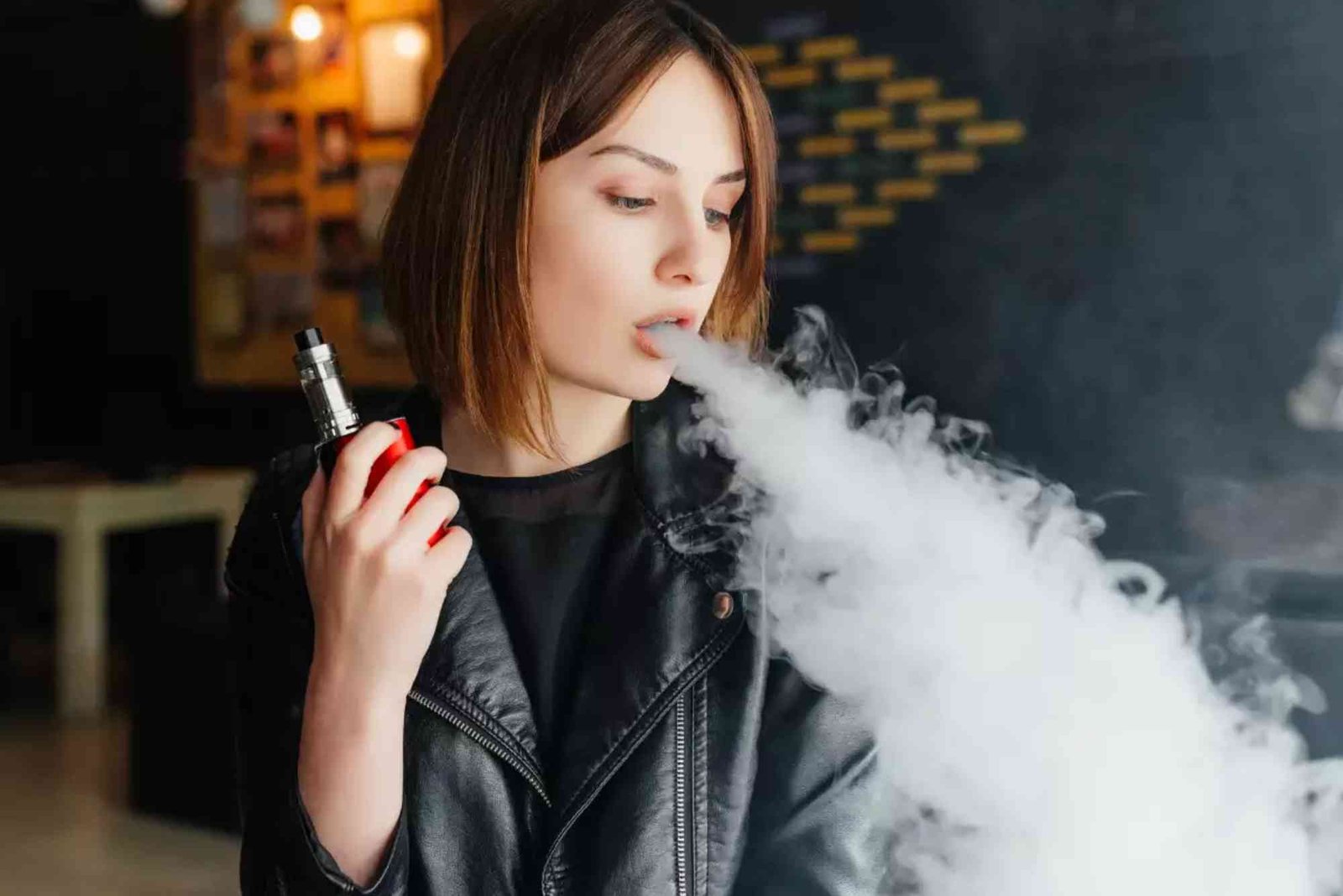
Why Is it Illegal to Vape in Car Matters in the Harm Reduction Debate
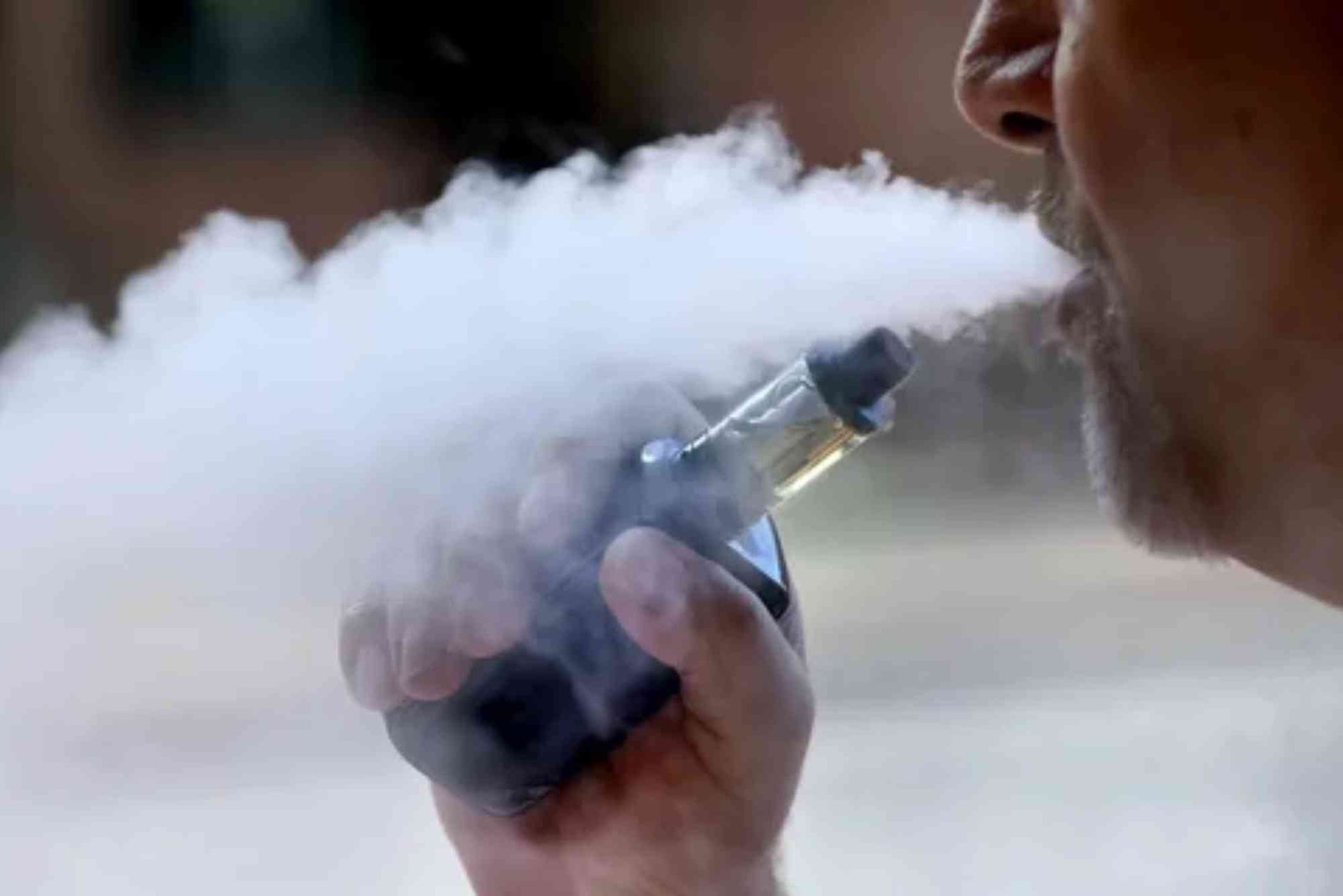
The discussion becomes more complicated when vaping takes place inside enclosed spaces. A car is a relatively small environment with limited ventilation. Consequently, aerosol can accumulate and affect other occupants.
The harm reduction debate focuses on balancing potential benefits against avoidable risks. Vaping may help some adult smokers move away from combustible tobacco. However, that does not automatically make every vaping environment appropriate.
Understanding Why Is it Illegal to Vape in Car
The question of why is it illegal to vape in car requires an important legal distinction. In the UK, vaping has historically been treated differently from smoking in private vehicles.
Government guidance published in 2015 clarified that restrictions on smoking in private vehicles carrying children did not automatically cover e-cigarettes. However, the Tobacco and Vapes Act 2026 introduced powers to designate certain places and vehicles as vape-free.
These provisions require further commencement regulations. Therefore, they should not be confused with an already universal ban on vaping inside private cars.
The legal position can also differ between England, Scotland, Wales, and Northern Ireland. Drivers should check current national regulations before assuming that vaping is permitted.

Why Vehicle Regulations Matter
Vehicles create particular challenges because passengers cannot always escape unwanted aerosol. Children, vulnerable passengers, and people with respiratory sensitivities may experience discomfort.
Furthermore, drivers must maintain proper control of their vehicles. Using a vape can involve reaching for a device, adjusting settings, or handling accessories.
These actions can interrupt concentration. Therefore, road safety remains an important consideration, even where vaping itself is not specifically prohibited.
The Connection Between Vaping and the Harm Reduction Debate
Harm reduction aims to reduce the negative consequences associated with harmful behaviours. In tobacco control, vaping is frequently discussed as an alternative for adults who smoke.
Traditional cigarettes produce smoke through burning tobacco. This process releases numerous harmful chemicals. E-cigarettes heat liquid to produce an aerosol instead.
Although the two products are different, vaping is not risk-free. Its aerosol can contain nicotine, flavouring chemicals, and other substances.
The central argument is that reducing exposure to cigarette smoke can provide benefits for adult smokers who completely switch. However, these potential benefits should not justify unnecessary exposure in enclosed vehicles.
Balancing Individual Freedom and Passenger Protection
Adults generally expect reasonable freedom when using their private property. Nevertheless, a vehicle is a shared environment when passengers travel together.
A driver might consider vaping a personal choice. However, passengers may disagree because they cannot easily control the surrounding environment.
This creates an important ethical question. Should individual freedom outweigh another person’s preference for clean indoor air?
A responsible approach recognises both considerations. It supports adult smokers seeking alternatives while respecting passengers who prefer vape-free journeys.
How Vaping Inside Cars Can Affect Road Safety
Road safety is one of the strongest arguments for avoiding vaping while driving. Even activities that appear simple can create unnecessary distractions.
For example, retrieving a vape from a pocket requires physical movement. Pressing buttons or checking battery levels can divert attention.
Additionally, exhaling a large aerosol cloud may temporarily affect visibility. This becomes particularly concerning during difficult driving conditions.
Driver Distraction and Vehicle Control
Drivers need continuous attention to recognise hazards. Unexpected braking, pedestrians, and changing traffic conditions require immediate reactions.
Handling vaping equipment can divide attention between driving and another activity. Road safety authority guidance (example: Department for Transport) Consequently, drivers should avoid using devices while their vehicles are moving.
The UK Highway Code, published by the Department for Transport, addresses distraction under Rule 148. It specifically identifies smoking among activities drivers should avoid while driving.
Although this wording does not establish a blanket vaping prohibition, the wider responsibility to maintain proper vehicle control remains important.
Passenger Exposure and Indoor Air Quality
Another important concern involves exposure to secondhand vaping aerosol. Unlike traditional cigarette smoke, vape aerosol is produced through heating liquid.
However, it is not simply harmless water vapour. Research has identified nicotine and other potentially harmful substances in some vaping aerosols.
Inside a vehicle, limited space can increase passenger exposure. Ventilation may reduce concentrations, but opening windows does not guarantee complete protection.
Why Children and Vulnerable Passengers Need Consideration
Children deserve particular consideration because their bodies are still developing. They may also have limited control over their surroundings.
Passengers with asthma or respiratory sensitivities may find certain aerosols irritating. Furthermore, nicotine exposure is an avoidable concern.
Keeping vehicles vape-free provides a straightforward way to reduce unnecessary exposure. This approach also creates clearer expectations for everyone travelling together.
Legal Responsibilities and Road Safety Authority Guidance
Understanding why is it illegal to vape in car also requires examining wider driving responsibilities.
The UK Highway Code explains that drivers must maintain proper control. Rule 144 prohibits driving without due care and attention.
Therefore, a driver whose vaping activity causes dangerous distraction could face consequences under existing road traffic laws. The precise outcome depends on the circumstances.
The Tobacco and Vapes Act 2026 also establishes a framework for designated vape-free vehicles. Its provisions allow regulations to consider circumstances involving passengers under 18.
However, the relevant vehicle restrictions require commencement through further regulations. Drivers should distinguish enacted legislation from provisions already in force.
Road safety authority guidance should therefore be considered alongside national legislation and vehicle policies.
Vaping in Cars Compared With Traditional Smoking
Understanding the differences between smoking and vaping helps explain the harm reduction debate.
| Consideration | Traditional Smoking | Vaping |
|---|---|---|
| Main process | Burns tobacco | Heats liquid |
| Main emission | Tobacco smoke | Aerosol |
| Combustion | Yes | Generally no |
| Nicotine exposure | Common | Depends on liquid |
| Passenger exposure | Secondhand smoke | Secondhand aerosol |
| Vehicle legislation | Specific restrictions apply | Separate regulations may apply |
| Road safety | Can distract drivers | Can also distract drivers |
This comparison demonstrates why vaping should not automatically receive identical treatment to smoking. Nevertheless, differences in emissions do not eliminate every potential risk.
Why Is it Illegal to Vape in Car Under Future Regulations?
The Tobacco and Vapes Act 2026 represents an important development in the UK’s approach to vaping regulation.
Its provisions create powers to designate certain vehicles as vape-free. These designations can consider the presence of children and particular circumstances.
The framework aims to protect people from unwanted exposure. It also recognises that different environments require different safeguards.
Importantly, the legislation does not mean every private car automatically became vape-free when the Act received Royal Assent.
The commencement provisions and relevant regulations determine when particular restrictions become enforceable. Therefore, checking the latest official guidance remains essential.
Finding a Responsible Balance Between Harm Reduction and Safety
The debate should not become a simple argument supporting or opposing vaping.
Adult smokers deserve accurate information about alternatives to combustible tobacco. At the same time, passengers deserve consideration and protection from unnecessary exposure.
Responsible vaping practices can support both objectives. Drivers can avoid using devices while moving and choose suitable breaks when necessary.
Employers operating company vehicles can also establish clear policies. Rental companies may introduce additional conditions through their agreements.
These measures encourage responsible behaviour without confusing vaping with traditional smoking.
Conclusion
Understanding why is it illegal to vape in car matters in the harm reduction debate requires considering legislation, passenger protection, and road safety together.
Vaping and smoking have important differences. However, vaping still creates aerosol exposure and potential driving distractions.
In the UK, vaping has historically not been covered by the same private-car smoking restrictions. The Tobacco and Vapes Act 2026 introduces additional powers for designated vape-free vehicles, subject to commencement and regulations.
The most responsible approach is to prioritise road safety and passenger comfort. Drivers should avoid vaping while driving and respect restrictions applying to their vehicles.
Take action today: Stay informed about changing vaping regulations, follow road safety guidance, and make responsible choices that protect everyone travelling with you.
TheVapeza.com is a useful online destination for people interested in vaping products, devices, accessories, and related information. It can help readers explore different vape options, understand product features, and stay informed about the latest trends in the vaping industry. Whether you are new to vaping or an experienced user, TheVapeza.com offers helpful insights.
Frequently Asked Questions
Is it illegal to vape while driving in the UK?
There is no universal prohibition on vaping in every private car simply because someone is driving. However, drivers must maintain proper control of their vehicles. Dangerous distraction can result in legal consequences.
Can you vape in a car with a child in the UK?
Historically, the specific smoking ban covering private vehicles with children did not automatically apply to vaping. However, the Tobacco and Vapes Act 2026 introduces powers to designate certain vehicles as vape-free. Drivers should check applicable commencement regulations.
Can vaping in a car affect other passengers?
Yes. Passengers may inhale aerosol containing nicotine and other substances. Exposure can be particularly concerning for children and people with respiratory sensitivities.
Is vaping safer than smoking inside a car?
Vaping generally exposes users to fewer harmful chemicals than traditional cigarette smoking. However, it is not harmless. Both activities can create unwanted passenger exposure and driver distraction.
Can police stop someone for vaping while driving?
Police may intervene if a driver’s behaviour suggests they are not maintaining proper control. Vaping itself is not automatically a driving offence in every private vehicle.
Does opening car windows make vaping safe?
Opening windows can improve ventilation and reduce aerosol concentrations. However, it does not guarantee that passengers avoid exposure. Keeping the vehicle vape-free is a more protective approach.
Why does the harm reduction debate include vaping in cars?
The debate considers the potential benefits of switching from smoking to vaping alongside passenger exposure and road safety. It highlights the importance of supporting adult smokers without creating unnecessary risks for others.