Introduction
The debate surrounding vaping has become an important public health issue worldwide. Governments are increasingly examining whether electronic cigarettes should be restricted or completely banned. The question is particularly important because vaping involves competing health priorities. These include preventing nicotine addiction, protecting young people, and reducing smoking-related diseases.
Understanding Why Law banning vapes Matters in the Harm Reduction Debate requires looking beyond simple arguments about prohibition. It involves examining how governments balance individual choices with public health responsibilities. While some people consider vaping an alternative to traditional cigarettes, others highlight its potential risks. Consequently, policymakers must consider scientific evidence, consumer behaviour, and long-term health outcomes.
Vape restrictions can influence product availability, advertising, and access among younger populations. However, poorly designed bans may also create unintended consequences. Therefore, effective legislation should consider both prevention and harm reduction.
Why Laws Banning Vapes Matter in Public Health Protection
Understanding the Harm Reduction Debate
Harm reduction refers to strategies that reduce health risks associated with harmful behaviours. In tobacco control, this concept often creates disagreements about vaping. Supporters argue that vaping may offer adult smokers a less harmful alternative. Critics believe widespread availability creates new addiction risks.
This disagreement makes vaping legislation particularly challenging. Governments must consider existing smokers and people who have never used nicotine. They must also examine the potential consequences for younger generations.
The World Health Organization (WHO) has repeatedly highlighted concerns about vaping. Its recommendations focus on preventing nicotine addiction and strengthening tobacco control. Its position also recognises that countries may adopt different regulatory approaches.

For further information, readers can explore WHO — policy options for bans & public-health impacts. This resource provides useful information about international tobacco-control strategies and public health priorities.
Why Law Banning Vapes Matters in the Harm Reduction Debate
Vaping laws influence how nicotine products enter markets and reach consumers. They also determine how governments address advertising, product safety, and youth access.
The importance of these laws extends beyond controlling individual purchasing decisions. Effective legislation can establish stronger public health protections. It can also reduce opportunities for companies to target inexperienced consumers.
Protecting Young People From Nicotine Addiction
One major reason governments consider vape restrictions is youth protection. Many vaping products contain nicotine, which is highly addictive.
Young people are particularly vulnerable to nicotine exposure. Their brains are still developing, making nicotine dependence an important concern.
Attractive packaging, sweet flavours, and social media promotions can increase product appeal. Consequently, younger consumers may experiment without understanding potential health consequences.
The WHO has raised concerns about aggressive marketing and increasing youth vaping. It recommends strong measures to prevent young people from accessing these products. provide further information.
Reducing Exposure to Harmful Chemicals
Vaping products heat liquids to create aerosols that users inhale. These aerosols can contain nicotine and other potentially harmful substances.
Some emissions contain chemicals associated with respiratory and cardiovascular health concerns. However, the exact risks depend on product characteristics and usage patterns.
Long-term research is still developing. Therefore, governments should avoid treating vaping as completely harmless.
Restricting unsafe products can help reduce unnecessary public exposure. It can also encourage manufacturers to follow stricter quality standards.
The Relationship Between Vape Bans and Harm Reduction
Harm reduction remains an important consideration in tobacco-control policies. However, reducing one health risk should not create additional problems.
Traditional cigarettes contain numerous toxic substances produced through combustion. Some research indicates that completely switching from cigarettes to vaping may reduce exposure to certain harmful chemicals.
Nevertheless, vaping still carries health risks. It can also maintain nicotine dependence among existing smokers.
This creates an important distinction between adult smokers and non-smokers. A policy designed for one group may produce different consequences for another.
Why Supporters Believe Vaping Restrictions Matter
Supporters of strict vape legislation emphasise prevention. They believe governments should reduce access to products that encourage nicotine consumption.
They also argue that commercial marketing can undermine tobacco-control achievements. Young consumers may become regular nicotine users without previously smoking cigarettes.
From this perspective, restrictions can reduce product visibility and availability. They can also limit misleading advertising and promotional activities.
However, successful legislation requires more than announcing a prohibition. Authorities must monitor markets and prevent illegal distribution.
Why Critics Question Complete Vape Bans
Critics argue that complete bans may affect adult smokers seeking alternatives. Some believe regulated vaping products could support transitions away from traditional cigarettes.
They also warn that prohibition can encourage illegal markets. Consumers might purchase unregulated products with uncertain ingredients.
These concerns deserve serious consideration. Poorly designed policies may create unintended public health consequences.
Therefore, governments should evaluate the effectiveness of different approaches. Their decisions should reflect scientific evidence and local circumstances.
How Governments Can Develop Effective Vape Laws
Strong vaping legislation requires a balanced regulatory framework. Governments must identify their public health priorities before introducing restrictions.
The WHO recommends different approaches depending on national circumstances. Countries banning sales should strengthen enforcement and monitoring. Countries permitting sales should introduce strict regulations.
Restricting Advertising and Promotional Activities
Advertising restrictions can reduce unnecessary exposure to vaping products. They are particularly important when marketing reaches younger audiences.
Governments can prohibit promotional campaigns that appeal to children. They can also restrict sponsorships, misleading health claims, and influencer marketing.
Such measures help establish clearer boundaries between commercial interests and public health.
Introducing Strong Product Standards
Product quality is another important regulatory concern. Poorly manufactured devices can create additional safety risks.
Governments can establish manufacturing requirements and ingredient controls. They can also regulate nicotine concentrations and product packaging.
Restrictions on attractive flavours may further reduce youth appeal. However, policymakers should evaluate how these restrictions affect adult smokers.
Strengthening Age Verification
Age restrictions are essential for preventing underage purchases. However, rules become ineffective without proper enforcement.
Retailers should verify customer ages before completing sales. Online businesses should also implement reliable age-verification procedures.
Authorities can conduct inspections and investigate illegal sales. Consistent enforcement makes legislation more meaningful.
The Public Health Consequences of Banning Vapes
Vape bans can influence population health in several ways. Their effectiveness depends on implementation, public awareness, and available alternatives.
A carefully enforced prohibition may reduce legal product availability. It may also limit opportunities for companies to promote nicotine products.
However, authorities must consider possible unintended consequences. Some consumers may turn towards illegal suppliers. Others may continue smoking traditional cigarettes.
This is why monitoring is essential. Governments should examine changes in smoking rates, youth nicotine use, and illegal sales.
Public health policies should respond to actual outcomes rather than political assumptions.
Supporting People Who Want to Quit Smoking
Legislation should never ignore existing smokers. People experiencing nicotine dependence need accessible and effective support.
Healthcare professionals can provide personalised quitting advice. Telephone quitlines and digital programmes can offer additional assistance.
Approved nicotine replacement therapies may also help eligible individuals. Other evidence-based treatments can support people throughout their quitting journey.
The WHO recommends strengthening established cessation services. These interventions should remain available regardless of national vaping policies.
Preventing Illegal Vape Markets
Prohibition can create enforcement challenges when consumer demand continues. Illegal suppliers may attempt to fill gaps in regulated markets.
Unregulated products can have uncertain ingredients and manufacturing standards. Consumers may also struggle to identify reliable safety information.
Governments should combine restrictions with market surveillance. Customs authorities, retailers, and public health agencies can coordinate their efforts.
Public education is equally important. Consumers should understand why illegal products create additional concerns.
Finding a Balance Between Regulation and Personal Choice
The vaping debate also involves individual freedom. Adults generally expect to make informed decisions about personal behaviour.
However, personal choices can create wider public health consequences. These include nicotine dependence, exposure to aerosol emissions, and healthcare costs.
Governments must therefore balance personal freedom with collective responsibility. Their decisions should consider scientific evidence and population-level risks.
A complete prohibition is not automatically the most effective solution everywhere. Likewise, unrestricted commercial access does not guarantee responsible consumption.
The best approach depends on local conditions and enforcement capacity. Transparent policymaking can help maintain public confidence.
Why International Tobacco-Control Guidance Matters
International cooperation can strengthen national vaping policies. Countries can learn from different regulatory experiences and research findings.
The World Health Organization provides guidance through its tobacco-control programmes. Its recommendations address advertising, product regulation, youth protection, and smoking cessation.
The WHO Framework Convention on Tobacco Control also supports comprehensive tobacco-control measures. These include reducing tobacco demand and protecting people from tobacco exposure.
International guidance helps governments establish consistent public health objectives. It also encourages regular monitoring of emerging nicotine products.
However, individual countries must adapt policies to their circumstances. Local healthcare systems, consumer behaviour, and enforcement resources all matter.
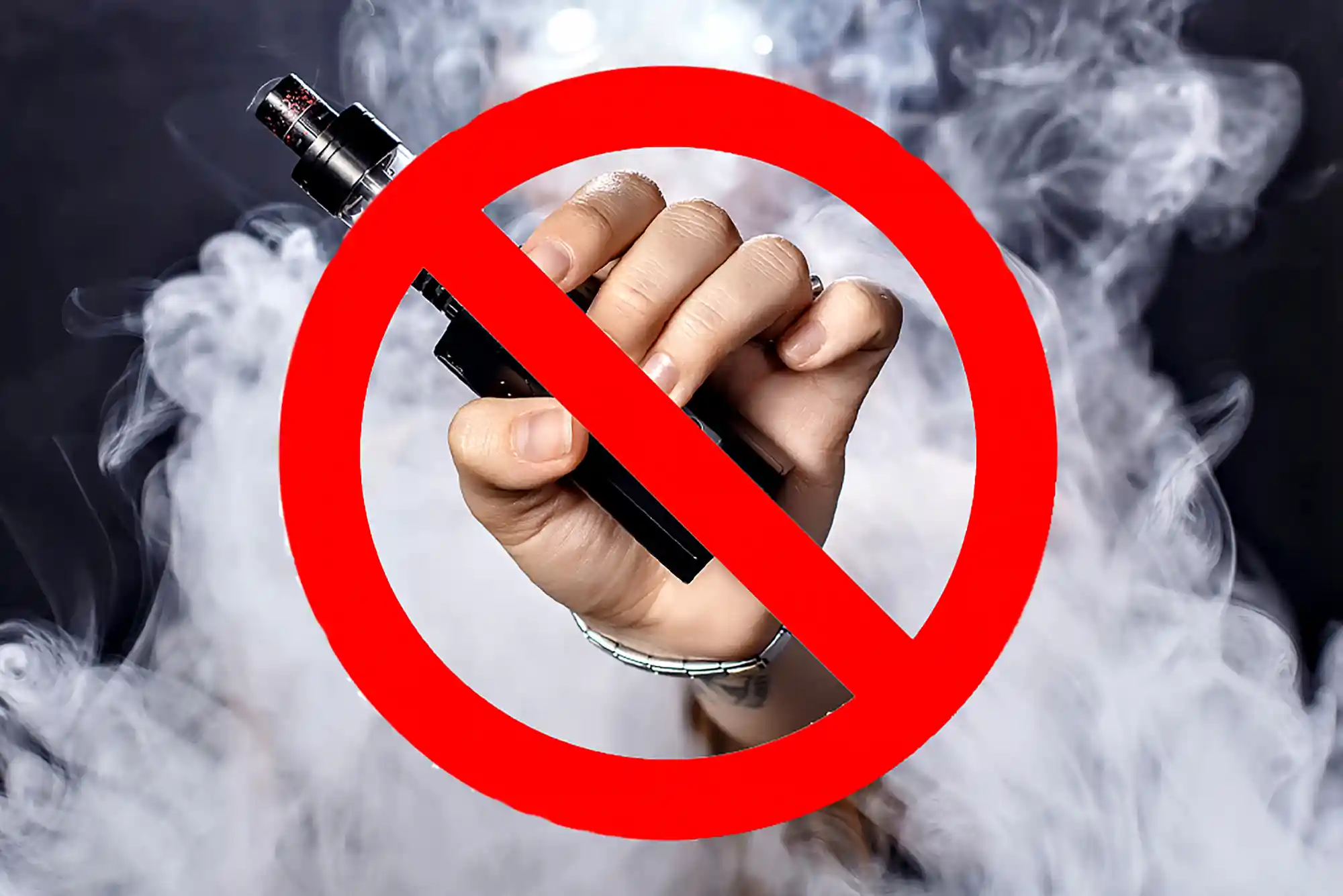
The debate over Why Should Vapes Be Illegal highlights important concerns about public health, youth protection, and nicotine addiction. Understanding the potential risks of vaping helps readers evaluate whether stricter regulations or complete bans can reduce harm and protect future generations.
Conclusion
Understanding why law banning vapes matters in the harm reduction debate requires examining several competing priorities. Governments must protect young people while considering the needs of existing smokers.
Frequently Asked Questions (FAQs)
Why should vapes be banned?
Supporters believe bans can reduce youth access, prevent nicotine addiction, and limit exposure to potentially harmful substances. However, governments should also consider adult smokers and possible unintended consequences.
Are vapes more harmful than cigarettes?
The health risks differ between these products. Vaping generally exposes users to fewer harmful chemicals than combustible cigarettes. However, it is not harmless, and its long-term effects remain under investigation.
Can banning vapes reduce smoking rates?
Banning vapes may reduce nicotine product availability. However, its effect on smoking rates depends on enforcement, consumer behaviour, and access to effective quitting services.
Why is vaping considered a public health concern?
Vaping raises concerns about nicotine addiction, youth consumption, chemical exposure, and potential long-term health effects. These issues make appropriate regulation important.
Does the WHO support banning electronic cigarettes?
The WHO recognises different national regulatory approaches. It recommends enforcing existing sales bans or introducing strong regulations where commercial sales are permitted. It also emphasises preventing youth access and supporting proven smoking cessation methods.
Can vaping help people quit smoking?
Some evidence suggests vaping may help certain adults stop smoking when they switch completely. However, results vary, and vaping is not risk-free. Established cessation treatments remain important options.
What happens when governments ban vape products?
Possible outcomes include reduced legal availability and lower product visibility. However, illegal markets and consumer substitution may create challenges. Effective monitoring and enforcement are therefore essential.
Discover useful information, product insights, and updates from the vaping industry with TheVapeza. Whether you are interested in vaping trends, device features, or general industry knowledge, TheVapeza provides a helpful place to explore relevant content. Visit the website to learn more and discover information that keeps you informed about the evolving vaping market.