Introduction
Vaping has become one of the most debated public health topics worldwide. Supporters often discuss vaping as a possible harm reduction tool for adult smokers, while governments focus on preventing youth access and reducing nicotine dependence. In Australia, strict vaping regulations have created ongoing discussions about access, safety, and public health outcomes. Understanding Why Is vaping illegal in northern territory Matters in the Harm Reduction Debate helps explain the challenges policymakers face when balancing smoking reduction goals with concerns about vaping risks.
The Northern Territory follows Australia’s broader approach to controlling nicotine vaping products. These regulations aim to limit illegal sales, protect young people, and ensure nicotine products are used only within approved medical pathways. However, critics argue that strict restrictions may reduce access for smokers who are looking for alternatives to traditional cigarettes.
The debate is not simply about whether vaping is good or bad. Instead, it focuses on how governments can create policies that reduce smoking-related harm while preventing new health risks. This makes the Northern Territory vaping discussion an important part of the wider global harm reduction conversation.
Understanding Why Is Vaping Illegal in Northern Territory Matters in the Harm Reduction Debate
The question of Why Is vaping illegal in northern territory Matters in the Harm Reduction Debate involves several factors, including public health protection, youth prevention, and nicotine regulation. Vaping laws are designed around the idea that nicotine products should be carefully controlled because they can create dependence.
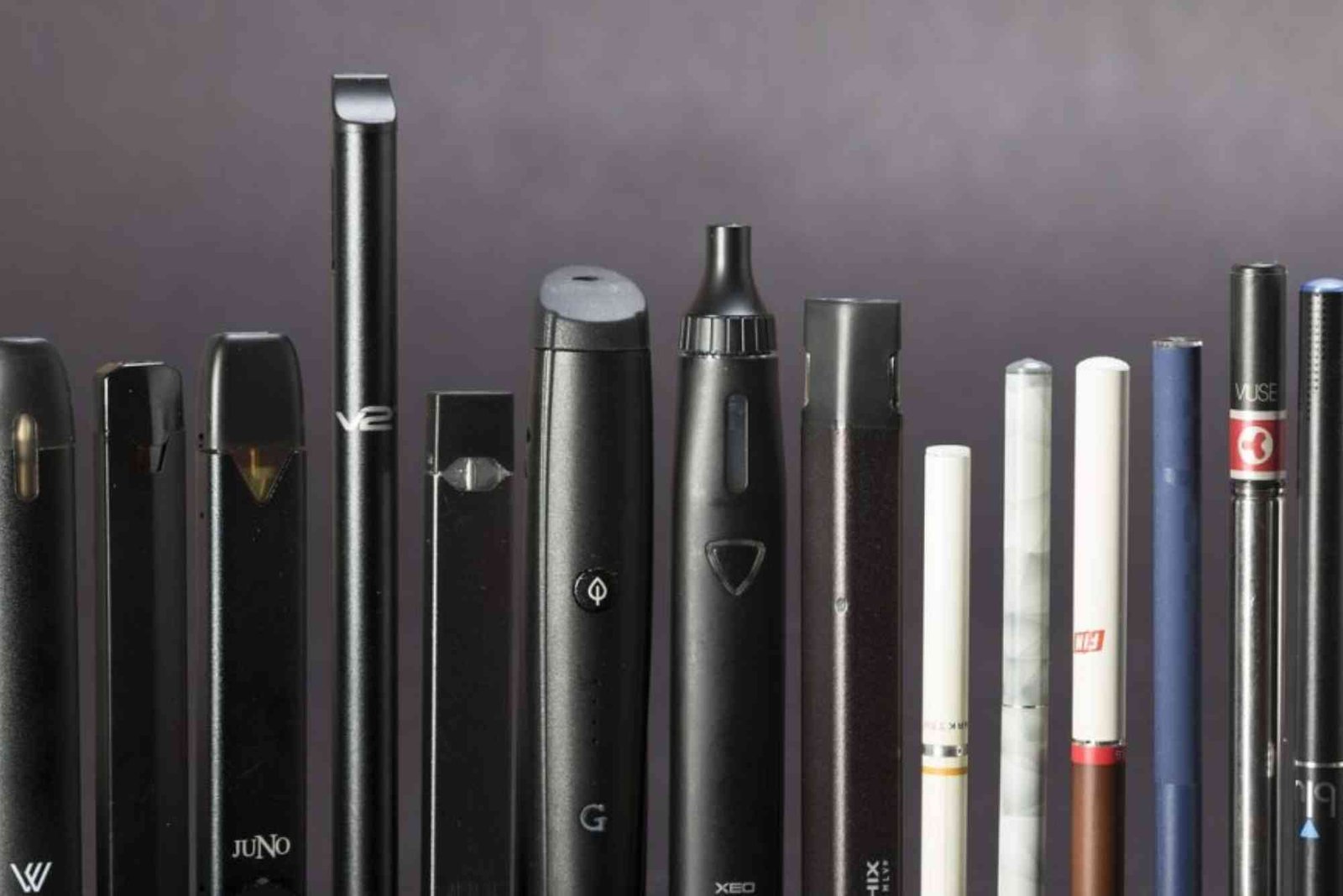
Unlike traditional cigarettes, vaping devices do not burn tobacco. This difference has led some researchers and health advocates to consider vaping as a potentially lower-risk option compared with smoking. However, health authorities continue to examine the long-term effects of vaping because electronic cigarettes are still relatively new.
The Northern Territory’s regulations reflect a precautionary approach. Authorities aim to prevent vaping from becoming a widely available consumer product, especially among younger populations.

The Role of Vaping Regulations in Northern Territory
The Northern Territory Government — local nicotine regulations manages health policies that align with national Australian regulations. These rules control how nicotine vaping products can be accessed, supplied, and used.
For detailed information about local health policies and nicotine regulations, readers can explore the Northern Territory Government health information resources.
These regulations are based on several public health concerns:
Protecting Young People From Nicotine Exposure
One major reason behind strict vaping laws is protecting teenagers and young adults. Research has shown that nicotine can affect developing brains and may increase dependence risks.
Before strict regulations existed, concerns grew about young people gaining easy access to flavored vaping products and devices. Governments introduced stronger controls to reduce youth experimentation.
Preventing Long-Term Nicotine Dependence
Nicotine addiction remains a central concern in vaping discussions. Although vaping may provide an alternative delivery method, nicotine itself can create dependence.
Authorities argue that limiting access helps reduce the chance that non-smokers begin using nicotine products.
Maintaining Control Over Nicotine Products
Governments regulate nicotine products differently from ordinary consumer goods. These controls allow authorities to monitor safety standards and reduce illegal distribution.
The Northern Territory approach reflects a broader effort across Australia to manage nicotine access carefully.
How Vaping Fits Into the Harm Reduction Debate
Harm reduction is a public health strategy focused on reducing negative outcomes rather than only eliminating risky behaviors. In smoking discussions, harm reduction often involves helping smokers move away from combustible tobacco.
This is where Why Is vaping illegal in northern territory Matters in the Harm Reduction Debate becomes an important question.
Supporters of vaping access argue that some adult smokers may benefit from alternatives that avoid cigarette combustion. Traditional smoking produces thousands of chemicals through burning tobacco, many of which contribute to serious health conditions.
However, opponents highlight that vaping is not risk-free. They argue that widespread availability could introduce nicotine use among people who never smoked.
The debate continues because both sides focus on different priorities. Harm reduction advocates emphasize helping existing smokers, while regulators prioritize preventing new nicotine users.
Arguments Supporting Strict Vaping Laws
There are several reasons why governments support strict vaping regulations.
Reducing Youth Vaping Rates
One of the strongest arguments is youth protection. Restricting availability may reduce curiosity-driven experimentation among teenagers.
Public health officials believe prevention is easier than treating nicotine addiction later.
Avoiding Unknown Long-Term Health Effects
Although vaping is generally considered different from smoking, scientists are still studying its long-term effects. Some chemicals found in vape liquids may create health concerns when used over many years.
Strict regulation allows governments to respond cautiously while more evidence develops.
Controlling Illegal Markets
Another reason for regulation is reducing unsafe products. Unregulated vaping products may contain unknown ingredients or incorrect nicotine levels.
Controlled access systems aim to improve product safety and accountability.
Arguments Against Strict Vaping Restrictions
While strict rules have public health goals, some critics believe they may create challenges.
Limited Options for Adult Smokers
Some harm reduction advocates argue that smokers need practical alternatives. They believe overly restrictive policies could make it harder for adults to switch away from cigarettes.
According to this viewpoint, regulated vaping access may support smoking cessation efforts.
Growth of Illegal Supply Channels
When demand exists but legal access is limited, illegal markets may develop. Unregulated products can create additional safety concerns because they may not meet quality standards.
Challenges for Harm Reduction Programs
Some experts argue that vaping policies should distinguish between smokers seeking alternatives and non-smokers who may start vaping.
They believe targeted regulations could provide a better balance.
Comparing Vaping and Traditional Smoking Risks
A major part of the debate involves comparing vaping with cigarette smoking.
Smoking involves burning tobacco, which releases harmful substances linked to serious diseases. Vaping does not involve combustion, which is why some researchers consider it potentially less harmful than smoking.
However, “less harmful” does not mean “completely safe.” Vape aerosols can contain nicotine and other substances that may affect health.
The key question is whether vaping regulations should focus on eliminating vaping risks completely or reducing the greater harm caused by smoking.
This difference explains why Why Is vaping illegal in northern territory Matters in the Harm Reduction Debate remains a widely discussed issue.
Public Health Balance: Regulation and Harm Reduction
Creating effective vaping policies requires balance. Governments must consider multiple groups, including smokers, young people, healthcare professionals, and communities.
A successful approach may require:
Clear age restrictions
Strong product safety standards
Public education campaigns
Support for smoking cessation
Monitoring of vaping trends
The challenge is developing regulations that protect vulnerable groups without removing potentially useful options for adult smokers.
The Future of Vaping Laws in Northern Territory
Vaping regulations are likely to continue evolving as new research becomes available. Governments regularly review health evidence and adjust policies based on changing circumstances.
Future discussions may focus on improving access systems, strengthening enforcement, and expanding smoking cessation support.
The Northern Territory vaping debate reflects a larger international conversation about how societies should respond to emerging nicotine technologies.
Vaping on a plane is a serious issue that connects public safety, legal compliance, and harm reduction discussions. Understanding What is The Fine For Vaping on a Plane helps travelers recognize the consequences of breaking aviation rules while promoting responsible nicotine use. Clear regulations create awareness, protect passengers, and support balanced conversations about vaping policies and safer alternatives.
Frequently Asked Questions
Why is vaping illegal in Northern Territory?
Vaping is restricted in Northern Territory because authorities aim to control nicotine access, prevent youth vaping, and reduce potential health risks. The regulations are part of Australia’s broader approach to managing nicotine products.
Can you legally buy nicotine vapes in Northern Territory?
Access to nicotine vaping products is controlled under Australian regulations. Consumers must follow approved legal pathways for obtaining nicotine vaping products.
Is vaping safer than smoking cigarettes?
Many health experts consider vaping less harmful than smoking because it does not involve tobacco combustion. However, vaping still carries health risks, especially because nicotine can cause dependence.
Why do some people support vaping as harm reduction?
Supporters believe vaping may help some adult smokers move away from traditional cigarettes. They argue that providing regulated alternatives could reduce smoking-related harm.
Why do governments restrict vaping products?
Governments restrict vaping products to prevent youth nicotine use, control product quality, and reduce possible long-term health impacts.
Will vaping laws change in Northern Territory?
Vaping laws may change as governments review scientific evidence, public health outcomes, and community feedback.
Conclusion
The discussion around Why Is vaping illegal in northern territory Matters in the Harm Reduction Debate highlights the complexity of modern nicotine policy. Governments must protect young people and public health while considering whether vaping can support adult smokers trying to reduce cigarette use.
Vaping has become a popular topic among adults looking for alternatives to traditional smoking methods. Understanding vape products, safety practices, and industry trends helps users make informed choices. Reliable platforms provide valuable information about devices, e-liquids, and responsible vaping habits. Whether you are exploring new options or learning more about vape culture, trusted sources can guide you with useful insights and updated knowledge. Add your link naturally to Thevapeza.com for readers seeking more information.
Related Reading: Why When Will Vaping Be illegal Matters in the Harm Reduction Debate
Related Reading: Why Uk Law on Vaping Indoors Matters in the Harm Reduction Debate