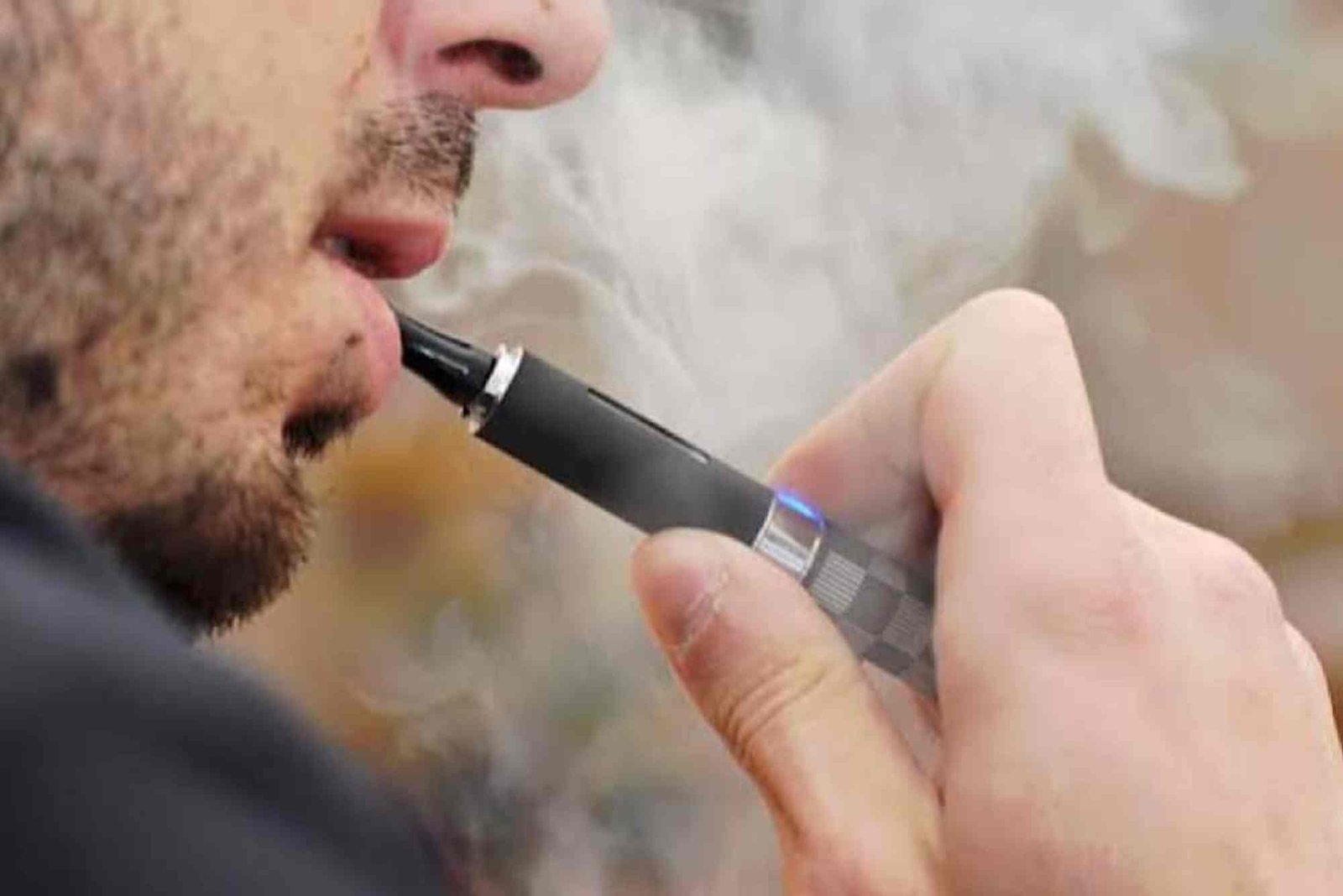
Why What Are the Laws in Texas on Vapes for Marijuana Matters in the Harm Reduction Debate
Understanding Why What are the laws in.texas on.vapes.for marijuana Matters in the Harm Reduction Debate requires more than knowing whether cannabis is legal. Texas has a complex framework covering marijuana, low-THC cannabis, hemp-derived products, and vaping. As a result, consumers can face very different legal consequences depending on the product involved.
This distinction matters in the harm reduction debate. Harm reduction focuses on reducing risks rather than assuming every consumer will stop using a substance. However, legal restrictions can influence which products people access, how clearly those products are labeled, and whether consumers understand their risks.
Texas law generally treats marijuana differently from legally regulated consumable hemp products. Possession of marijuana remains prohibited outside specific legal exceptions. Texas law also regulates hemp-derived products through the state’s consumable hemp framework. The Texas Department of State Health Services, or DSHS, provides requirements covering product testing, labeling, registration, and sales.
Why What Are the Laws in Texas on Vapes for Marijuana Matters in the Harm Reduction Debate
The phrase Why What are the laws in.texas on.vapes.for marijuana Matters in the Harm Reduction Debate highlights an important policy question. Does restricting marijuana vaping necessarily reduce harm?
The answer is not simple.
Vaping cannabis can create different risks from smoking because it does not involve combustion. Yet vaping is not risk-free. Product formulation, potency, contaminants, device quality, and frequency of use can all affect potential harm.

Texas therefore faces a difficult policy balance. Lawmakers want to control intoxicating substances and protect consumers. At the same time, consumers may seek alternatives to traditional smoking.
The legal environment can influence those choices.
How Texas Treats Marijuana and Hemp Products
One of the biggest sources of confusion is the difference between marijuana and hemp.
Texas controlled-substance law continues to prohibit unauthorized possession of marijuana. The state’s statutes establish criminal penalties based on the amount possessed. For example, possession of two ounces or less is classified as a Class B misdemeanor under Health and Safety Code Section 481.121.
Hemp-derived products operate under a separate regulatory structure.
Texas DSHS states that consumable hemp products generally cannot contain more than 0.3% delta-9 THC concentration on a dry-weight basis under the applicable framework. Products are also subject to testing, packaging, labeling, and regulatory requirements.
This distinction is especially important for vape products. A consumer may see the word “hemp” on packaging and assume that every hemp-derived vape is automatically legal. That assumption can be unsafe.
Product composition and compliance matter.
What Are the Current Rules for Hemp-Derived Vapes?
Texas has developed a regulatory system for consumable hemp products. Retailers and manufacturers must comply with requirements established under Texas law and DSHS rules.
For example, DSHS says retailers must ensure qualifying consumable hemp products meet applicable safety requirements. Products must also remain within the state’s THC limits.
Age restrictions are another important consideration.
Texas DSHS states that sellers of consumable hemp products must verify purchasers are at least 21 years old using valid government-issued identification.
This approach reflects a harm prevention goal. Restricting sales to adults can reduce youth access while allowing regulated adult commerce.
Why Product Testing Matters for Harm Reduction
Product quality is one of the strongest arguments for regulation.
A consumer cannot always determine whether a vape cartridge contains what its label claims. Contaminants, inaccurate potency information, or undisclosed ingredients can create additional risks.
Texas requires qualifying consumable hemp products to meet testing and labeling requirements. DSHS identifies concerns including heavy metals, pesticides, harmful microorganisms, and residual solvents.
Labels also have important requirements.
Texas DSHS says products must provide information such as batch identification, manufacturer information, THC certification, and access to a certificate of analysis.
From a harm reduction perspective, these requirements can improve consumer information.
Consumers can make better decisions when they know what a product contains.
Why Vaping Creates a Unique Policy Challenge
Vaping occupies an unusual position in cannabis policy.
Traditional smoking involves combustion. Vaping instead heats a substance to create an aerosol. This difference has contributed to discussions about whether vaping can reduce exposure to certain combustion-related substances.
However, reduced exposure to smoke does not mean zero health risk.
Cannabis aerosols can still contain active cannabinoids and other substances. High-potency products can also produce stronger effects than consumers expect.
Therefore, harm reduction should not describe vaping as completely safe. A more accurate approach recognizes that different consumption methods can carry different risk profiles.
The Importance of Accurate Product Information
Legal clarity becomes especially important when consumers encounter products with similar branding.
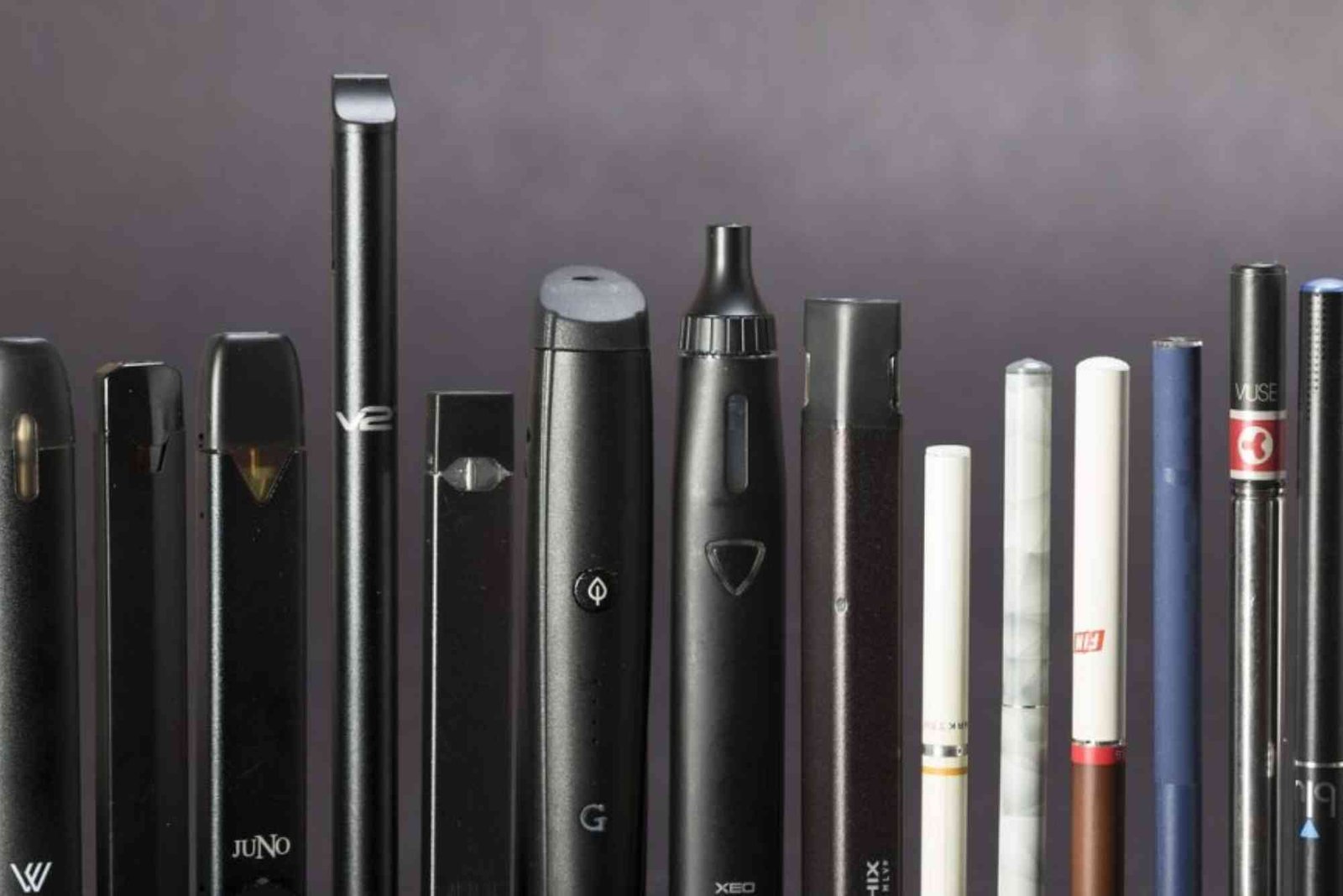
A marijuana vape and a compliant hemp-derived vape may look similar. Their legal status can nevertheless be very different.
That creates an information problem.
Consumers need to understand the product’s cannabinoid content, source, labeling, and legal classification. They should also understand that a retailer selling a product does not necessarily guarantee that every product is compliant.
Texas DSHS has enforcement authority over qualifying consumable hemp products. The agency states that products can be detained when they fail applicable requirements or create certain health concerns.
For harm reduction, transparent information is therefore essential.
Texas Marijuana Vape Laws Compared With Hemp Vape Rules
| Issue | Marijuana Vape | Qualifying Hemp-Derived Vape |
|---|---|---|
| General legal framework | Controlled-substance law applies | Consumable hemp framework applies |
| THC considerations | Marijuana remains restricted outside legal exceptions | Delta-9 THC limit generally applies |
| Retail regulation | Unauthorized marijuana sales remain prohibited | Retailers must follow applicable DSHS requirements |
| Age requirement | Cannabis restrictions apply | Hemp sellers must verify purchasers are 21+ |
| Product testing | Not equivalent to the hemp retail framework | Testing and safety requirements apply |
| Labeling | Not governed by the same hemp labeling framework | Specific labeling requirements apply |
| Consumer concern | Legal exposure and product safety | Compliance, potency, contamination, and labeling |
The table illustrates why consumers should not treat all cannabis vapes as one category.
How Regulation Can Support Harm Reduction
Regulation can support harm reduction when it improves product transparency.
Testing can help identify contaminants. Labeling can provide potency information. Age verification can reduce youth access. Retail requirements can create accountability for businesses.
These measures do not eliminate every risk.
Nevertheless, they can give consumers more reliable information than an unregulated market.
This is particularly relevant for vaping because cartridges and concentrates can contain highly concentrated cannabinoids. Consumers may also have difficulty identifying poor-quality products without laboratory testing.
How Strict Restrictions Can Create Challenges
There is another side to the debate.
When legal access becomes more difficult, some consumers may seek products through informal channels. Informal markets may provide less reliable information about ingredients, potency, and contamination.
This does not mean legalization automatically produces safer behavior. Instead, it demonstrates why policy design matters.
A harm reduction approach asks practical questions. Can consumers identify legitimate products? Can they understand potency? Are products tested? Are warning labels clear? Can regulators identify businesses selling unsafe products?
These questions can be more useful than simply asking whether vaping is legal.
The Role of Delta-8 THC in Texas
Delta-8 THC adds another layer of complexity.
Texas DSHS currently states that the Texas Supreme Court confirmed delta-8 THC is a controlled substance except for naturally occurring trace amounts from hemp. DSHS also states that the relevant Texas scheduling action becomes effective July 31, 2026.
This development demonstrates why consumers should be cautious about relying on older online information.
Cannabis laws can change quickly. A product that was previously discussed as legal under a particular interpretation may face different treatment after legislation, court decisions, or administrative action.
For consumers, current official information is more reliable than old product advertisements or social media posts.
What Consumers Should Consider
People researching cannabis vapes should first identify exactly what they are considering.
The product’s cannabinoid content matters. Texas DSHS / Texas Legislature — cannabis & vape rules Its labeling matters. Its source matters. Its testing documentation matters.
Consumers should also avoid assuming that a product’s availability proves legality.
A responsible harm reduction approach means understanding both legal and health considerations before making a decision.
People should also recognize that high-potency cannabis can cause unwanted effects. These may include impaired judgment, anxiety, dizziness, or other adverse reactions.
Anyone experiencing a serious or unexpected reaction should seek appropriate medical assistance.
Why Accurate Legal Information Matters
The debate around Why What are the laws in.texas on.vapes.for marijuana Matters in the Harm Reduction Debate ultimately comes down to informed decision-making.
People need accurate information about what is legal, what is regulated, and what remains prohibited.
Texas provides a regulatory framework for qualifying consumable hemp products. At the same time, unauthorized marijuana possession and distribution remain subject to controlled-substance laws.
This distinction should be central to any discussion about cannabis vaping in Texas.
Frequently Asked Questions
Are marijuana vapes legal in Texas?
Generally, unauthorized marijuana remains illegal in Texas. The legal status of a cannabis vape depends on its contents, source, and applicable statutory exceptions.
Can you legally buy THC vape products in Texas?
Certain hemp-derived products may be sold under Texas’s consumable hemp framework when they satisfy applicable requirements. Marijuana-derived THC products are treated differently.
What is the legal THC limit for hemp products in Texas?
Texas DSHS states that qualifying consumable hemp products may contain no more than 0.3% delta-9 THC concentration on a dry-weight basis under the applicable law.
How old do you have to be to buy hemp vape products in Texas?
Texas DSHS states that sellers must verify buyers are at least 21 years old before completing a consumable hemp product sale.
Is vaping marijuana safer than smoking marijuana?
Vaping avoids combustion, but that does not make it risk-free. Product quality, potency, device characteristics, and individual use patterns can all influence risk.
Why does harm reduction matter when discussing cannabis vapes?
Harm reduction focuses on reducing preventable risks. For cannabis vaping, that includes better product information, testing, accurate labeling, age controls, and awareness of potency.
Are hemp and marijuana the same under Texas law?
No. Texas law distinguishes hemp-derived products from marijuana. Their legal treatment can differ significantly.
thevapeza.com is an online platform offering information and insights about vaping, including vape devices, products, trends, and related topics. Visitors can explore useful content designed to help them better understand the vaping industry, product features, and the latest developments in the market.
Conclusion
Understanding Why What are the laws in.texas on.vapes.for marijuana Matters in the Harm Reduction Debate requires looking beyond the simple question of whether cannabis vaping is legal.
Texas distinguishes marijuana from qualifying hemp-derived products. It also imposes requirements involving THC concentration, testing, labeling, retail registration, and age verification for applicable hemp products.
For harm reduction, accurate information is crucial. Consumers should identify what a product contains and understand its legal classification before making decisions.
Because Texas cannabis regulations can change, readers should verify current requirements through official Texas sources before purchasing, possessing, or selling any cannabis-related vape product.
CTA: Stay informed, check current Texas requirements, and make cannabis-related decisions based on accurate legal and safety information rather than assumptions or outdated online claims.
Related Reading: Why Are Flavored Vapes Banned in Nj Matters in the Harm Reduction Debate — full guide