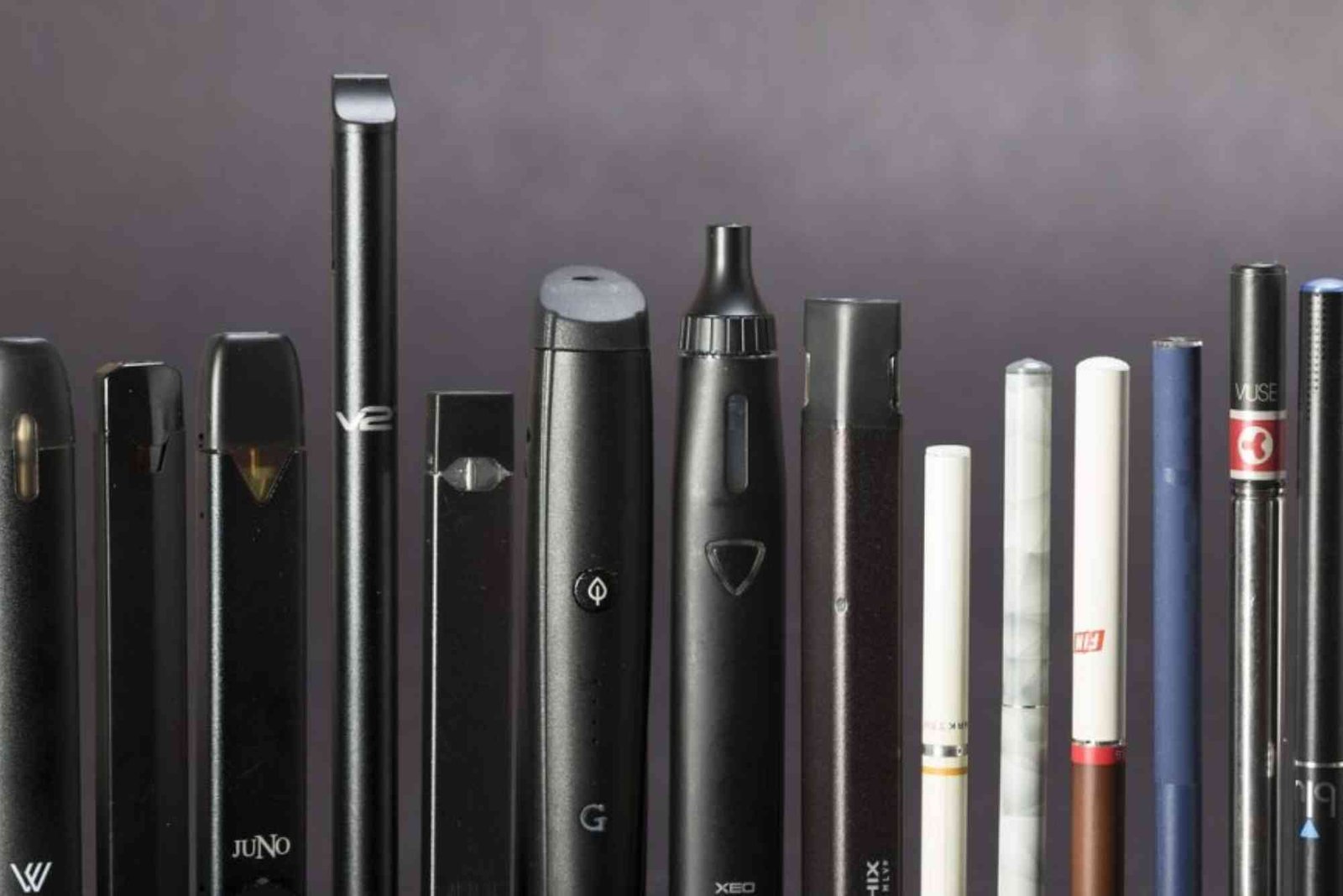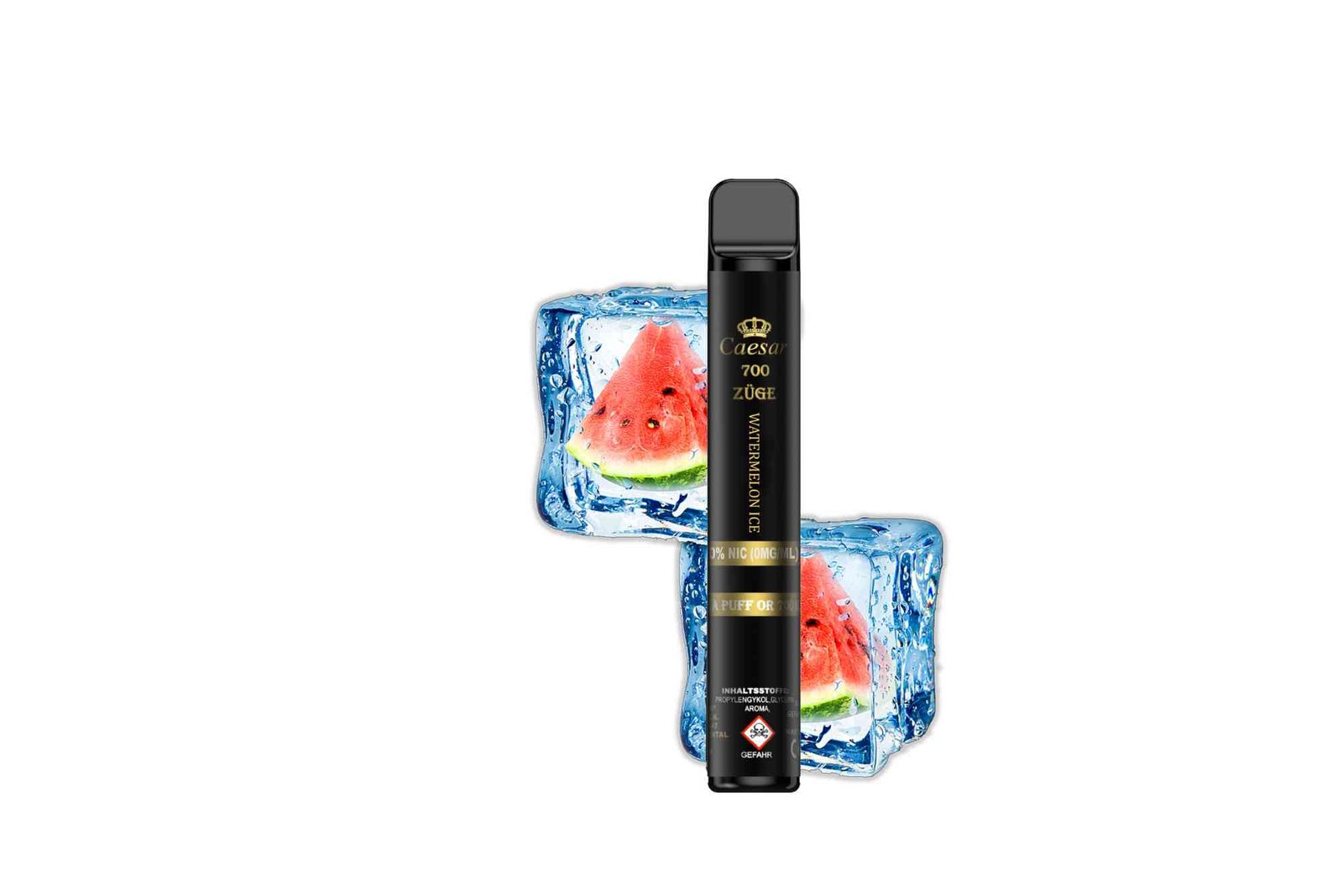
Introduction
The discussion around Why Are flavored vapes banned in nj Matters in the Harm Reduction Debate has become one of the most important public health conversations in the United States. New Jersey’s decision to restrict flavored vaping products has sparked intense debate among policymakers, health experts, smokers, and harm reduction advocates.
At the center of this issue is a difficult balance. On one hand, flavored vaping products are seen by some experts as a less harmful alternative for adult smokers trying to quit combustible cigarettes. On the other hand, public health officials argue that these same flavors attract young users and increase nicotine addiction rates among teens.
Understanding Why Are flavored vapes banned in nj Matters in the Harm Reduction Debate requires examining both sides of the argument. It also requires looking at evidence-based research, regulatory goals, and real-world public health outcomes.
This article explores the reasoning behind the ban, its impact on harm reduction strategies, and how it fits into the broader national conversation on vaping regulation.
Understanding the Flavored Vape Ban in New Jersey
Policy Background and Legislative Intent
The state of New Jersey implemented restrictions on flavored vaping products as part of a broader effort to reduce youth nicotine addiction. Health officials observed a sharp rise in teen vaping rates over the past decade, particularly with sweet and fruity flavors.
The core idea behind Why Are flavored vapes banned in nj Matters in the Harm Reduction Debate is that flavors like mango, mint, and cotton candy make vaping more appealing to younger users. Regulators argue that removing these flavors reduces initiation rates among teens.

According to the New Jersey Department of Health — flavor ban notice New Jersey Department of Health, the goal is to protect public health by limiting access to products that increase nicotine dependence among minors.
External research from the Centers for Disease Control and Prevention (CDC) Centers for Disease Control and Prevention supports the concern that flavored nicotine products are a major driver of youth vaping trends.
Why Flavored Vapes Became a Public Health Concern
Rising Youth Vaping Rates
One of the key reasons behind Why Are flavored vapes banned in nj Matters in the Harm Reduction Debate is the rapid increase in teenage vaping. Studies show that flavored products are significantly more popular among youth than traditional tobacco flavors.
Flavors mask the harshness of nicotine, making it easier for first-time users to start vaping. This raises concerns that vaping may serve as a gateway to long-term nicotine addiction.
Marketing and Accessibility Issues
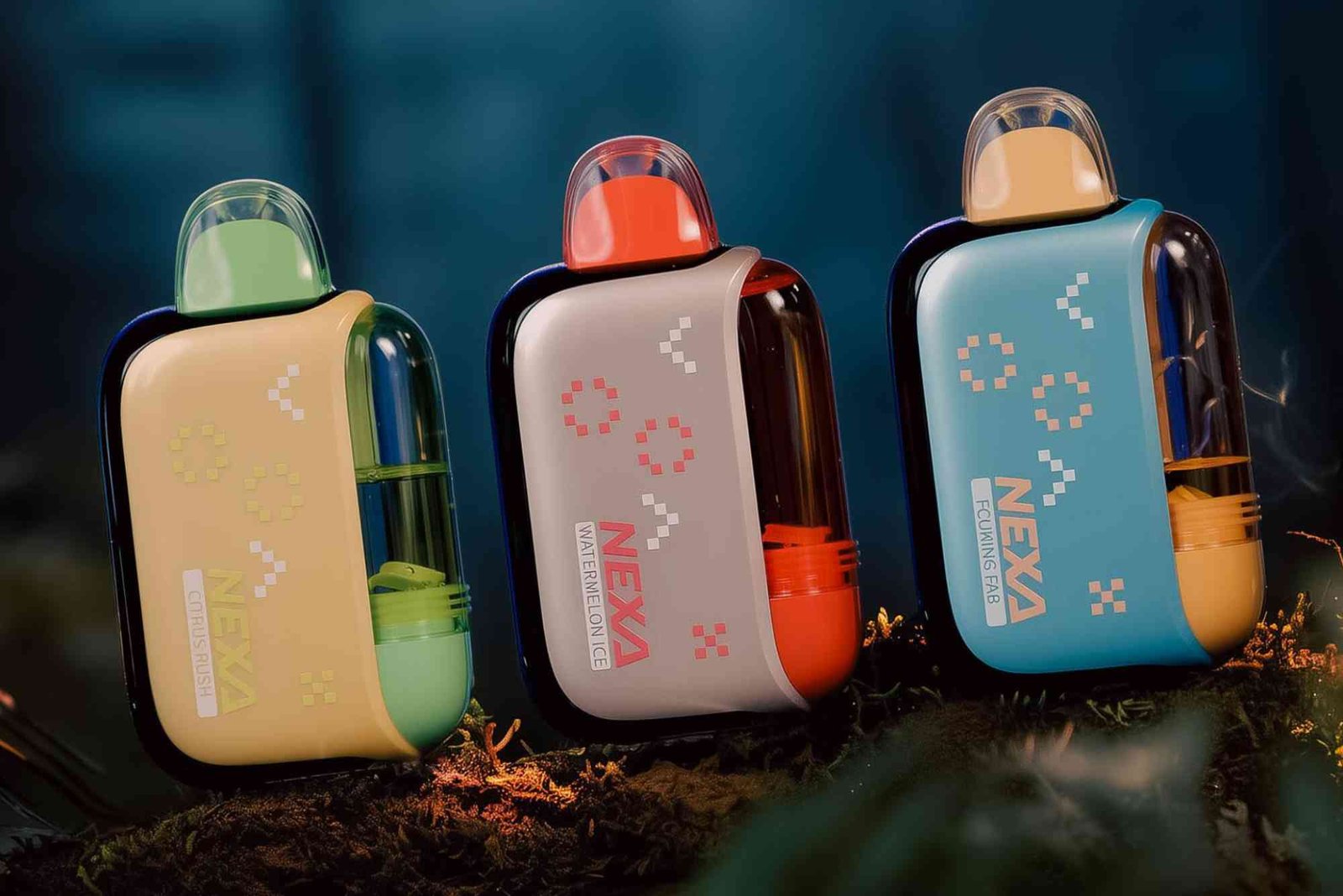
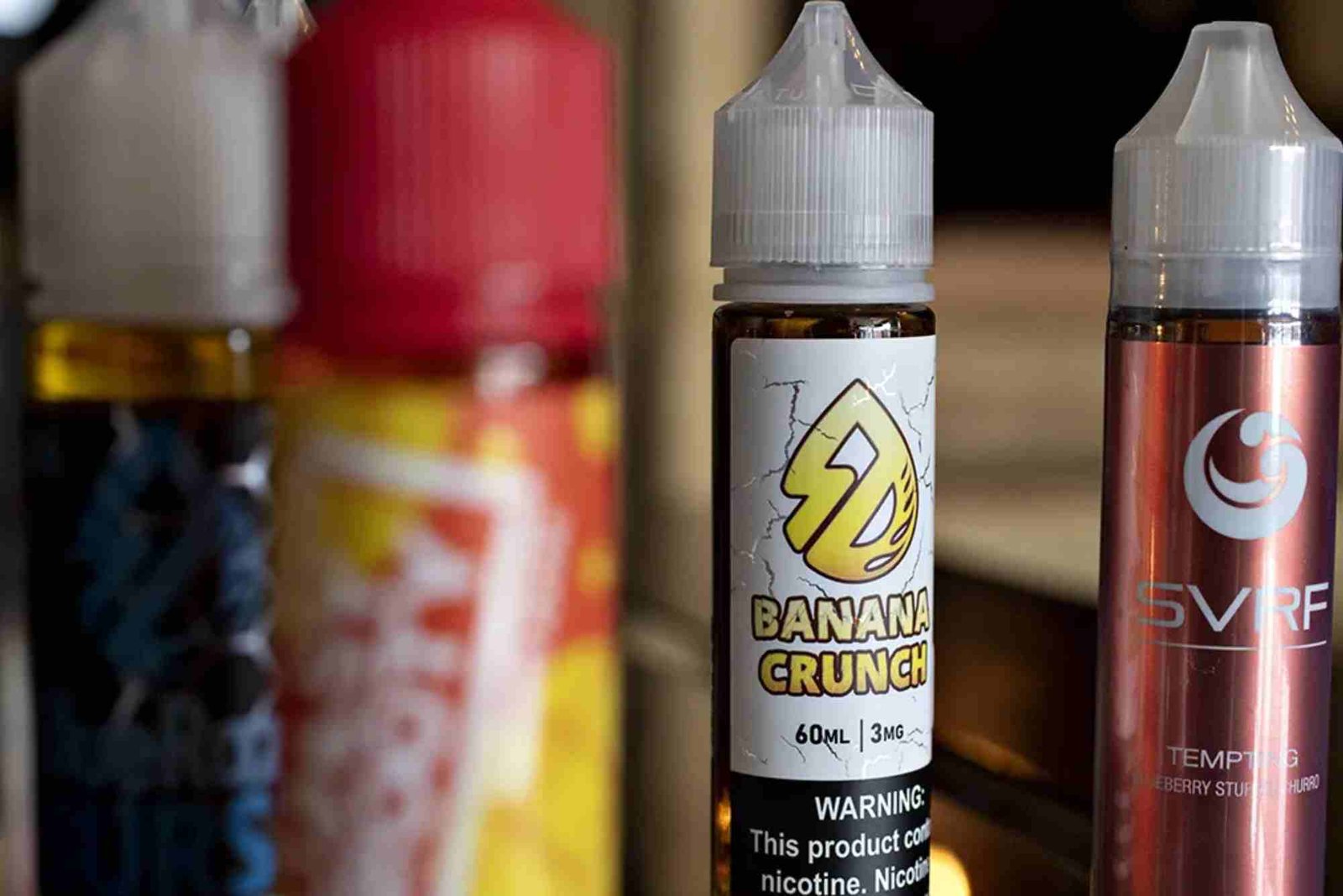
Flavored vapes were widely marketed in ways that appealed to younger audiences. Bright packaging, dessert-like names, and social media promotion contributed to their popularity.
Health experts argue that this marketing strategy undermines public health goals, reinforcing why Why Are flavored vapes banned in nj Matters in the Harm Reduction Debate continues to be a central policy issue.
Nicotine Dependence Risks
Nicotine is highly addictive, and flavored products can lead to higher consumption rates among users who might otherwise avoid traditional tobacco products.
This concern is critical in shaping policies like the New Jersey flavor restrictions, which aim to reduce early addiction exposure.
Harm Reduction Perspective on Flavored Vapes
What Harm Reduction Means in Vaping Policy
Harm reduction focuses on minimizing the negative health impacts of risky behaviors rather than eliminating them entirely. In the vaping debate, some experts argue that e-cigarettes may help adult smokers transition away from combustible tobacco.
This is where Why Are flavored vapes banned in nj Matters in the Harm Reduction Debate becomes controversial. Supporters of harm reduction believe flavored vapes can play a role in smoking cessation for adults.
Adult Smokers and Flavor Preferences
Many adult smokers report that flavored vaping products help them quit cigarettes. Flavors can make the transition away from tobacco more tolerable, especially for long-term smokers who struggle with taste and sensory habits.
This raises a key policy question: should products that may help adults quit smoking be restricted due to youth usage concerns?
The Evidence Divide
Research on vaping and harm reduction is mixed. Some studies suggest vaping is less harmful than smoking. Others highlight unknown long-term risks.
This uncertainty fuels ongoing debate around Why Are flavored vapes banned in nj Matters in the Harm Reduction Debate, as policymakers must weigh incomplete scientific evidence.
Public Health vs Harm Reduction: The Core Conflict
Youth Protection Priority
Public health advocates emphasize preventing nicotine addiction in young people. They argue that even if vaping is less harmful than smoking, it should not be accessible in forms that attract minors.
This perspective strongly supports flavored vape restrictions.
Adult Smoking Cessation Argument
On the other hand, harm reduction supporters believe restricting flavors may discourage smokers from switching to less harmful alternatives.
They argue that Why Are flavored vapes banned in nj Matters in the Harm Reduction Debate is essentially about finding balance between two competing public health goals.
Policy Trade-Offs
Every regulation involves trade-offs. In this case, reducing youth access may unintentionally limit adult smoking cessation tools.
This tension continues to shape national and state-level vaping policies.
Economic and Social Impacts of the Ban
Impact on Vape Retailers
Small businesses that sell vaping products often rely heavily on flavored options for revenue. The ban has forced many retailers to adjust inventory or face financial losses.
Consumer Behavior Changes
Consumers may shift to unregulated or black-market products if legal flavored options are restricted. This raises concerns about product safety and quality control.
Broader Public Health Costs
If vaping restrictions reduce smoking cessation success rates, long-term healthcare costs could remain high. This is another reason Why Are flavored vapes banned in nj Matters in the Harm Reduction Debate remains a complex issue.
Scientific Research and Global Perspectives
Evidence from Health Organizations
Organizations like the World Health Organization (WHO) World Health Organization continue to caution against vaping as a safe alternative to smoking, especially for young people.
However, some independent studies suggest vaping may reduce exposure to harmful chemicals compared to traditional cigarettes.
International Policy Comparisons
Different countries have taken different approaches. Some allow flavored vaping with restrictions, while others ban them entirely.
These differences highlight how uncertain the global scientific consensus still is.
Internal Policy Link References
New Jersey’s regulatory framework can be explored through official resources such as
New Jersey Department of Health — flavor ban notice
Additional policy and regulatory updates are often published through state and federal health agencies as they continue evaluating vaping risks and harm reduction strategies.
Why This Debate Is Still Evolving
Changing Scientific Evidence
New research continues to emerge on the long-term effects of vaping. This makes it difficult to create permanent regulations.
Industry Innovation
Vape manufacturers constantly develop new products that may or may not fall under existing bans. This creates enforcement challenges.
Public Opinion Shifts
Public attitudes toward vaping are also changing. Some communities support stricter regulation, while others advocate for harm reduction-focused policies.
All of this reinforces why Why Are flavored vapes banned in nj Matters in the Harm Reduction Debate remains unresolved.
Future of Flavored Vape Regulation
Possible Policy Adjustments
Lawmakers may consider compromise solutions such as:
- Limiting flavors to adult-only specialty stores
- Stronger age verification systems
- Reduced nicotine concentration limits
These approaches aim to balance harm reduction with youth protection.
Role of Education Campaigns
Public health campaigns may play a key role in reducing youth vaping without eliminating flavored products entirely.
Technological Enforcement Tools
Digital age verification and retail tracking systems could help reduce illegal sales.
The issue of Why Are flavored vapes banned in nj Matters in the Harm Reduction Debate reflects one of the most complex challenges in modern public health policy. It is not simply about banning or allowing flavored vapes—it is about balancing competing risks.
On one side, flavored vaping products may help adult smokers transition away from cigarettes. On the other hand, they pose a significant risk of attracting younger users and increasing nicotine addiction rates.
As research continues and policies evolve, the debate is likely to remain active. What is clear, however, is that any solution must carefully consider both harm reduction benefits and youth protection priorities.
Why Vaping laws in egypt Matters in the Harm Reduction Debate Vaping laws in Egypt matters in harm reduction debate as health policy instruments are evolving to balance risks from smoking reduction while preventing new nicotine addictions too quickly policy shapes discussions on harm reduction and products like vapes and their regulations in public.
Frequently Asked Questions (FAQ)
Why are flavored vapes banned in NJ?
Flavored vapes are banned in NJ primarily to reduce youth vaping rates and prevent nicotine addiction among minors. Regulators believe flavors make vaping more appealing to teenagers.
Do flavored vapes help people quit smoking?
Some adult smokers report that flavored vapes help them quit cigarettes. However, scientific evidence is mixed, and long-term effectiveness is still being studied.
Are flavored vapes more dangerous than tobacco?
Flavored vapes are generally considered less harmful than traditional cigarettes, but they still contain nicotine and other potentially harmful substances.
Will banning flavored vapes reduce smoking rates?
The impact is uncertain. Some experts believe it may reduce youth vaping but could also limit smoking cessation tools for adults.
Why is harm reduction important in vaping policy?
Harm reduction aims to reduce health risks rather than eliminate behaviors entirely. In vaping policy, it focuses on helping smokers transition away from cigarettes safely.
If you’re looking for reliable updates, guides, and products, be sure to visit our official website at thevapeza.com. It’s your go-to destination for the latest information and resources all in one place.
Related Reading: Why What Vapes are Banned in Kentucky Matters in the Harm Reduction Debate
Related Reading: Why Does Indiana Sell Vapes Matters in the Harm Reduction Debate
Related Reading: Why What are the laws in.texas on.vapes.for marijuana Matters in the Harm Reduction Debate