Introduction
Why is it illegal to vape on trains in UK remains a common question among commuters, travelers, and public health advocates. Many people view vaping as a harm reduction alternative to smoking. This makes train bans feel confusing or even unfair. Yet the rule exists for reasons that go beyond individual choice.
The issue sits at the crossroads of public health, transport safety, social norms, and harm reduction policy. Understanding why it is illegal to vape on trains in UK helps explain how governments balance reduced-risk products with shared public spaces. This debate is not about demonizing vaping. It is about managing risk in environments used by millions every day.
This article explores the legal background, health reasoning, enforcement reality, and why the ban still matters in harm reduction discussions.
The Legal Basis for Vaping Bans on UK Trains
Why is it illegal to vape on trains in UK starts with transport law and operator policy. UK trains are regulated spaces. They are not the same as streets or open parks.
Most rail services apply smoke-free rules under the Health Act 2006. While the law focuses on smoking, rail operators extend it to vaping. This is done through conditions of carriage rather than criminal law.
Train companies treat vaping like smoking for clarity and enforcement. Allowing one but banning the other would confuse passengers and staff. Uniform rules reduce conflict on busy services.

How Rail Operators Set the Rules
Each rail company has authority over passenger behavior. This includes bans on activities that cause discomfort or safety risks.
Most UK operators explicitly prohibit vaping in carriages, platforms, and enclosed stations. These rules are clearly stated in passenger terms.
The same approach applies across the network. This consistency explains why is it illegal to vape on trains in UK even when local attitudes differ.
Transport for London and Urban Networks
Urban rail networks follow similar logic. London Underground and Overground services ban vaping entirely.
This falls under the same framework used for smoking bans. You can review official policy through Rail operator & Transport for London — no-smoking/vaping rules with guidance available via.
In dense urban systems, enforcement clarity matters more than nuance.
Public Health Considerations in Confined Spaces
A major reason why is it illegal to vape on trains in UK relates to shared air quality. Trains are enclosed spaces. Ventilation is limited compared to outdoor areas.
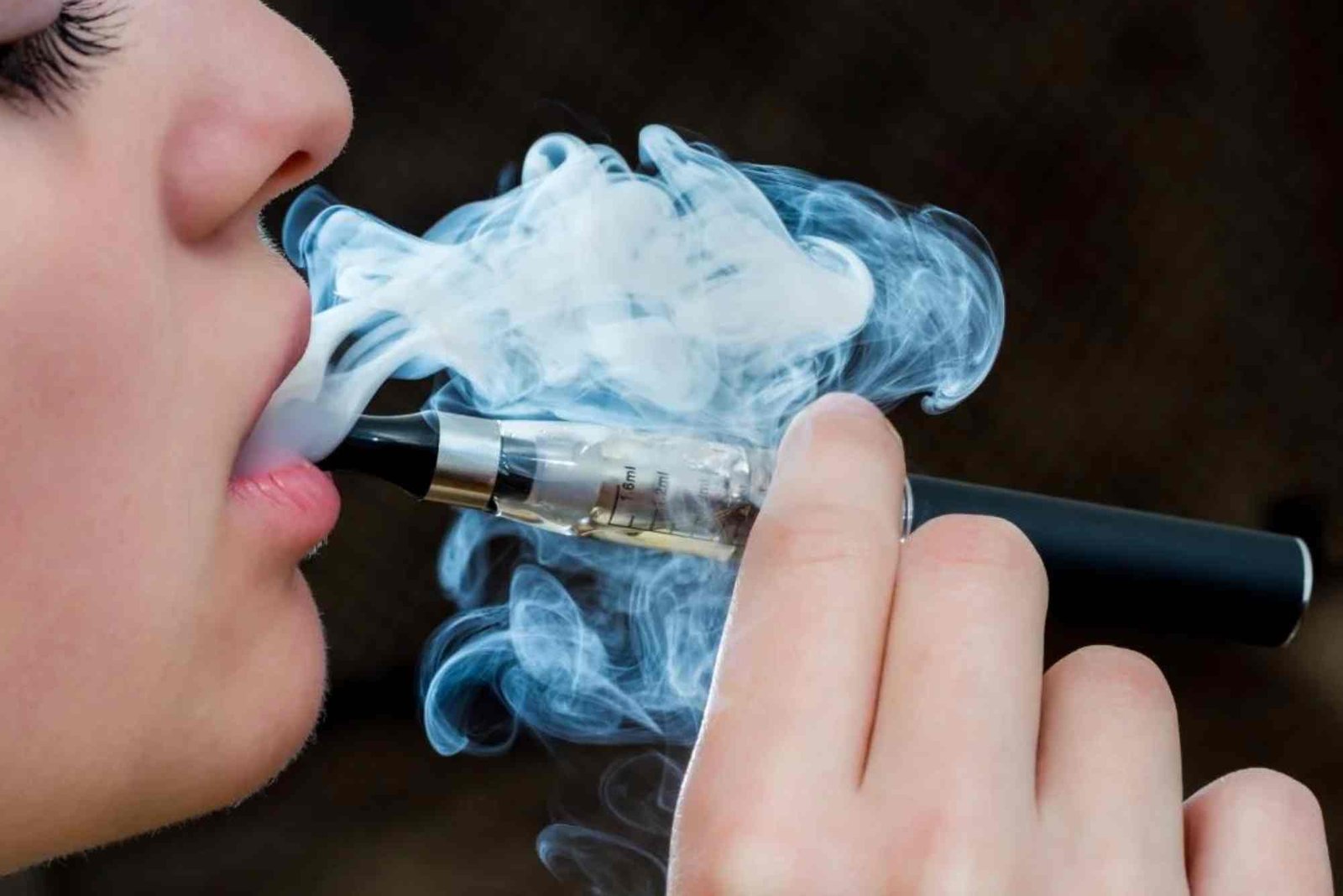
While vaping emits fewer toxins than smoking, it still releases aerosols. These aerosols contain nicotine, flavorings, and fine particles.
Public health bodies remain cautious. Long-term exposure risks are still being studied. In a train carriage, exposure is involuntary.
Protecting Vulnerable Passengers
Trains serve everyone. This includes children, pregnant people, and those with respiratory conditions.
Some passengers experience irritation or anxiety from vapor clouds. Others cannot distinguish vapor from smoke.
From a harm reduction standpoint, protecting non-users remains essential. Harm reduction does not mean removing all restrictions. It means minimizing overall harm.
This is why is it illegal to vape on trains in UK remains consistent with public health logic.
Staff Safety and Workplace Rules
Train staff are workers in enclosed environments. Employers have a legal duty to provide safe workplaces.
Allowing vaping would expose staff to secondhand aerosol repeatedly during shifts. This raises occupational health concerns.
Even if risks are lower than smoke, repeated exposure is not fully understood. Employers take a precautionary approach.
Staff safety adds another layer to why is it illegal to vape on trains in UK.
Enforcement and Practical Reality
Rules must be enforceable. This is often overlooked in the harm reduction debate.
If vaping were allowed but smoking banned, staff would need to identify devices instantly. This is unrealistic during busy service hours.
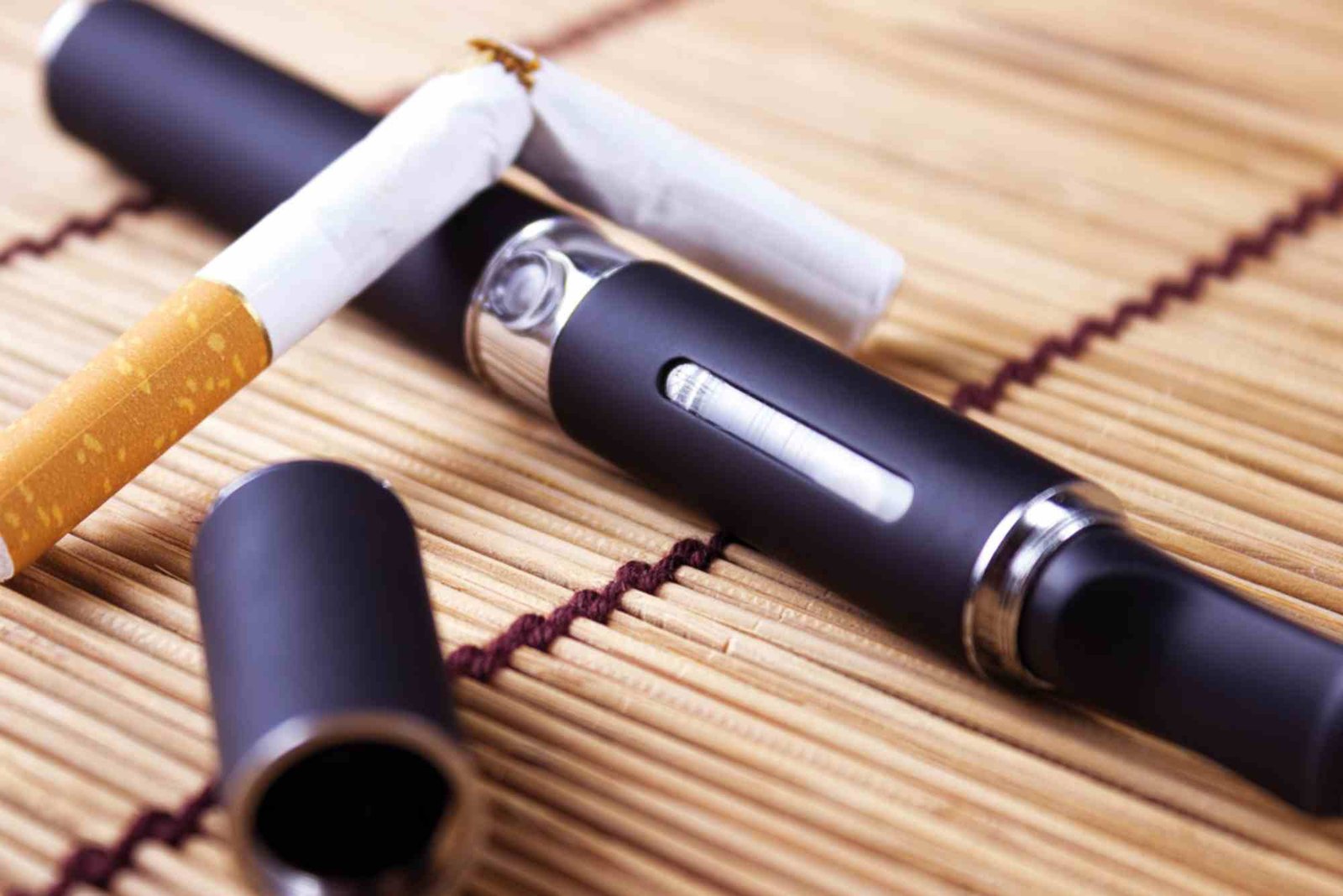
Some vaping devices resemble cigarettes. Others produce dense clouds. Arguments and delays would increase.
Clear bans simplify enforcement. This reduces conflict and service disruption. Practical enforcement explains much of why is it illegal to vape on trains in UK.
The Social Experience of Public Transport
Trains are shared social environments. Comfort matters as much as health data.
Strong flavors can be intrusive. Some passengers dislike sweet or chemical smells. Others associate vapor with smoke.
Public transport policies often reflect social tolerance thresholds. Even low-risk behaviors may be restricted to preserve comfort.
From this angle, why is it illegal to vape on trains in UK becomes a question of social contract rather than science alone.
Harm Reduction Does Not Mean Zero Restrictions
Harm reduction aims to reduce overall harm, not remove all rules. This distinction matters.
Vaping is widely seen as less harmful than smoking. UK health authorities support it for smoking cessation.
Yet harm reduction also considers context. A less harmful product can still be restricted in specific settings.
Just as nicotine patches are allowed everywhere but smoking is not, vaping sits between these extremes.
This balanced view supports why is it illegal to vape on trains in UK without rejecting vaping itself.
Comparing Trains to Other Public Spaces
Why is it illegal to vape on trains in UK but sometimes allowed outdoors or in pubs?
The answer lies in ventilation and consent. Outdoor spaces disperse aerosols quickly. Indoor private venues can set their own rules.
Trains are enclosed and mandatory for travel. Passengers cannot easily leave.
This lack of choice strengthens the justification for stricter rules.
Public Perception and Normalization Concerns
Another factor in why is it illegal to vape on trains in UK is normalization.
Allowing visible vaping could blur lines between smoking and vaping. This risks undermining decades of smoke-free messaging.
Public health campaigns aim to reduce smoking cues. Vapor clouds that resemble smoke complicate this goal.
Even if vaping is safer, visual similarity matters in behavior modeling, especially for young observers.
International Context and UK Leadership
The UK is often praised for progressive vaping policy. It promotes vaping as a smoking alternative more than many countries.
Yet even within this supportive framework, restrictions remain in shared spaces.
This shows that supportive policy does not mean unrestricted use. The UK model balances encouragement with regulation.
Understanding this balance is key to grasping why is it illegal to vape on trains in UK.
Legal Consequences and Passenger Responsibility
While vaping bans are not criminal offenses, breaches can lead to penalties.
Passengers may be asked to stop, leave the train, or face fines. Repeat issues can escalate.
Knowing the rules avoids unnecessary stress. It also shows respect for fellow travelers.
Responsibility plays a role in harm reduction too.
The Future of Vaping Rules on Trains
Could rules change? Possibly, but not soon.
Research on secondhand vapor is ongoing. Public attitudes remain mixed. Transport safety priorities stay conservative.
Any relaxation would require clear evidence, public acceptance, and practical enforcement solutions.
For now, why is it illegal to vape on trains in UK reflects current knowledge and social priorities.
FAQs
Is vaping illegal on all UK trains?
Yes, vaping is banned on virtually all UK train services. This includes mainline rail and underground systems.
Can you vape on train platforms in the UK?
Most enclosed platforms ban vaping. Open-air platforms may vary, but many operators still prohibit it.
Why is vaping treated the same as smoking on trains?
Uniform rules simplify enforcement and reduce confusion. Visual similarity also plays a role.
Is secondhand vape harmful on trains?
Evidence suggests lower risk than smoke, but confined exposure remains a concern. Precaution guides policy.
Can train staff fine you for vaping?
Staff can enforce conditions of carriage. This may include fines or removal from the service.
Why is it illegal to vape on trains in UK is not a contradiction of harm reduction. It is an application of it in a shared environment.
The ban protects passengers, staff, and service efficiency. It balances individual choice with collective comfort.
Harm reduction works best when paired with sensible boundaries. Trains are one place where those boundaries remain necessary.