
Introduction
Vaping has grown in popularity across the UK, but questions remain about its safety, particularly for non-vapers. While active vaping involves inhaling vapor from an e-cigarette, passive vaping refers to exposure to this vapor by people nearby. Many worry about the potential health effects, especially in homes, workplaces, and public spaces. This guide explores the science, safety concerns, and practical advice for UK users, helping you make informed choices.
Understanding Passive Vaping
What Is Passive Vaping?
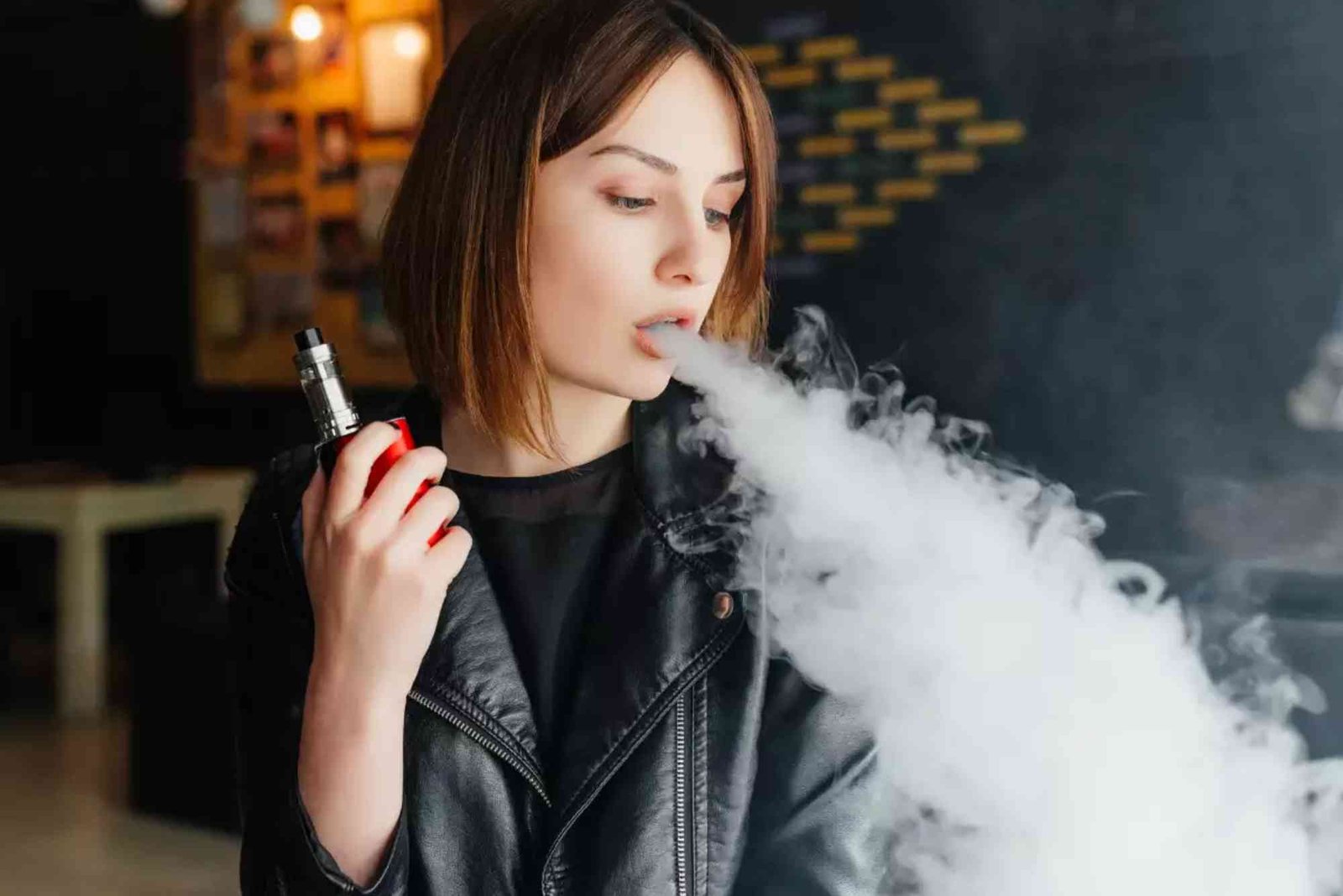
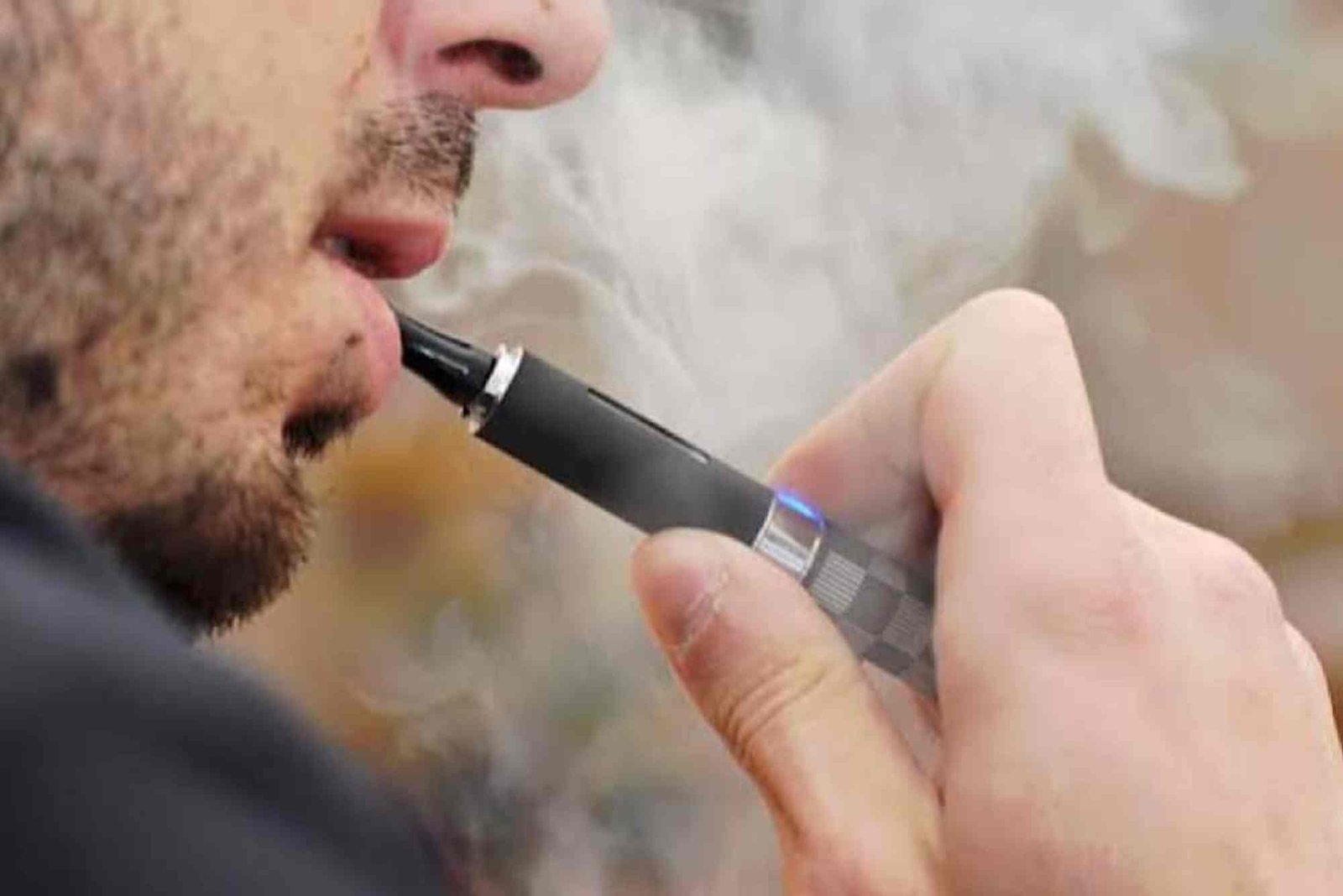
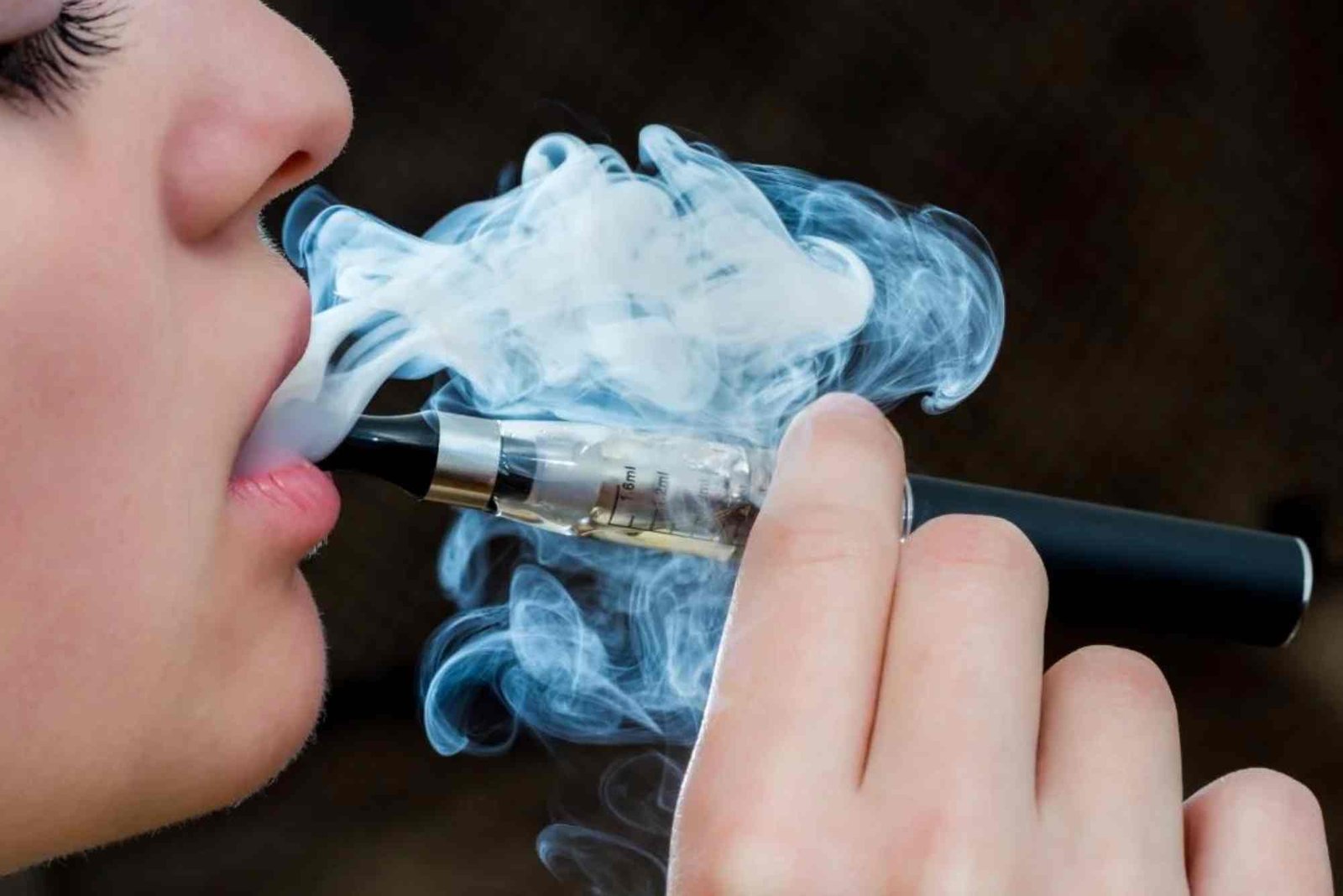
Passive vaping occurs when non-vapers inhale exhaled vapor from someone using an e-cigarette. Unlike cigarette smoke, vape vapor contains fewer harmful chemicals. However, it still carries substances such as nicotine, flavorings, and trace metals. Understanding these components helps evaluate the risks accurately.
Difference Between Secondhand Smoke and Vapor
Cigarette smoke is proven to cause severe health issues, including lung disease and cancer. Vape vapor, on the other hand, contains lower levels of toxic chemicals. Studies suggest that while exposure is not risk-free, it is significantly less harmful than traditional secondhand smoke.
Health Risks of Passive Vaping
Short-Term Effects
Some research indicates mild irritation from passive vaping, including sore throats, coughing, or eye irritation. People with respiratory conditions, such as asthma, may experience stronger reactions. In enclosed spaces, the concentration of vapor can increase, potentially affecting sensitive individuals more.
Long-Term Exposure
The long-term health impacts of passive vaping remain under investigation. Current evidence suggests that inhaling small amounts of vapor occasionally is unlikely to cause serious harm. Nevertheless, prolonged exposure in poorly ventilated areas might pose a greater risk, particularly for children and pregnant women.
Nicotine Concerns
Nicotine is present in many e-liquids. Passive exposure can result in trace nicotine intake, but it is usually minimal compared to active vaping. Still, minimizing exposure is recommended, especially around vulnerable populations.

UK Regulations on Vaping and Public Exposure
Public Spaces
In the UK, vaping is banned in most enclosed public spaces, such as schools, hospitals, and public transport. This protects non-vapers from unnecessary exposure and aligns with public health guidelines.
Home and Workplace
There are no specific laws regulating vaping at home or in private workplaces. However, good practice involves respecting others’ health by avoiding vaping in enclosed areas or around non-vapers, particularly children.
Buyer Tips for Safe Vaping
Choosing Low-Nicotine E-Liquids
Selecting e-liquids with lower nicotine content reduces the risk of passive exposure. Many UK suppliers offer a wide range of strengths, making it easier to tailor your vaping to your needs.
Using Devices with Less Vapor Production
Some vape devices produce thick clouds, increasing passive exposure. Opting for devices with moderate vapor output can minimize risk to others nearby.
Ventilation Matters
Vaping in well-ventilated areas helps disperse vapor quickly, lowering the chances of passive exposure. Avoid vaping in small, enclosed spaces like cars or bathrooms.
Respect Others’ Preferences
Always ask before vaping around non-vapers. This simple courtesy can prevent discomfort and potential health concerns.
Reducing Passive Vaping Exposure
For Non-Vapers
If you are concerned about passive vaping, maintaining distance from active vapers, choosing well-ventilated areas, and using air purifiers can help.
For Vapers
Being mindful of where and how you vape demonstrates respect and promotes safer habits. Even if evidence of harm is limited, reducing exposure benefits everyone.
FAQs
Is passive vaping harmful to children?
Children are more sensitive to inhaled substances. Minimizing exposure is strongly recommended.
Can passive vaping trigger asthma?
Yes, some individuals may experience irritation or mild asthma symptoms when exposed to vape vapor.
Does UK law protect non-vapers?
Yes, vaping is banned in most enclosed public spaces to protect non-vapers.
Is passive vaping as dangerous as secondhand smoke?
No. Vape vapor contains fewer harmful chemicals, making it less risky than cigarette smoke.
How can I reduce passive vaping at home?
Vape in well-ventilated areas, use low-nicotine liquids, and avoid vaping near non-vapers.
Passive vaping in the UK appears less harmful than secondhand smoke, but caution is still necessary. By understanding the risks, choosing the right devices, and respecting others, vapers can reduce exposure and maintain safer environments. Whether at home or in social settings, awareness and responsible habits make a significant difference.