Introduction
The topic of new vape laws UK is rapidly gaining attention and rightly so: these laws sit at the crossroads of public health, environmental responsibility, youth protection, and harm reduction. Harm reduction is a principle that focuses on reducing the negative consequences of risk behaviours rather than simply trying to eliminate the behaviour itself. In the context of smoking and vaping, that means recognising that while quitting nicotine altogether is ideal, some adult smokers may switch to less harmful alternatives such as e‑cigarettes or vapes. The new vape laws UK aim to reshape the environment in which vapes operate—balancing encouragement of adult switching, protection of non‑smokers and youth, and environmental concerns. It’s therefore vital to understand why these laws matter as part of the broader harm reduction debate.
The Context of Vaping and Harm Reduction
What is harm reduction in tobacco and nicotine use?
Harm reduction in tobacco control acknowledges that while smoking combustible cigarettes remains the most harmful route of nicotine use, alternatives such as vaping may carry lower risk. Regulators and health authorities increasingly accept that facilitating smokers to switch to less harmful products can yield public‑health gains—provided that such alternatives are appropriately regulated and do not create unintended harms.
The UK’s existing regulatory framework for vapes
In the UK, the regulatory framework for vapes is well established. For example, the Tobacco and Related Products Regulations 2016 requires producers of electronic cigarettes to notify authorities, supply data, and monitor products. On the consumer side, there are rules around particle levels, nicotine limits, packaging, and prohibition of sales to under‑18s. This baseline forms a platform on which the new vape laws UK build.
Why additional regulation is being introduced
There are three major pressures behind the introduction of new vape laws UK:
- Youth uptake: There is concern that vaping—especially with flavoured or disposable devices—is attracting young people who would otherwise not use nicotine products.
- Environmental impact: Single‑use or disposable vapes create waste streams and fire risks due to lithium batteries and contribute to a throw‑away culture.
- Fair market and stronger oversight: With the evolving vaping market and product innovation, regulators want to close loopholes and ensure that devices are safe, properly marketed, tracked, and controlled.
Key Elements of the New Vape Laws UK
Ban on single‑use (disposable) vapes
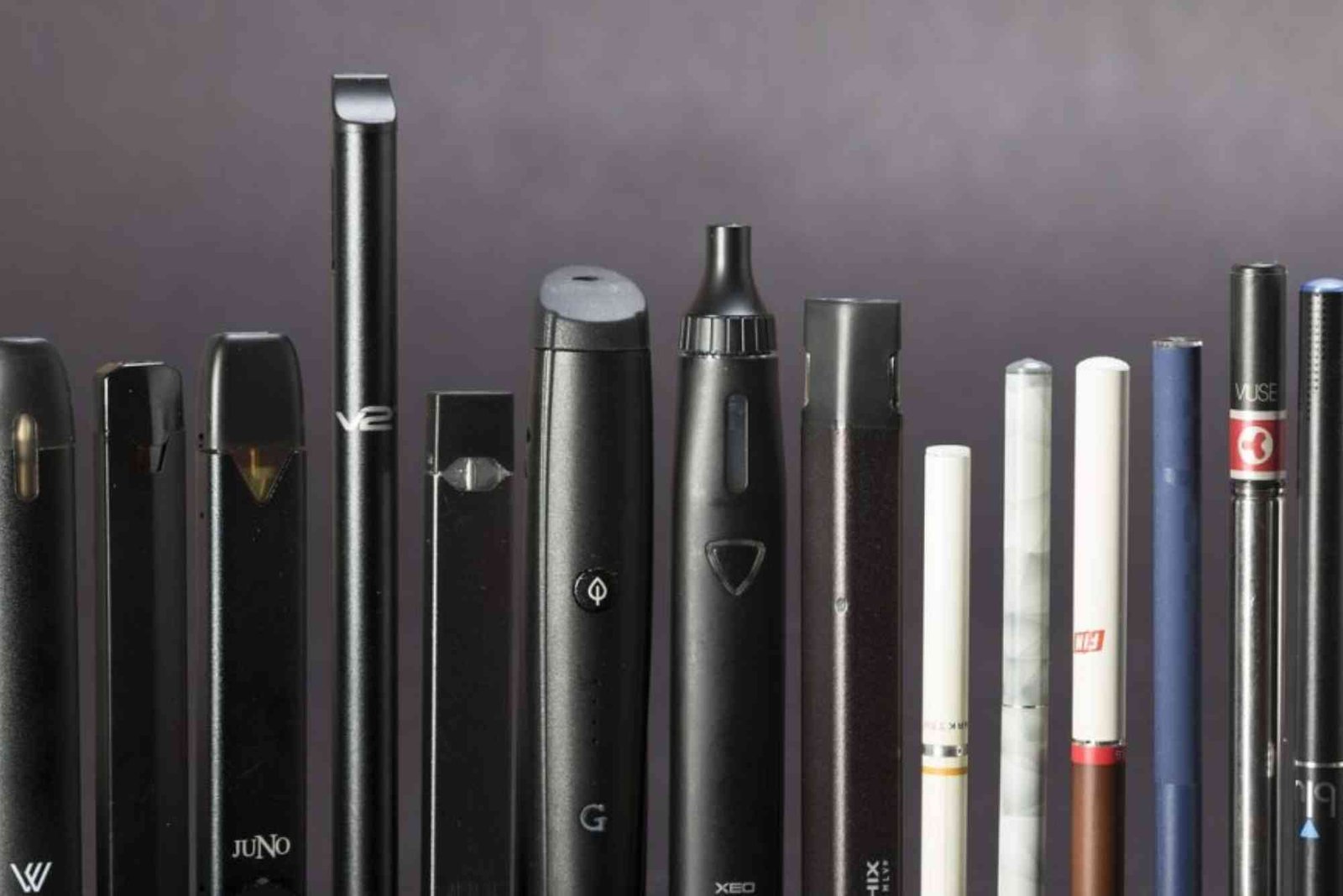
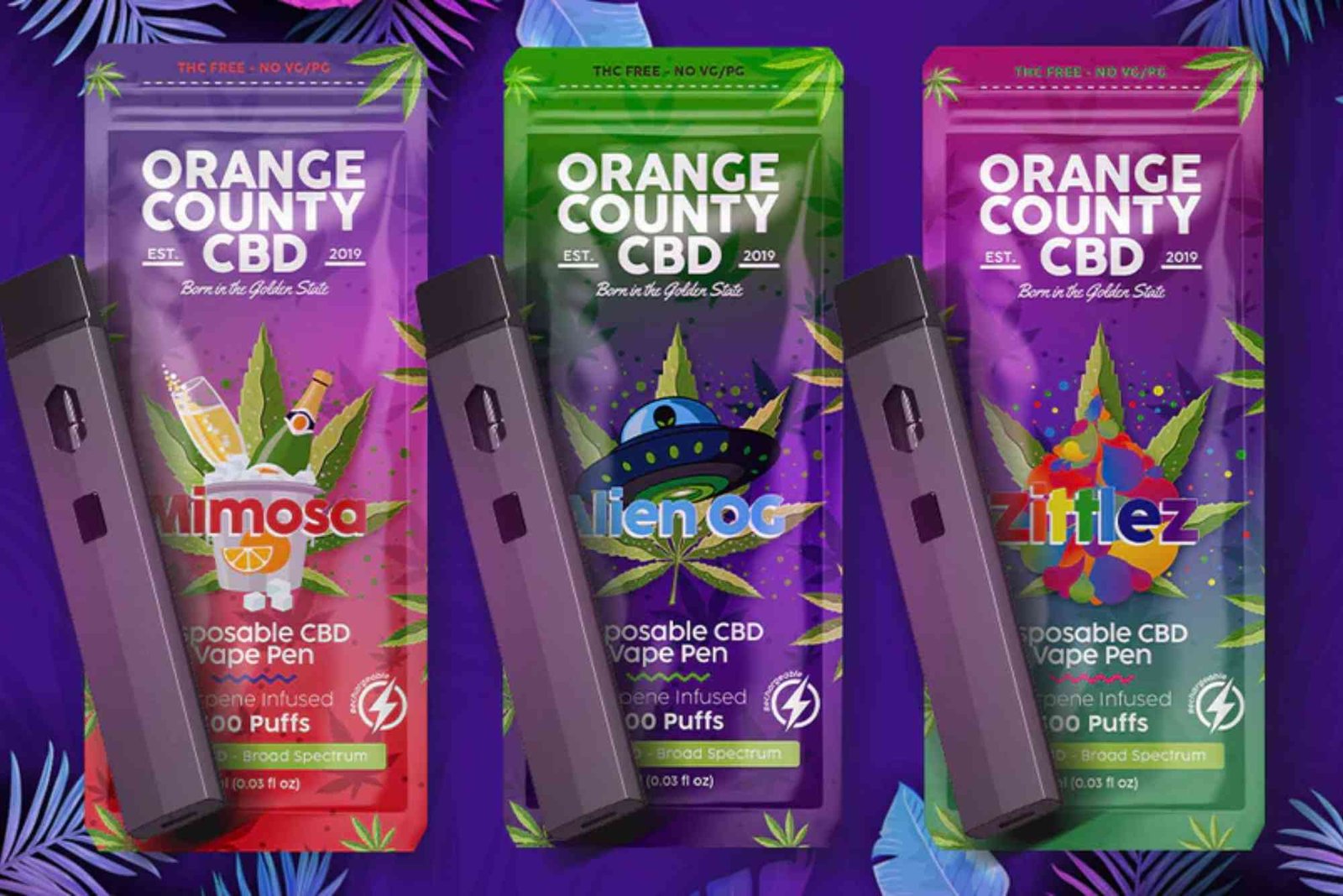
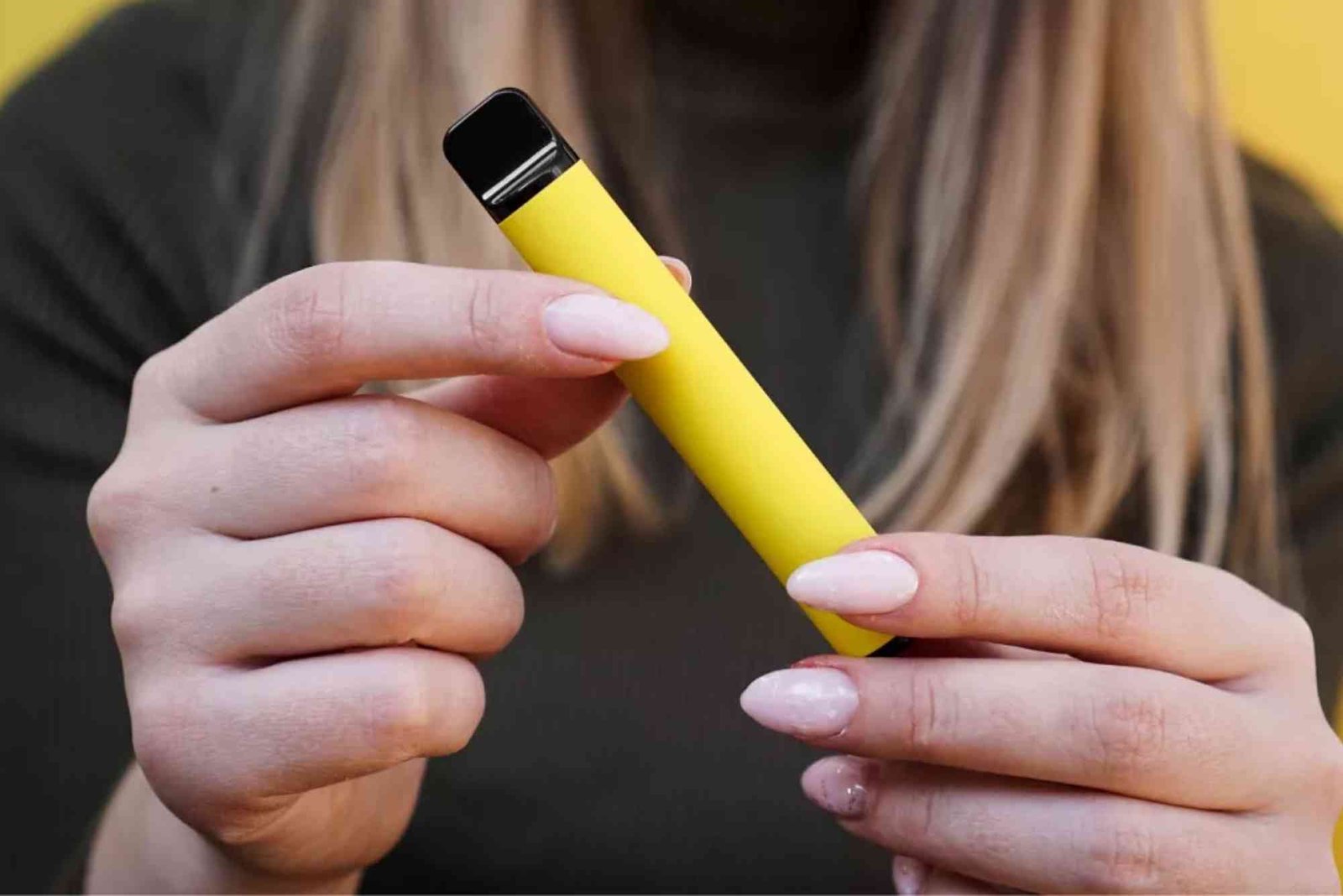
One of the headline changes under the new vape laws UK is the prohibition on the supply of single‑use vapes, whether or not they contain nicotine. The rationale is to reduce environmental waste and make vaping less disposable and more controlled.
Strengthened retail and advertising controls
The new laws include stricter rules on advertising, sponsorship, flavour packaging, display, and sales routes. Licensing of retailers and registration is also proposed, ensuring products are only sold through authorised channels.
Youth‑focused protections and age limits
The laws emphasise protecting children and non‑smokers. Measures include banning sales to under‑18s and extending smoke‑free or vape‑free places. While adult smokers may benefit from vaping, youth uptake is considered unacceptable from a public health perspective.
Integration with smoking cessation and broader tobacco policy
The new vape laws UK are interconnected with efforts to create a smoke‑free generation, phase out combustible tobacco, and align product standards. By aligning tobacco and vaping regulations, authorities aim to close loopholes across jurisdictions and make harm reduction more effective.
Why the New Vape Laws UK Matter in the Harm Reduction Debate
Supporting smokers who want to switch
The new vape laws UK strengthen the credibility of vaping as a regulated alternative to smoking for adults. By ensuring quality, oversight, and responsible supply, vaping becomes a less harmful alternative rather than an unregulated grey market.
Protecting non‑smokers and youth from uptake
Harm reduction also involves preventing new users from starting a harmful habit. The laws aim to keep vaping out of the hands of those who never smoked, protecting youth and non‑smokers while supporting overall public‑health gains.
Mitigating unintended consequences
Without regulation, the harm‑reduction potential of vaping can be undermined by risks such as youth uptake, unregulated devices, environmental harms, and illicit products. The new laws mitigate these unintended harms, ensuring that harm reduction does not become harm amplification.
Environmental dimension of harm reduction
Disposable vapes contribute to pollution, fire risk, and waste streams. The new laws banning single‑use vapes and requiring recycling tie environmental harm reduction to public health, aligning ecological responsibility with public safety.
Market integrity and consumer trust
For harm reduction to work effectively, adult smokers must trust that switching to a regulated product is safe and reliable. The new vape laws UK strengthen product standards, reporting duties, notifications, and enforcement, building market integrity so that switching is a credible pathway.
Challenges and Considerations
Balancing access for adult smokers with restrictions for others
One key tension is ensuring adult smokers have access to vaping alternatives while restricting access and appeal to youth. Overly restrictive rules could push smokers back to combustible cigarettes, undermining harm-reduction goals.
Risk of unintended market effects
Strict bans on devices may push consumers into unregulated markets or illicit products, which carry higher risks. Regulators need to monitor enforcement and market responses to avoid such outcomes.
Industry adaptation and cost burdens
Retailers and manufacturers must adapt to the new laws. Compliance costs, product portfolio adjustments, and supply chain changes may affect availability, pricing, and consumer choice. Businesses that proactively adapt will face fewer disruptions.
Evidence base and ongoing evaluation
Harm reduction relies on evidence. Monitoring youth trends, smoking prevalence, vaping patterns, environmental outcomes, and unintended consequences is crucial to ensure the laws deliver intended benefits.
What It Means for Stakeholders
For adult smokers and vapers
Adult smokers considering switching can have greater assurance that the vaping market is being regulated with public health in mind. They will need to choose products carefully and ensure they are purchasing from legitimate sources.
For parents, schools, and youth‑focused organisations
The laws signal a strong commitment to protecting children and non‑smokers. Schools, parents, and youth organisations can use the regulatory environment to reinforce education and prevention messages.
For retailers and manufacturers
Businesses must review product portfolios, particularly single‑use vapes, comply with advertising and display rules, and understand licensing and registration requirements. Proactive adaptation reduces disruption.
For public health and policy‑makers
The laws provide a framework to integrate vaping into broader tobacco control and harm-reduction strategies. Monitoring, data collection, and enforcement remain essential to ensure public health benefits.
How the New Vape Laws UK Fit with Broader Harm Reduction Strategy
The new laws form part of a broader effort: reducing smoking rates, creating smoke‑free places, restricting youth access, and managing environmental impact. By regulating vaping more robustly, the UK positions vaping as part of a regulated spectrum of harm reduction—benefiting adult smokers, protecting youth, and upholding public health and environmental standards.
The new vape laws UK matter because they shape vaping as a regulated, adult-only alternative to smoking, while addressing environmental and youth protection UK Legislation portal — new statutory instruments concerns. They ensure the promise of harm reduction is realised, not undermined by unregulated markets, youth uptake, or environmental damage. Stakeholders need to engage: adult smokers should seek credible switching options, retailers must adapt, parents and educators should update preventative efforts, and policy‑makers must monitor outcomes and enforce regulations. Staying informed and prepared ensures that vaping contributes positively to harm reduction.
FAQs
Q: What are the single‑use vapes banned under the new vape laws UK?
A: The ban covers disposable vapes, whether or not they contain nicotine, supplied for use and then discarded.
Q: Will the new vape laws UK stop adult smokers from vaping?
A: No, the laws focus on youth access, disposable products, and marketing. Adult smokers can still use regulated alternatives.
Q: How will the new vape laws UK be enforced?
A: Enforcement includes retailer licensing, product notifications, fines for non-compliance, and disposal rules for disposable devices.
Q: Will flavours for vapes be banned under the new vape laws UK?
A: The laws provide powers to regulate flavours, packaging, display, and product standards, strengthening oversight.
Q: How do the new vape laws UK help the environment?
A: By banning single‑use vapes and imposing recycling requirements, the laws reduce waste, fire risks, and pollution.