Introduction
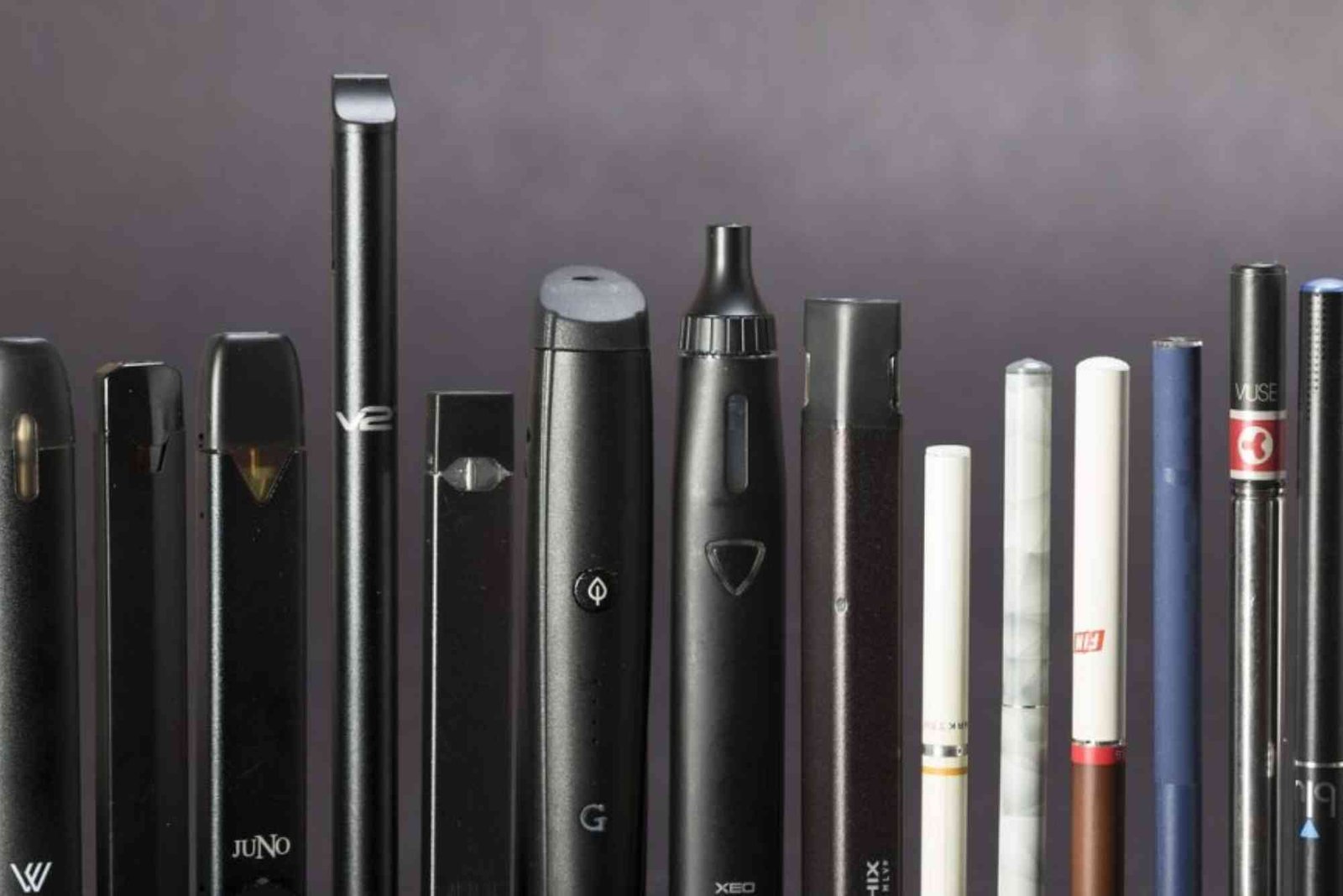
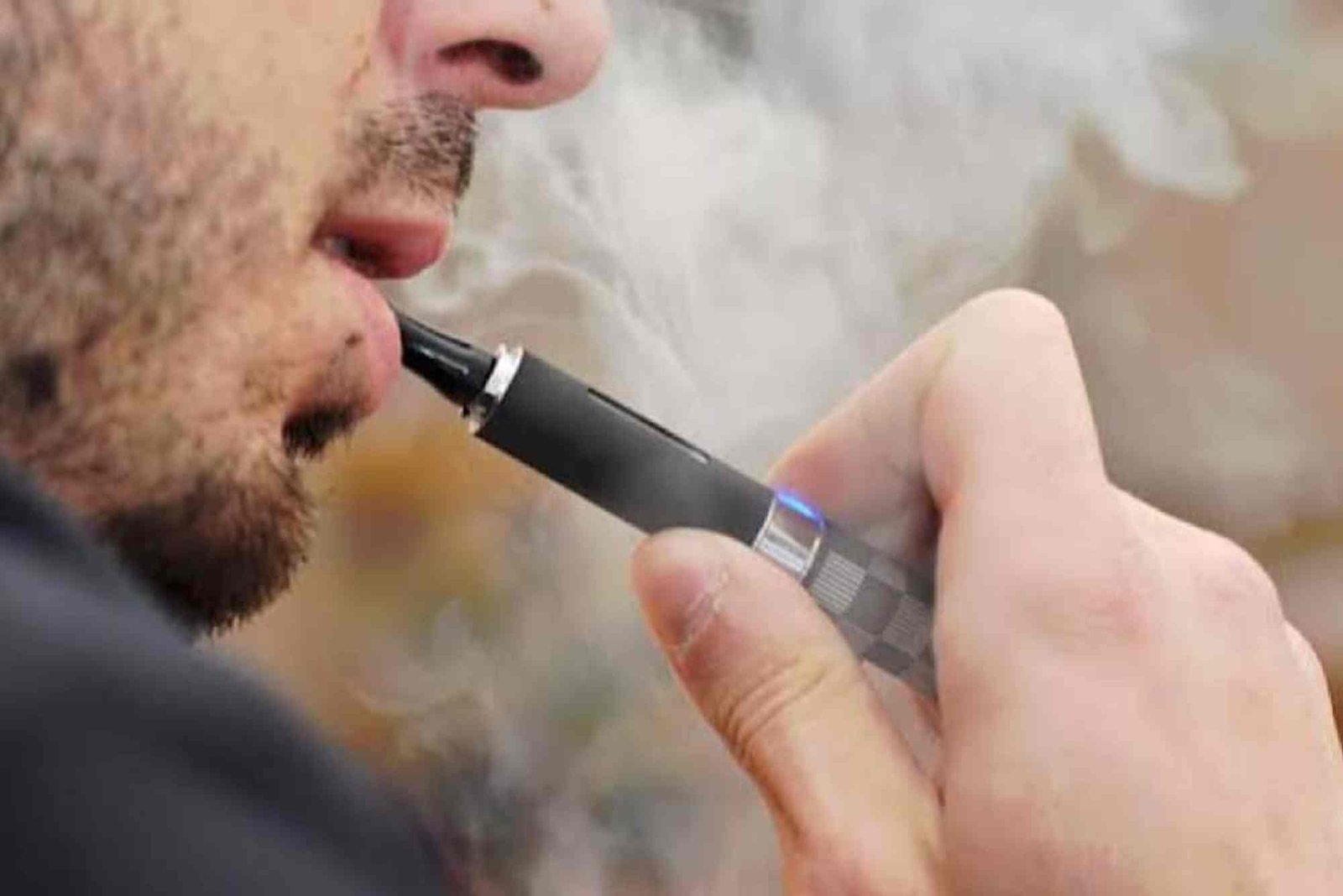
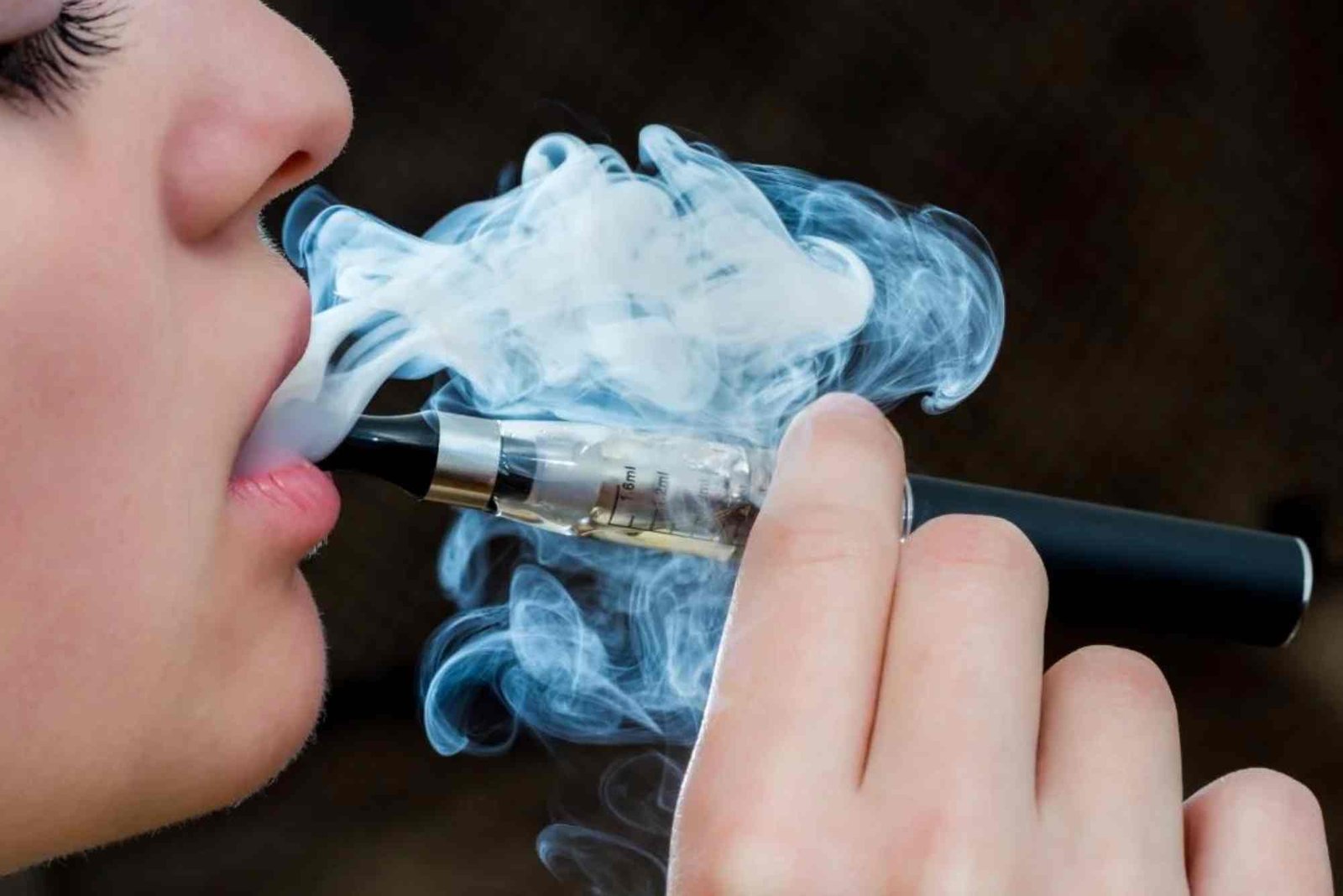
The discussion around vaping among teenagers has become one of the most important public health debates today. Many people ask, Why Is vaping under 16 illegal Matters in the Harm Reduction Debate, especially as vaping is often promoted as a safer alternative to smoking.
However, the issue is more complex than it seems. While harm reduction strategies aim to reduce risks for adult smokers, protecting children from nicotine addiction remains a top priority for global health authorities. This is why laws restricting vaping under 16 exist in many countries.
At the same time, lifestyle and wellness culture spaces, from fitness communities to places like Orange Theory Mountain View, often highlight health-conscious living. Yet, youth vaping continues to challenge public health systems worldwide.
In this article, we explore the science, laws, and ethics behind these restrictions and why they matter in the broader harm reduction debate.
Understanding Why Vaping Under 16 Is Illegal
The Legal Framework Behind Age Restrictions
Most countries have strict laws that prohibit the sale and use of nicotine products, including vaping devices, to individuals under 16 or 18. These laws are designed to protect developing brains from nicotine exposure.
Nicotine is highly addictive, and early exposure increases the likelihood of lifelong dependence. According to the World Health Organization (WHO), adolescent exposure to nicotine can disrupt brain development and increase future substance use risks.

This is why Why Is vaping under 16 illegal Matters in the Harm Reduction Debate is not just a policy question, but also a health protection strategy.
You can learn more about youth health protection from UNICEF — youth protection & tobacco control guidance.
The Science Behind Youth Nicotine Addiction
How Nicotine Affects Developing Brains
Teen brains are still developing until the mid-20s. Nicotine exposure during this period can alter neural pathways related to attention, learning, and impulse control.
Studies show that young users become addicted faster than adults. This makes early vaping a gateway to long-term nicotine dependency. Therefore, Why Is vaping under 16 illegal Matters in the Harm Reduction Debate becomes a question of neuroscience, not just regulation.
Long-Term Health Consequences
Even though vaping is often marketed as safer than smoking, it is not risk-free. E-cigarettes contain chemicals that may affect lung health over time. For young users, the risks are even greater because their bodies are still developing.
Public health agencies like the CDC highlight concerns about respiratory irritation, cardiovascular stress, and behavioral addiction patterns linked to early nicotine use.
Harm Reduction vs Youth Protection
What Harm Reduction Really Means
Harm reduction focuses on minimizing the negative effects of harmful behaviors rather than eliminating them entirely. In smoking policy, vaping is sometimes used as a harm reduction tool for adult smokers trying to quit cigarettes.
However, this strategy is designed for adults, not minors. This is where Why Is vaping under 16 illegal Matters in the Harm Reduction Debate becomes a critical policy tension.
Why Age Restrictions Still Matter
Allowing unrestricted access to vaping products could normalize nicotine use among teenagers. This undermines decades of tobacco control efforts.
Governments therefore balance two goals: helping adult smokers reduce harm while preventing youth initiation. The restriction under 16 is a protective barrier in this balance.
The Social and Behavioral Impact of Teen Vaping
Peer Pressure and Digital Influence
Social media plays a significant role in teen vaping trends. Influencers and viral content often glamorize vaping, making it appear trendy or harmless.
This creates social pressure among teens, increasing experimentation rates. This is another reason why Why Is vaping under 16 illegal Matters in the Harm Reduction Debate continues to be a global concern.
School Environment and Early Exposure
Schools report rising cases of vaping among students. This affects academic performance and introduces nicotine dependency early in life.
Educators and parents are now working together to create awareness programs that emphasize prevention over punishment.
Public Health Policies and Global ResponsesHow Countries Are Responding
Different countries have adopted varying approaches. Some enforce strict bans, while others regulate nicotine concentration and advertising.
The common goal is to reduce youth access while still allowing adult smokers access to less harmful alternatives.
The WHO continues to support strong regulations on marketing and sales targeting young people.
Advertising and Flavor Restrictions
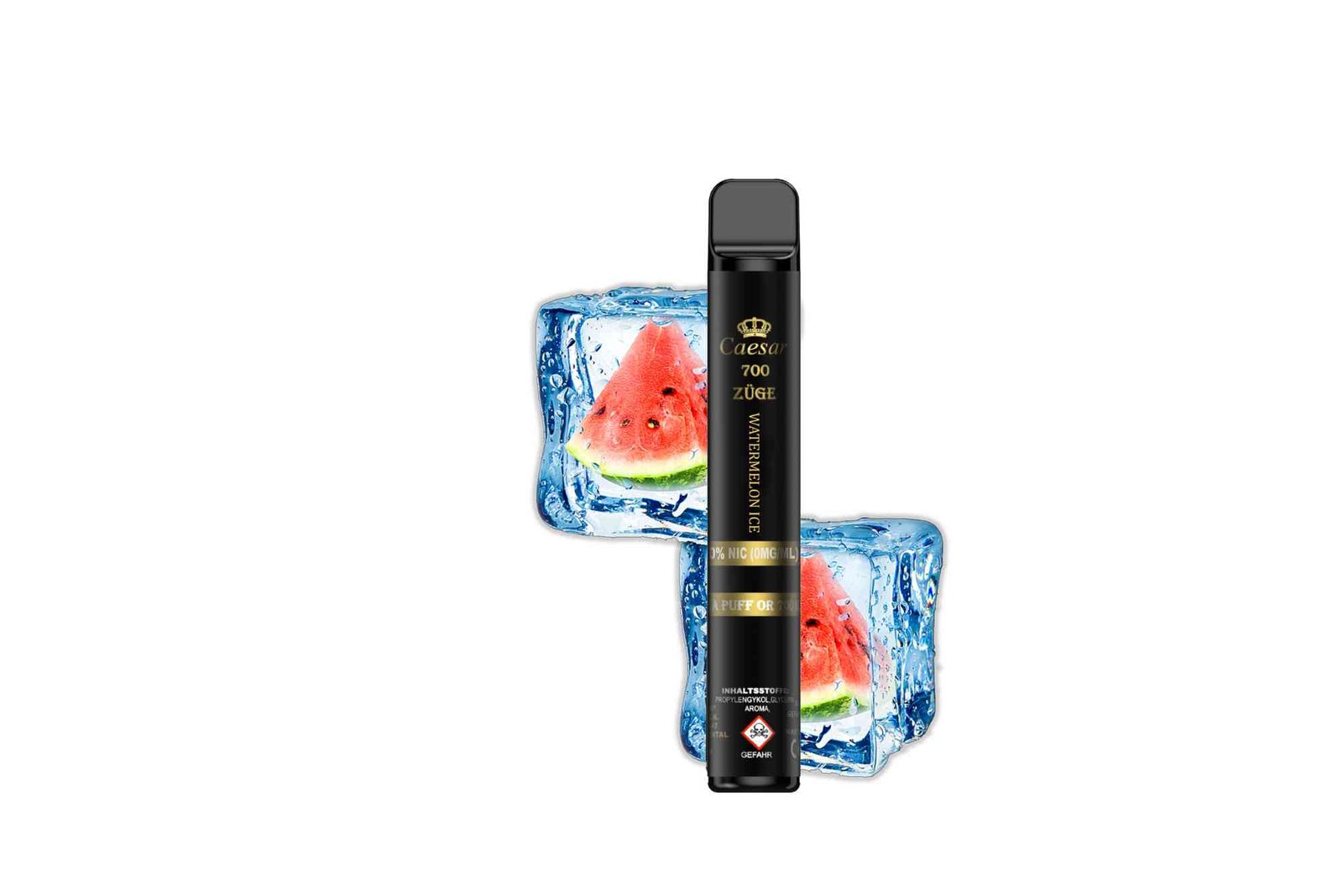
Flavored vaping products are especially attractive to younger users. As a result, many regions have restricted flavors like fruit or candy-inspired options.
These policies are designed to reduce youth appeal while maintaining harm reduction tools for adults.
Ethical Debate: Freedom vs Protection
Should Young People Have Access?
Some argue that vaping restrictions limit personal freedom. However, ethical public health policy prioritizes protecting individuals who are not yet fully capable of making informed long-term health decisions.
This is a central ethical argument behind Why Is vaping under 16 illegal Matters in the Harm Reduction Debate.
Balancing Adult Choice and Youth Safety
Adults may choose vaping as a smoking alternative. But teenagers require protection from addictive substances before they reach maturity.
This balance is what shapes most global nicotine regulations today.
Economic and Industry Influence
The Role of Vape Companies
The vaping industry has grown rapidly, often targeting adult smokers with harm reduction messaging. However, critics argue that some marketing strategies indirectly appeal to younger audiences.
This creates tension between commercial interests and public health goals.
Regulation and Responsibility
Governments are increasing regulations on packaging, advertising, and retail distribution. These measures aim to ensure that harm reduction does not become youth initiation.
Public Awareness and Education
Importance of Early Education
Education is one of the strongest tools in preventing underage vaping. Schools, parents, and communities play a key role in awareness campaigns.
When young people understand the risks, they are less likely to experiment with nicotine products.
If you’re looking for a reliable and user-friendly online store, be sure to visit our homepage at thevapeza.com. It offers a wide range of products and an easy shopping experience, making it a great place to explore everything you need in one spot. You can access it directly.
Community-Based Prevention
Local health programs and fitness-oriented communities, including wellness centers like Orange Theory Mountain View, often promote healthy lifestyle choices that discourage substance use.
FAQs: Why Is vaping under 16 illegal Matters in the Harm Reduction Debate
Why is vaping under 16 illegal in most countries?
Vaping is illegal under 16 because nicotine can harm brain development. It increases addiction risks and affects attention and learning abilities in teenagers.
Is vaping safer than smoking for teenagers?
While vaping may reduce harm for adult smokers, it is not considered safe for teenagers. Their developing brains are more vulnerable to nicotine addiction and chemical exposure.
What is harm reduction in vaping policy?
Harm reduction means reducing the health risks of smoking for adults. However, it does not apply to minors, which is why age restrictions are enforced.
Can vaping affect mental health in teens?
Yes, studies suggest nicotine use can increase anxiety, mood changes, and dependency in adolescents, making early prevention essential.
Why do governments focus on age restrictions?
Governments focus on age restrictions to prevent early addiction and ensure vaping is used only as an adult smoking cessation tool.
Why This Debate Still Matters
The question Why Is vaping under 16 illegal Matters in the Harm Reduction Debate continues to shape global health policy because it sits at the intersection of science, ethics, and public safety.
Why Vape laws north carolina 2019 Matters in the Harm Reduction Debate The 2019 vape laws in North Carolina shaped how vaping products are regulated, balancing youth protection with adult harm reduction. The debate centers on whether strict rules reduce nicotine addiction or push users back to cigarettes, influencing public health policy discussions today.
Related Reading: Why When Will Vaping Be illegal Matters in the Harm Reduction Debate
Related Reading: Why Thailand’s 2019 Vaping Law Matters in Harm Reduction Debate