Introduction
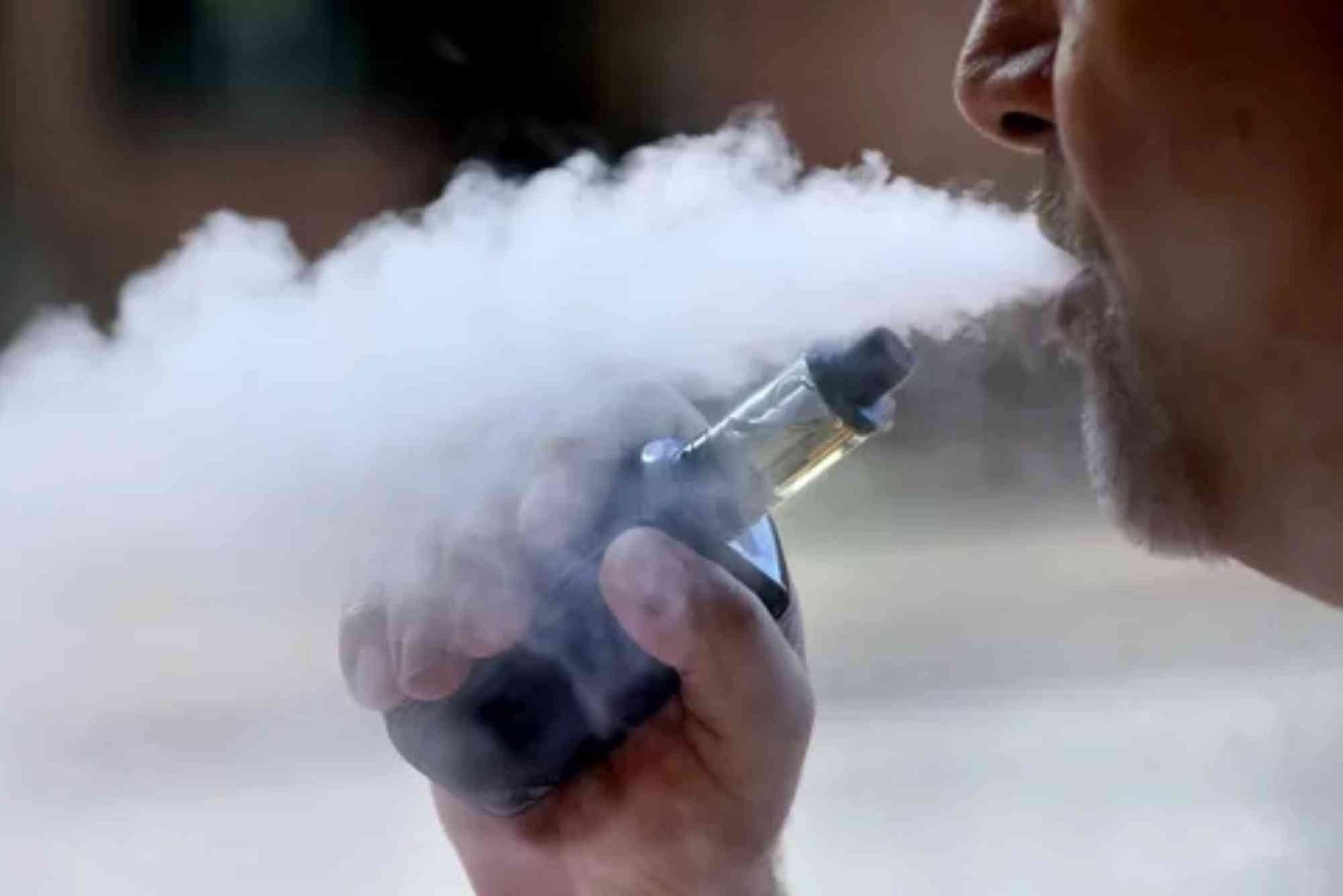
When we ask why vaping is illegal under 18 in Washington, the question goes beyond a simple age restriction. Washington state law prohibits persons under 18 from purchasing, obtaining, or possessing vapor products. At the same time, the minimum sales age for vapor and tobacco products has been raised to 21. The intersection of these rules plays an important role in the harm reduction debate, balancing youth protection with adult smoking alternatives. Understanding why under-18 restrictions matter helps explain how policy, public health, and enforcement interact in Washington.
Legal Framework in Washington
Age-of-Sale and Possession Rules
Washington law sets strict age limits for vaping. While the sale of vapor products is prohibited to anyone under 21, individuals under 18 are also prohibited from purchasing or possessing these products. A violation by someone under 18 is considered a civil infraction and may result in community service or referral to a cessation program. This two-tiered age system reinforces protection for minors while maintaining a framework for adult access and harm reduction.
Retailer and Supplier Responsibilities
Retailers must verify the age of customers and refuse sales to anyone under the legal sales age. They must also implement strict measures for online and mail-order sales. Noncompliance can result in fines, suspension, or revocation of business licenses. By targeting both sales and possession, Washington ensures that youth access is restricted from multiple angles.
Why Under-18 Matters When Sales Age Is 21
Even though the sales age is 21, the under-18 possession rule adds a distinct layer of protection. It prevents minors from obtaining vaping products through social supply or unregulated sources. This law communicates a clear public health message: vaping is not allowed for minors, and possession itself is legally prohibited.
Harm Reduction and Youth Vaping
What Is Harm Reduction in Vaping?
Harm reduction focuses on minimizing the risks of a behavior rather than eliminating it entirely. For vaping, some argue that e-cigarettes can provide a less harmful alternative for adult smokers who struggle to quit traditional cigarettes. However, public health authorities remain concerned about youth initiation, nicotine addiction, and long-term effects of inhaling vapor.
Why Youth Vaping Is a Concern
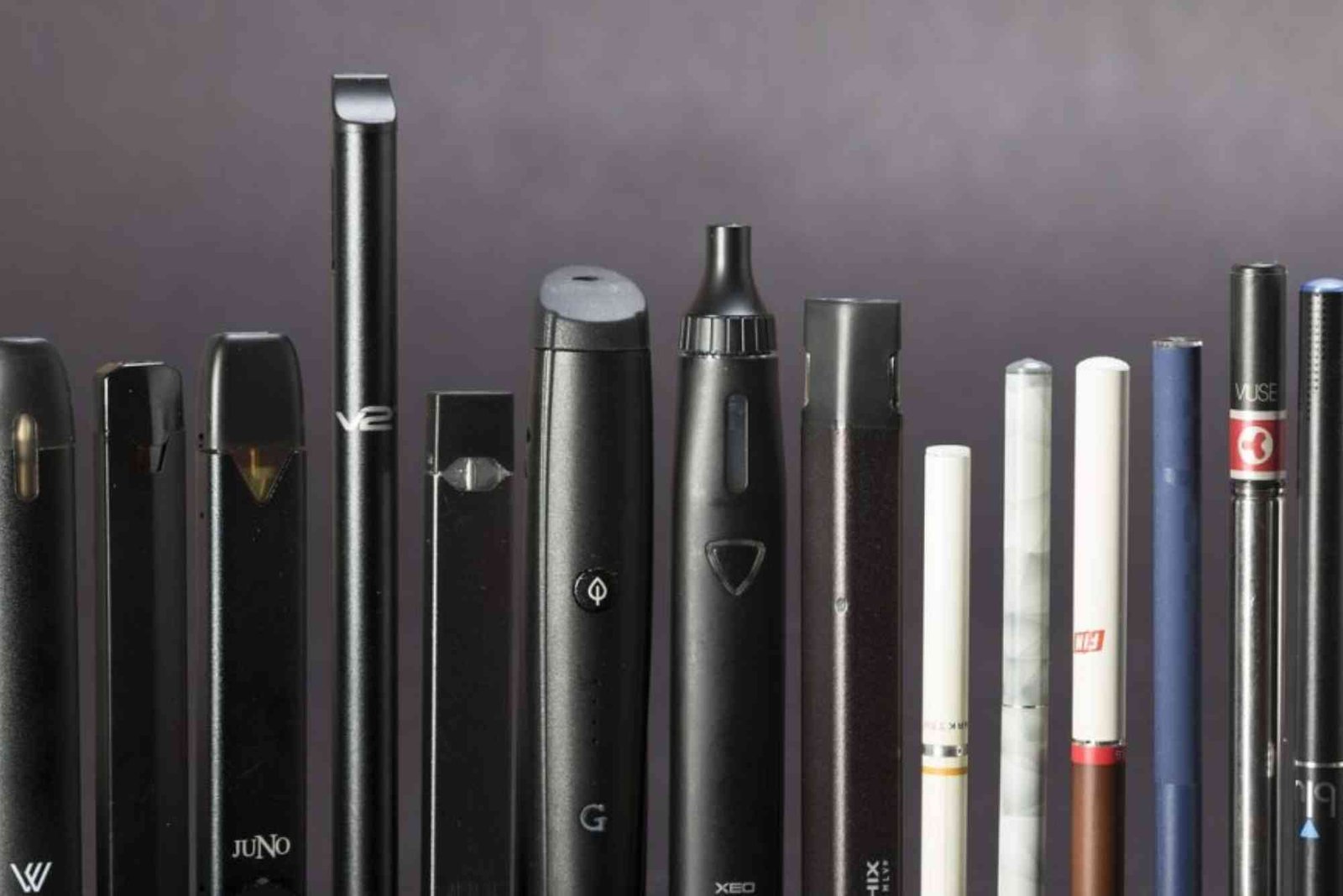
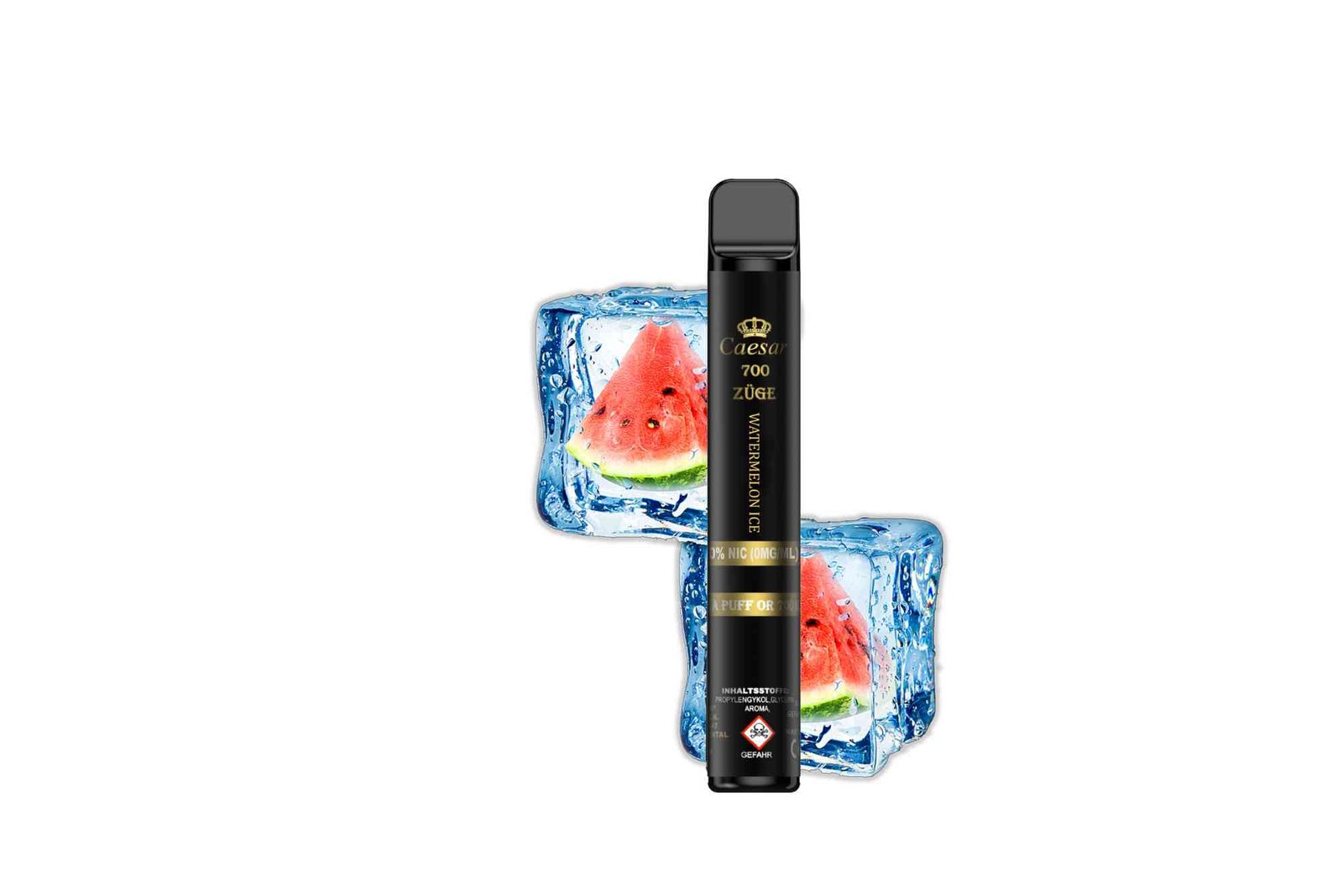
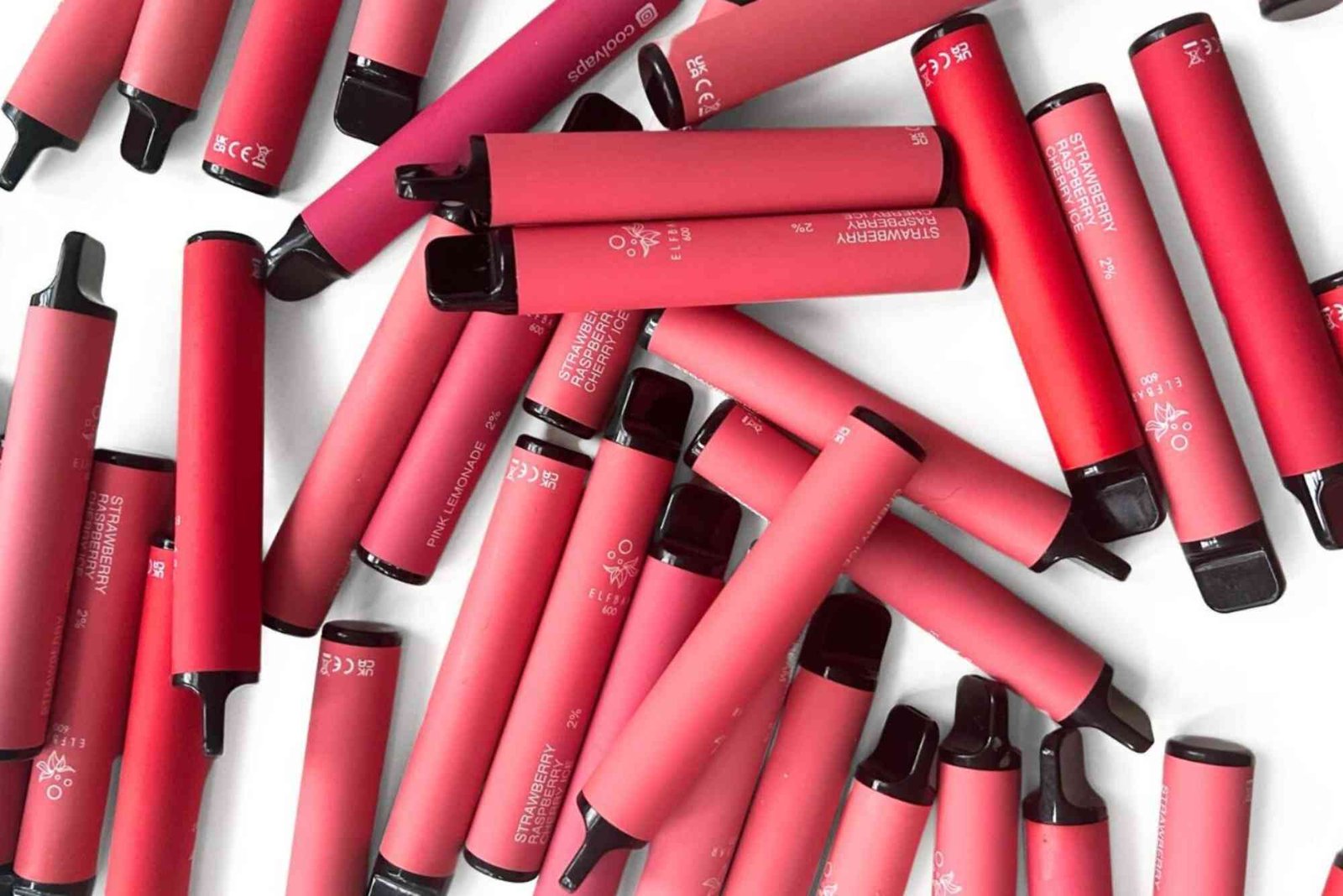
Individuals under 18 are at greater risk for addiction due to their developing brains. The popularity of flavored e-cigarettes and discreet designs makes vaping appealing to teenagers, increasing the likelihood of initiation. Preventing early use is critical because nicotine exposure in adolescence can affect cognitive development and increase the risk of substance dependency later in life.
The Debate – Prohibition vs. Adult Harm Reduction
The tension lies in balancing protection for youth and harm reduction for adults. Strict under-18 prohibitions aim to prevent initiation, while adult harm reduction advocates argue that adults should have access to less harmful alternatives to smoking. The under-18 rule clarifies that vaping is not intended for youth while still supporting adult harm reduction programs.
Why the Under-18 Rule Is Meaningful
By prohibiting possession for under-18s, Washington signals that minors should not engage in vaping under any circumstances. This rule deters peer distribution, supports educational efforts, and strengthens enforcement measures, helping preserve vaping as an adult-focused harm reduction tool.
Implications for Public Health and Enforcement
Youth Behavior and Access
The under-18 possession prohibition makes it legally risky for minors to use or carry vapor products. Even if retail compliance fails, enforcement can target possession to limit youth access. Schools and communities can reinforce this legal boundary through education and prevention programs.
Retailer Compliance and Deterrence
Retailers must adhere to age verification protocols to avoid fines or license penalties. The law discourages adults from supplying minors and ensures that businesses maintain responsible practices.
Data and Outcomes
Monitoring youth vaping initiation under 18, enforcement actions, and retailer violations helps public health authorities adjust policies and interventions. Data can also reveal trends in the transition from youth vaping to adult smoking or cessation programs.
Key Challenges
Enforcement remains difficult in social supply networks where peers provide vaping products to minors. Public messaging must clearly differentiate adult harm reduction from youth prevention. Resources for monitoring and enforcement are limited, making education and parental involvement essential.
Arguments For and Against the Under-18 Prohibition
Arguments in Favor
Protecting adolescent health is a primary concern, as early exposure to nicotine can have long-term consequences. Preventing initiation through possession restrictions strengthens youth prevention efforts. The rule also reinforces harm reduction integrity by reserving vaping as a tool for adult smokers rather than a youth pastime.
Arguments Against or Cautions
Some argue that civil infractions for possession could over-criminalize minors, though Washington focuses on community service and cessation programs rather than harsh punishment. Mixed messaging may also occur if adults can vape for harm reduction while minors are prohibited. Social supply networks further complicate enforcement.
Finding the Balance
Effective policy must maintain under-18 prohibitions while ensuring adult harm reduction pathways remain accessible. Public health messaging, school-based education, and adult cessation support are essential for balancing youth protection with adult health goals.
What This Means for Stakeholders
Youth and Families
Minors found with vapor products face civil infractions, community service, and cessation program referrals. Families can use the legal framework to discuss addiction risks, peer influence, and health consequences.
Schools and Community Health
Educational efforts can reinforce legal boundaries, making it clear that possession is prohibited for minors. Public health programs should communicate both the legal and health rationale behind these restrictions.
Adult Smokers and Harm Reduction Advocates
Adults can access vaping products for harm reduction, but the under-18 rule clarifies that these benefits do not extend to minors. Programs should focus on safe, informed adult use without undermining youth protection.
Retailers and Regulators
Retailers must verify age and follow strict sales protocols. Regulators monitor compliance and enforce penalties, ensuring that minors are not supplied directly or indirectly. The under-18 possession rule adds an additional layer of enforcement responsibility.
In Washington, prohibiting vaping for Vaping illegal in wa Under those under 18 is a strategic measure in the broader harm reduction and youth prevention framework. By banning possession and purchase under 18 while maintaining a minimum sales age of 21, the law creates clear boundaries between youth protection and adult harm reduction.
Law alone is not enough. Enforcement, public health education, cessation programs, and clear communication are essential to ensure the law achieves its Washington State Legislature — age-of-sale & penalties intended goals. Parents, educators, and community health professionals can review Washington’s age-of-sale rules and ensure their communities align with legal and public health objectives. Adults seeking harm reduction should follow evidence-based guidance to safely transition from smoking to vaping. Protecting youth while supporting adult health remains a critical balance.
FAQs
Q: At what age can someone legally purchase vapor products in Washington?
A: The minimum legal sales age for vapor and tobacco products is 21.
Q: Why is possession illegal under age 18 if the sales age is 21?
A: Possession under 18 is a civil infraction to provide stronger protection for minors and prevent social supply access.
Q: What happens if a retailer sells to someone under 21?
A: Retailers face fines, license suspension, or revocation for violations.
Q: Does the under-18 prohibition apply to vapor products without nicotine?
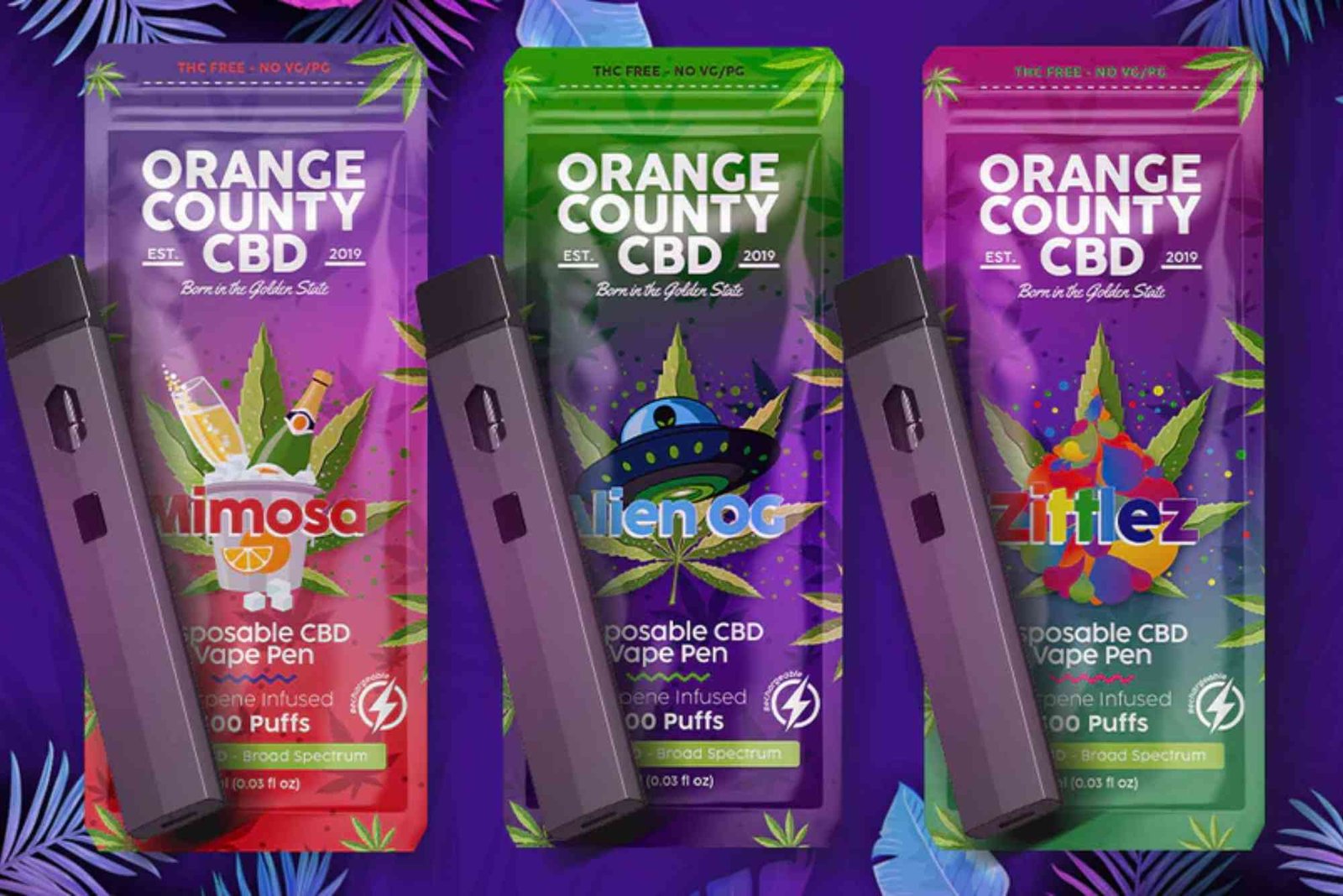
A: Yes, the possession rule applies broadly to all vapor products, regardless of nicotine content.
Q: How does this connect to harm reduction strategies?
A: The under-18 prohibition protects youth from nicotine initiation while preserving vaping as an adult-focused harm reduction tool.