
Introduction
The conversation around nicotine use is changing rapidly, and at the center of this global shift lies the question of how Why Asian vaping laws Matters in the Harm Reduction Debate. Across Asia, governments are taking widely different approaches to regulating vaping products, ranging from outright bans to tightly controlled legal frameworks. These decisions are not just legal or economic choices; they are deeply connected to public health outcomes, tobacco control strategies, and harm reduction philosophies.
Understanding Why Asian vaping laws Matters in the Harm Reduction Debate requires looking beyond headlines and into how policy decisions influence smoking rates, youth access, and long-term health risks. Asia is home to some of the world’s largest smoking populations, making its regulatory stance especially influential in shaping global harm reduction outcomes.
Understanding Harm Reduction and Vaping in Asia
What harm reduction means in public health
Harm reduction is a public health strategy that aims to reduce the negative consequences of risky behaviors rather than eliminating the behaviors entirely. In the context of nicotine, it often involves providing less harmful alternatives to traditional cigarettes.
In this framework, Why Asian vaping laws Matters in the Harm Reduction Debate becomes clear: vaping is often positioned as a potential alternative to combustible tobacco. However, Asian countries differ widely in how they interpret this strategy, leading to contrasting regulatory decisions.
The evolution of vaping products
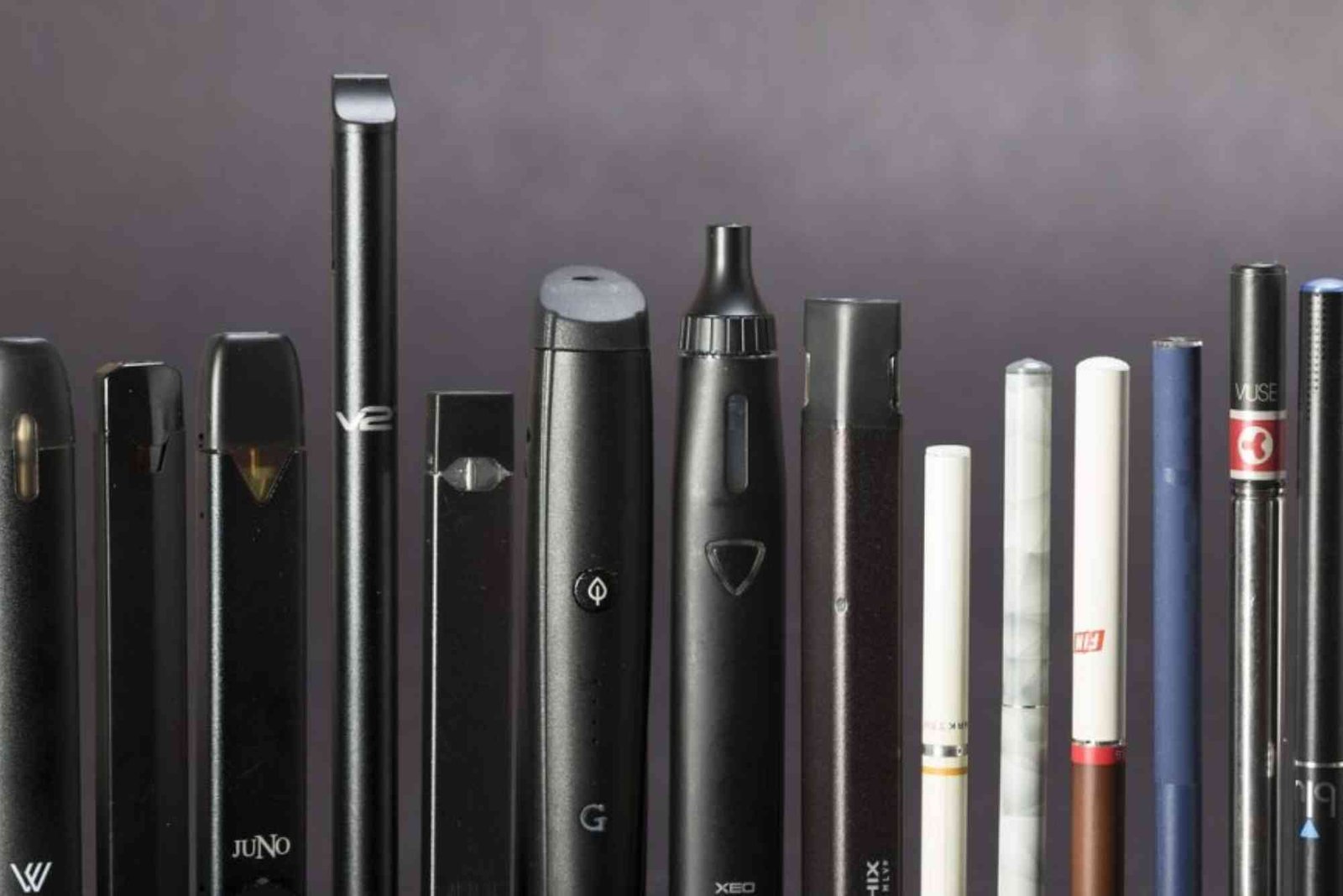
Vaping devices have evolved significantly over the past decade, from early cigalike models to advanced pod systems. These changes have made vaping more accessible but also more controversial.
In many Asian countries, regulators remain cautious. This caution directly influences Why Asian vaping laws Matters in the Harm Reduction Debate, as governments weigh innovation against uncertainty in long-term health data.

Overview of Asian Vaping Laws Landscape
Strict regulation models across East and Southeast Asia
Countries like Singapore and Thailand have implemented strict bans on vaping products. These policies are often rooted in precautionary principles, prioritizing youth protection and long-term public health safety.
Such strict approaches highlight Why Asian vaping laws Matters in the Harm Reduction Debate, especially when compared to regions where vaping is considered a smoking cessation tool.
Moderate and evolving regulatory frameworks
Other countries, such as Japan and South Korea, adopt more nuanced approaches. Japan, for instance, allows heated tobacco products but regulates nicotine liquids more tightly.
These mixed frameworks reinforce Why Asian vaping laws Matters in the Harm Reduction Debate, as regional diversity creates a natural policy laboratory for global health experts.
Why Asian Vaping Laws Matters in the Harm Reduction Debate
Asia’s large smoking population and public health stakes
Asia accounts for a significant portion of global tobacco consumption. Countries like China and Indonesia have millions of smokers, making policy changes highly impactful.
This is a central reason Why Asian vaping laws Matters in the Harm Reduction Debate—even small regulatory shifts can influence millions of lives.
Policy decisions shaping global health narratives
When Asian governments adopt restrictive or permissive vaping laws, they send signals that influence global health organizations, researchers, and neighboring countries.
As a result, Why Asian vaping laws Matters in the Harm Reduction Debate extends beyond borders and becomes part of a larger international policy conversation.
Public Health Evidence and Ongoing Debates
Scientific uncertainty and long-term studies
While vaping is generally considered less harmful than smoking, long-term studies are still developing. This uncertainty leads many Asian regulators to adopt precautionary policies.
This scientific gap is central to Why Asian vaping laws Matters in the Harm Reduction Debate, as evidence continues to evolve.
Youth usage and prevention concerns
One of the strongest arguments for strict regulation is the rise in youth vaping. Governments worry that flavored products may attract non-smokers.
This concern significantly shapes Why Asian vaping laws Matters in the Harm Reduction Debate, especially in countries prioritizing youth protection over harm reduction experimentation.
Economic and Social Impacts of Vaping Regulations
Tobacco industry transformation
The shift toward vaping has disrupted traditional tobacco markets. In some Asian economies, tobacco remains a major revenue source, complicating regulatory decisions.
This economic tension is another layer of Why Asian vaping laws Matters in the Harm Reduction Debate, as governments balance health goals with financial realities.
Informal markets and enforcement challenges
In countries with strict bans, illegal vaping markets often emerge. These unregulated products may pose greater health risks due to lack of quality control.
This enforcement challenge reinforces Why Asian vaping laws Matters in the Harm Reduction Debate, highlighting the unintended consequences of prohibition-style policies.
International Comparisons and Policy Influence
Western harm reduction models
In regions like the UK, vaping is actively promoted as a smoking cessation tool under regulated conditions. This contrasts sharply with many Asian approaches.
These differences help explain Why Asian vaping laws Matters in the Harm Reduction Debate, as global policy comparisons shape future directions.
Global organizations and policy guidance
International bodies such as the World Health Organization continue to study vaping regulation impacts. Their guidance influences Asian policymaking.
You can explore more about regional health governance through the Asia Pacific Public Health agencies — regional law summaries platform, which provides updated policy frameworks and public health insights.
Policy Challenges Facing Asian Governments
Balancing innovation and precaution
Governments face the challenge of regulating rapidly evolving nicotine technologies while ensuring public safety.
This balancing act is central to Why Asian vaping laws Matters in the Harm Reduction Debate, especially as new devices enter the market.
Cross-border trade and enforcement complexity
Vaping products often cross borders easily, creating enforcement challenges for national regulators. Regional cooperation is increasingly necessary.
This adds another dimension to Why Asian vaping laws Matters in the Harm Reduction Debate, emphasizing the need for coordinated policy approaches.
Future Outlook for Vaping Regulation in Asia
Potential policy harmonization
Some experts believe Asia may move toward more harmonized vaping regulations in the future. This could reduce confusion and improve enforcement.
This possible shift reinforces Why Asian vaping laws Matters in the Harm Reduction Debate, as consistency may improve both public health and market stability.
Increasing role of scientific evidence
As more long-term data becomes available, Asian policymakers may adjust their stance on vaping.
This evolving evidence base continues to shape Why Asian vaping laws Matters in the Harm Reduction Debate, ensuring it remains a dynamic policy issue.
Why Long-term effects of switching to vaping Matters in the Harm Reduction Debate Understanding long-term effects of switching from cigarettes to vaping is essential because evidence on health outcomes is still evolving. While vaping may reduce exposure to some harmful chemicals uncertainties about chronic respiratory and cardiovascular impacts shape policy regulation and public health decisions
FAQs
Why are vaping laws so strict in Asia?
Many Asian countries prioritize youth protection and long-term uncertainty about vaping’s health effects, leading to stricter regulations.
Is vaping considered harm reduction in Asia?
In some countries it is partially accepted, but many governments remain cautious due to limited long-term evidence.
Which Asian countries allow vaping?
Countries like Japan and South Korea allow regulated forms of vaping, while others like Singapore and Thailand impose strict bans.
How do Asian vaping laws affect global policy?
They influence international discussions by providing contrasting regulatory models that shape global harm reduction debates.
The discussion around Why Asian vaping laws Matters in the Harm Reduction Debate is far from settled. Asia’s diverse regulatory landscape plays a crucial role in shaping global tobacco control strategies, public health outcomes, and harm reduction policies.
As evidence continues to evolve, so too will the policies that govern vaping across the region. Whether through strict regulation or controlled acceptance, Asian governments are actively shaping the future of nicotine consumption worldwide.
If you’re looking for reliable information and quality products in this niche, be sure to check out the official website at thevapeza.com. It’s a great place to explore their latest offerings, updates, and everything they have available in one convenient spot.
Related Reading: Why Vaping Laws in Egypt Matters in the Harm Reduction Debate
Related Reading: Why How Does New Vaping Laws Affect Dripping Matters in the Harm Reduction Debate
Related Reading: Why Barbados Vaping Laws Matters in The Harm Reduction Debate
Related Reading: Why Vaping Laws in Nevada Matters in the Harm Reduction Debate
Related Reading: Why Thailand’s 2019 Vaping Law Matters in Harm Reduction Debate