Introduction
International vape trade depends heavily on accurate product identification, regulatory compliance, and proper customs documentation. One of the most important steps for businesses involved in global vape distribution is understanding vape product classification and HS codes. These codes determine how vape-related products are categorized by customs authorities, which affects import duties, taxes, documentation requirements, and approval procedures.
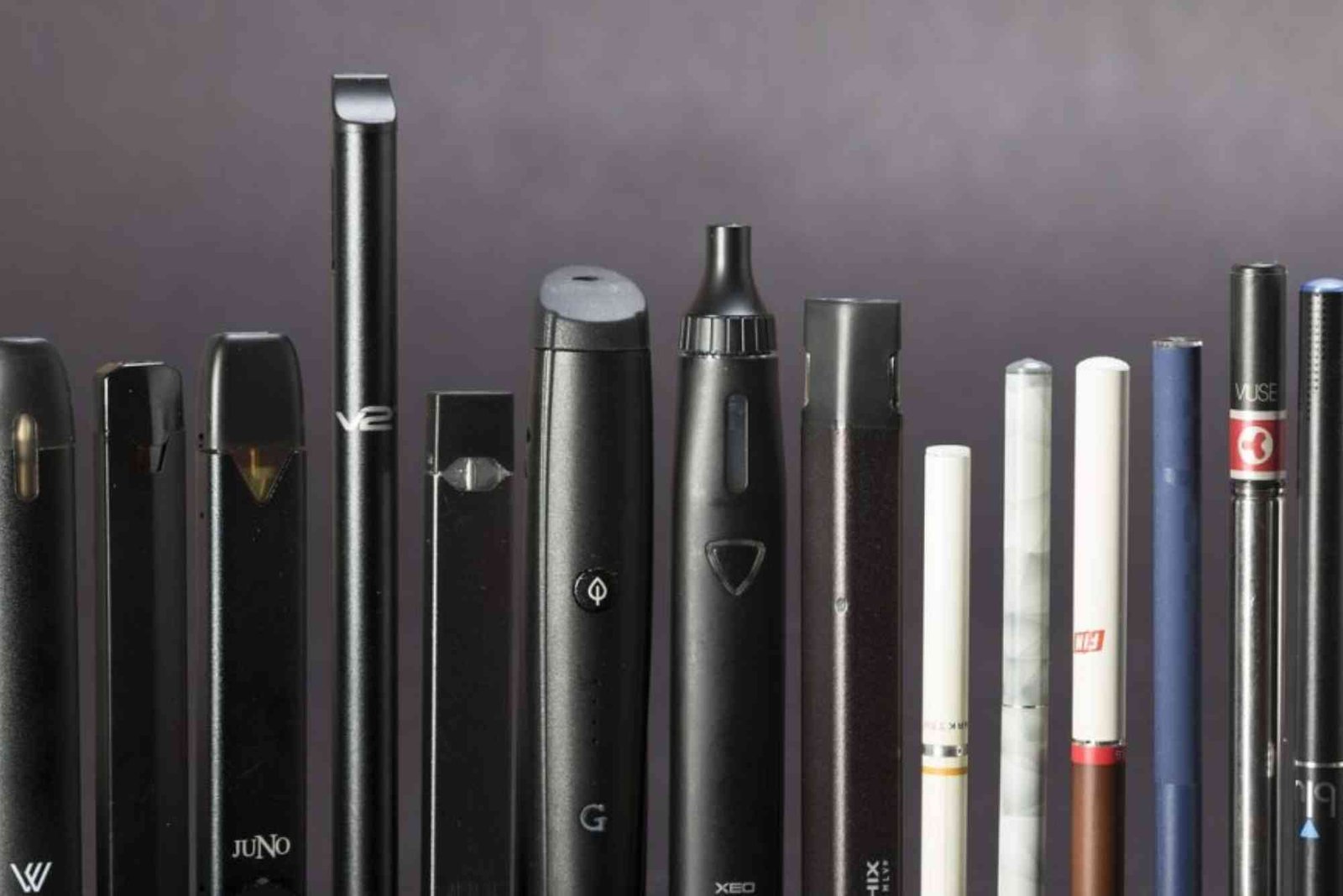
For manufacturers, wholesalers, and importers, incorrect classification can lead to shipment delays, unexpected costs, or regulatory complications. Since vape products include different components such as disposable devices, refillable systems, e-liquids, cartridges, batteries, and accessories, each item may require a different customs classification.
Understanding vape product classification and HS codes helps businesses prepare accurate declarations and maintain compliance when moving products across international borders. This guide explains how HS codes work, why classification matters, and how companies can improve their customs processes.
Understanding Vape Product Classification and HS Codes
Vape product classification and HS codes are part of the international customs system used to identify and categorize traded goods. The Harmonized System (HS) is a globally recognized classification method developed to create consistency between countries during international trade.
Every imported or exported product is assigned an HS code based on its characteristics, function, materials, and intended use. Customs authorities use these codes to determine applicable duties, restrictions, and regulatory requirements.
For vape businesses, classification is not always straightforward because vaping products combine electronic technology, consumer goods, and sometimes nicotine-containing substances. A vape device may be classified differently from vape liquid or replacement parts because each product has unique characteristics.

Accurate vape product classification and HS codes allow customs officials to quickly understand what is being shipped and apply the correct rules.
Why Vape Product Classification and HS Codes Matter
Determining Import Duties and Taxes
One of the main reasons businesses need correct HS codes is to calculate import costs. Customs authorities use product classifications to apply tariffs, VAT, and other government charges.
A wrong HS code may result in paying incorrect duties. In some cases, businesses may pay more than necessary, while incorrect underpayment can create compliance issues during customs reviews.
Supporting Customs Clearance
Customs clearance depends on accurate information. When product descriptions and HS codes match, shipments generally move through inspection processes more efficiently.
For vape companies operating internationally, proper classification reduces unnecessary questions from customs authorities and helps prevent shipment holds.
Businesses should also maintain reliable customs import documentation guidance to ensure their declarations meet local requirements and avoid processing delays.
How Vape Products Are Classified Under HS Codes
Electronic Vape Devices
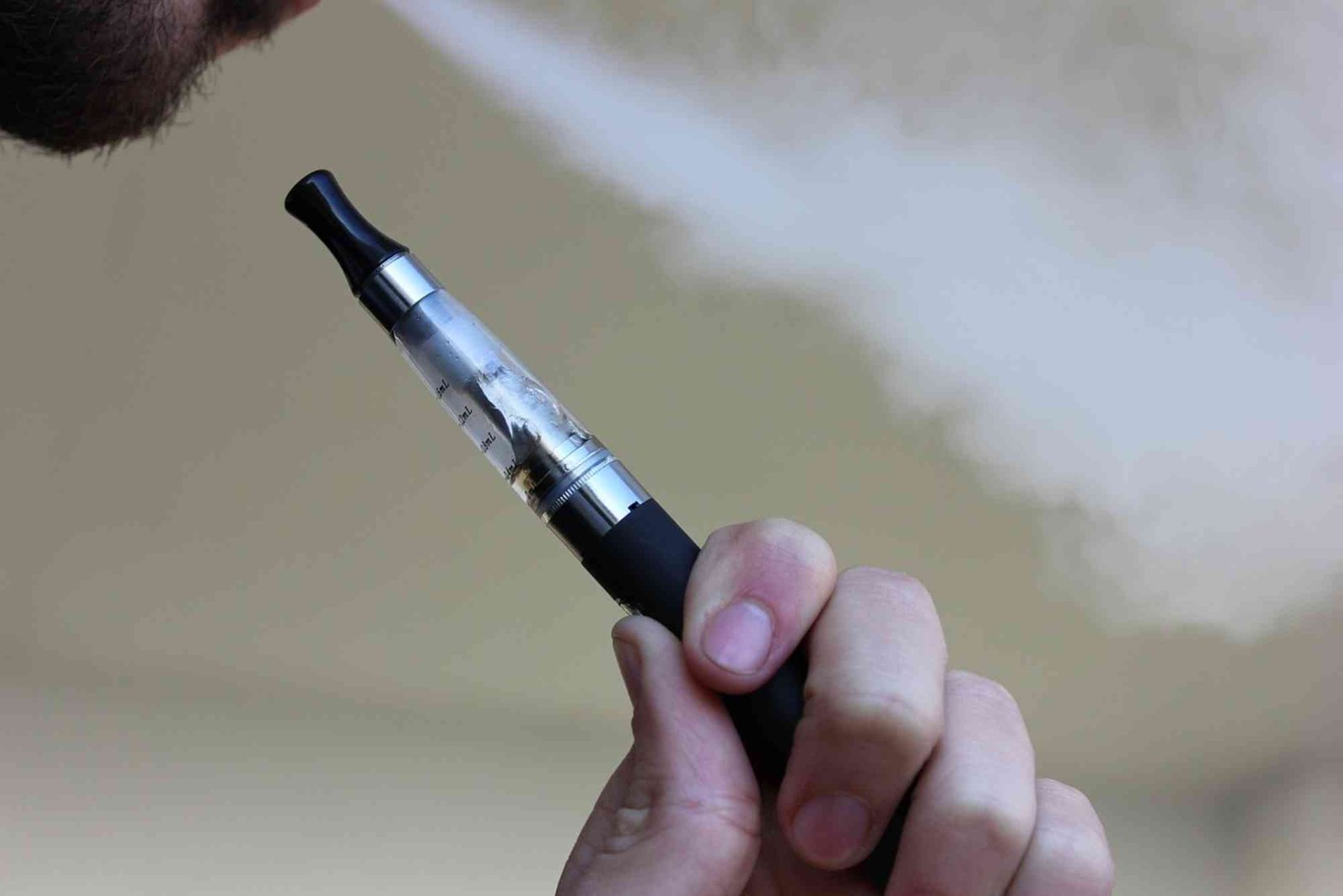
Electronic vaping devices usually include components such as a battery system, heating element, and electronic controls. These products are often classified according to their technical function as electronic devices.
Classification may depend on whether the product is considered a complete device, an electrical appliance, or a specific electronic product category under local customs rules.
Different countries may interpret product categories differently, so importers should verify classifications with the customs authority in the destination market.
Disposable Vape Products
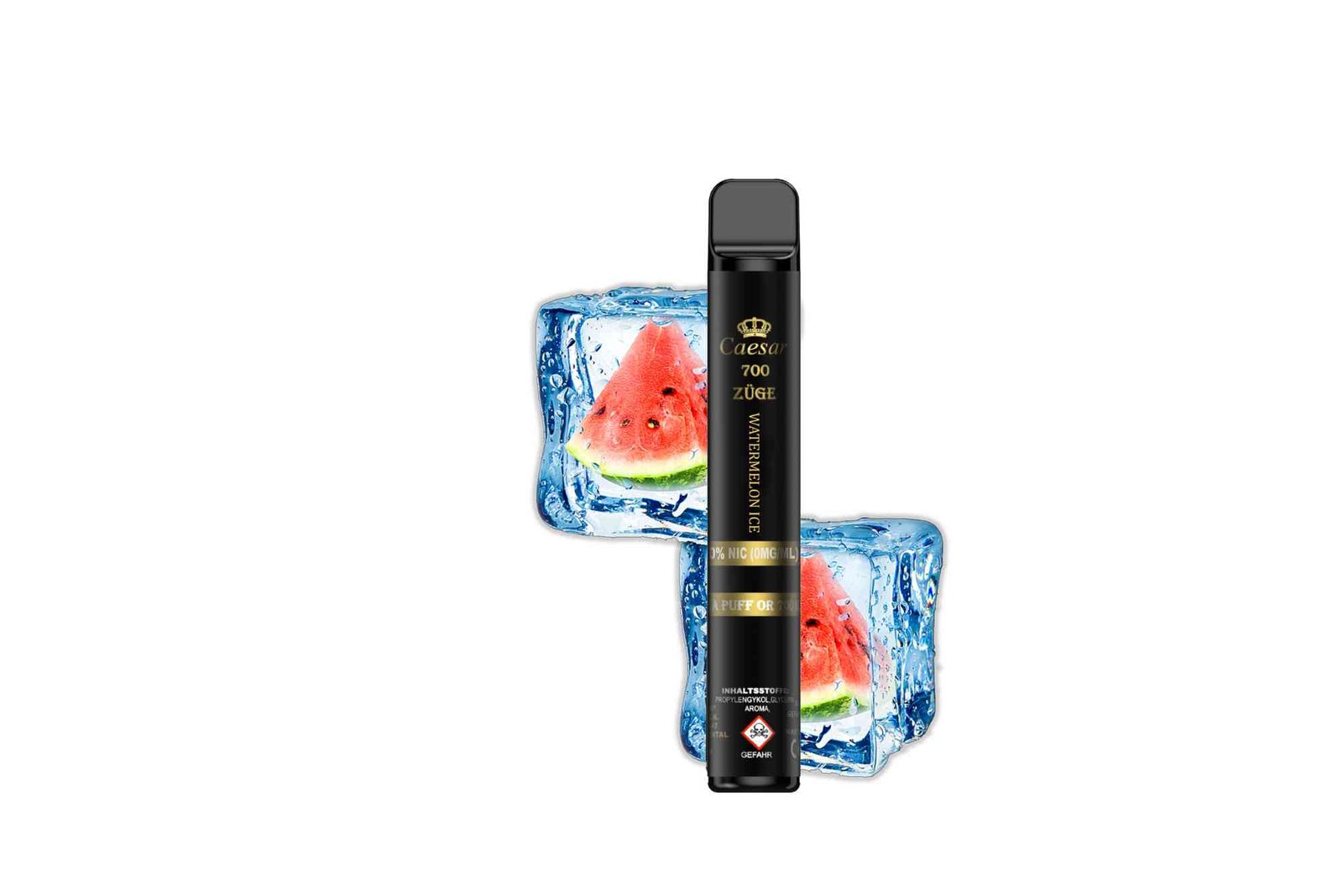
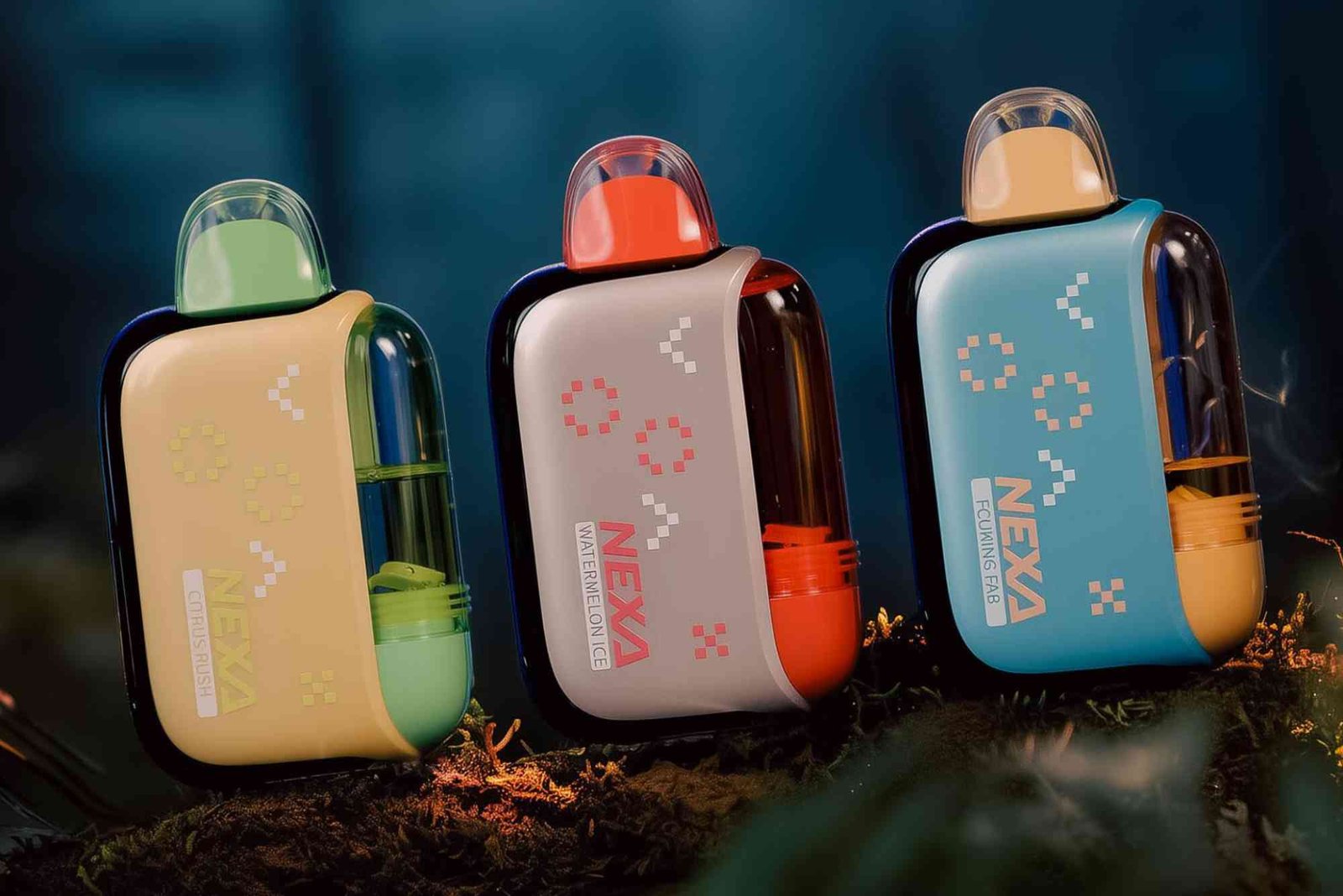
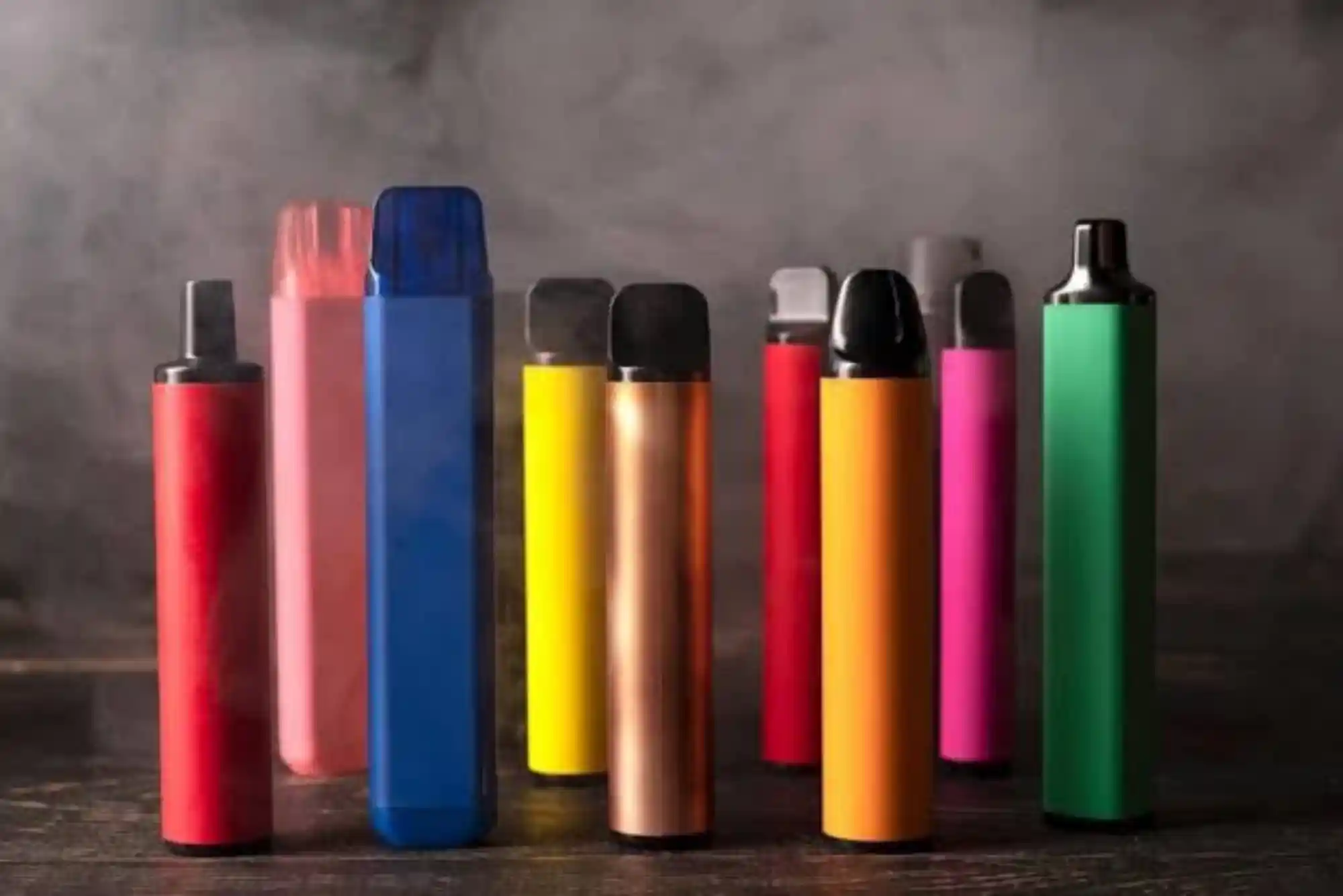
Disposable vapes combine an integrated battery, heating system, and pre-filled liquid container. Because they contain multiple components, their classification can sometimes be more complex.
Customs authorities may consider factors such as whether the product is rechargeable, whether it contains nicotine, and whether it is marketed as a complete electronic device.
Importers should provide detailed product descriptions, technical specifications, and ingredient information to support proper classification.
Vape E-Liquids and Nicotine Solutions
Vape liquids require careful classification because their ingredients can influence how customs authorities categorize them. Products containing nicotine may be subject to additional regulations compared with nicotine-free liquids.
Information such as nicotine concentration, ingredients, packaging size, and intended use may be required during customs evaluation.
Since regulations vary widely between countries, businesses should review the destination country’s import requirements before shipping vape liquids internationally.
Vape Accessories and Replacement Components
Vape accessories such as coils, tanks, chargers, mouthpieces, and replacement pods may have separate HS classifications.
Although these products are related to vaping, customs authorities often classify accessories based on their individual function rather than grouping them with complete vape devices.
Providing clear product descriptions helps ensure each component receives the correct classification.
Common Challenges in Vape Product Classification
Changing International Regulations
The vaping industry continues to experience regulatory changes worldwide. Governments frequently update requirements related to nicotine products, electronic devices, packaging, and consumer safety.
Because of these changes, an HS code that was previously accepted may require review when regulations are updated.
Businesses should regularly check official customs resources and maintain updated compliance procedures.
Different Interpretations Between Countries
Although HS codes are internationally standardized, countries often add additional digits to create their own classification systems.
This means the same vape product may have slightly different tariff classifications depending on the importing country.
Importers should never assume that a classification used in one market automatically applies everywhere.
Incomplete Product Information
Customs authorities rely on product details when reviewing shipments. Missing information can create uncertainty and increase the chance of inspection delays.
Companies should prepare accurate descriptions including:
Product type, materials, technical specifications, packaging details, and whether nicotine is present.
Clear documentation makes the classification process smoother and supports better customs decisions.
Steps to Identify the Correct HS Code for Vape Products
Analyze the Product Structure
The first step is understanding exactly what is being shipped. Businesses should identify whether the product is a complete vape device, liquid, cartridge, battery component, or accessory.
The physical design and primary function usually influence the correct classification.
Review Official Customs Guidance
Importers should consult official customs databases and trade classification resources before finalizing shipment documents.
For businesses shipping to Saudi Arabia, reviewing official customs instructions and requirements can help improve compliance. Importers can refer to the relevant customs import documentation guidance for additional information.
Confirm With Trade Professionals
Complex vape shipments may require assistance from customs brokers or trade compliance specialists. These professionals understand local regulations and can help businesses reduce classification errors.
A professional review is especially valuable when products contain nicotine, electronic components, or multiple integrated parts.
The Role of Accurate Documentation in Vape Imports
Proper documentation supports every stage of international vape logistics. Along with the correct HS code, businesses may need commercial invoices, packing lists, certificates, product specifications, and regulatory approvals.
A mismatch between documentation and physical products can create problems during customs inspection.
Professional importers understand that successful international shipping depends on more than transportation. Compliance preparation, accurate classification, and complete paperwork are equally important.
How Businesses Can Improve Vape Customs Compliance
Maintain Product Classification Records
Companies should create internal records showing how each product has been classified and why that classification was selected.
Keeping historical records helps businesses respond quickly if customs authorities request clarification.
Train Employees on Compliance Procedures
Employees responsible for logistics, purchasing, and international sales should understand the importance of accurate product classification.
Regular training reduces mistakes and improves communication between suppliers, freight companies, and customs representatives.
Monitor Regulatory Updates
Because vape regulations change frequently, businesses should continuously monitor updates in target markets.
Staying informed helps companies adjust their documentation and shipping strategies before problems occur.
The Future of Vape Product Classification and HS Codes
As the global vape industry continues to develop, customs classification will become increasingly important. New technologies, smart devices, and evolving product designs may create additional classification challenges.
Governments are also paying closer attention to vape imports due to public health regulations and market control measures. Businesses that invest in proper compliance systems will have a stronger advantage in international markets.
Future success in vape distribution will depend on combining efficient logistics with accurate regulatory management.
Improve Your Vape Import Compliance Today
Understanding vape product classification and HS codes is essential for businesses involved in international vape trade. Correct classification supports smoother customs clearance, accurate duty calculations, and better compliance with global regulations.
Whether importing disposable devices, e-liquids, accessories, or advanced vaping systems, businesses should prioritize accurate documentation and updated classification practices.
Take the next step toward more efficient vape logistics by reviewing your product classifications, improving your customs documentation process, and working with experienced trade professionals to ensure every shipment meets international requirements.
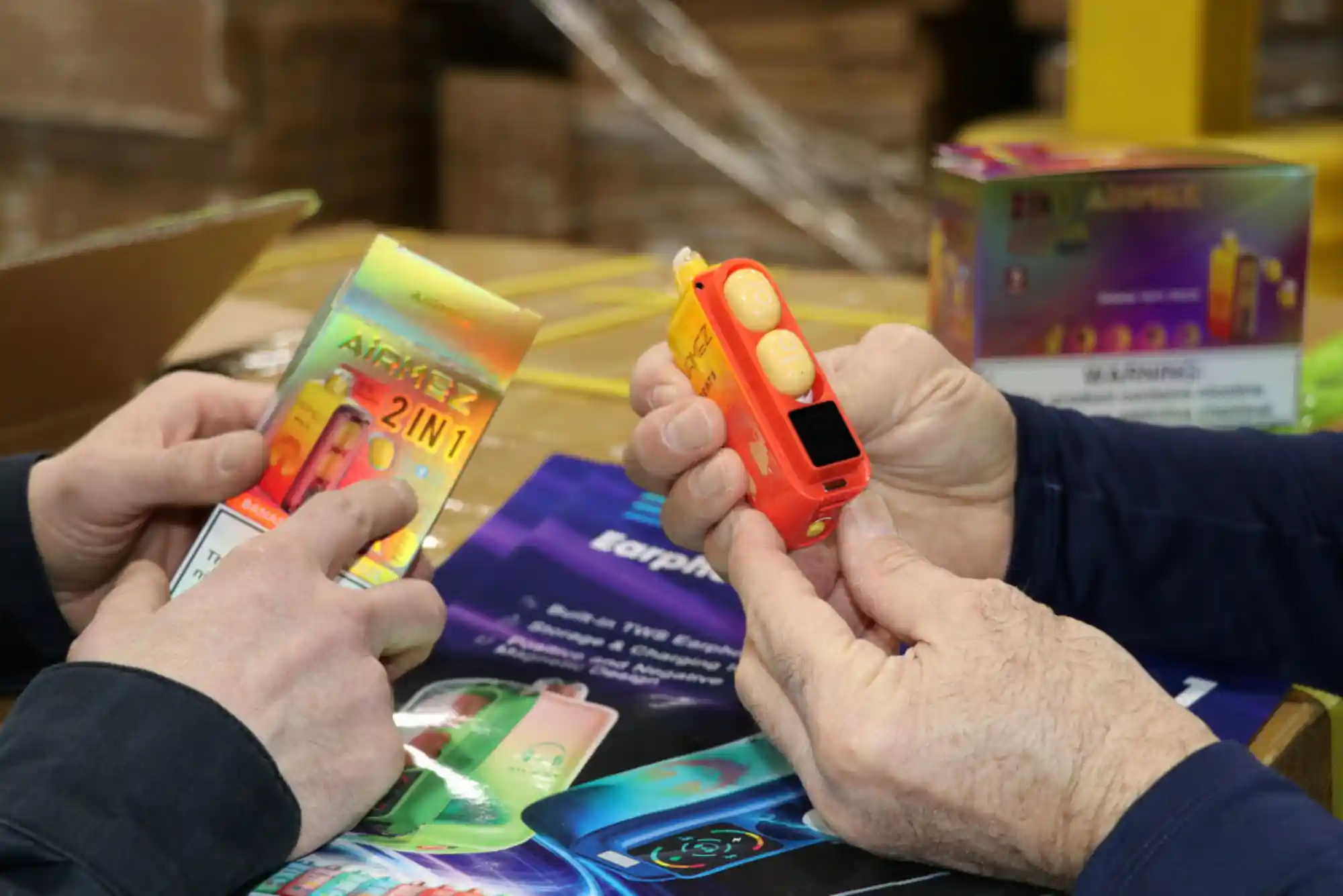
Common Vape Product Rejections at Customs happen when shipments fail to meet import regulations, documentation requirements, or product standards. Issues such as missing certificates, incorrect labeling, restricted ingredients, and packaging violations can lead to delays or confiscation.
FAQs
What HS code is used for vape products?
The HS code for vape products depends on the specific item being imported. Electronic vape devices, e-liquids, cartridges, and accessories may fall under different classifications based on their design, ingredients, and function.
How do I find the correct HS code for my product?
To find the correct HS code, review official customs classification databases, analyze your product specifications, and consult a customs professional if the classification is complex.
Are vape products considered electronic goods or tobacco products?
The classification depends on the country and the product type. Some authorities classify vape devices as electronic equipment, while nicotine-containing products may receive additional regulatory treatment.
Why is HS code accuracy important for customs clearance?
Accurate HS codes help customs authorities calculate duties, apply regulations, and process shipments efficiently. Incorrect codes can cause delays, penalties, or additional inspections.
Can the same vape product have different HS codes in different countries?
Yes. While the international HS system provides a common framework, individual countries add additional classification digits and may apply different interpretations.
Related Reading: Vape Product Barcoding Rules in the GCC — full guide