Introduction
International vape trade has grown rapidly over the last few years, but so have customs regulations. Whether you are an importer, distributor, wholesaler, or retailer, understanding Common Vape Product Rejections at Customs is essential for protecting your business from costly delays, shipment seizures, and financial losses. Customs authorities across different countries carefully inspect vape products to ensure they meet legal, safety, labeling, and tax requirements before allowing them into the market.
Many businesses mistakenly assume that having a quality product is enough to pass customs inspections. In reality, customs officers focus heavily on documentation, product compliance, packaging, labeling, nicotine regulations, and local import laws. Even a minor paperwork error can lead to shipment rejection.
Understanding the most common reasons behind customs rejections helps businesses prepare shipments correctly, reduce compliance risks, and improve supply chain efficiency. Importers who stay informed are far more likely to experience smooth customs clearance while protecting their reputation and customer satisfaction.
Understanding Common Vape Product Rejections at Customs
Common Vape Product Rejections at Customs usually occur because a shipment fails to satisfy one or more regulatory requirements established by the importing country. Customs officials are responsible for protecting consumers, collecting taxes, preventing illegal imports, and ensuring products comply with national legislation.
Unlike ordinary consumer goods, vape products often face stricter inspections due to nicotine regulations, battery safety concerns, chemical ingredients, and changing public health policies. This makes compliance far more important than simply shipping products internationally.
Businesses involved in cross-border vape trade should regularly monitor regulatory updates because customs requirements continue evolving in many markets.

Why Customs Authorities Reject Vape Products
Incomplete Import Documentation
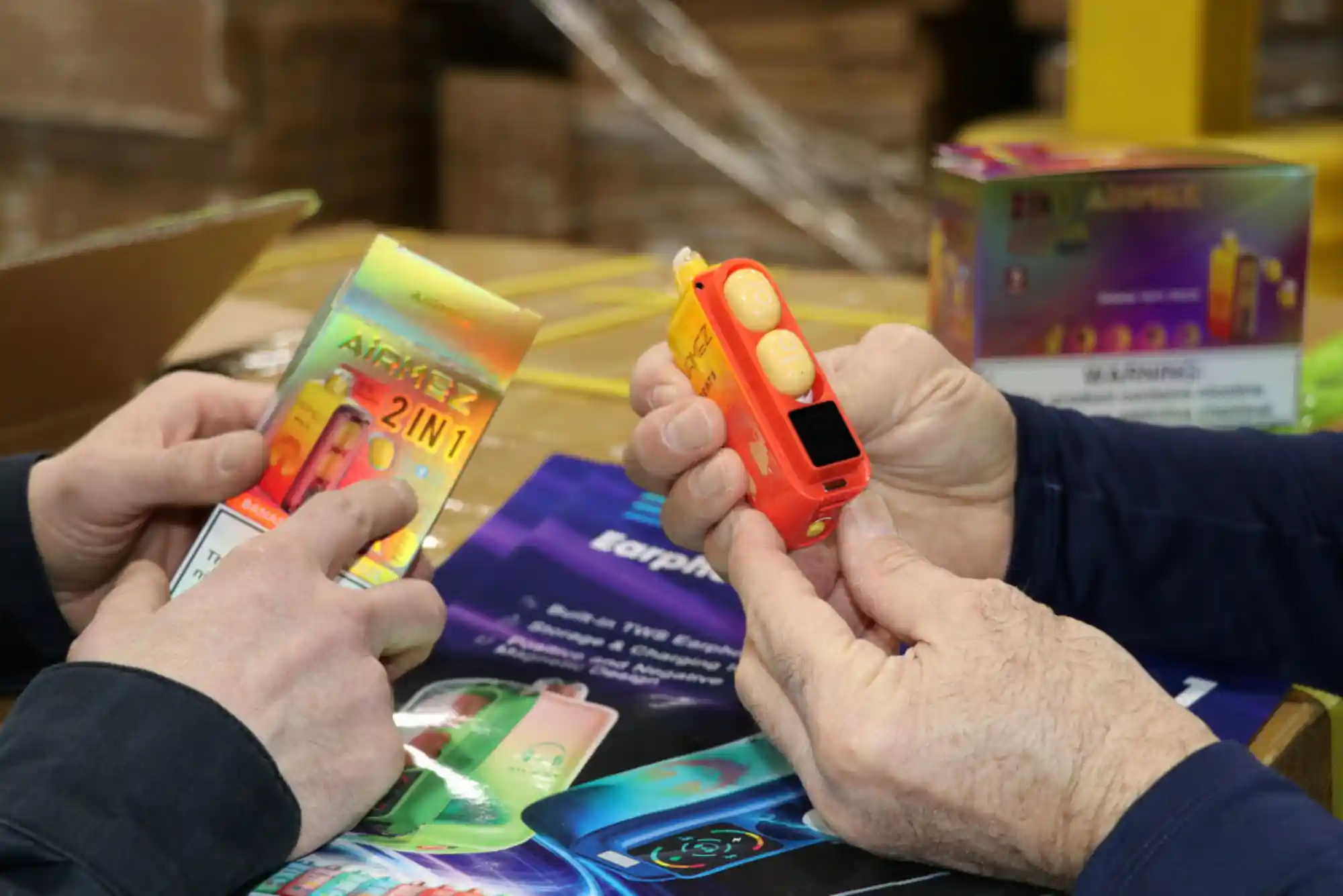
One of the leading causes of customs rejection is incomplete or inaccurate paperwork. Customs officials compare shipping documents with the actual products being imported. Any inconsistency immediately raises concerns.
Commercial invoices, packing lists, certificates of origin, product specifications, customs declarations, and shipping documents must all contain accurate information. Missing details, incorrect product descriptions, or inconsistent values may trigger inspections or outright rejection.
Businesses can reduce documentation errors by following customs import documentation guidance before preparing international shipments.
Incorrect Product Classification
Every imported product receives a tariff classification code. Using the wrong code may result in incorrect tax calculations, licensing issues, or customs violations.
Many vape importers accidentally classify disposable vapes, refillable devices, batteries, coils, or e-liquids under inappropriate categories. Customs officials often verify these classifications during inspections.
Accurate tariff classification helps avoid unnecessary delays while ensuring correct duties and taxes are applied.
Non-Compliant Product Labels
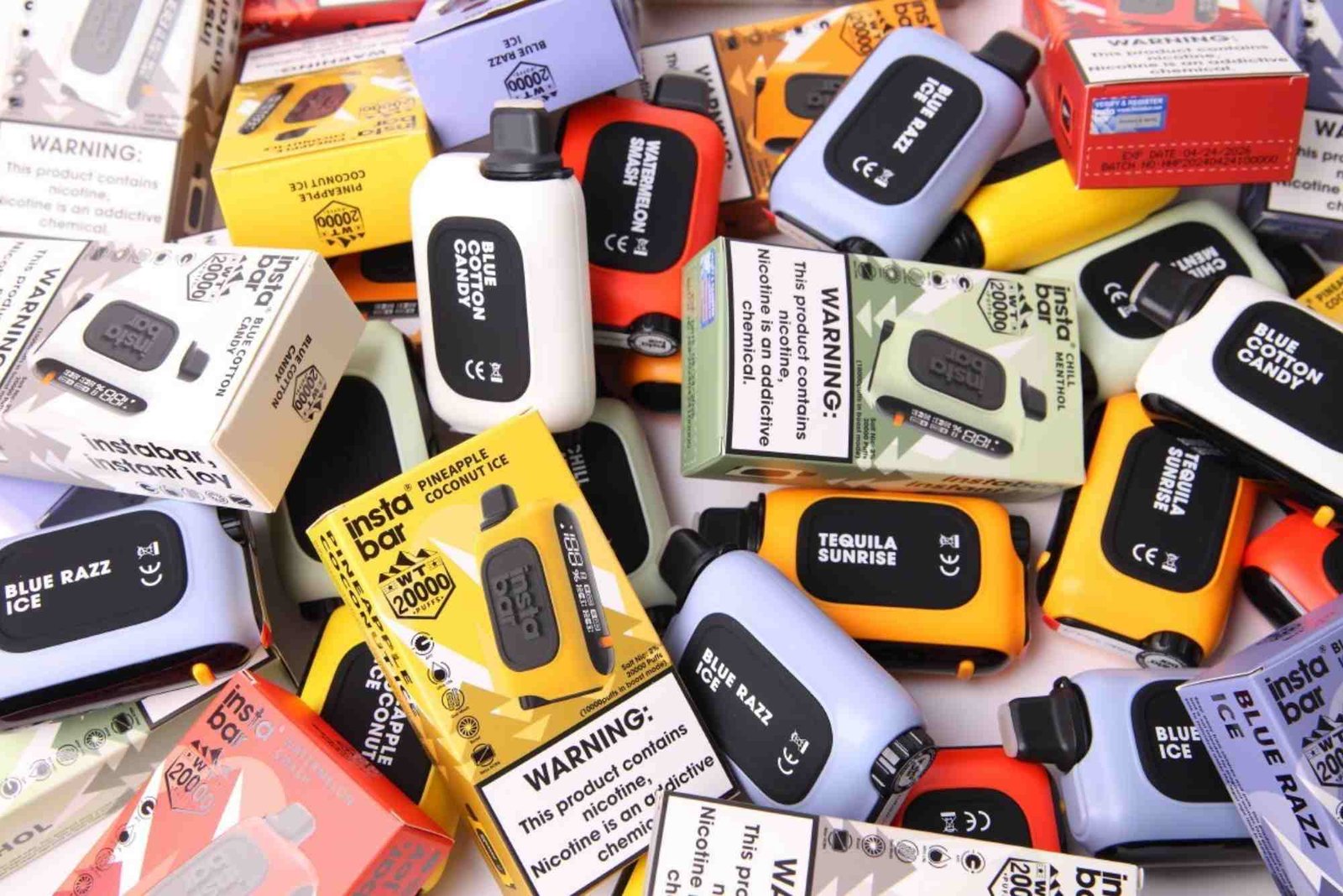
Labeling regulations differ significantly between countries. Customs authorities frequently reject vape products that lack mandatory labeling information.
Labels may be required to display nicotine strength, ingredient information, manufacturer details, batch numbers, warning statements, country of origin, production dates, expiry dates where applicable, and local language translations.
Products designed for one market may not automatically comply with another country’s labeling standards.
Product Safety Compliance
Battery Safety Standards
Lithium batteries are subject to strict transportation and safety regulations worldwide. Customs authorities often inspect battery certifications before allowing vape devices into the country.
Products lacking recognized battery testing documentation may be considered unsafe for transport or consumer use.
Battery compliance also extends to packaging, transportation methods, and proper hazard declarations.
Chemical Ingredient Restrictions
Different countries regulate vape liquid ingredients differently. Certain flavorings, additives, or chemical compounds may be prohibited or restricted.
Customs laboratories sometimes conduct random testing to verify ingredient declarations. If laboratory results differ from documentation, shipments may be rejected or destroyed.
Manufacturers should always maintain detailed laboratory reports and ingredient records.
Nicotine Concentration Limits
Many jurisdictions impose maximum nicotine concentration limits for vape products. Customs officers frequently verify nicotine levels against local legislation.
Products exceeding legal nicotine limits may be refused entry even if they are legally sold elsewhere.
Importers should understand destination-country regulations before placing manufacturing orders.
Packaging Problems That Trigger Customs Rejections
Packaging plays a significant role in customs inspections.
Improper child-resistant packaging, missing tamper-evident seals, damaged retail boxes, leaking e-liquid containers, or missing hazard symbols may all increase the likelihood of shipment rejection.
Professional packaging not only protects products during transport but also demonstrates regulatory compliance.
Manufacturers should regularly review packaging standards for each export destination.
Licensing and Registration Issues
Many countries require vape manufacturers, importers, or products to be officially registered before importation.
Some jurisdictions require:
Importer Licenses
Businesses may need government-issued import permits before customs clearance.
Without proper authorization, shipments may remain in customs warehouses until documentation is verified.
Product Registration
Several countries maintain product registration databases for vape products.
Customs officials often verify registration numbers before releasing shipments.
Products missing mandatory registrations frequently experience delays or rejection.
Manufacturer Approval
Certain regulators only permit imports from approved manufacturers that comply with national production standards.
Importing products from unregistered factories can create significant compliance risks.
Tax and Duty Compliance
Many vape shipments are rejected because taxes have not been properly declared.
Import duties, excise taxes, VAT, and other regulatory charges vary between countries.
Incorrect customs values or under-declared invoices may trigger investigations for customs fraud.
Honest valuation protects businesses from penalties while improving customs relationships.
Counterfeit and Intellectual Property Concerns
Customs authorities actively monitor counterfeit vape products.
Shipments suspected of violating trademarks, patents, or intellectual property rights may be detained for investigation.
Brand owners often cooperate with customs agencies to identify counterfeit products.
Importers should source products only from authorized manufacturers and maintain purchase records proving authenticity.
Country-Specific Regulatory Differences
One of the biggest challenges in international vape trade is regulatory inconsistency.
A vape product legally sold in one country may be completely prohibited elsewhere.
Some countries ban flavored vape products.
Others regulate nicotine concentration.
Certain jurisdictions restrict online vape sales while allowing retail distribution.
Because regulations evolve regularly, importers should verify destination-country requirements before every shipment rather than relying on previous approvals.
The Cost of Customs Rejections
Customs rejection affects far more than shipping schedules.
Businesses may experience financial losses through storage charges, return shipping costs, product destruction fees, legal expenses, delayed inventory, cancelled retail orders, and damaged customer relationships.
Repeated compliance failures may also increase future customs inspections, slowing subsequent shipments.
Preventive compliance is almost always less expensive than resolving rejected shipments.
Best Practices to Reduce Customs Rejections
Successful vape importers rarely depend on luck.
They invest time in regulatory research, maintain organized documentation, verify supplier compliance, conduct quality inspections before shipping, review labeling requirements, confirm tariff classifications, and ensure products meet destination-country standards before export.
Working closely with customs brokers and regulatory consultants can significantly reduce import risks, especially when entering new international markets.
Regular staff training also helps businesses remain updated as regulations continue changing worldwide.
Building Long-Term Customs Compliance
Compliance should become part of everyday business operations rather than a last-minute shipping task.
Businesses that create standardized compliance procedures often experience faster customs clearance, fewer inspections, improved customer confidence, and lower operational costs.
Maintaining accurate compliance records, laboratory reports, supplier certifications, invoices, shipping documentation, and regulatory approvals creates a strong compliance history that supports future imports.
Looking for trusted vaping insights, product guides, and the latest industry updates? TheVapeza is your go-to source for reliable information, expert tips, and quality vape-related content.
FAQs
Why are vape products commonly rejected at customs?
Vape products are commonly rejected due to incomplete documentation, incorrect tariff classifications, non-compliant labels, excessive nicotine levels, missing licenses, packaging issues, or failure to meet local regulatory requirements.
Can customs seize vape products permanently?
Yes. If imported vape products violate national laws, intellectual property rights, safety regulations, or import restrictions, customs authorities may seize, return, or destroy the shipment depending on local legislation.
Do vape products require special import permits?
Many countries require import permits, product registrations, or importer licenses before vape products can legally enter the market. Requirements vary by jurisdiction.
How can businesses reduce customs delays for vape shipments?
Businesses can reduce delays by preparing accurate documentation, using correct tariff codes, complying with labeling regulations, verifying nicotine limits, ensuring battery certifications are complete, and following all destination-country import requirements.
Does incorrect labeling cause customs rejection?
Yes. Missing health warnings, incorrect nicotine information, absent manufacturer details, or labels that fail to meet local language requirements are among the most common reasons customs authorities reject vape products.
Vape Trade Licensing in UAE: Step-by-Step – Starting a vape business in the UAE requires following the correct licensing process, meeting legal regulations, obtaining necessary approvals, and complying with import and retail standards. A step-by-step approach helps businesses avoid delays, operate legally, and build customer trust while ensuring long-term success in the competitive vape market.
Related Reading: Vape Customs Penalties and How to Avoid Them
Related Reading: Vape Product Classification and HS Codes
Related Reading: Vape Product Barcoding Rules in the GCC
Related Reading: Vape Customs Challenges for Online Stores — full guide
Related Reading: Top Customs Agents for Vape Businesses — full guide