Introduction
Importing vape products is more complicated than moving ordinary consumer goods across a border. Vape devices, e-liquids, accessories, and related products can fall under specific customs classifications, tax rules, product controls, and import requirements. That is why customs brokerage for vape importers plays an important role in keeping shipments compliant and moving efficiently.
A customs broker helps an importer prepare declarations, classify products, review documentation, coordinate with customs authorities, and calculate applicable duties and taxes. In Saudi Arabia, this process is especially important because electronic smoking devices and their liquids are included among goods subject to excise tax.
For businesses importing vape products into Saudi Arabia or other regulated markets, the goal should not simply be to get a shipment released. The goal is to create a repeatable import process where product information, licenses, classifications, taxes, and supporting documents are accurate before the cargo arrives.
What Is Customs Brokerage for Vape Importers?
Customs brokerage for vape importers refers to the professional assistance provided during the customs entry and clearance process for vape-related goods. A broker acts as an intermediary between the importer and customs authorities, helping ensure that the shipment is declared correctly and that required procedures are completed.
For vape businesses, brokerage can involve more than submitting a standard customs declaration. The broker may need to examine the exact nature of the goods, determine the appropriate tariff classification, verify supporting documents, and identify whether additional approvals or registrations apply.
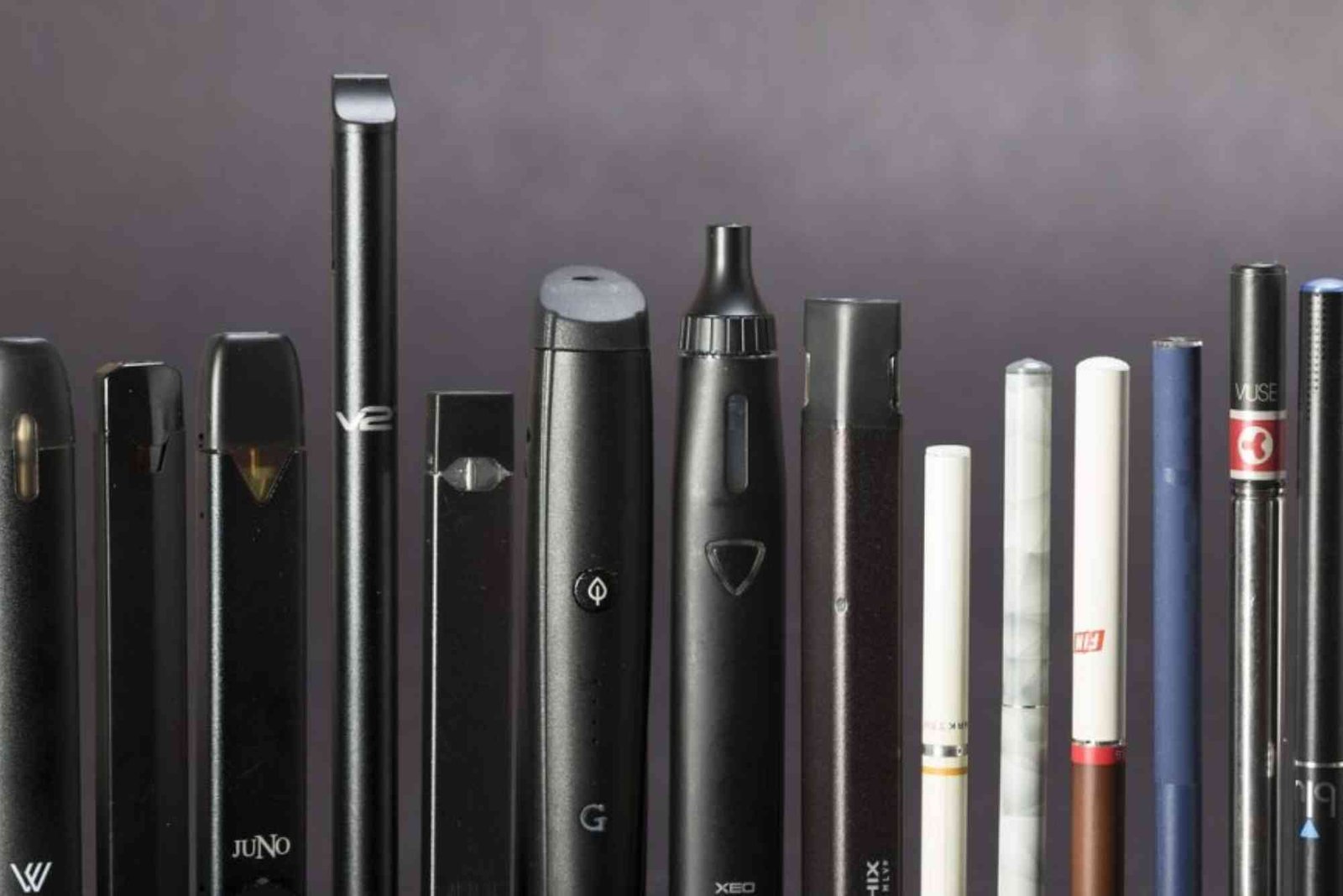
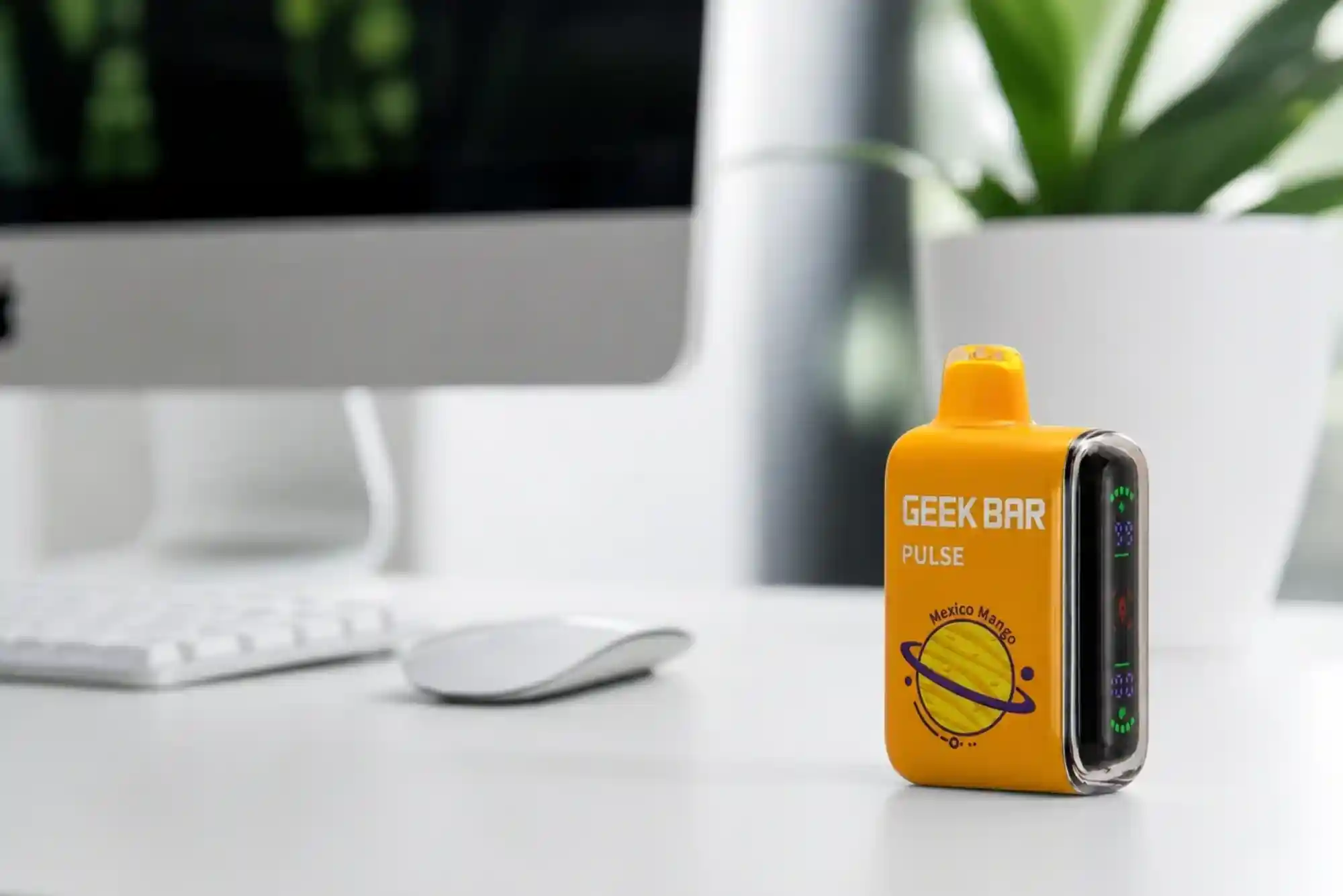
This matters because vape shipments can contain several different product categories. A shipment might include disposable devices, reusable electronic devices, replacement coils, batteries, nicotine-free liquids, or nicotine-containing liquids. Treating every item as one generic product category can create classification and compliance problems.

A professional broker therefore needs accurate commercial information from the importer. Product descriptions should be specific enough to identify what the goods actually are, rather than relying on vague descriptions such as “electronics” or “accessories.”
Why Vape Importers Need Specialized Customs Support
Vape imports require careful attention because customs compliance does not end with transportation. The importer must demonstrate that the shipment can legally enter the destination market and that its customs declaration accurately reflects the goods.
Saudi Arabia’s Zakat, Tax and Customs Authority states that importers generally need documents such as a commercial invoice, bill of lading, and certificate of origin where applicable. Additional documents may be required depending on the nature of the goods. ZATCA also advises importers to check product-specific requirements through the customs tariff or with a customs broker.
This is where customs brokerage for vape importers becomes valuable. Instead of discovering a missing requirement after the shipment reaches the port, the importer can review the shipment before dispatch.
That approach can reduce avoidable delays, storage expenses, document corrections, and communication problems between the supplier, freight forwarder, importer, and customs authority.
Understanding Vape Product Classification
One of the most important responsibilities in customs brokerage for vape importers is correct product classification.
Customs authorities use tariff classifications to determine how imported goods are treated. Classification can affect customs duties, restrictions, documentation, and taxes. For vape products, classification may depend on whether the shipment contains electronic smoking devices, liquids, parts, or other related products.
Saudi Arabia specifically identifies electronic smoking devices and similar tools, as well as liquids used in those devices, as excise-taxable goods. The rules cover such products whether or not they contain nicotine.
Why Accurate Classification Matters
Incorrect classification can cause several problems. Customs may question the declared description, request additional information, reassess taxes, or hold the shipment for further review.
A broker should therefore compare the supplier’s commercial description with the actual product specifications. Product composition, function, packaging, quantity, and intended use can all help establish the correct classification.
Importers should also avoid choosing a tariff code simply because it produces a lower duty amount. Classification should reflect the actual goods and the applicable customs rules.
Preparing the Right Import Documentation
Documentation is one of the areas where customs brokerage for vape importers provides practical value.
ZATCA’s import instructions identify the commercial invoice, bill of lading, and certificate of origin as core import documents, while also noting that additional documents can apply depending on the imported product.
For vape shipments, the broker and importer should make sure the documentation presents consistent information. The product description, quantity, value, origin, consignee information, and shipment details should match across the relevant documents.
Importers can also review ZATCA’s customs import documentation guidance when preparing their documentation.
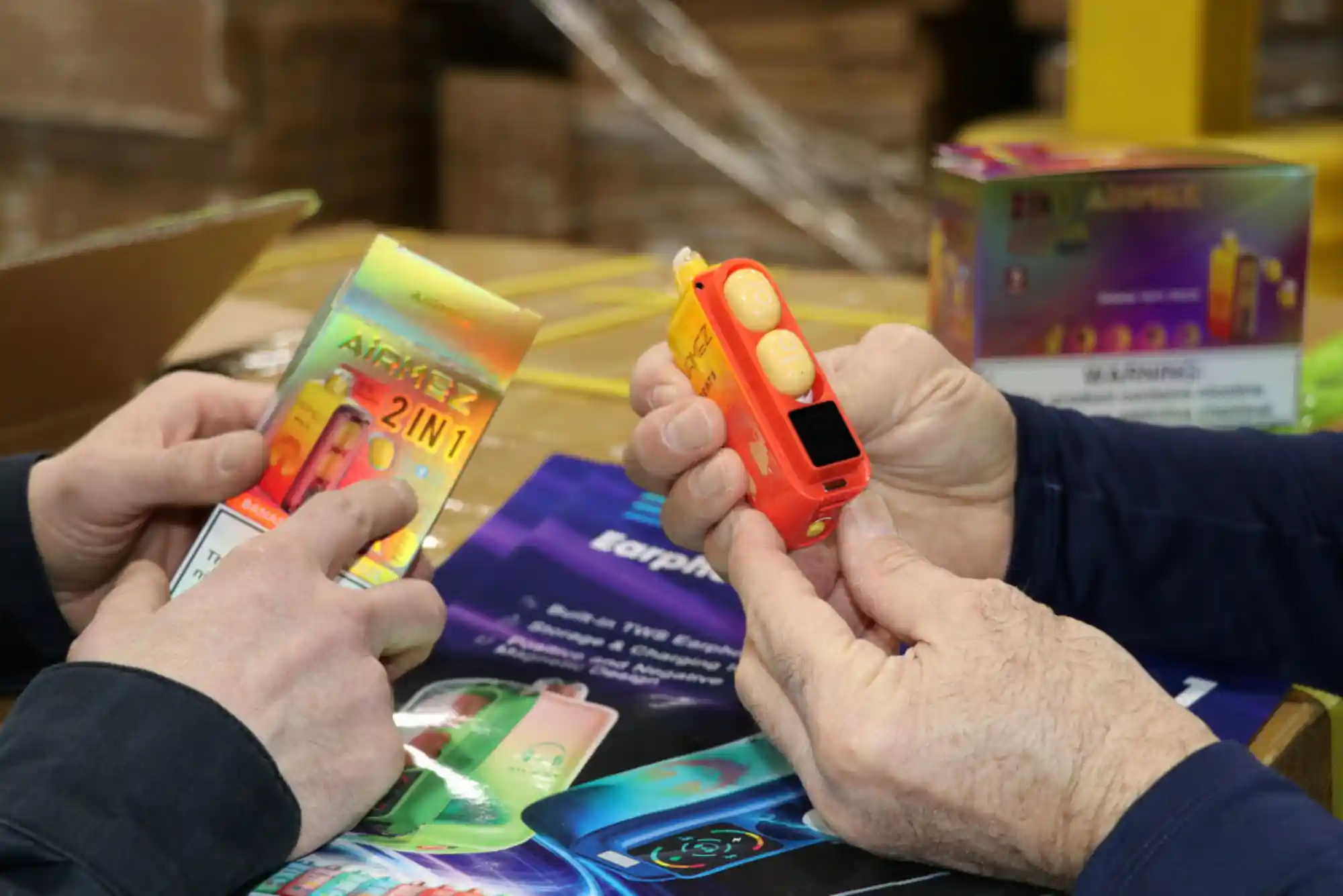
A mismatch between the invoice and the physical shipment is particularly risky. For example, an invoice describing a shipment as generic electronic accessories while the cartons contain clearly identifiable vaping products can invite additional scrutiny.
The better approach is simple: describe the goods accurately from the beginning.
Excise Tax and Vape Imports
Tax compliance is another major reason to use professional customs brokerage for vape importers.
ZATCA identifies electronic smoking devices and similar products, along with liquids used in those devices, as goods subject to excise tax.
ZATCA also provides an electronic service for product identification for excise goods. The service allows producers and importers to register and manage excise products, and ZATCA states that an importer or producer must be registered for excise tax and have a registered customs-services account.
This means vape businesses should not treat tax calculations as an afterthought. Product registration, classification, customs valuation, and tax treatment should be considered before importing.
A customs broker can help coordinate the customs side of this process, while the importer remains responsible for maintaining the required business registrations and regulatory approvals.
How the Customs Brokerage Process Works
The practical process begins before the goods leave the supplier.
The importer provides the broker with product details, supplier documents, commercial information, and any available permits or registrations. The broker reviews the information and identifies potential customs issues.
Next, the shipment is classified and the customs declaration is prepared. The importer or its authorized representative submits the required information through the relevant customs system.
ZATCA explains that importers can complete customs procedures through Fasah and track shipments through the platform. ZATCA’s current import guidance also emphasizes completing the customs declaration and required documents before the shipment reaches the port.
ZATCA announced in November 2024 that customs declarations and import documents should be submitted 72 hours before shipment arrival at customs ports, emphasizing accurate documentation and completion of required permits before import.
Once the declaration is processed, customs may review the shipment information, request additional documentation, or conduct an inspection. If everything is satisfactory and applicable amounts are paid, the shipment can proceed toward release.
The Role of a Customs Broker Before Shipment Arrival
The strongest benefit of customs brokerage for vape importers often comes before the shipment reaches customs.
Pre-arrival review gives the broker an opportunity to identify missing documents, questionable product descriptions, classification concerns, or regulatory requirements.
This is particularly useful for repeat importers. A business importing the same vape products every month should not rebuild its customs process from scratch for every shipment. Instead, it can establish a standardized product database containing accurate descriptions, classifications, specifications, and supporting documents.
That makes subsequent declarations more consistent and gives the broker better information to work with.
Common Vape Import Customs Problems
Many customs problems begin with information that looks minor during the purchasing stage.
An inaccurate invoice value can create valuation questions. A vague product description can make classification difficult. A missing certificate or permit can prevent clearance. An inconsistency between the invoice and packing information can lead to further review.
Another common issue is treating different vape products as identical. Devices and liquids may have different customs and tax treatment, so combining them under an overly broad description can create unnecessary complications.
Importers should also remember that customs compliance and product compliance are connected but not identical. A shipment can have a valid commercial invoice and still require additional product-specific approvals.
That is why customs brokerage for vape importers should be integrated with the company’s broader regulatory compliance process.
Choosing the Right Customs Broker
Not every customs broker has the same level of experience with regulated products.
A vape importer should look for a broker who understands tariff classification, excise-tax treatment, import documentation, restricted goods procedures, and the digital customs systems used in the destination country.
Experience with vape products is particularly useful because the broker needs to understand the difference between devices, liquids, components, and related merchandise.
The importer should also expect clear communication. A good broker should explain what information is required, identify potential problems before filing, and provide visibility into the status of the shipment.
Price matters, but the cheapest brokerage service is not necessarily the least expensive option overall. A low brokerage fee becomes irrelevant if repeated errors result in storage charges, shipment delays, reassessments, or additional administrative work.
Keeping Licenses and Registrations Current
Successful customs brokerage for vape importers depends on more than individual shipments. Importers should maintain an ongoing compliance calendar for licenses, registrations, product information, and regulatory requirements.
Vape businesses should review their authorization status before placing major purchase orders rather than waiting until the cargo is already in transit.
For businesses managing renewal requirements, the Vape Import License Renewal Guidelines can provide an additional reference point when reviewing the renewal process.
Keeping documentation current also makes the broker’s work easier. When the broker receives an updated and organized compliance file, there is less uncertainty during shipment preparation.
Using Customs Data to Improve Future Imports
A professional importer should treat every customs declaration as part of a larger data record.
After clearance, businesses can review the declared classification, taxes, documentation, inspection history, and any corrections requested by customs. This information can reveal patterns.
For example, repeated document corrections may indicate that the supplier needs a better invoice template. Repeated classification questions may indicate that product descriptions need to be standardized. Frequent delays may show that approvals are being requested too late.
Over time, customs brokerage for vape importers can become more than a clearance service. It can become part of an import-control system that improves accuracy across the supply chain.
How Vape Importers Can Reduce Clearance Delays
The most effective strategy is preparation.
Start with accurate product information. Confirm the destination country’s requirements before the goods are shipped. Make sure invoices and transport documents agree. Review classification carefully. Confirm that required registrations, permits, and product approvals are active.
It is also important to communicate changes to the broker. If the supplier changes the formulation, packaging, product model, quantity, or country of origin, the importer should not assume the previous customs treatment automatically remains appropriate.
For businesses importing regularly, working with a dedicated customs professional can create a consistent pre-shipment review process.
Why Compliance Is More Important Than Speed Alone
Fast customs clearance is useful, but compliant clearance is more important.
Trying to accelerate a shipment by submitting incomplete information can create a bigger problem later. Customs authorities need reliable information to determine whether goods can enter the market and what duties and taxes apply.
ZATCA’s guidance emphasizes accurate documentation and completing required import permissions before the goods arrive.
For vape businesses, this principle is especially important because the products can be subject to excise taxation and product-specific requirements.
The objective should therefore be predictable clearance rather than simply the fastest possible clearance.
Building a Reliable Vape Import Workflow
A strong import workflow connects purchasing, compliance, logistics, and customs brokerage.
Before ordering, the importer should confirm that the product is permitted and that required registrations and approvals are available. During purchasing, the supplier should be instructed to provide accurate commercial documentation. Before shipment, the broker should review the documentation and classification.
Before arrival, the customs declaration should be prepared through the appropriate system, with supporting documents ready for review.
After release, the importer should retain the customs records and review any corrections or questions raised during clearance.
Businesses looking for further industry resources can also explore thevapeza for additional information related to vape importing and compliance.
: Make Customs Brokerage Part of Your Import Strategy
Customs brokerage for vape importers is not simply about submitting a customs declaration. It is about making sure the shipment is correctly classified, properly documented, appropriately taxed, and supported by the necessary regulatory requirements.
For Saudi Arabian imports, this becomes particularly important because electronic smoking devices and related liquids fall within the excise-tax framework, while ZATCA requires importers to meet documentation and customs procedures.
The best time to identify a customs problem is before the shipment leaves the supplier. By working with an experienced broker and maintaining accurate product and licensing records, vape businesses can reduce avoidable delays and build a more reliable import operation.
FAQs
What is the difference between customs clearance and customs brokerage?
Customs clearance is the overall process of getting imported goods approved for entry. Customs brokerage is the professional service that helps the importer complete that process, including documentation, declarations, classification, and communication with customs authorities.
What documents are required for customs clearance?
Requirements vary by product and destination. For Saudi Arabia, ZATCA identifies a commercial invoice, bill of lading, and certificate of origin where applicable as core import documents. Additional documents may be required depending on the nature of the goods.
How long does customs clearance usually take?
There is no universal timeframe. Clearance can be affected by documentation accuracy, inspections, permits, classification questions, and payment of applicable duties and taxes. Preparing the declaration and supporting documents before arrival can help reduce avoidable delays.
Can a customs broker help with restricted or regulated goods?
Yes. Customs brokers can help importers identify documentation and clearance requirements for regulated goods. However, the importer remains responsible for ensuring that required licenses, permits, registrations, and product approvals are obtained.
Are vape products subject to excise tax in Saudi Arabia?
Yes. ZATCA identifies electronic smoking devices and similar products, as well as liquids used in those devices, as excise-taxable goods. The scope includes products whether or not they contain nicotine.
Do vape importers need excise product registration?
Where applicable, importers of excise goods need to meet ZATCA’s excise-tax requirements. ZATCA provides a Product Identification for Excise Goods service for registered producers and importers to identify and manage their excise products.
What causes customs clearance delays?
Incomplete documents, inaccurate information, missing approvals, classification questions, inspections, and late submission can all contribute to delays. ZATCA specifically highlights the importance of submitting accurate customs information and completing required import permits before arrival.