
Introduction
The discussion about vaping has become increasingly important in modern public health policy. Governments, researchers, and healthcare professionals continue examining its potential consequences. The question of Why Should vapes be illegal Matters in the Harm Reduction Debate highlights a complicated issue involving addiction, personal freedom, and public safety.
Vaping products are often presented as alternatives to traditional cigarettes. However, they introduce different health and regulatory challenges. Nicotine dependence, youth exposure, product quality, and uncertain long-term effects remain major concerns.
Although some adults use e-cigarettes when moving away from traditional smoking, vaping is not risk-free. Consequently, policymakers must carefully evaluate its benefits and disadvantages.
Medical research and policy discussions published through respected platforms such as The Lancet — policy analysis & commentaries provide valuable perspectives on public health challenges.
Understanding why should vapes be illegal matters requires examining both prohibition arguments and harm reduction principles. This discussion can help readers understand why responsible regulations remain essential.
Why Should Vapes Be Illegal Matters in the Harm Reduction Debate
The question of why should vapes be illegal matters because nicotine products affect individual and community health. Governments must consider their responsibilities when regulating potentially addictive products.

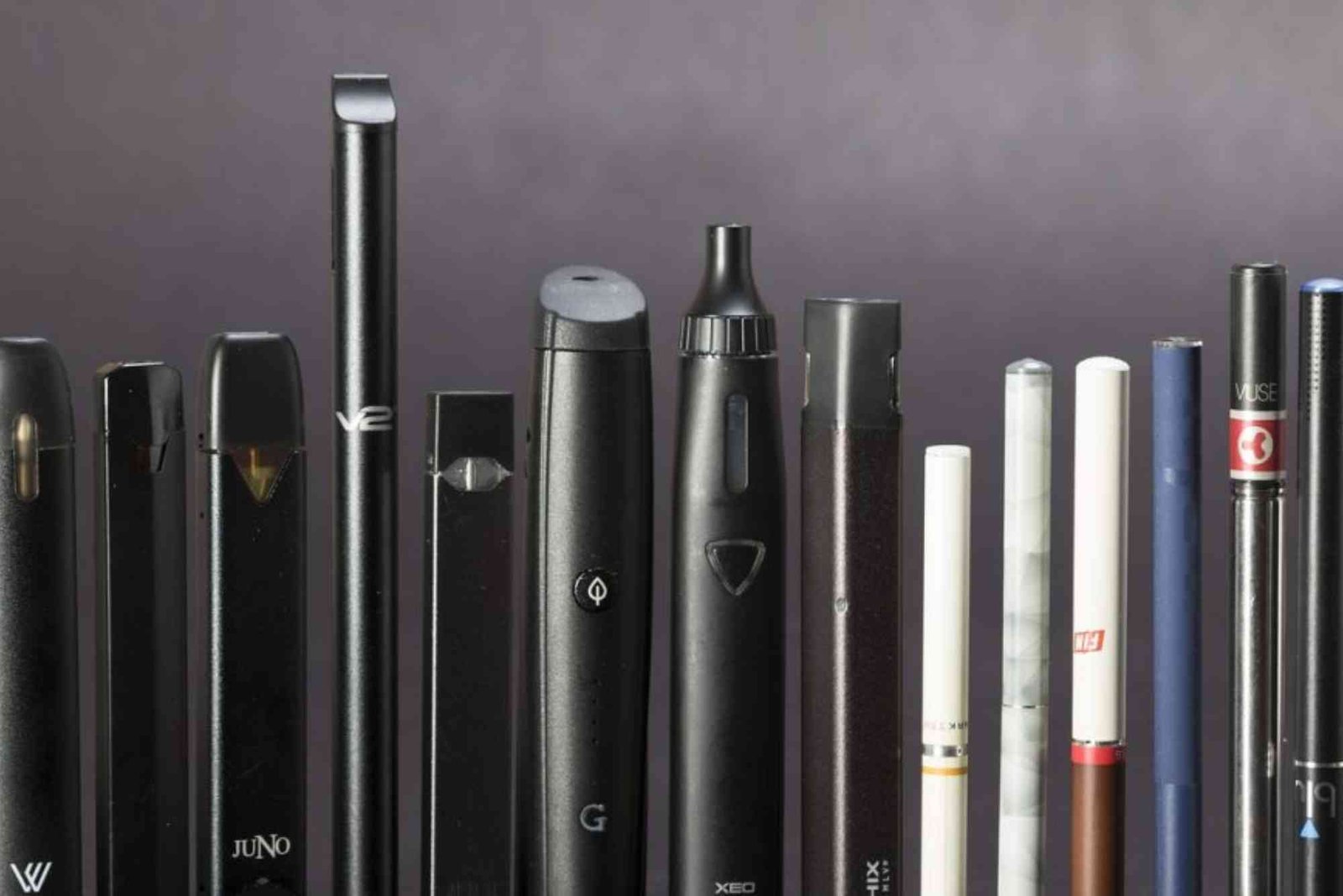
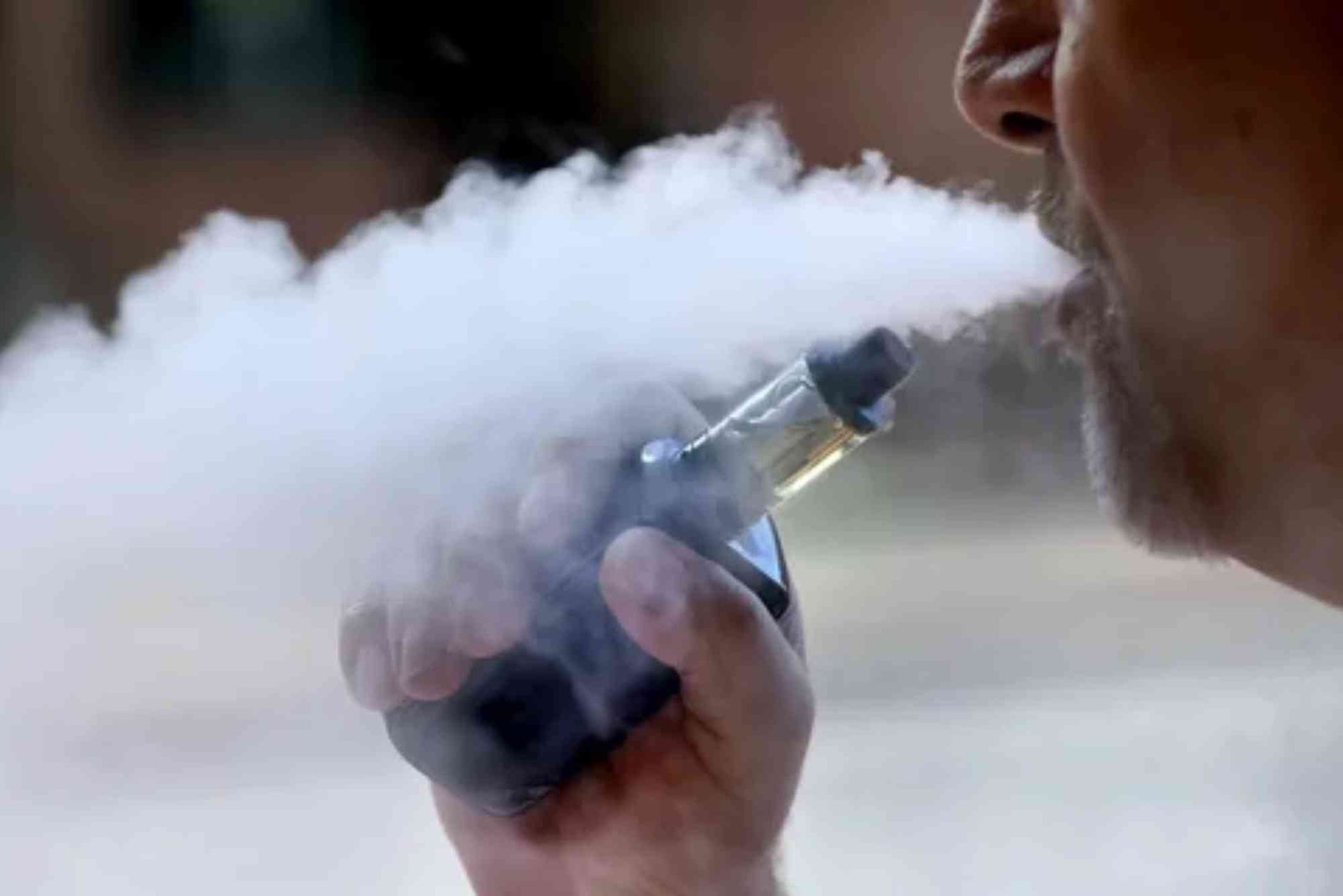
Unlike traditional cigarettes, vaping devices use electronic heating systems. These devices produce aerosols containing different chemicals and particles. Although exposure differs from tobacco smoke, vaping does not eliminate health concerns.
Therefore, discussions about prohibition involve more than individual preferences. They also concern healthcare systems, younger generations, and public protection.
Protecting Young People From Nicotine Addiction
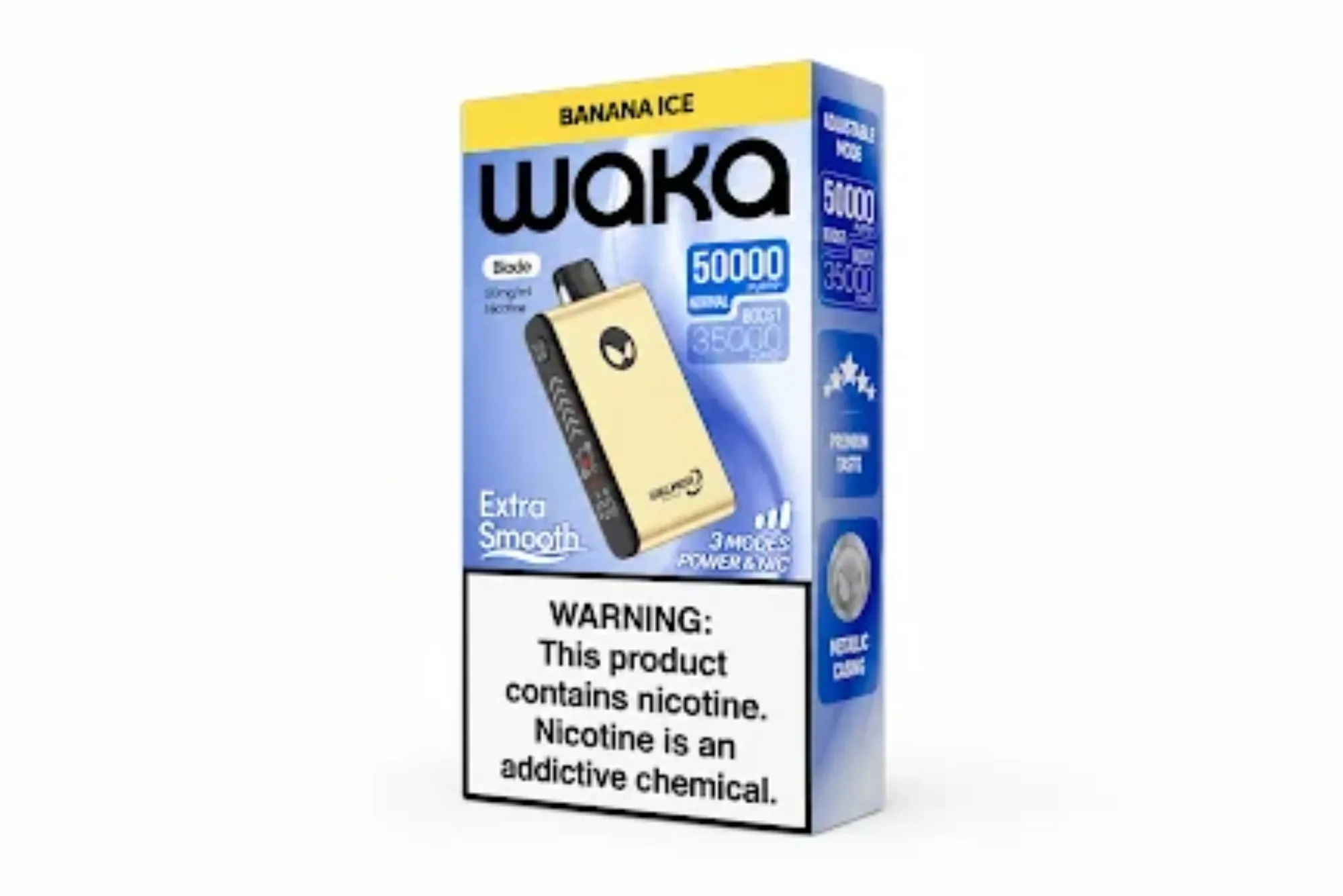
One major argument supporting stronger vape restrictions involves protecting teenagers. Many vaping products contain nicotine, which creates dependence.
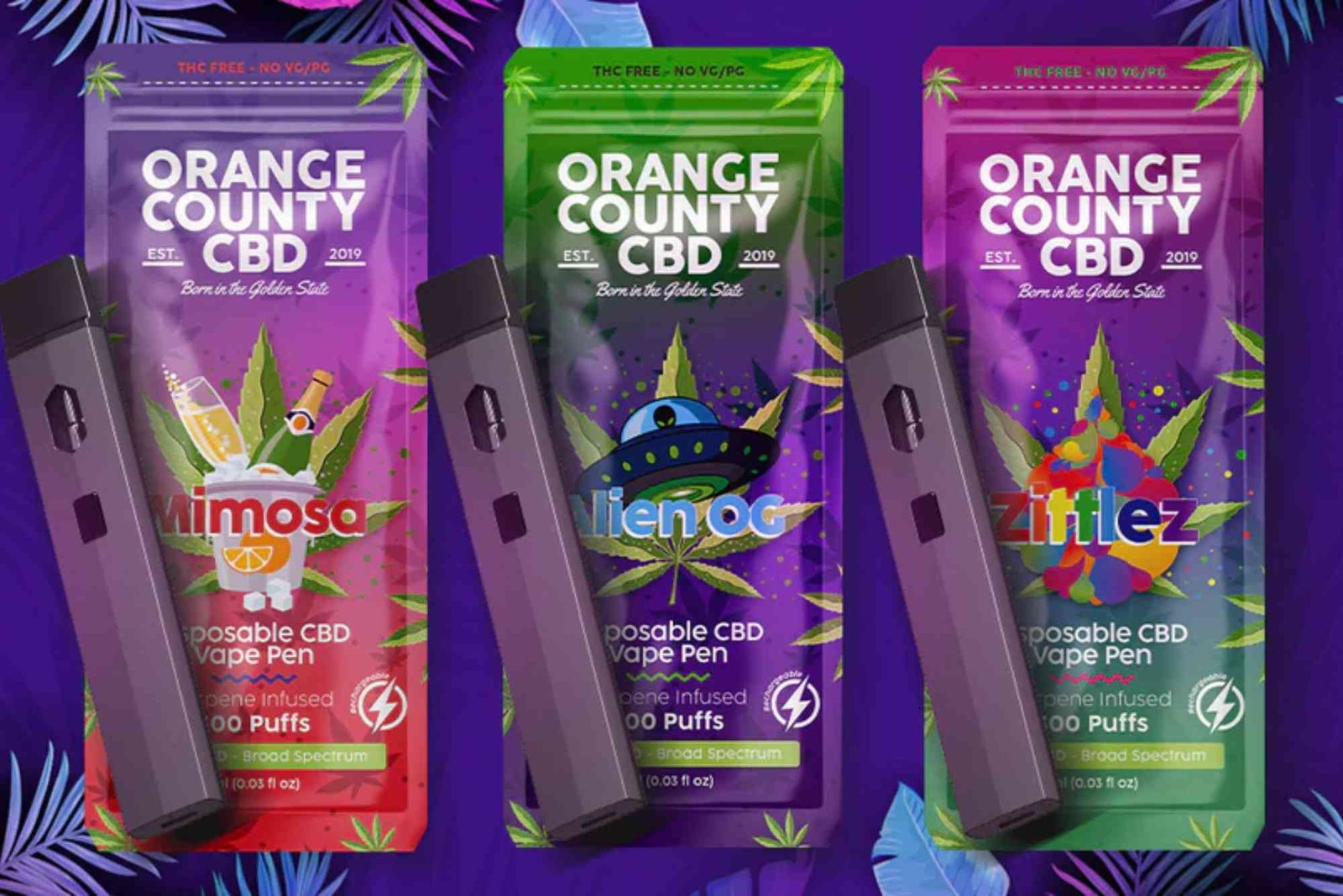
Young people may underestimate these risks because vaping products often appear modern and attractive. Sweet flavours, colourful packaging, and social media promotion can increase their appeal.
Nicotine exposure during adolescence raises concerns about brain development. It may also affect attention, learning, and future addiction patterns.
Consequently, preventing underage access should remain an important government priority. Strong age verification and advertising restrictions can help reduce unnecessary exposure.
Understanding the Health Risks of Vaping
Another important concern involves the potential health consequences of regular vaping. E-cigarette aerosols may contain chemicals, fine particles, and other potentially harmful substances.
Nicotine can increase heart rate and blood pressure. Meanwhile, researchers continue investigating the long-term respiratory and cardiovascular effects of vaping.
The lack of decades of research creates additional uncertainty. Policymakers must therefore consider precautionary measures when regulating these products.
However, comparing vaping with traditional smoking requires scientific accuracy. Completely switching from cigarettes to e-cigarettes can reduce exposure to many harmful chemicals.
This does not make vaping harmless. Instead, it demonstrates why public health discussions require balanced evidence.
Why Vaping Creates Challenges for Public Health
Vaping introduces several challenges beyond individual nicotine consumption. These concerns involve addiction, environmental protection, product quality, and healthcare resources.
Nicotine Dependence and Continued Tobacco Consumption
Nicotine addiction can make quitting difficult. Some smokers begin vaping because they want to reduce traditional cigarette consumption.
However, certain individuals continue using both products. This behaviour is commonly called dual use.
Dual use may prevent smokers from achieving the potential benefits associated with completely replacing combustible cigarettes.
Therefore, public health programmes should encourage complete smoking cessation. They should also provide reliable information about established quitting methods.
Environmental Problems Associated With Disposable Vapes
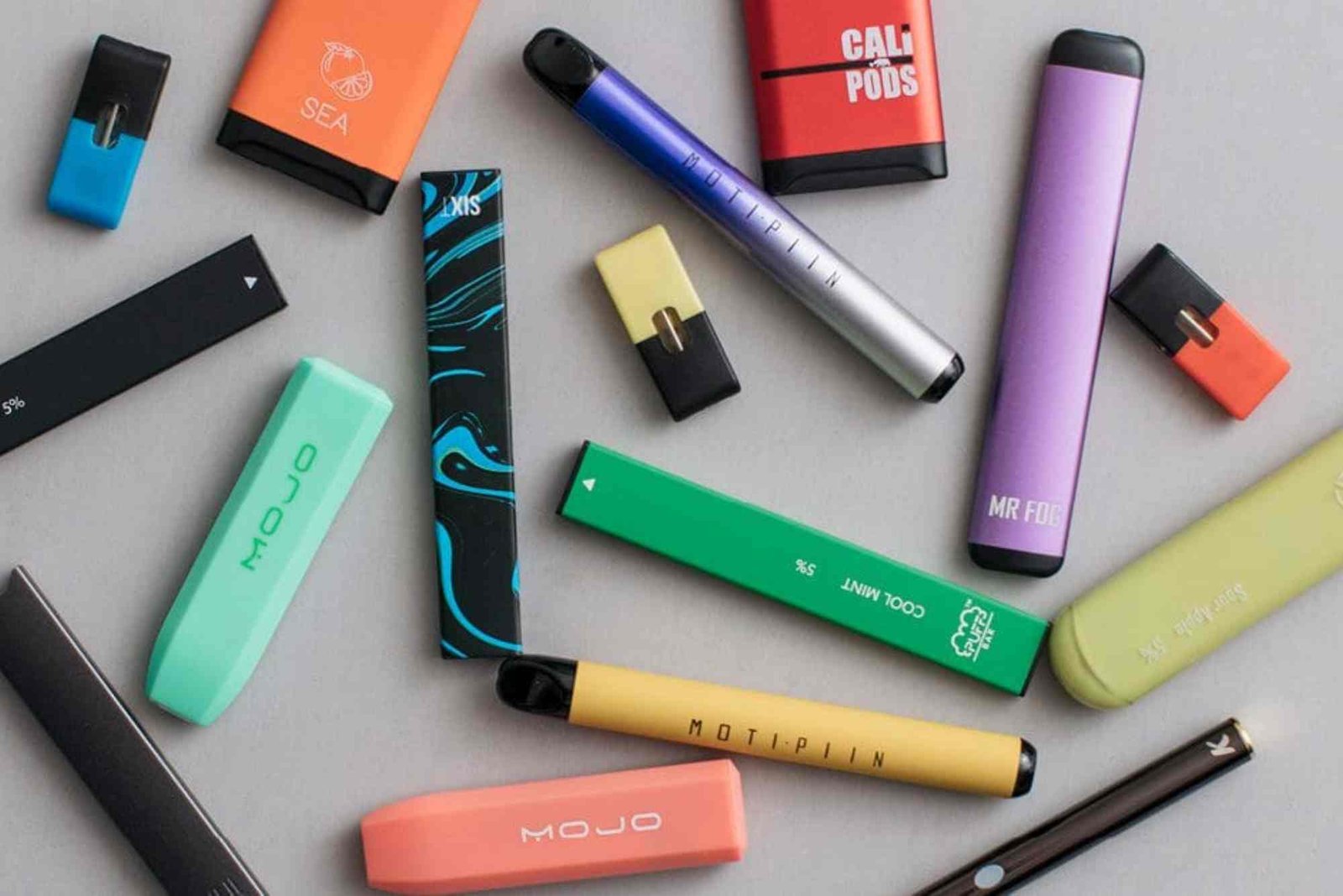
Disposable vaping devices create additional environmental concerns. Their plastic components, electronic circuits, and lithium batteries require responsible disposal.
When discarded improperly, these products contribute to electronic waste. Damaged batteries can also create fire hazards.
Furthermore, leaked e-liquid may expose children and animals to nicotine.
These concerns strengthen arguments for stronger manufacturing and disposal regulations. Governments can introduce recycling requirements and manufacturer responsibility programmes.
Unregulated Products and Consumer Protection
Product quality represents another important issue. Consumers may encounter vaping products with unclear ingredients or inconsistent nicotine concentrations.
Unregulated manufacturing creates difficulties for safety monitoring. It also makes product recalls and consumer protection more challenging.
Governments should establish clear manufacturing standards. Independent testing and transparent ingredient information can improve consumer protection.
Where illegal products circulate, enforcement agencies also need effective monitoring systems.
Understanding the Harm Reduction Debate
Harm reduction focuses on reducing the negative consequences of risky behaviours. In tobacco control, it often involves helping existing smokers reduce exposure to harmful substances.
Traditional cigarettes burn tobacco. This combustion process releases thousands of chemicals, including numerous toxic substances.
Vaping devices heat liquids instead of burning tobacco. Therefore, their chemical emissions differ from conventional cigarette smoke.
However, reduced exposure does not automatically mean complete safety.
Why Some Experts Oppose a Complete Vape Ban
Some public health researchers question whether completely banning vaping products produces the best outcomes.
For certain adult smokers, regulated nicotine e-cigarettes may provide an alternative to combustible tobacco.
The US Food and Drug Administration recognises that completely switching from cigarettes to e-cigarettes may reduce exposure to many harmful chemicals.
Nevertheless, e-cigarettes are not risk-free. Their suitability also depends on individual circumstances and existing nicotine use.
This distinction is central to the harm reduction debate. Policymakers must consider potential benefits without ignoring addiction and health concerns.
Why Evidence-Based Policies Matter
Public health decisions should reflect reliable scientific evidence. Governments should avoid introducing policies based entirely on assumptions or commercial interests.
Independent research can help identify changing patterns in nicotine consumption. It can also reveal whether regulations achieve their intended objectives.
The offers medical research and policy discussions relevant to tobacco control and wider public health.
Such resources help readers understand the complicated relationship between scientific evidence and government decisions.
Why Should Vapes Be Illegal? Government Responsibilities
Governments must balance personal choices with collective health responsibilities. This challenge becomes particularly important when products contain addictive substances.
Complete prohibition is one possible policy approach. However, strict regulation may offer another way to address public health concerns.
Introducing Stronger Advertising Restrictions
Advertising can influence consumer perceptions and product popularity. Young audiences may be particularly vulnerable to attractive marketing.
Governments can restrict promotional campaigns targeting teenagers. They can also introduce clearer packaging requirements and limitations on misleading health claims.
Flavour restrictions may further reduce the appeal of vaping products among younger consumers.
These measures can support prevention without necessarily removing every regulated product from the market.
Preventing Illegal Vape Distribution
A complete prohibition may create enforcement difficulties. When consumer demand remains, illegal suppliers may attempt to replace legitimate retailers.
Unregulated markets can make product ingredients and manufacturing standards harder to verify.
Consequently, governments considering prohibition should evaluate enforcement capacity. They should also monitor online sales and illegal distribution networks.
Effective policies must consider both legal availability and the possibility of underground markets.
Supporting People Who Want to Quit Smoking
Smoking cessation support remains essential in every tobacco control strategy.
People experiencing nicotine dependence may benefit from professional guidance. Counselling, behavioural support, and approved medications can improve quitting outcomes.
The CDC identifies several approved smoking cessation medications. Combining appropriate medication with counselling can improve the likelihood of success.
Governments should make these services affordable and accessible. This approach can help individuals move towards a nicotine-free lifestyle.
How International Vape Policies Influence the Debate
Different countries have adopted different approaches to vaping regulation. Some restrict sales, while others permit regulated commercial markets.
These differences reflect national health priorities and enforcement capabilities.
Some governments prioritise preventing youth nicotine consumption. Others focus on controlling product quality while considering potential benefits for existing smokers.
International research helps policymakers compare these approaches. However, regulations should reflect local circumstances and available scientific evidence.
The important question is whether policies actually improve public health. Measuring youth vaping, smoking rates, illegal sales, and cessation outcomes can provide useful answers.
The Future of Vaping Regulation and Harm Reduction
The future of vaping policy depends on continued research and responsible regulation.
Researchers need better information about long-term health effects. Governments must also monitor changing consumer behaviour and emerging products.
Public education should explain that vaping is not harmless. It should also distinguish between preventing nicotine initiation and helping established smokers quit.
Healthcare professionals can support these objectives through accurate advice. Meanwhile, independent medical research can guide improvements in existing regulations.
Ultimately, why should vapes be illegal matters because public health decisions can affect millions of people.
A successful approach should protect young people, discourage nicotine dependence, and provide effective smoking cessation support.
Making Public Health the Main Priority
The debate surrounding why should vapes be illegal involves several important considerations. Nicotine addiction, youth exposure, environmental damage, and uncertain long-term effects support stronger restrictions.
However, completely prohibiting vaping also raises questions about adult smokers seeking alternatives to traditional cigarettes.
Scientific evidence suggests that completely switching from combustible cigarettes may reduce exposure to certain harmful chemicals. Nevertheless, vaping should never be described as completely safe.
Understanding Why Mexico Vape Laws 2019 Matters in the Harm Reduction Debate helps highlight the importance of balanced vaping regulations. These laws raise important questions about public health, adult smoking alternatives, consumer safety, and access to reliable information. Exploring their impact can help readers better understand the ongoing debate between strict restrictions and harm reduction strategies.
Frequently Asked Questions
Why should vapes be illegal?
Supporters of prohibition argue that vaping can encourage nicotine addiction, particularly among young people. They also highlight uncertain long-term health effects and environmental concerns.
Are vapes safer than traditional cigarettes?
Vaping generally exposes users to fewer harmful chemicals than combustible cigarettes. However, e-cigarettes are not harmless and may expose users to potentially harmful substances.
Why is vaping considered a public health concern?
Vaping raises concerns about nicotine dependence, adolescent exposure, respiratory health, and product safety. Its popularity also creates additional challenges for healthcare professionals.
Does banning vapes reduce smoking?
A ban may reduce access to vaping products. However, its overall effect depends on enforcement, consumer behaviour, and the availability of smoking cessation support.
Can vaping help people quit smoking?
Some evidence suggests nicotine e-cigarettes can help certain adults stop smoking. However, complete substitution is important, and approved cessation treatments remain valuable options.
What is the main argument in the harm reduction debate?
The main disagreement concerns whether regulated vaping provides meaningful benefits to existing smokers or creates additional public health problems.
Should governments ban disposable vapes?
Governments may consider restrictions because disposable products create environmental waste and can appeal to younger consumers. Recycling requirements and sales restrictions are possible policy approaches.
Discover useful information, product insights, and updates from the vaping industry with TheVapeza. Whether you are interested in vaping trends, device features, or general industry knowledge, TheVapeza provides a helpful place to explore relevant content. Visit the website to learn more and discover information that keeps you informed about the evolving vaping market.