Introduction
Vape freight consolidation benefits businesses by bringing compatible shipments together into a more organized and potentially more economical freight movement. Instead of arranging multiple smaller consignments independently, consolidation can allow eligible goods to move as a coordinated shipment, helping businesses manage transportation costs, documentation, inventory planning, and delivery schedules more effectively.
However, vape-related logistics requires particular care. Electronic cigarettes and accessories, liquids, and devices containing lithium batteries can be subject to carrier restrictions, dangerous-goods rules, customs requirements, and destination-country laws. For that reason, freight consolidation should never mean combining products without checking whether each item is legally and operationally eligible for transport. DHL notes that electronic cigarettes and accessories may require special approval, while lithium batteries are classified as dangerous goods and may require pre-approval.
Understanding the vape freight consolidation benefits therefore means looking beyond simple shipping costs. A well-managed consolidation strategy can support better planning while keeping compliance and product handling at the centre of the process.
What Is Vape Freight Consolidation?
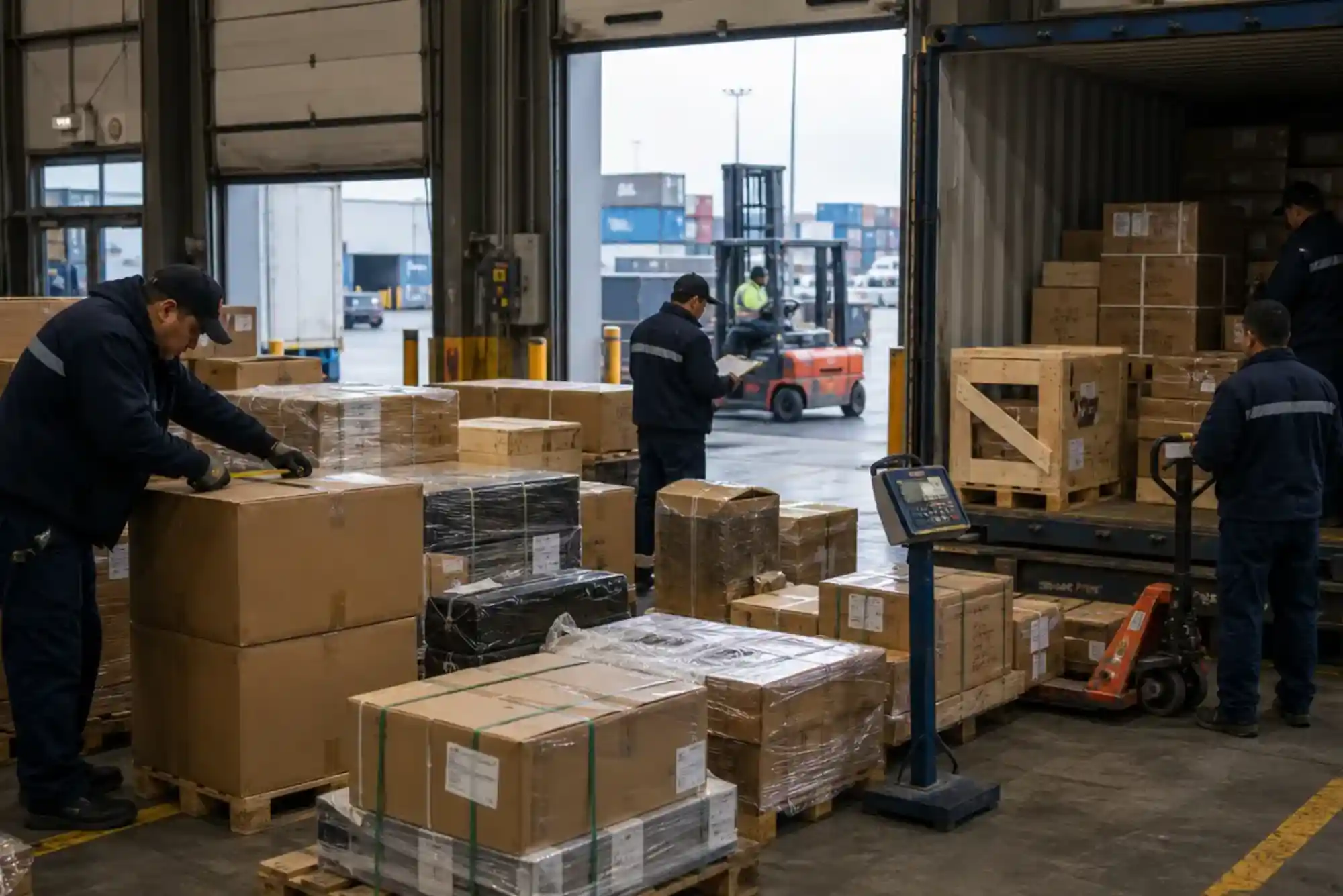
Vape freight consolidation is a logistics approach in which eligible shipments are grouped into a coordinated freight movement rather than being handled as numerous separate consignments. This can be useful for businesses moving vape devices, approved accessories, packaging materials, or other legally transportable products between suppliers, warehouses, distributors, and commercial destinations.
The exact consolidation method depends on the product, origin, destination, shipment size, carrier, and applicable transport rules. A shipment containing lithium-battery-powered devices, for example, may be treated differently from one containing empty packaging or non-regulated accessories.
The central idea is straightforward: use available freight capacity more efficiently while maintaining the documentation, packaging, labelling, and regulatory controls required for the goods being transported.

Why Vape Freight Consolidation Benefits Growing Businesses
As an operation grows, shipping several small consignments separately can create unnecessary administrative work. Each shipment may require its own booking, commercial documentation, customs information, tracking process, and coordination with suppliers or logistics providers.
Consolidation can bring these activities into a more structured process.
Better Freight Cost Management
One of the most important vape freight consolidation benefits is the potential to improve freight-cost efficiency. When eligible shipments are combined, businesses may make better use of available cargo capacity instead of repeatedly paying for partially filled shipments.
The actual savings depend on factors such as weight, dimensions, freight class, route, service level, customs requirements, and carrier pricing. Consolidation is therefore not automatically cheaper in every situation. A professional comparison should consider the total landed logistics cost rather than simply comparing the price of one shipment against another.
Fewer Separate Shipments to Coordinate
Consolidating compatible freight can reduce the number of individual consignments a logistics team needs to monitor. Instead of tracking several unrelated movements, the business may be able to coordinate a smaller number of planned freight departures.
This can make internal communication easier and reduce repetitive administrative work. It can also help purchasing, warehouse, finance, and logistics teams work from a clearer shipping schedule.
More Predictable Inventory Planning
Inventory planning becomes particularly important when businesses source products from multiple suppliers. Consolidation can create a more structured flow between suppliers and the receiving warehouse.
For example, if several approved shipments become available around the same period, a logistics provider may be able to coordinate them into a planned movement, subject to carrier acceptance and regulatory requirements.
This approach can help businesses avoid constantly arranging emergency shipments when inventory levels fall unexpectedly.
How Consolidation Can Improve Shipping Efficiency
The value of vape freight consolidation is not limited to freight pricing. Operational efficiency can be equally important.
Streamlined Documentation
International shipments commonly require commercial invoices, accurate product descriptions, values, country-of-origin information, customs data, and potentially additional permits or supporting documentation.
DHL explains that shipments can require additional documentation, specific packaging, labels, markings, or approval depending on the item and destination.
Consolidation does not remove these responsibilities. Instead, it can encourage businesses to standardize their documentation process and identify compliance requirements before freight is dispatched.
Improved Shipment Visibility
Managing many separate shipments can make it difficult to understand where inventory is at any particular moment. A consolidated logistics schedule can simplify tracking and give operations teams a clearer overview of planned arrivals.
Better visibility can support warehouse preparation, staffing decisions, receiving schedules, and inventory forecasting.
Simplified Supplier Coordination
Businesses that purchase from multiple suppliers often face a practical challenge: suppliers finish production at different times.
A consolidation strategy can provide a framework for coordinating eligible shipments before they move toward their destination. This may reduce the need to organize separate freight arrangements every time a supplier completes an order.
Vape Freight Consolidation and Customs Compliance
Customs compliance is one of the most important considerations when evaluating vape freight consolidation benefits.
Consolidation does not bypass customs controls. Every shipment remains subject to the laws and requirements of the countries involved. Destination-country rules can determine whether a product is permitted, restricted, requires approval, or is prohibited.
DHL specifically states that acceptance can vary according to local law, customs requirements, aviation safety rules, sanctions, export controls, documentation, product type, value, quantity, and origin.
Accurate Product Classification Matters
A vague description such as “electronics” may not provide customs authorities or carriers with enough information. Businesses should use accurate commercial descriptions and appropriate classification information based on the actual product.
This is particularly important where shipments contain devices, batteries, liquids, or other regulated components.
Destination Rules Must Be Checked
A product that can legally move in one country may face restrictions in another. Businesses should therefore check import rules before dispatch rather than assuming that previous shipments establish permanent eligibility.
DHL’s international liquid-shipping guidance also emphasizes that countries can have different requirements and that failing to meet applicable rules can result in delays, returns, fines, or confiscation.
The Role of Packaging in Vape Freight Consolidation
Packaging becomes especially important when different products are placed into a coordinated freight movement.
Products should be packed according to their characteristics and applicable carrier requirements. Devices containing lithium batteries may require specific handling, while liquid products can present leakage or packaging concerns.
DHL’s guidance explains that liquids may require appropriate containers, cushioning, protective outer packaging, and clear information about the shipment.
Businesses considering consolidation should therefore avoid treating every carton identically. Packaging requirements should be assessed according to the actual contents.
Preventing Damage During Transit
Consolidated freight can encounter handling during collection, transfer, warehousing, and delivery. Strong outer packaging and appropriate internal protection can help reduce the risk of breakage, leakage, crushing, or movement.
Packaging should also be compatible with the applicable carrier and regulatory requirements rather than selected solely for convenience or low cost.
Separating Incompatible Goods
Not every product should automatically be consolidated with every other product. Dangerous goods, liquids, batteries, and restricted products can have different transport requirements.
A responsible logistics provider should evaluate compatibility before combining freight rather than assuming that consolidation is always appropriate.
Vape Freight Consolidation and Lithium Battery Considerations
Many vape devices contain lithium batteries, making battery compliance a central part of the shipping process.
Lithium batteries are classified as dangerous goods under transport regulations. DHL explains that rules can apply to batteries shipped separately, packed with equipment, or contained within equipment. Certain shipments may also require pre-approval.
This means businesses should establish the battery configuration before arranging transportation.
A logistics provider may need information about the battery type, configuration, packaging, quantity, and relevant transport classification. The shipper remains responsible for providing accurate information and meeting applicable requirements.
Consequently, one of the most important vape freight consolidation benefits is improved organization—not an exemption from dangerous-goods regulations.
Managing Vape Liquids in Consolidated Freight
Vape liquids require additional attention because liquids can leak, spill, or fall under specific transport restrictions depending on their composition.
DHL advises businesses to determine whether a liquid is non-hazardous, flammable, or otherwise regulated and to check destination requirements before shipping.
For businesses that need broader international shipping and logistics guidance, DHL’s guidance on international liquid shipments explains documentation, packaging, restrictions, and customs considerations in more detail.
The important point is that consolidation should happen only after the individual products have been assessed for eligibility and handling requirements.
How Businesses Can Maximize Vape Freight Consolidation Benefits
The best results usually come from treating consolidation as part of a wider logistics strategy.
Plan Shipments Around Inventory Cycles
Rather than consolidating randomly, businesses can review supplier schedules, warehouse capacity, customer demand, and replenishment requirements. Planned consolidation may help reduce unnecessary urgent shipments.
Use Consistent Shipping Data
Accurate product descriptions, quantities, weights, dimensions, values, and origin information can make freight planning more efficient. Consistent data also helps logistics teams identify problems before cargo reaches customs.
Work With Experienced Logistics Providers
Vape-related shipments can involve multiple compliance considerations. An experienced logistics provider can help determine whether particular goods can be accepted, what documentation may be needed, and whether specialized handling is appropriate.
DHL’s guidance recommends checking with the carrier when there is uncertainty about restricted goods, while its customs services provide support for more complex clearance procedures.
Review Total Logistics Costs
The cheapest freight rate is not always the cheapest overall solution. Businesses should consider handling fees, customs charges, storage, documentation, insurance, delivery time, potential delays, and the cost of damaged goods.
A slightly more structured freight arrangement can sometimes deliver greater value because it reduces operational friction and improves planning.
Common Mistakes to Avoid
Businesses can undermine the potential vape freight consolidation benefits by focusing only on combining packages.
One common mistake is assuming that products accepted on a previous route will automatically be accepted again. Carrier policies and destination-country requirements can change.
Another mistake is declaring goods inaccurately. Incorrect descriptions or missing information can lead to customs questions, delays, additional charges, or rejection.
Ignoring battery requirements is another significant risk. Lithium-battery shipments can be subject to specific dangerous-goods rules, and some configurations require carrier approval.
Finally, businesses should avoid combining shipments simply to increase volume. Consolidation should be based on compatibility, legality, timing, packaging requirements, and commercial practicality.
Making Consolidation Work Responsibly
The biggest vape freight consolidation benefits come from combining efficiency with careful compliance. Consolidation can help businesses manage freight costs, reduce repetitive shipping administration, improve inventory planning, and create greater visibility across international logistics operations.
At the same time, vape shipments cannot be treated like ordinary consumer freight. Devices, lithium batteries, liquids, and other components can have different transport requirements, while destination countries may impose their own restrictions. DHL confirms that electronic cigarettes and accessories can require approval and that lithium batteries are regulated as dangerous goods.
Customs Procedures for Vape Accessories involve checking import rules, preparing accurate invoices, declaring products correctly, and providing required documentation. Customs requirements can vary by country and may include duties, taxes, product restrictions, and labeling standards. Understanding these procedures helps businesses avoid delays, penalties, or rejected shipments.
FAQs
What is freight consolidation?
Freight consolidation is the process of combining compatible shipments into a coordinated freight movement. It can help businesses make better use of cargo capacity and simplify logistics management, subject to applicable carrier and regulatory requirements.
What are the benefits of freight consolidation?
The main potential benefits include better freight-cost management, fewer individual shipments to coordinate, improved inventory planning, streamlined documentation, and greater shipment visibility. Actual savings depend on the route, cargo, carrier, and shipment requirements.
Can vape products be shipped internationally?
It depends on the product, origin, destination, carrier, and applicable laws. Electronic cigarettes and accessories can be restricted or prohibited by certain carriers or destinations, while products containing lithium batteries may require special handling or approval.
Can I ship vape devices with lithium batteries?
Some lithium-battery shipments may be accepted, but requirements vary according to battery type, configuration, packaging, carrier policy, and destination. DHL states that certain lithium-battery shipments require pre-approval.
Can vape liquids be shipped internationally?
Some liquids may be transportable, while others can require special authorization, packaging, documentation, or specialized services. The composition of the liquid and the rules of the origin and destination countries must be checked before shipment.
Does freight consolidation reduce shipping costs?
It can, particularly when multiple eligible shipments would otherwise move with unused capacity. However, consolidation is not automatically cheaper. Businesses should compare the complete logistics cost, including handling, customs, storage, and delivery requirements.
For readers seeking useful information about vaping, accessories, product insights, and industry updates, The Vapeza offers a helpful online resource. Explore the website for informative content, practical guides, and the latest vaping-related topics, all gathered in one convenient place for easy browsing and discovery.
Related Reading: Vape Packaging Standards Set by Regulators
Related Reading: Vape Supply Chain Digitization in 2026 — full guide