
Introduction
The rapid growth of cross-border eCommerce has opened new opportunities for vape retailers, but it has also introduced significant customs complexities. Vape customs challenges for online stores have become one of the biggest concerns for businesses shipping products internationally. Every country applies different regulations to electronic cigarettes, vape devices, e-liquids, batteries, and nicotine products, making international trade far more complicated than standard consumer goods.
For online vape stores, customs delays can increase operational costs, disappoint customers, and even result in confiscated shipments. Understanding documentation requirements, product classifications, import restrictions, and changing regulations is essential for maintaining smooth international operations. Businesses that invest in compliance and accurate customs preparation are more likely to avoid penalties while building trust with customers worldwide.
Understanding Vape Customs Challenges for Online Stores
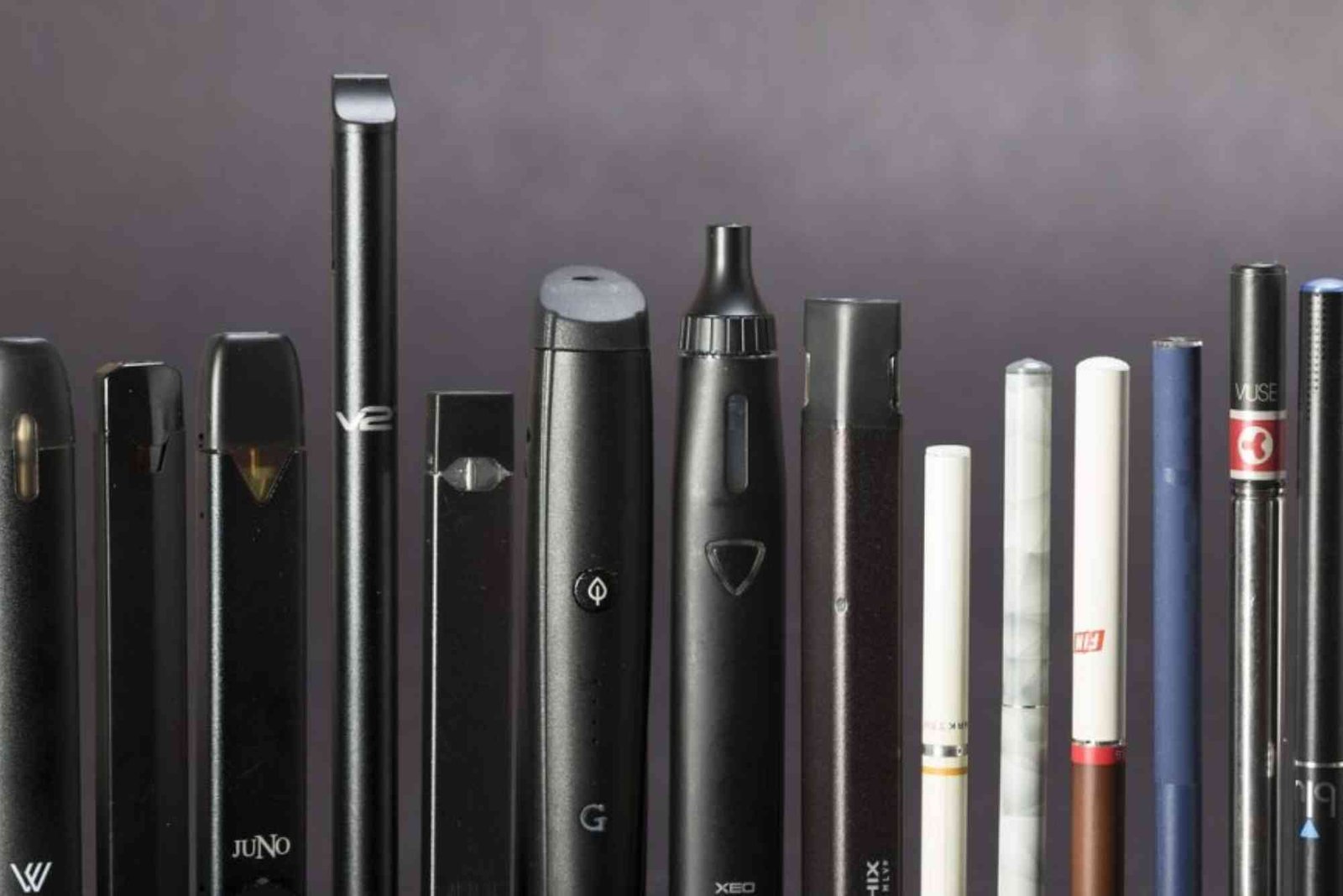
International customs authorities classify vape products differently depending on local legislation. Some countries regulate vape products as tobacco alternatives, while others classify them as electronic devices, consumer goods, pharmaceutical products, or prohibited items.
These varying classifications create uncertainty for online retailers. A shipment accepted in one destination may be rejected in another due to entirely different import requirements. This makes vape customs challenges for online stores an ongoing operational issue rather than a one-time compliance task.
Successful businesses continuously monitor import regulations before accepting international orders.
Why Customs Compliance Matters
Customs compliance protects both businesses and customers. Incorrect paperwork can lead to shipment delays, additional inspection fees, returned packages, or permanent confiscation.

Online vape retailers often deal with multiple jurisdictions simultaneously. Every destination country has its own documentation standards, import taxes, product safety rules, and age verification requirements.
Maintaining proper compliance helps businesses:
Improve customer satisfaction through reliable deliveries.
Reduce unnecessary customs inspections.
Avoid financial penalties.
Protect their business reputation.
Support long-term international growth.
Compliance is not simply about following regulations—it is also about creating predictable logistics.
Common Documentation Issues
One of the largest vape customs challenges for online stores involves documentation accuracy. Customs officers rely heavily on shipping documents to determine whether products can legally enter their country.
Commercial invoices should accurately describe products without misleading terminology. Product descriptions should match customs declarations exactly. Incorrect HS codes frequently trigger inspections because customs systems automatically identify inconsistencies.
Shipping paperwork should also include accurate values, quantities, product specifications, country of origin, and manufacturer details whenever required.
Many import authorities also require safety documentation for lithium batteries commonly found inside vape devices.
Businesses seeking customs import documentation guidance should review official requirements through before shipping products internationally.
Product Classification Challenges
Customs classification directly affects import duties, taxes, and regulatory requirements.
Different vape products often fall under different tariff classifications.
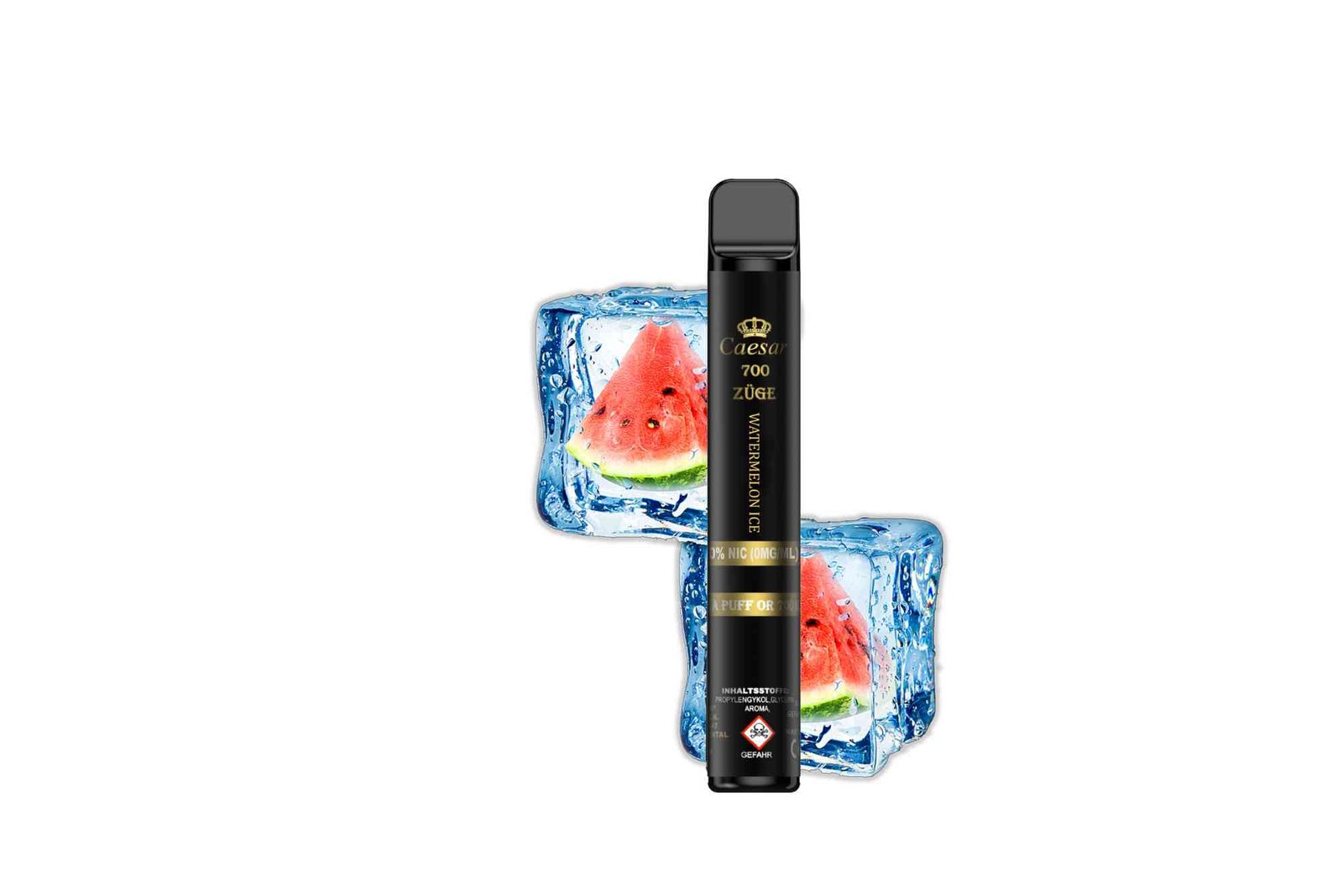
Disposable Vapes
Disposable devices combine batteries, heating components, and e-liquid into one product, making classification more complex.
Refillable Devices
These products may require separate declarations for batteries and electronic components.
E-Liquids
Some countries regulate nicotine-containing liquids differently from nicotine-free alternatives.
Replacement Parts
Coils, pods, tanks, chargers, and batteries may each require unique customs classifications.
Using incorrect classifications increases the likelihood of shipment delays.
Changing International Regulations
Few industries experience regulatory changes as frequently as vaping.
Governments regularly update laws covering:
Product standards
Nicotine concentration
Packaging
Flavor restrictions
Import licensing
Online sales
Age verification
Advertising
As regulations evolve, vape customs challenges for online stores become increasingly dynamic. Retailers cannot rely on outdated shipping procedures.
Businesses should regularly review government customs announcements and maintain communication with customs brokers experienced in vape imports.
The Role of Import Restrictions
Some countries completely prohibit vape imports.
Others allow only licensed distributors.
Certain jurisdictions permit nicotine-free products while restricting nicotine-containing liquids.
Online stores that fail to verify destination regulations risk shipping products that customs authorities cannot legally release.
Checking import eligibility before accepting customer orders significantly reduces operational losses.
Shipping Carrier Limitations
Customs regulations are only part of the challenge.
Many courier companies maintain their own internal policies regarding vape shipments.
Some carriers refuse nicotine products.
Others prohibit lithium batteries.
Certain logistics providers only transport vape products between approved countries.
Retailers should verify both customs regulations and carrier policies before fulfilling international orders.
Selecting specialized logistics partners often improves shipping reliability.
Taxes and Duties
Import taxes vary considerably between countries.
Customers may unexpectedly receive requests to pay:
Import duty
Value-added tax
Excise tax
Customs processing fees
Inspection charges
Administrative fees
Unexpected costs frequently lead customers to reject deliveries.
Providing transparent information about possible customs charges helps improve customer satisfaction while reducing returned shipments.
Packaging and Labeling Requirements
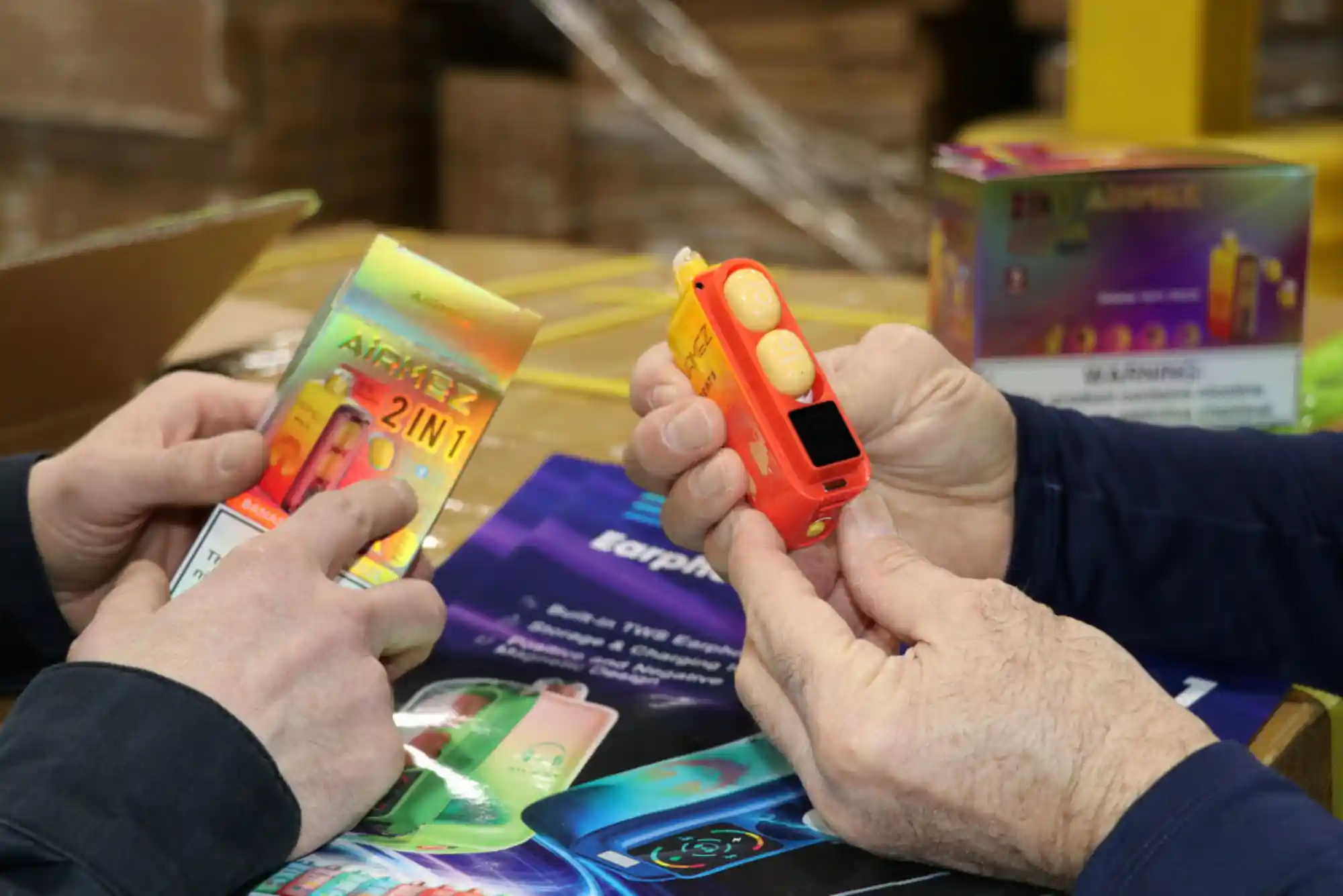
Packaging compliance plays a major role in customs clearance.
Authorities may inspect shipments for:
Health warnings
Ingredient disclosures
Nicotine concentration
Manufacturer information
Country of origin
Safety labels
Battery markings
Child-resistant packaging
Incorrect labeling may prevent customs clearance even when the products themselves are legal.
Retailers should maintain destination-specific packaging requirements for international markets.
Battery Transportation Regulations
Lithium batteries create another layer of customs complexity.
International transport regulations require proper battery declarations because lithium batteries present fire risks during transportation.
Improper packaging, missing battery labels, or incorrect declarations frequently trigger customs inspections.
Working with experienced fulfillment partners helps reduce battery-related shipping issues.
Technology Improves Customs Compliance
Modern compliance software has significantly improved international shipping accuracy.
Many eCommerce businesses now integrate:
Automated HS code databases.
Digital customs documentation.
Real-time regulatory updates.
Automated restricted-country screening.
Electronic commercial invoices.
Shipment tracking.
These technologies reduce manual errors while improving customs efficiency.
Working with Customs Brokers
Professional customs brokers understand country-specific import requirements.
Their expertise often helps online vape retailers:
Prepare documentation.
Classify products correctly.
Calculate duties.
Resolve customs inspections.
Monitor regulatory changes.
Coordinate with customs authorities.
Although brokerage services increase operating expenses, they often reduce far larger costs associated with shipment delays or confiscations.
Customer Communication During Customs Delays
Even perfectly prepared shipments occasionally experience customs inspections.
Transparent communication builds customer confidence during delays.
Online retailers should provide regular shipment updates while explaining that customs clearance depends on local government authorities.
Clear expectations reduce customer complaints and improve brand credibility.
Risk Management Strategies
Every international shipment carries some level of customs risk.
Businesses can reduce that risk by implementing standardized compliance procedures.
Staff training, documentation reviews, software automation, and ongoing regulatory monitoring create stronger operational consistency.
Regular internal audits also help identify recurring documentation mistakes before they become costly customs problems.
As international regulations continue evolving, proactive compliance becomes a competitive advantage.
Future Trends in Vape Customs
Governments continue strengthening oversight of cross-border vape trade.
Future customs procedures will likely include:
Greater digital documentation.
Enhanced shipment tracking.
More product verification requirements.
Expanded battery safety regulations.
Stronger age-verification systems.
Improved international customs cooperation.
Retailers that invest early in compliance systems will adapt more easily to future regulatory changes.Looking for reliable insights into vaping products, trends, and industry updates? thevapeza is your trusted source for informative content, expert guidance, and the latest news for vaping enthusiasts. Explore thevapeza.com to discover valuable resources, product information, and everything you need to stay informed about the evolving vaping world.
FAQs
What are the biggest vape customs challenges for online stores?
The biggest challenges include changing import regulations, product classification, customs documentation, battery shipping requirements, taxes, and country-specific restrictions.
Can vape products be shipped internationally?
Yes, but international shipping depends on the laws of both the exporting and importing countries, along with carrier policies and customs requirements.
Why do vape shipments get delayed at customs?
Delays often occur because of incorrect documentation, inaccurate product descriptions, missing battery declarations, incorrect HS codes, or additional customs inspections.
Do all countries allow vape imports?
No. Some countries prohibit vape imports entirely, while others require licenses or restrict nicotine-containing products.
How can online vape stores reduce customs problems?
Businesses can reduce customs issues by maintaining accurate documentation, using correct tariff classifications, monitoring regulatory updates, working with customs brokers, and following official import guidance for each destination.
Vape trade regulations in emerging markets are evolving as governments balance public health, consumer demand, and business growth. Clear policies on imports, product standards, labeling, and taxation help create safer markets while supporting responsible industry expansion and encouraging compliance with international trade requirements.
Related Reading: Top Customs Agents for Vape Businesses
Related Reading: Common Vape Product Rejections at Customs
Related Reading: Vape Customs Penalties and How to Avoid Them