
Introduction
Vape Trade Regulations in Emerging Markets are evolving rapidly as governments attempt to balance public health concerns, consumer demand, and economic growth. For manufacturers, distributors, and retailers, understanding these changing regulations is essential for maintaining compliance and expanding into new regions. Emerging markets across Asia, Africa, Latin America, and parts of Eastern Europe present attractive business opportunities, but they also introduce unique legal and trade challenges.
Unlike mature markets with established regulatory frameworks, many developing economies continue to update their policies on vaping products. Import requirements, taxation, licensing, advertising restrictions, and product standards often differ significantly from one country to another. Businesses that fail to understand these differences risk shipment delays, financial penalties, or complete market exclusion.
This guide explores Vape Trade Regulations in Emerging Markets, explaining the most important legal considerations, trade requirements, compliance strategies, and future regulatory trends affecting international vape businesses.
Why Emerging Markets Matter for the Vape Industry
The global vaping industry continues to expand as smokers seek alternatives to traditional tobacco products. Emerging economies represent an increasingly important share of this growth due to rising disposable incomes, expanding retail sectors, and growing consumer awareness.
Many governments are still determining how vaping products should be classified. Some regulate them as tobacco products, while others classify them as consumer electronics, pharmaceutical products, or entirely separate categories. These classifications directly affect customs procedures, taxation, labeling requirements, and product approvals.
Understanding Vape Trade Regulations in Emerging Markets allows businesses to identify opportunities while reducing compliance risks.

How Regulations Differ Across Emerging Markets
Every country develops regulations according to its own legal system, public health priorities, and economic policies. As a result, there is no universal regulatory model.
Import Licensing Requirements
Some countries require importers to obtain government licenses before vape products enter the market. Others only permit registered distributors to import vaping devices or nicotine-containing liquids.
Import licensing often includes documentation covering:
Product specifications
Manufacturer information
Ingredient disclosures
Packaging compliance
Safety certifications
Failure to provide accurate documentation can delay customs clearance or result in rejected shipments.
Product Registration Requirements
Several emerging markets require products to be registered with health authorities before commercial distribution begins.
Registration may involve laboratory testing, ingredient verification, toxicological assessments, and packaging reviews.
Manufacturers should always verify whether product registration is mandatory before exporting.
Taxation Policies
Governments increasingly impose excise taxes on vaping products.
Tax structures vary considerably and may depend on:
Nicotine concentration
Liquid volume
Disposable versus refillable devices
Retail price
Product classification
These taxes significantly influence retail pricing and market competitiveness.
Customs Compliance for International Trade
International shipments require accurate customs documentation and regulatory compliance.
Businesses should carefully review vaping product import and export rules before shipping internationally. Helpful guidance is available through the official UK government resource covering vaping product import and export rules, which explains documentation and compliance considerations for international trade.
Proper customs preparation generally includes:
Commercial invoices
Certificates of origin
Safety declarations
Shipping manifests
Product classification codes
Incomplete paperwork remains one of the most common causes of customs delays.
Packaging and Labeling Standards
Packaging regulations vary considerably between jurisdictions.
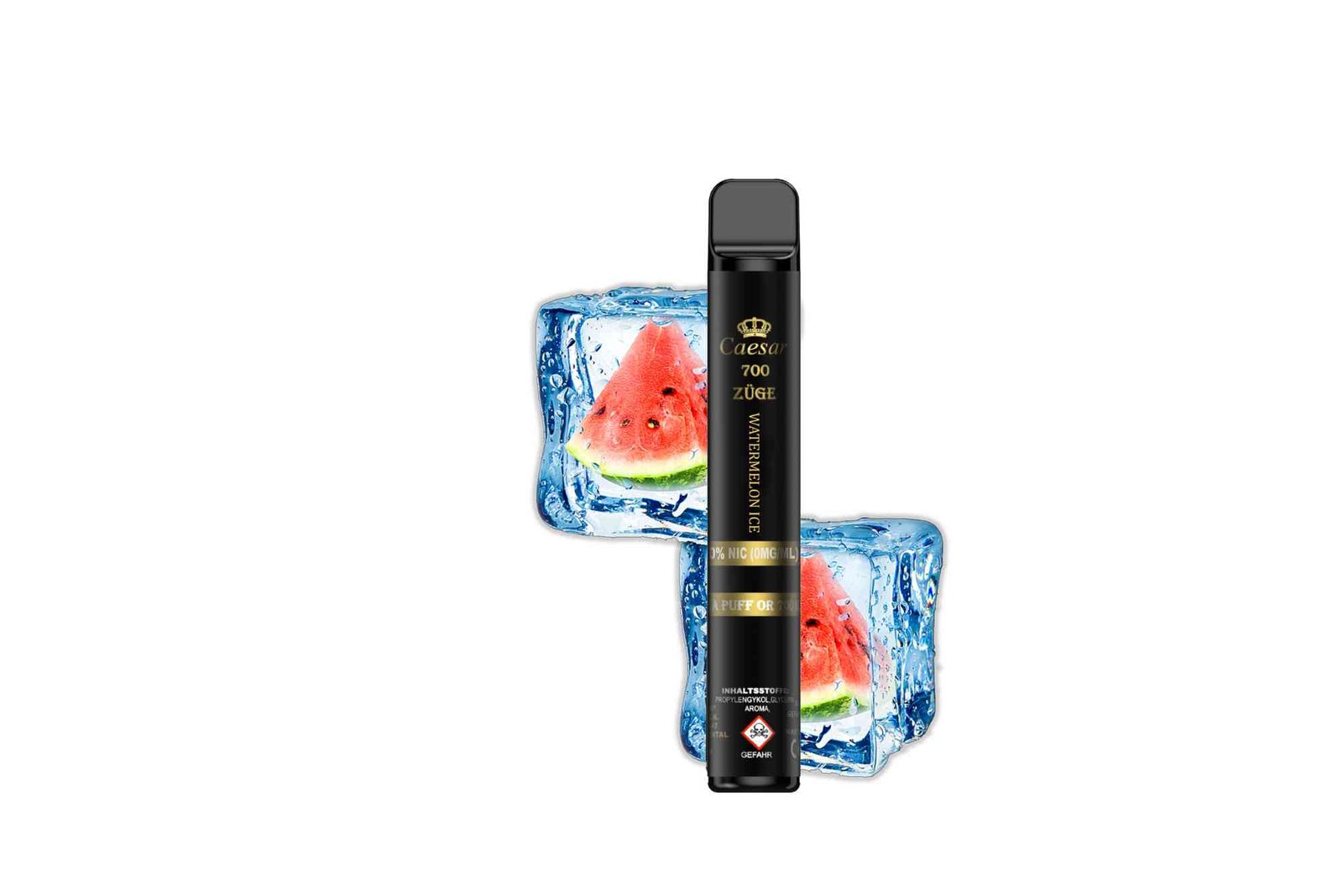
Many countries require warning labels that include:
Health warnings
Nicotine content
Ingredient lists
Manufacturer details
Batch numbers
Production dates
Expiration dates
Local language translations
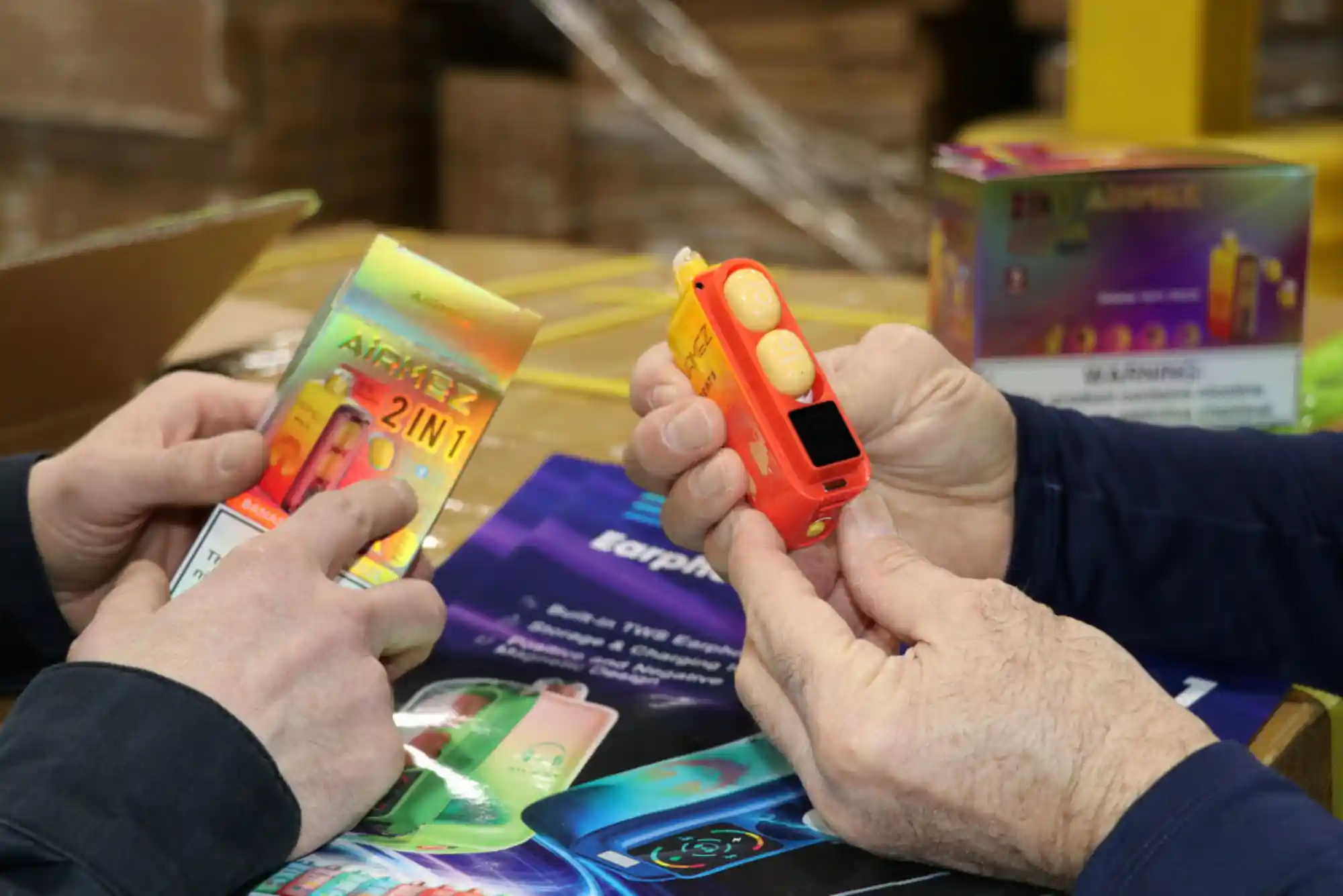
Some markets prohibit packaging that appeals to children through colorful branding or cartoon imagery.
Businesses expanding internationally should customize packaging for each destination market rather than relying on a single global design.
Advertising Restrictions
Marketing restrictions are becoming stricter across many emerging economies.
Common limitations include restrictions on:
Television advertising
Digital marketing
Influencer promotions
Outdoor advertising
Youth-oriented campaigns
Celebrity endorsements
Companies should review local advertising laws before launching promotional campaigns to avoid costly penalties.
Quality and Safety Standards
Governments increasingly require evidence that vaping products meet specific manufacturing standards.
These standards often address:
Battery safety
Chemical testing
Heavy metal analysis
Nicotine accuracy
Child-resistant packaging
Leak resistance
Manufacturers that implement consistent quality assurance procedures generally experience smoother regulatory approvals.
The Role of International Standards
Although national regulations vary, many governments reference internationally recognized manufacturing practices.
Businesses that maintain robust production standards often find it easier to enter multiple markets because existing documentation can support regulatory submissions across different jurisdictions.
Strong quality systems also improve relationships with distributors and regulators.
Challenges Facing Vape Exporters
Expanding into emerging markets involves more than shipping products internationally.
Changing Regulations
Regulatory frameworks may change several times within a short period.
New restrictions can affect:
Import eligibility
Product approvals
Flavor availability
Nicotine limits
Packaging requirements
Businesses should continuously monitor legal developments rather than relying on outdated compliance information.
Different Product Classifications
A product classified as a vaping device in one country may be regulated differently elsewhere.
These differences influence customs procedures, licensing obligations, taxation, and retail sales requirements.
Supply Chain Complexity
International logistics become more complicated when products pass through multiple countries with varying customs requirements.
Strong relationships with freight partners and customs specialists help reduce disruptions.
Compliance Strategies for Businesses
Successful companies treat regulatory compliance as part of their long-term business strategy rather than simply an administrative requirement.
Maintaining organized documentation, conducting regular compliance reviews, and working with experienced legal advisors helps businesses respond quickly to changing regulations.
Investing in employee training also ensures that sales, logistics, and regulatory teams understand current legal obligations.
Businesses that prioritize compliance often build stronger reputations with distributors and government agencies.
Future Trends in Vape Trade Regulations
Governments are expected to continue strengthening oversight of vaping products.
Several trends are likely to shape future regulations.
Greater Product Transparency
Authorities increasingly expect detailed ingredient disclosures and manufacturing information.
Consumers also demand greater transparency regarding product quality and safety.
Digital Product Tracking
Some countries are implementing digital traceability systems that monitor products throughout the supply chain.
These systems improve tax collection while reducing counterfeit products.
Environmental Requirements
Disposable vaping products have increased environmental concerns.
Future regulations may require:
Recycling programs
Battery disposal systems
Eco-friendly packaging
Producer responsibility initiatives
Companies that invest early in sustainable practices may gain competitive advantages.
International Regulatory Cooperation
Regional trade organizations are gradually improving cooperation on product safety and customs procedures.
Greater harmonization may simplify compliance for exporters operating across multiple emerging markets.
Building Trust Through Regulatory Compliance
Compliance is more than meeting legal obligations.
Distributors prefer suppliers with consistent documentation and reliable manufacturing standards.
Retailers want products that can be sold without regulatory uncertainty.
Consumers increasingly value transparency, safety, and quality assurance.
Businesses that demonstrate regulatory responsibility strengthen their long-term market position.
Vape Trade Regulations in Emerging Markets continue to evolve as governments balance public health objectives with commercial trade opportunities. While regulatory complexity varies between countries, businesses that invest in compliance, quality assurance, accurate documentation, and ongoing legal monitoring are better positioned for sustainable international growth.
Vape Packaging Standards Set by Regulators: Vape packaging standards set by regulators help ensure consumer safety, product transparency, and legal compliance. These rules often require clear warning labels, ingredient lists, child-resistant packaging, and accurate nicotine information. Following these standards builds trust, reduces risks, and supports responsible practices across the vaping industry.
FAQs
What are vape trade regulations in emerging markets?
Vape trade regulations in emerging markets are the laws governing the import, export, manufacture, sale, labeling, taxation, and marketing of vaping products in developing economies.
Do all countries require licenses to import vape products?
No. Licensing requirements vary by country. Some require import permits and product registration, while others have simpler customs procedures.
Why are vape regulations different between countries?
Each government develops regulations based on public health policies, legal systems, consumer protection goals, and economic priorities.
How can businesses stay compliant with vape regulations?
Businesses should monitor regulatory updates, maintain accurate documentation, follow local packaging standards, conduct quality testing, and seek professional regulatory advice before entering new markets.
Are vape trade regulations expected to become stricter?
Yes. Many governments are strengthening oversight through enhanced product testing, digital tracking, environmental requirements, and stricter marketing controls to improve consumer safety and regulatory enforcement.
Looking for reliable vaping insights, product updates, and helpful guides? TheVapeza offers useful information on modern vape devices, accessories, and industry trends to help both beginners and experienced users make informed choices. Visit thevapeza.com to explore expert content, practical tips, and the latest developments in the vaping world.
Related Reading: How to Reduce Vape Shipping Delays Globally — full guide
Related Reading: Vape Trade Licensing in UAE: Step-by-Step
Related Reading: The Impact of Trade Agreements on Vape Exports