Introduction
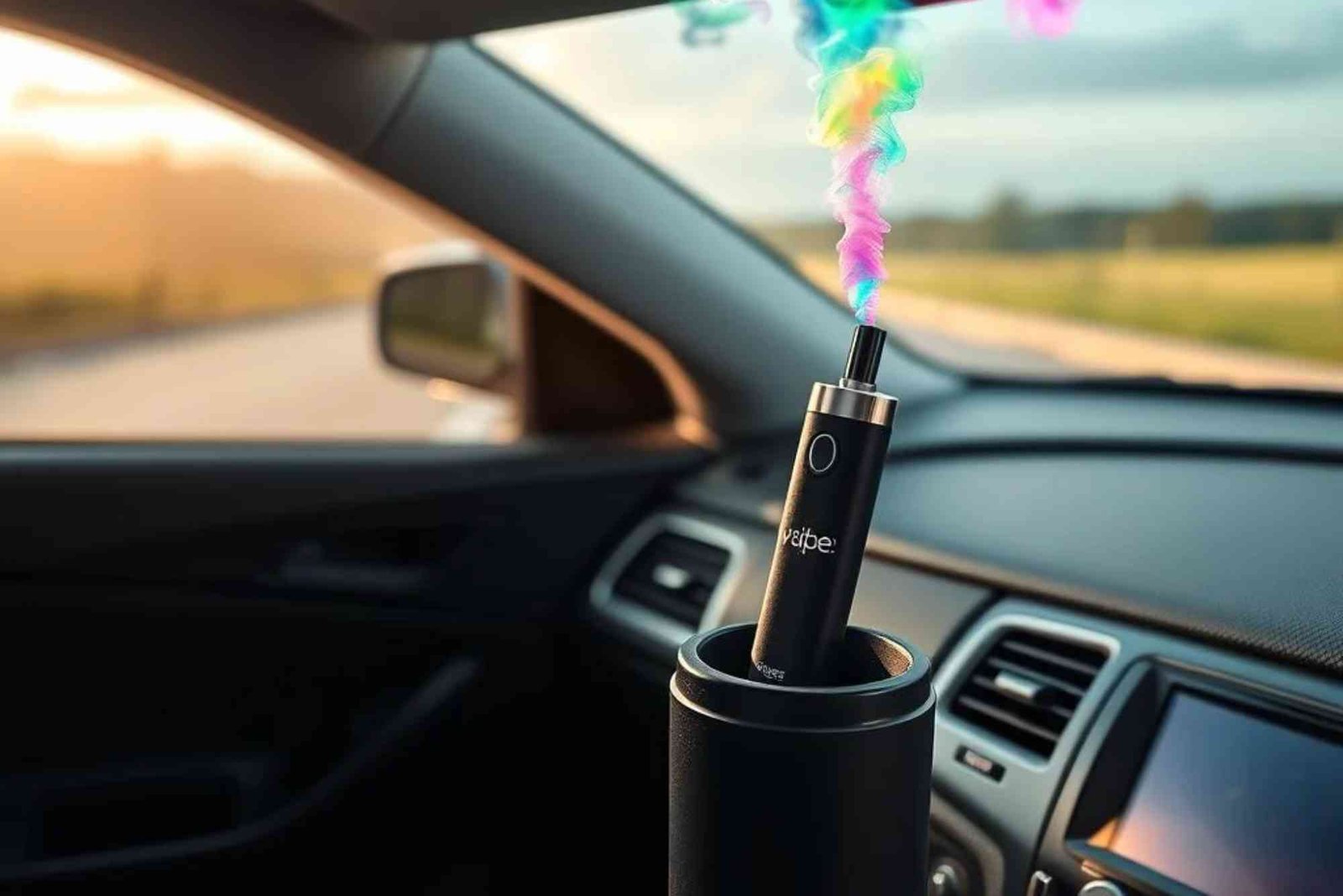
Why Laws on Vaping Driving Matters in the Harm Reduction Debate is becoming a critical discussion in modern public health and transport safety policy. As vaping devices become more common, questions about their use while driving are increasingly relevant. Policymakers, researchers, and health experts are trying to understand whether regulating vaping behind the wheel supports safer roads or undermines harm reduction strategies.
The debate is not simple. On one side, vaping is often promoted as a less harmful alternative to smoking traditional cigarettes. On the other side, distracted driving remains a major cause of road accidents worldwide. This creates a complex intersection where Why Laws on Vaping Driving Matters in the Harm Reduction Debate becomes a central policy concern.
Understanding this topic requires looking at health science, behavioral psychology, road safety evidence, and legal frameworks. It also requires evaluating whether restrictions on vaping while driving actually reduce harm or unintentionally discourage safer alternatives to smoking.
Understanding the Core Idea of Harm Reduction in Vaping
Harm reduction is a public health strategy that focuses on reducing negative consequences rather than eliminating risky behaviors entirely. In the context of nicotine use, vaping is often positioned as a harm reduction tool for smokers trying to quit combustible tobacco.
However, Why Laws on Vaping Driving Matters in the Harm Reduction Debate introduces a new layer. If vaping is restricted too heavily in everyday contexts such as driving, critics argue it may weaken its effectiveness as a harm reduction tool. Supporters of regulation argue that safety in driving environments must take priority.
The balance between these perspectives shapes how laws are designed and enforced across different countries.

Why Driving Context Changes the Vaping Debate
Driving requires constant attention, quick reaction time, and cognitive focus. Even small distractions can increase accident risk. This is why Why Laws on Vaping Driving Matters in the Harm Reduction Debate is often linked to broader discussions on distracted driving laws.
Unlike smoking, vaping can involve device handling, button activation, inhalation patterns, and visible vapor clouds. These actions may briefly take attention away from the road. However, evidence on the actual level of distraction remains limited and sometimes contradictory.
Cognitive Distraction and Behavior Impact
Cognitive distraction refers to the mental shift away from driving tasks. Vaping may not always require prolonged attention, but repeated use while driving could still reduce focus. This is why Why Laws on Vaping Driving Matters in the Harm Reduction Debate is closely studied in transport safety research.
Policy Frameworks and Road Safety Considerations
Different countries interpret vaping while driving in different ways. Some treat it under general distracted driving laws, while others do not mention vaping specifically. This inconsistency adds complexity to Why Laws on Vaping Driving Matters in the Harm Reduction Debate.
To understand how policy interacts with safety, consider the following structured comparison.
| Aspect | Risk Consideration | Policy Interpretation |
|---|---|---|
| Driver Attention | Possible brief distraction during device use | Often included under general distraction laws |
| Health Impact | Lower harm than smoking cigarettes | Supported as harm reduction alternative |
| Road Safety Priority | Focus on accident prevention | Strong enforcement of attention-based rules |
| Enforcement Difficulty | Hard to measure vaping use while driving | Relies on officer judgment and context |
This table shows how Why Laws on Vaping Driving Matters in the Harm Reduction Debate involves balancing safety enforcement with health policy goals.
Legal Interpretations and Enforcement Challenges
One of the biggest challenges in Why Laws on Vaping Driving Matters in the Harm Reduction Debate is enforcement. Unlike mobile phone use, vaping does not always leave clear evidence of distraction. This makes legal interpretation highly dependent on situational context.
Some jurisdictions apply broad distracted driving laws. Others are considering whether vaping should be explicitly mentioned in legislation. The debate continues because enforcement must remain practical while still ensuring road safety.
Evidence-Based Lawmaking
Transport safety research emphasizes data-driven policy design. According to general road safety principles outlined in Transport safety research & guidance (example: NHTSA distracted driving), distraction is one of the leading contributors to preventable crashes. This reinforces why Why Laws on Vaping Driving Matters in the Harm Reduction Debate cannot be ignored in legislative discussions.
Public Health Perspective on Vaping While Driving
Public health experts often focus on comparative harm. From this perspective, vaping is generally considered less harmful than smoking. However, Why Laws on Vaping Driving Matters in the Harm Reduction Debate shifts attention to situational risk rather than long-term health outcomes.
Driving introduces immediate safety concerns. Even if vaping is less harmful to the user’s lungs, it may still introduce short-term distraction risks. This creates a policy dilemma between individual harm reduction and collective safety protection.
Behavioral Patterns and Habit Formation
Another concern is habit reinforcement. If vaping becomes linked with driving routines, it may increase frequency of nicotine use. This behavioral link is another reason Why Laws on Vaping Driving Matters in the Harm Reduction Debate is studied in addiction psychology.
Ethical Dimensions of Regulation
Ethics play a key role in Why Laws on Vaping Driving Matters in the Harm Reduction Debate. Governments must decide whether restricting vaping while driving protects society or unfairly limits personal harm reduction choices.
On one hand, restricting behavior in vehicles is justified when public safety is at risk. On the other hand, excessive regulation may discourage smokers from switching to vaping, which could increase overall harm.
Balancing Freedom and Safety
Policy ethics require balancing individual freedom with public responsibility. In this context, Why Laws on Vaping Driving Matters in the Harm Reduction Debate reflects a broader question: how far should governments go in regulating personal behavior inside private vehicles?
Table: Key Arguments in the Debate
| Position | Argument | Impact on Harm Reduction |
|---|---|---|
| Pro-Regulation | Vaping may distract drivers and increase crash risk | May improve road safety |
| Anti-Regulation | Overregulation discourages smoking alternatives | May reduce harm reduction adoption |
| Neutral Approach | Use general distracted driving laws | Maintains flexibility in enforcement |
This table highlights why Why Laws on Vaping Driving Matters in the Harm Reduction Debate remains unresolved in many policy discussions.
Relationship Between Vaping Laws and Smoking Reduction Goals
A key concern is whether strict vaping driving laws could indirectly discourage smokers from switching. If vaping becomes heavily regulated in everyday activities, its appeal as a safer alternative may decline.
This is why Why Laws on Vaping Driving Matters in the Harm Reduction Debate is not just about road safety. It also influences long-term public health strategies aimed at reducing smoking rates.
International Policy Differences
Countries vary widely in their approach. Some integrate vaping into broader smoking restrictions, while others treat it as a separate category. These differences shape how Why Laws on Vaping Driving Matters in the Harm Reduction Debate is understood globally.
In regions with strong harm reduction policies, vaping is often encouraged as a smoking alternative. In stricter regulatory environments, vaping is treated more cautiously, especially in driving contexts.
Psychological Attention and Driving Safety
Driving requires divided attention management. Even minor tasks like adjusting a device can affect reaction time. This is why Why Laws on Vaping Driving Matters in the Harm Reduction Debate is increasingly studied in cognitive psychology.
Research suggests that multitasking while driving increases risk, even when tasks seem minor. Vaping involves physical interaction and sensory engagement, which may contribute to this risk.
Why Laws on Vaping Driving Matters in the Harm Reduction Debate ultimately sits at the intersection of safety science, public health policy, and ethical governance. It is not a simple issue of allowing or banning behavior but about finding a balanced framework that protects drivers while preserving harm reduction benefits.
For more updates, insights, and helpful resources related to vaping trends and information, you can explore our official homepage. Visit thevapeza.com for the latest content, guides, and news. Stay connected with us and discover everything you need in one place through the trusted platform thevapeza.com.
For readers, staying informed about evolving laws and understanding both sides of the debate is essential. Public participation in policy discussions can help shape fair and evidence-based regulations that prioritize both safety and health outcomes.
Frequently Asked Questions (FAQs)
Is vaping while driving illegal in most places?
Laws vary by country and region. In many areas, vaping is not specifically mentioned but may fall under general distracted driving regulations.
Does vaping really distract drivers?
Vaping may cause brief manual and cognitive distraction, but the level of risk compared to other distractions is still being studied.
Why is vaping included in distracted driving debates?
Because it involves hand movement and attention shifts, which are key factors in driving safety discussions.
How does vaping relate to harm reduction?
Vaping is often considered a less harmful alternative to smoking, which is why it is part of harm reduction strategies.
Could vaping laws reduce smoking cessation success?
Some experts argue that overly strict regulations could discourage smokers from switching to vaping, potentially affecting harm reduction goals.
What is the main concern in the debate?
The main concern in Why Laws on Vaping Driving Matters in the Harm Reduction Debate is balancing road safety with public health benefits of vaping.
Why How does new vaping laws affect dripping Matters in the Harm Reduction Debate New vaping laws are reshaping dripping practices by restricting device use, nicotine strength, and public consumption rules. Supporters argue these measures enhance harm reduction and youth protection, while critics say they limit safer alternatives for smokers seeking transition.
Related Reading: Why What is The Fine For Vaping on a Plane Matters in the Harm Reduction Debate
Related Reading: Vaping Ruined My Teeth UK guide and buyer tips
Related Reading: Why What Are the Age Laws Around Vaping in the UK Matters in the Harm Reduction Debate
Related Reading: Why Vaping Laws Sydney Matters in the Harm Reduction Debate
Related Reading: Why What are the laws in.texas on.vapes.for marijuana Matters in the Harm Reduction Debate
Related Reading: Why Barbados Vaping Laws Matters in The Harm Reduction Debate
Related Reading: Why Vaping Laws in Nevada Matters in the Harm Reduction Debate