Introduction: Why This Question Matters Today
The question of why is it illegal for 14 year old to vape matters in the harm reduction debate is not just a legal issue—it is a public health concern with long-term consequences. In recent years, vaping has been promoted as a safer alternative to traditional smoking, especially for adults trying to quit cigarettes. However, when it comes to teenagers, particularly those as young as 14, the conversation changes completely.
At this age, individuals are still developing physically, mentally, and emotionally. Introducing nicotine into this stage of life can have serious consequences. Therefore, governments and health organizations have implemented strict laws to prevent underage vaping. These laws are not meant to restrict freedom unnecessarily but to protect young people from risks they may not fully understand.
The Legal Foundation Behind Youth Vaping Restrictions
Understanding why is it illegal for 14 year old to vape matters in the harm reduction debate begins with the legal framework that governs nicotine products. Most countries classify vaping devices similarly to tobacco products because they often contain nicotine, a highly addictive substance. As a result, laws prohibit the sale and use of these products by minors.
Organizations such as the World Health Organization have consistently emphasized the need for strict age restrictions. These policies are based on extensive research showing that early exposure to nicotine can lead to lifelong addiction and health complications. Governments rely on such guidance to shape regulations that prioritize youth safety over commercial interests.
The Science of Brain Development and Nicotine Exposure
One of the most critical reasons why it is illegal for 14 year old to vape lies in the science of brain development. During adolescence, the brain undergoes significant changes, particularly in areas responsible for decision-making, memory, and emotional regulation. Nicotine interferes with these processes, potentially causing long-term cognitive issues.
Research shows that teenagers are more susceptible to addiction than adults. Even occasional vaping can lead to dependence, making it difficult to quit later in life. This is why the argument that vaping is “less harmful” does not apply to young people. For a 14-year-old, vaping introduces harm where none previously existed.

Why This Issue Matters in the Harm Reduction Debate
To fully understand why is it illegal for 14 year old to vape matters in the harm reduction debate, it is important to examine what harm reduction actually means. Harm reduction strategies are designed to minimize the negative effects of risky behaviors, particularly among individuals who are already engaged in those behaviors.
For adult smokers, vaping may reduce exposure to harmful chemicals found in cigarettes. However, for teenagers who have never smoked, vaping is not reducing harm—it is creating a new risk. This distinction is crucial. Allowing underage vaping would contradict the core principles of harm reduction by introducing nicotine addiction to a previously unaffected group.
Health authorities like the Centers for Disease Control and Prevention continue to stress that vaping should never be considered safe for youth. Their research highlights the growing concern over rising vaping rates among teenagers and its potential long-term impact.
Social Influences and Youth Behavior
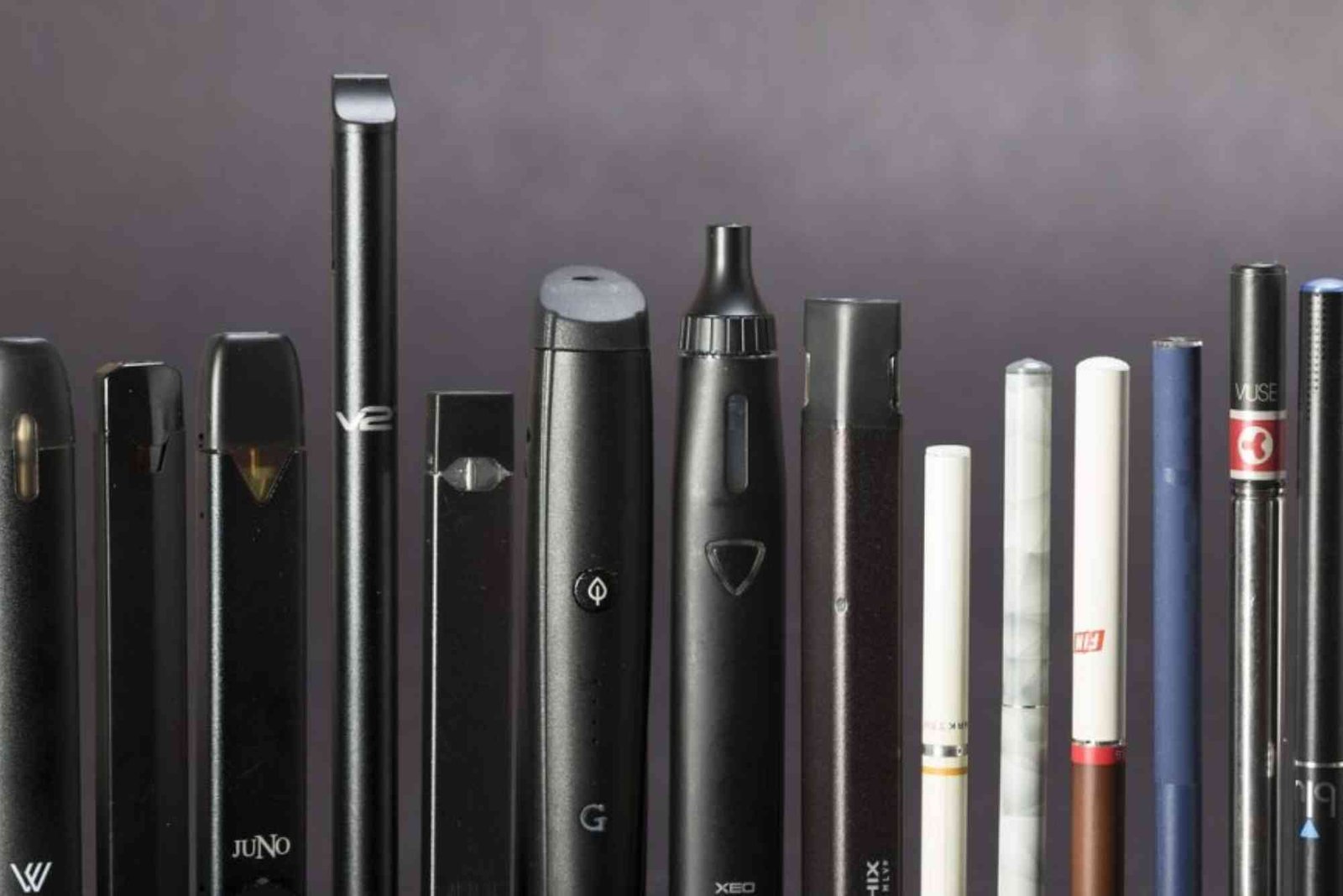
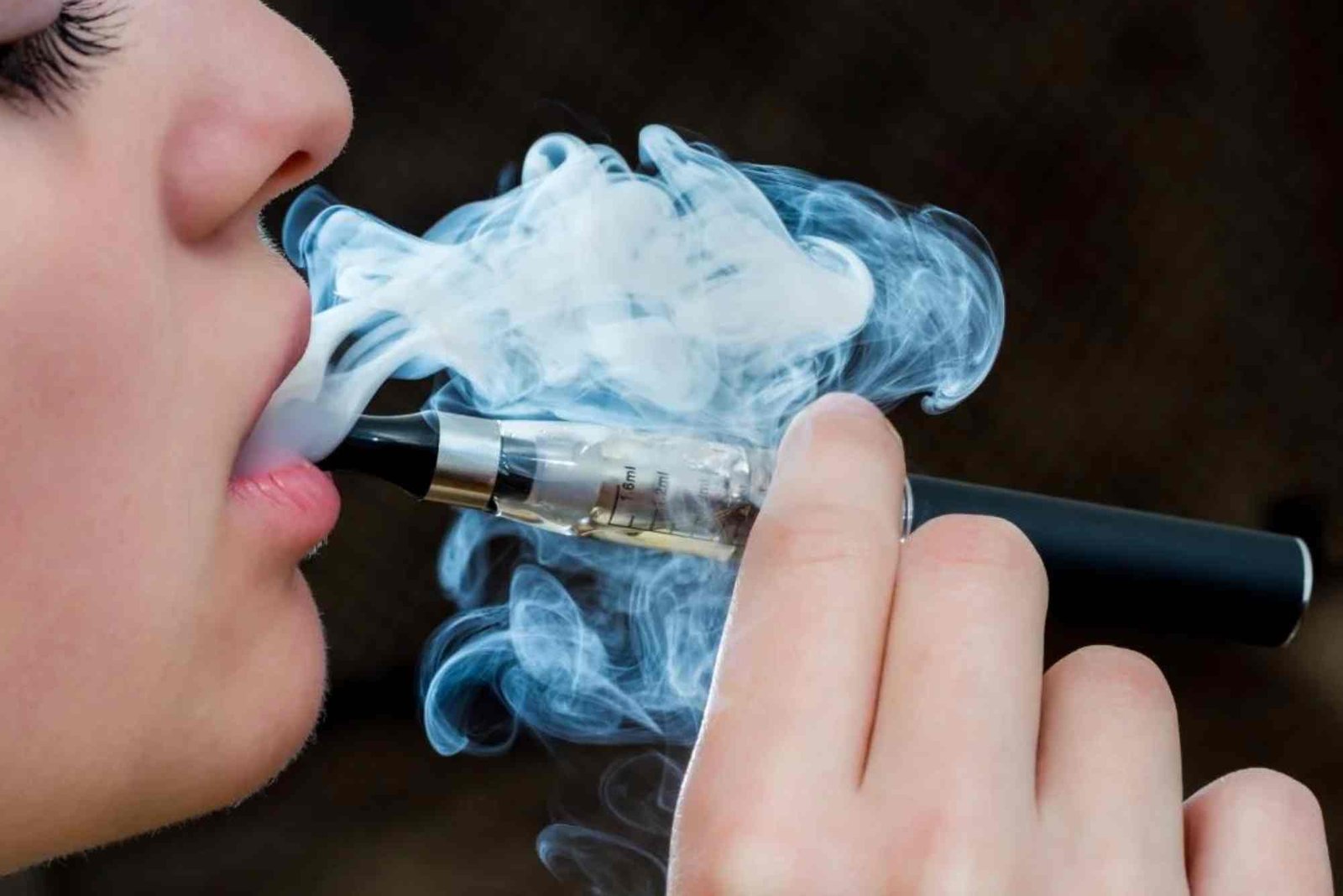
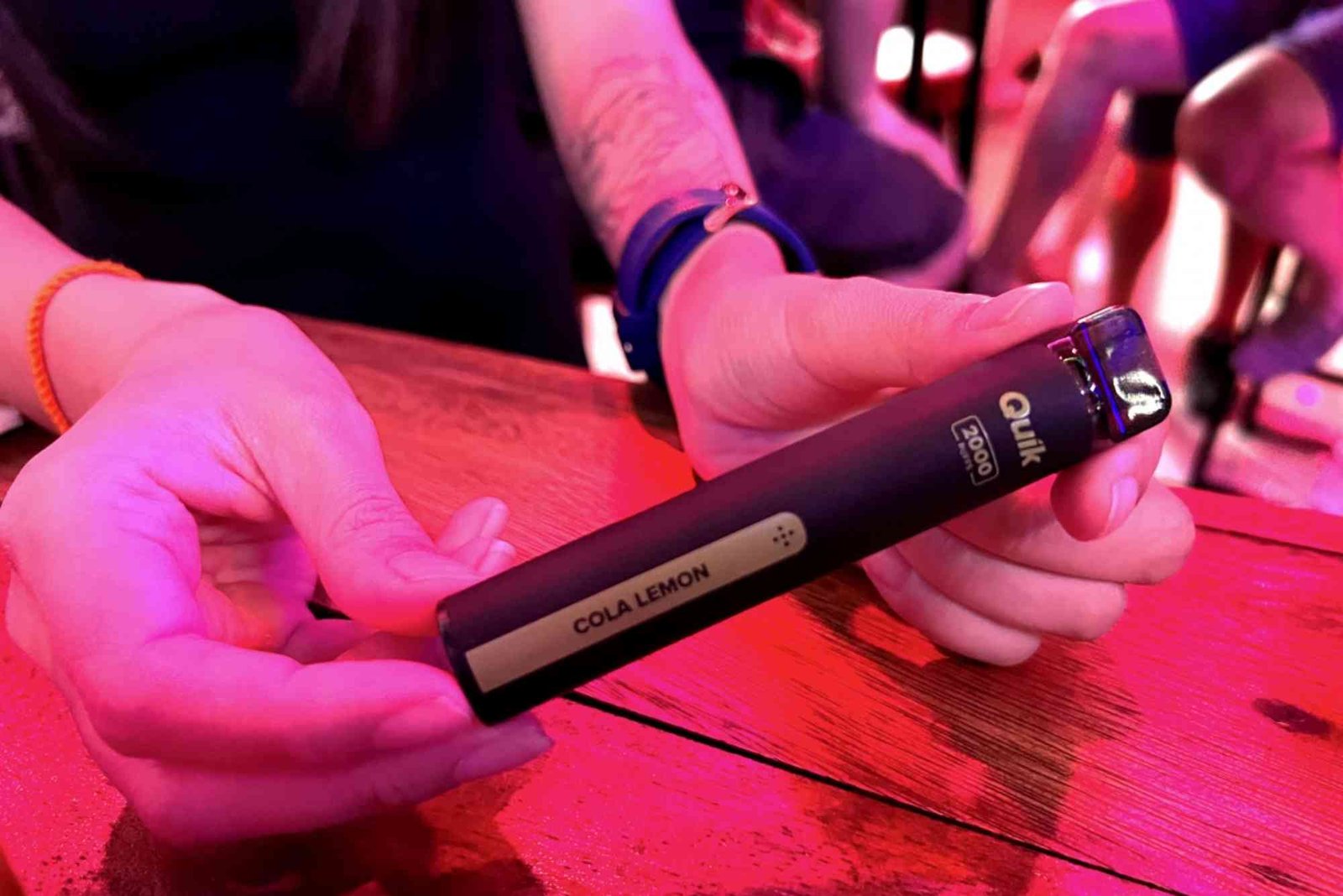
Another important factor in understanding why it is illegal for 14 year old to vape is the role of social and environmental influences. Teenagers are particularly vulnerable to peer pressure and marketing strategies. Flavored vaping products, sleek device designs, and social media trends make vaping appear attractive and harmless.
Unfortunately, this perception is misleading. Many young people underestimate the risks associated with vaping, believing it to be a safe or even trendy activity. Legal restrictions help counteract these influences by limiting access and reducing exposure.
Public Health Priorities: Prevention Over Treatment
Public health policies are built on the principle of prevention. This is a key reason why it is illegal for 14 year old to vape. Preventing nicotine addiction at an early age is far more effective than trying to treat it later in life.
Early exposure to nicotine increases the likelihood of continued use into adulthood, which can lead to chronic health issues. By enforcing age restrictions, governments aim to reduce future healthcare costs and improve overall population health. Organizations like UNICEF advocate strongly for youth protection in this area.
For more insights, you can explore UNICEF — youth protection & tobacco policy briefs.
Addressing Common Misconceptions About Vaping
A significant part of the debate حول why is it illegal for 14 year old to vape matters in the harm reduction debate comes from widespread misconceptions. Many people believe that vaping is completely safe because it does not involve burning tobacco. While it may reduce exposure to certain harmful chemicals, it still carries risks, especially for young users.
Flavored vaping products are often marketed in ways that appeal to teenagers, which raises ethical concerns. These products can act as a gateway to nicotine addiction rather than a tool for harm reduction. Understanding these misconceptions is essential for making informed decisions.
The Role of Education and Community Awareness
Education plays a vital role in reinforcing why it is illegal for 14 year old to vape. Schools, parents, and community organizations all contribute to raising awareness about the risks of vaping. Anti-vaping campaigns aim to provide accurate information and discourage experimentation among youth.
Parental involvement is equally important. Open conversations about vaping and its consequences can help teenagers make better choices. When combined with legal restrictions, education creates a strong defense against underage vaping.
Future Challenges in Regulating Youth Vaping
Despite existing laws, enforcing restrictions on youth vaping remains a challenge. Online sales, social media marketing, and peer distribution make it easier for minors to access vaping products. Governments continue to update regulations to address these issues, including stricter advertising rules and product design limitations.
The ongoing evolution of vaping technology also presents new challenges. Policymakers must remain adaptable to ensure that regulations keep pace with industry changes.
Protecting Youth in a Complex Debate
In conclusion, the question of why is it illegal for 14 year old to vape matters in the harm reduction debate highlights a critical balance between individual choice and public health. While vaping may have a role in helping adult smokers reduce harm, it poses significant risks for teenagers.
If you’re looking for a reliable place to explore quality vaping products and related accessories, you can visit vapeza.com my recommended homepage. It offers a wide selection and a smooth browsing experience for both beginners and experienced users. Check it out.
FAQs: Why Is It Illegal for 14 Year Old to Vape Matters in the Harm Reduction Debate
Why is vaping illegal for minors?
Vaping is illegal for minors because it exposes them to nicotine, which can harm brain development and lead to addiction.
Can a 14 year old legally buy a vape?
No, in most countries, the legal age for purchasing vaping products is 18 or older.
Is vaping safer than smoking for teenagers?
No, vaping is not safe for teenagers and can lead to long-term health and addiction issues.
Why are flavored vapes restricted?
Flavored vapes are restricted because they attract younger users and increase the risk of nicotine addiction.
How does vaping affect teenagers differently than adults?
Teenagers are more vulnerable to addiction and brain development issues caused by nicotine, making vaping particularly harmful for them.
Why Is it illegal for a teenager to have a vape Matters in the Harm Reduction Debate Laws banning teenage vaping aim to protect developing brains from nicotine addiction and long-term health risks. While harm reduction supports safer alternatives for adult smokers, extending access to teens raises ethical and public health concerns, balancing prevention with realistic approaches to substance use.
Related Reading: Why Illegal to vape in offices Matters in the Harm Reduction Debate
Related Reading: Why Cara Menghitung Ohm Law Vape
Related Reading: Why Vape Ban Law Matters in the Harm Reduction Debate
Related Reading: Why New Oklahoma Vape Law Matters in the Harm Reduction Debate — full guide
Related Reading: Why Trumps Vape Law Matters in the Harm Reduction Debate
Related Reading: Why How to Use Law Vape Pen Matters in the Harm Reduction Debate
Related Reading: Why Nation Vape Law Matters in the Harm Reduction Debate