
Introduction
The discussion around nicotine use has changed rapidly over the past decade. One of the most debated topics today is Why When will vaping be illegal Matters in the Harm Reduction Debate. Governments, health experts, and users all have different views on whether vaping should remain a harm reduction tool or be restricted like traditional tobacco products.
At its core, harm reduction focuses on minimizing health risks rather than demanding complete abstinence. Vaping entered this space as a potential alternative for smokers. However, increasing concerns about youth usage, addiction patterns, and long-term health effects have intensified the debate.
Understanding Why When will vaping be illegal Matters in the Harm Reduction Debate is important because policy decisions affect millions of smokers trying to quit, public health strategies, and future regulations around nicotine products.
This article explores the issue in depth, focusing on health, policy, and societal impacts in a balanced way.
Understanding Harm Reduction and the Role of Vaping
To understand Why When will vaping be illegal Matters in the Harm Reduction Debate, we must first understand harm reduction itself.
Harm reduction is a public health strategy that reduces the negative consequences of risky behavior without necessarily eliminating the behavior completely. In smoking, this means offering safer alternatives instead of only promoting total cessation.

Vaping as a Smoking Alternative
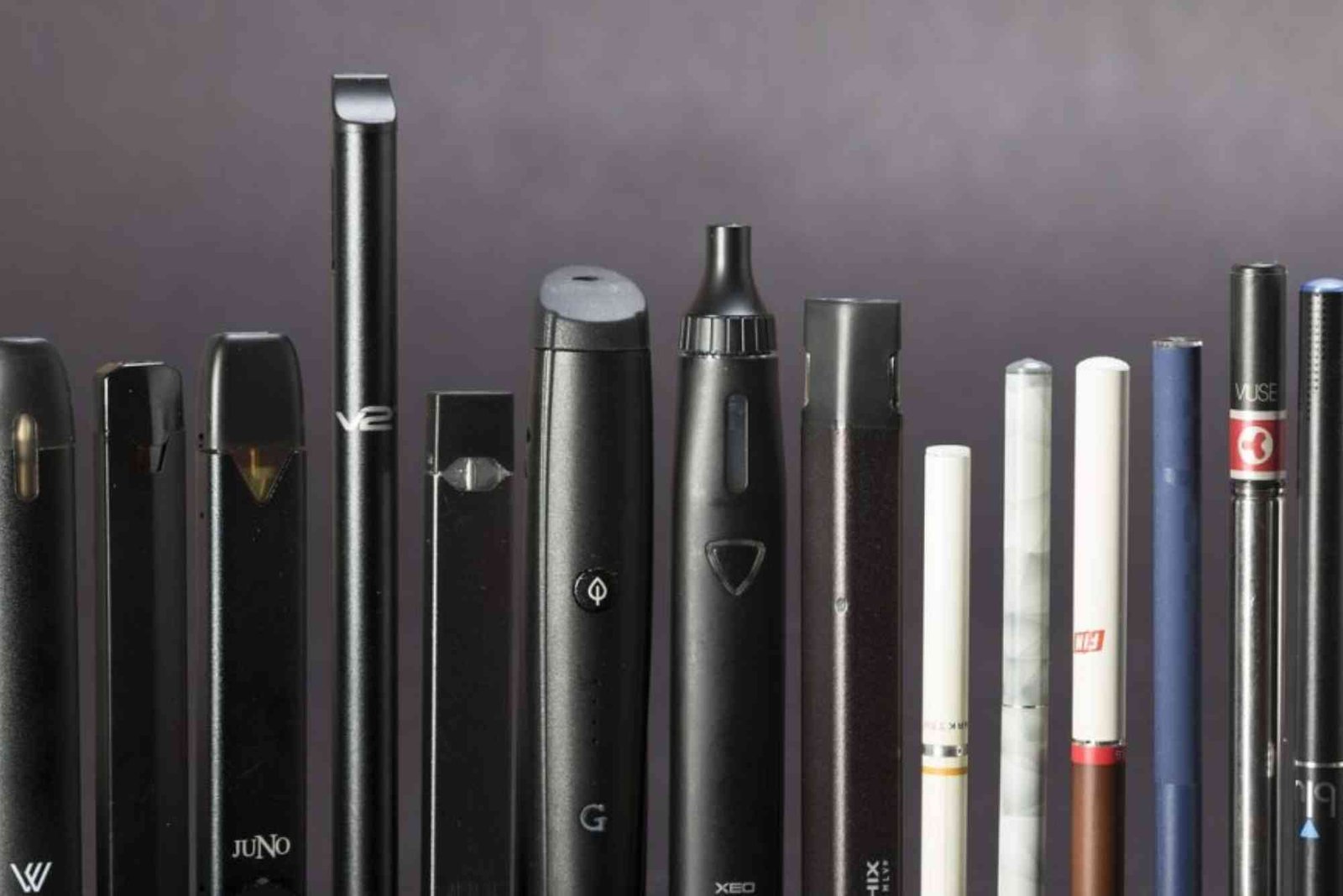
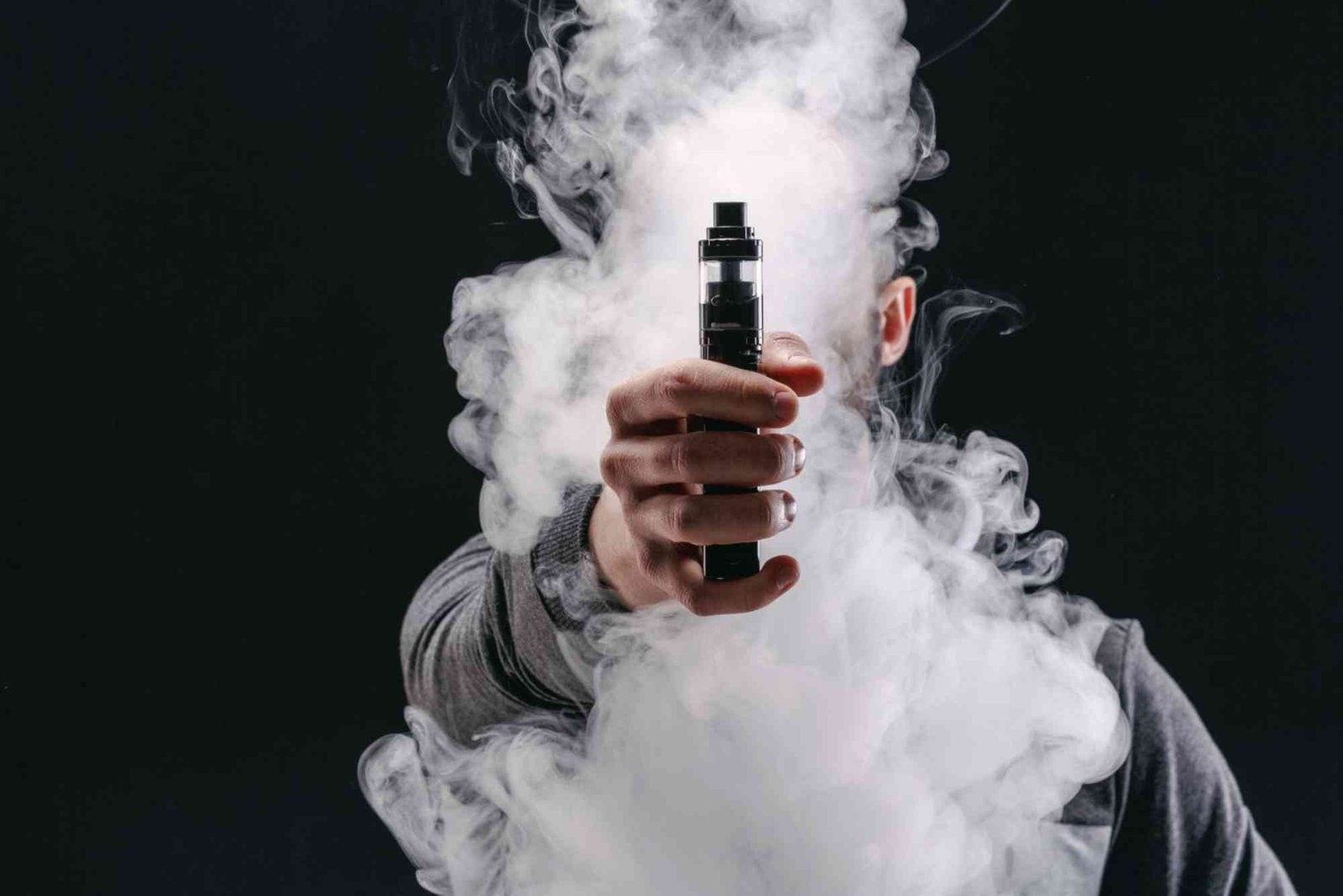
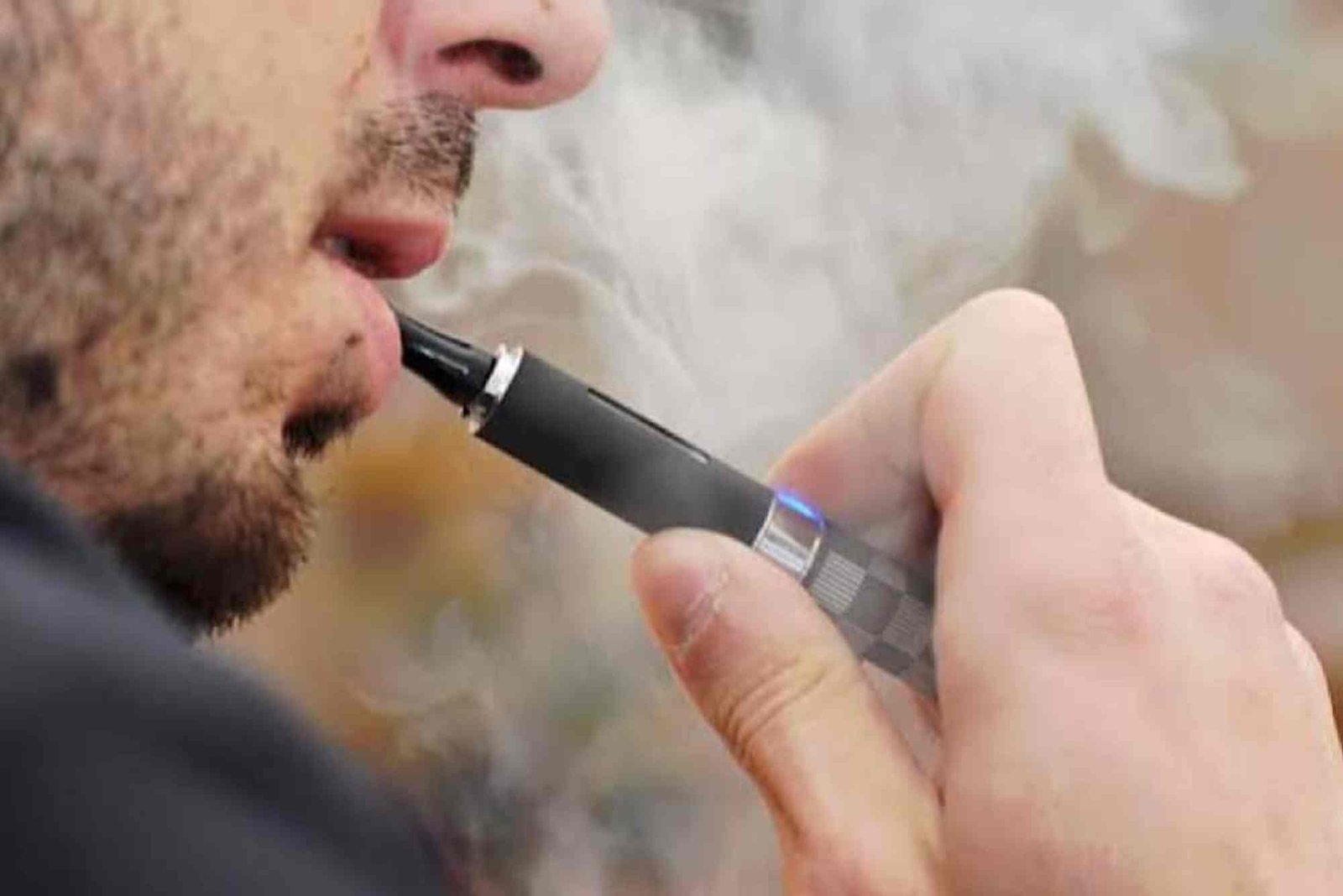
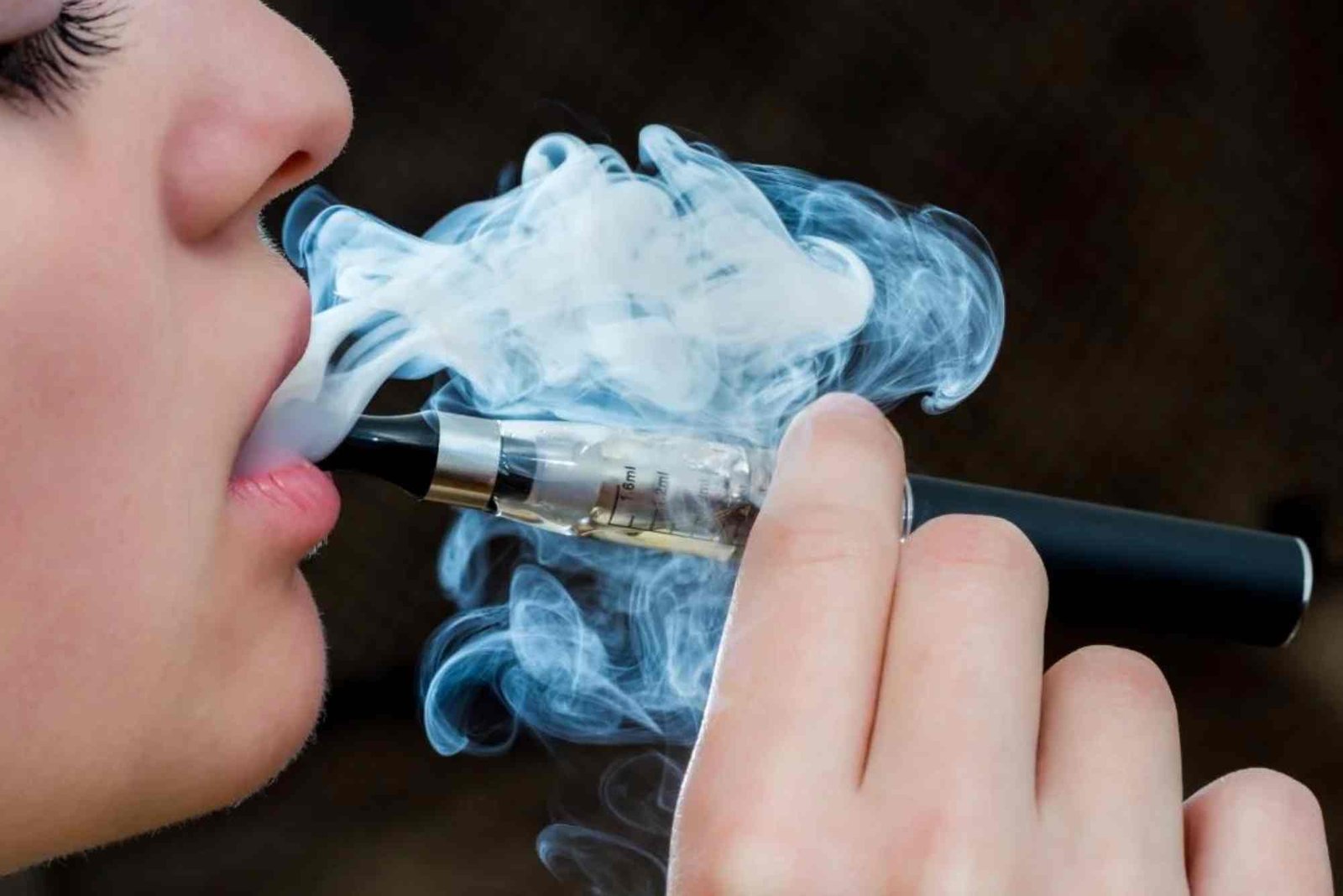
Vaping devices heat liquid nicotine without burning tobacco. This process produces fewer toxic chemicals compared to traditional cigarettes. Because of this, many health professionals initially supported vaping as a transition tool for adult smokers.
However, the debate around Why When will vaping be illegal Matters in the Harm Reduction Debate has become more complex as new research and usage patterns emerge.
The Shift in Public Health Perspective
Early messaging suggested vaping could significantly reduce smoking-related harm. But over time, concerns increased about:
- Youth addiction
- Dual use with cigarettes
- Unknown long-term effects
- Aggressive marketing strategies
These concerns have reshaped how policymakers view vaping within harm reduction frameworks.
Why Regulation and Possible Bans Are Being Considered
A key part of Why When will vaping be illegal Matters in the Harm Reduction Debate is the growing consideration of regulation or even prohibition in some regions.
Governments are not only evaluating health benefits but also broader social impacts.
Youth Access and Addiction Concerns
One of the biggest issues is youth vaping. Flavored products and easy availability have led to increased use among teenagers in several countries. This raises questions about whether vaping is truly a harm reduction tool or a new pathway to addiction.
This concern strongly influences Why When will vaping be illegal Matters in the Harm Reduction Debate, especially in public policy discussions.
Market Expansion and Misuse
Another concern is the rapid expansion of the vaping market. Products are widely available in many forms, some of which are poorly regulated.
This has led to inconsistent safety standards, making it harder for health authorities to manage risks effectively.
Health Implications in the Harm Reduction Debate
Health impact remains central to Why When will vaping be illegal Matters in the Harm Reduction Debate.
Short-Term vs Long-Term Effects
Vaping is generally considered less harmful than smoking traditional cigarettes. However, “less harmful” does not mean “harmless.”
Short-term effects may include:
- Throat irritation
- Coughing
- Nicotine dependence
Long-term effects are still being studied. This uncertainty creates tension in policymaking.
Dual Use Problem
Many users do not fully switch to vaping. Instead, they continue smoking while vaping. This dual use reduces the potential harm reduction benefit.
This issue is often highlighted in discussions about Why When will vaping be illegal Matters in the Harm Reduction Debate, as it challenges the idea of vaping as a replacement therapy.
Chemical Exposure Concerns
Although vaping eliminates combustion, some chemicals produced in vapor may still pose risks. Scientists are still investigating long-term exposure effects, which keeps the debate active and unresolved.
Economic and Social Dimensions of Vaping Policies
The topic of Why When will vaping be illegal Matters in the Harm Reduction Debate is not only about health. It also includes economic and social factors.
Impact on Smokers Trying to Quit
For many adult smokers, vaping is seen as a practical quitting tool. Restrictions or bans could reduce access to alternatives that helped them transition away from cigarettes.
This raises ethical concerns in public health policy.
Industry and Tax Revenue Considerations
Governments also consider economic impacts. The vaping industry generates significant revenue and employment opportunities. At the same time, tobacco taxation is a major income source for many countries.
Policy decisions around Why When will vaping be illegal Matters in the Harm Reduction Debate must balance public health goals with economic realities.
Social Perception and Normalization
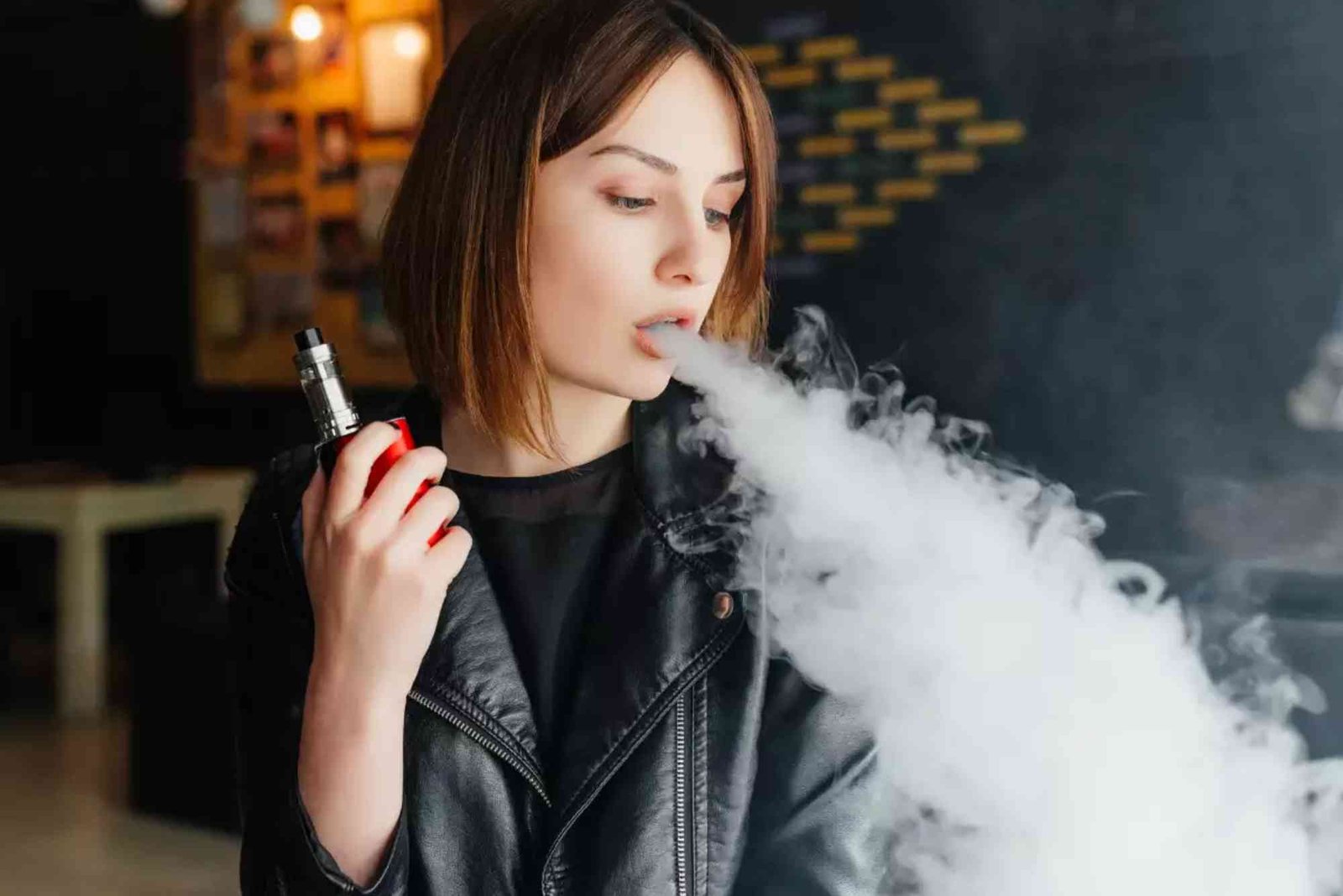
Vaping has become highly visible in public spaces. This normalization may influence younger audiences, making nicotine use appear more acceptable.
This social impact is a key reason policymakers carefully evaluate Why When will vaping be illegal Matters in the Harm Reduction Debate.
Global Policy Trends and Legal Uncertainty
Different countries are taking different approaches, which makes Why When will vaping be illegal Matters in the Harm Reduction Debate even more complex.
Strict Regulation Models
Some countries have imposed strict controls, including:
- Flavor bans
- Advertising restrictions
- Age verification laws
- Product licensing requirements
These measures aim to reduce youth exposure while still allowing adult access.
Total or Partial Bans
A few regions have considered or implemented partial bans on vaping products. These decisions are often driven by precautionary health principles.
This variation in global policies highlights Why When will vaping be illegal Matters in the Harm Reduction Debate, as there is no universal consensus.
Public Health vs Personal Freedom
The central conflict remains between protecting public health and preserving individual choice. This balance is difficult, especially when scientific evidence is still evolving.
Future Outlook: What Happens Next?
The future of vaping regulation will strongly shape Why When will vaping be illegal Matters in the Harm Reduction Debate.
More Research is Needed
Health authorities continue to study long-term effects. As more data becomes available, policies may shift toward either stricter control or broader acceptance.
Possible Regulatory Middle Ground
Instead of complete bans, many experts suggest:
- Strong product regulation
- Age-restricted access
- Controlled marketing
- Medical supervision for cessation use
This middle-ground approach may reduce harm while preserving harm reduction benefits.
Technological Changes in Vaping Products
New devices are constantly being developed with improved safety features. Innovation may also influence how Why When will vaping be illegal Matters in the Harm Reduction Debate evolves in the future.
The discussion around Why When will vaping be illegal Matters in the Harm Reduction Debate is far from settled. It sits at the intersection of public health, personal freedom, and evolving science.
While vaping may offer reduced harm compared to smoking, concerns about youth addiction, long-term health effects, and regulatory control continue to shape global policy decisions.
Ultimately, the future of vaping will depend on balanced decision-making that considers both risks and benefits. Policymakers must carefully evaluate evidence while ensuring protection for vulnerable populations.
If you care about public health or smoking alternatives, stay informed about regulatory updates and scientific findings. The debate around Why When will vaping be illegal Matters in the Harm Reduction Debate will continue to evolve—and your awareness matters.
Why State laws for vape products Matters in the Harm Reduction Debate State laws regulate vape products and play a key role in harm reduction by controlling quality, age limits, and access, while balancing public health concerns and adult alternatives to smoking. They help reduce risks compared to cigarettes but require strict enforcement. It supports safer choices and helps prevent youth addiction it
FAQs
Why is vaping considered part of harm reduction?
Vaping is seen as a less harmful alternative to smoking because it avoids tobacco combustion, reducing exposure to many toxic chemicals.
Why are governments considering banning vaping?
Concerns include youth addiction, unclear long-term health effects, and increased nicotine dependence among non-smokers.
Is vaping safer than smoking cigarettes?
Most studies suggest vaping is less harmful than smoking, but it is not completely safe and still carries health risks.
Can vaping help people quit smoking?
Some smokers successfully use vaping to reduce or quit smoking, but results vary depending on usage patterns and support systems.
What is the future of vaping laws?
Future laws may include stricter regulation rather than full bans, focusing on safety, age restrictions, and controlled marketing.
Related Reading: Why Thailand’s 2019 Vaping Law Matters in Harm Reduction Debate
Related Reading: Why Is Vaping Under 16 Illegal Matters in the Harm Reduction Debate
Related Reading: Why Uk Law on Vaping Indoors Matters in the Harm Reduction Debate
Related Reading: Why What is The Fine For Vaping on a Plane Matters in the Harm Reduction Debate — full guide
Related Reading: Vaping Ruined My Teeth UK guide and buyer tips
Related Reading: Why Long-Term Effects of Switching to Vaping Matters in the Harm Reduction Debate
Related Reading: Why Is Vaping Illegal in Northern Territory Matters in the Harm Reduction Debate — full guide