
Introduction
Vape laws NC have become a central issue in the wider harm reduction debate across the United States. North Carolina sits at a unique crossroads of public health, tobacco farming history, and modern nicotine alternatives. As vaping continues to evolve, the state’s regulatory approach influences adult smokers, youth protection, public health outcomes, and economic interests.
Understanding why Vape laws NC matter requires more than reading statutes. It means examining how regulation balances risk reduction for adults with prevention for minors. It also means understanding how state decisions align with scientific evidence and real-world behavior.
This article explains the importance of Vape laws NC in harm reduction, using clear language and expert insight. It focuses on why these laws matter now and how they shape the future.
Understanding Vape Laws NC
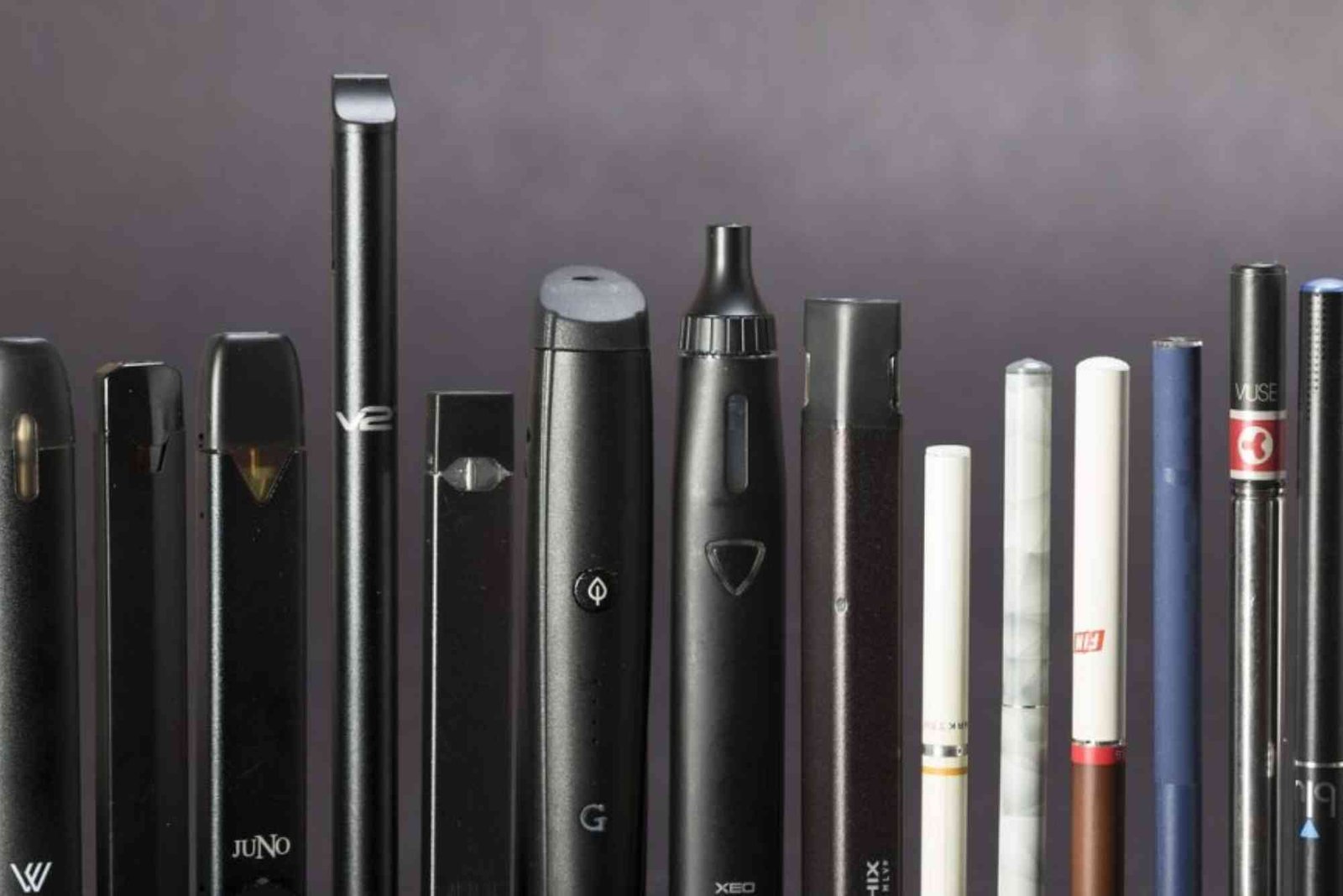
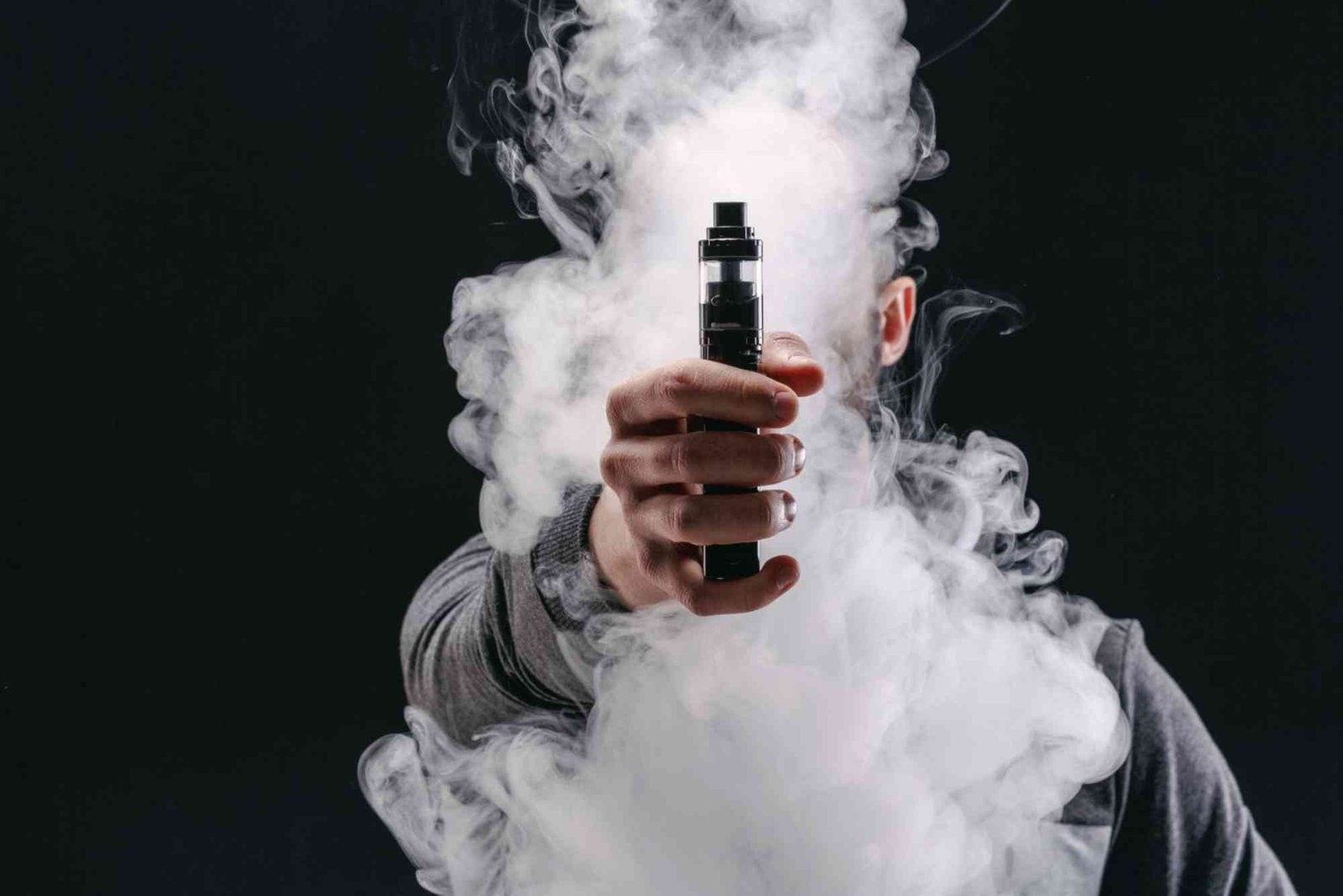
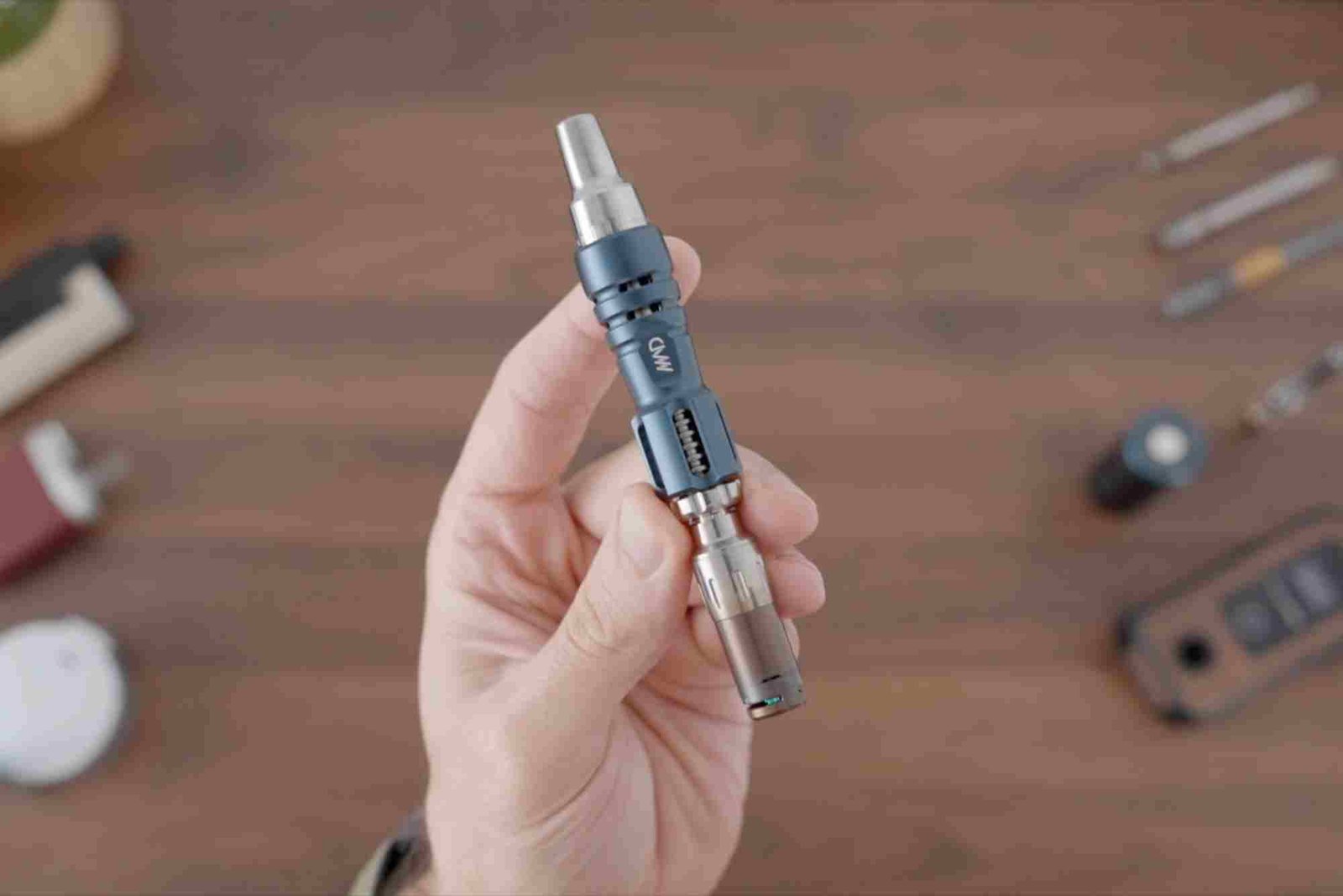
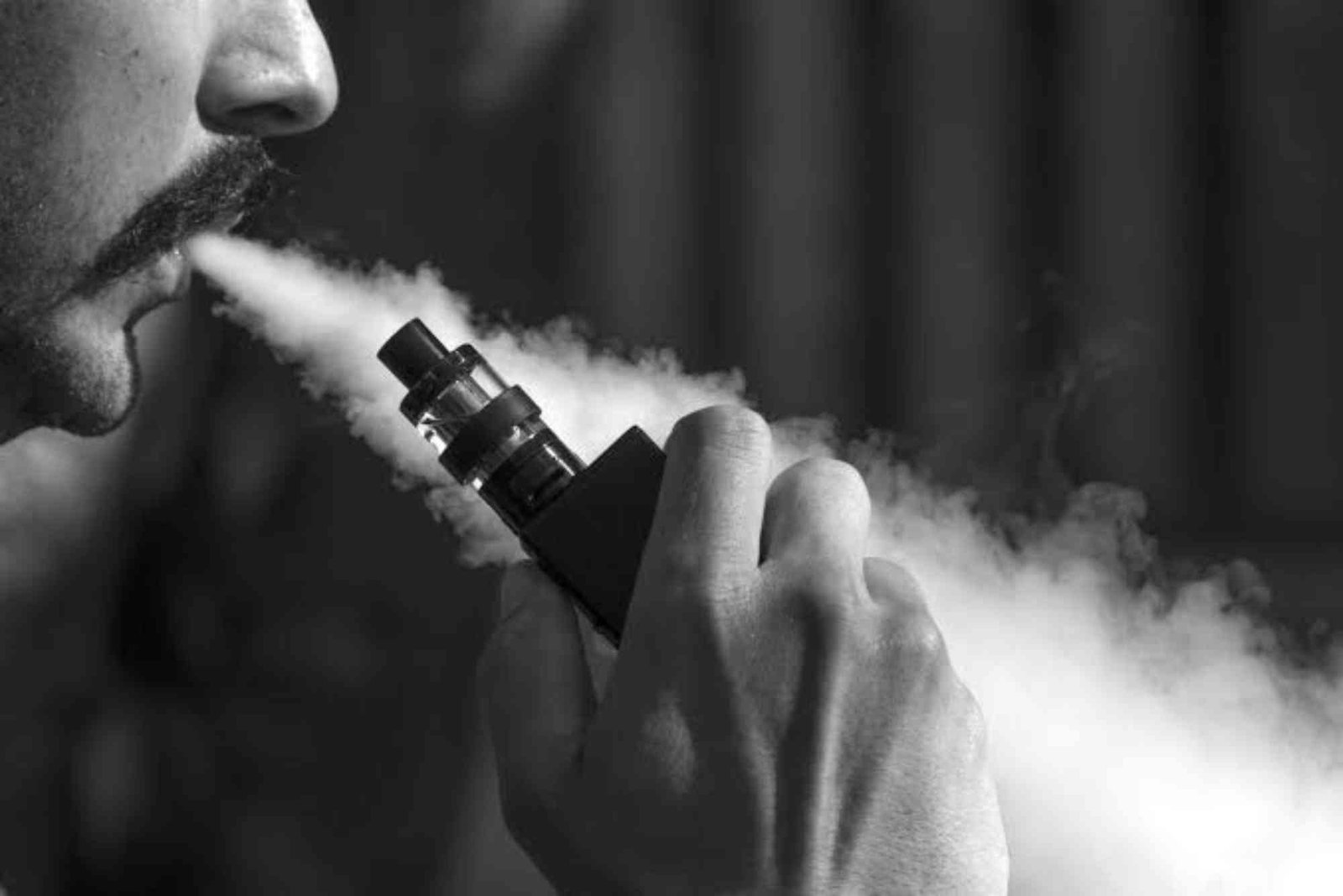
Vape laws NC refer to the state and local regulations governing e-cigarettes, vape devices, and nicotine liquids. These laws cover age restrictions, sales, taxation, and usage in public spaces.
North Carolina enforces a minimum age of 21 for purchasing vape products. Retailers must verify identification and follow licensing requirements. Online sales face additional scrutiny to prevent underage access.
The state also regulates where vaping is allowed. Many public places treat vaping similarly to smoking. This includes government buildings, schools, and certain workplaces.
These rules are shaped by public health goals rather than prohibition. Vape laws NC aim to reduce harm while controlling access.
Why Harm Reduction Matters in Nicotine Policy
Harm reduction recognizes that some adults will continue using nicotine. Instead of demanding abstinence, it seeks safer alternatives.
Cigarette smoking remains one of the leading preventable causes of death. Combustion produces thousands of harmful chemicals. Vaping removes combustion and reduces toxic exposure.
Public Health England and other global bodies have acknowledged reduced risk compared to smoking. Harm reduction does not claim vaping is harmless. It claims it is less harmful for smokers.
Vape laws NC matter because they influence whether adult smokers can realistically switch. Overly restrictive laws can push people back to cigarettes. Balanced laws can support safer transitions.
The Historical Context of Tobacco in North Carolina
North Carolina has deep ties to tobacco farming and cigarette manufacturing. This history shapes public attitudes and policy debates.
For decades, cigarettes dominated the nicotine market. Smoking rates were once among the highest in the country. Public health campaigns reduced smoking but did not eliminate it.
Vaping emerged as a disruptive alternative. It challenged traditional tobacco control approaches. Vape laws NC reflect this transition period.
Lawmakers must navigate economic history while responding to modern health data. This makes North Carolina’s approach especially important in national discussions.
Age Restrictions and Youth Protection
One of the strongest arguments for vape regulation involves youth prevention. Vape laws NC strictly prohibit sales to anyone under 21.
Teen vaping gained national attention in the late 2010s. Flavored products and social media trends fueled concern. States responded with tighter rules.
In North Carolina, enforcement focuses on retail compliance. Penalties apply to sellers, not minors. This approach aims to reduce access at the source.
Harm reduction supporters generally agree on strict youth protection. Vape laws NC demonstrate that harm reduction and youth safety are not opposites.
Flavor Restrictions and Their Impact
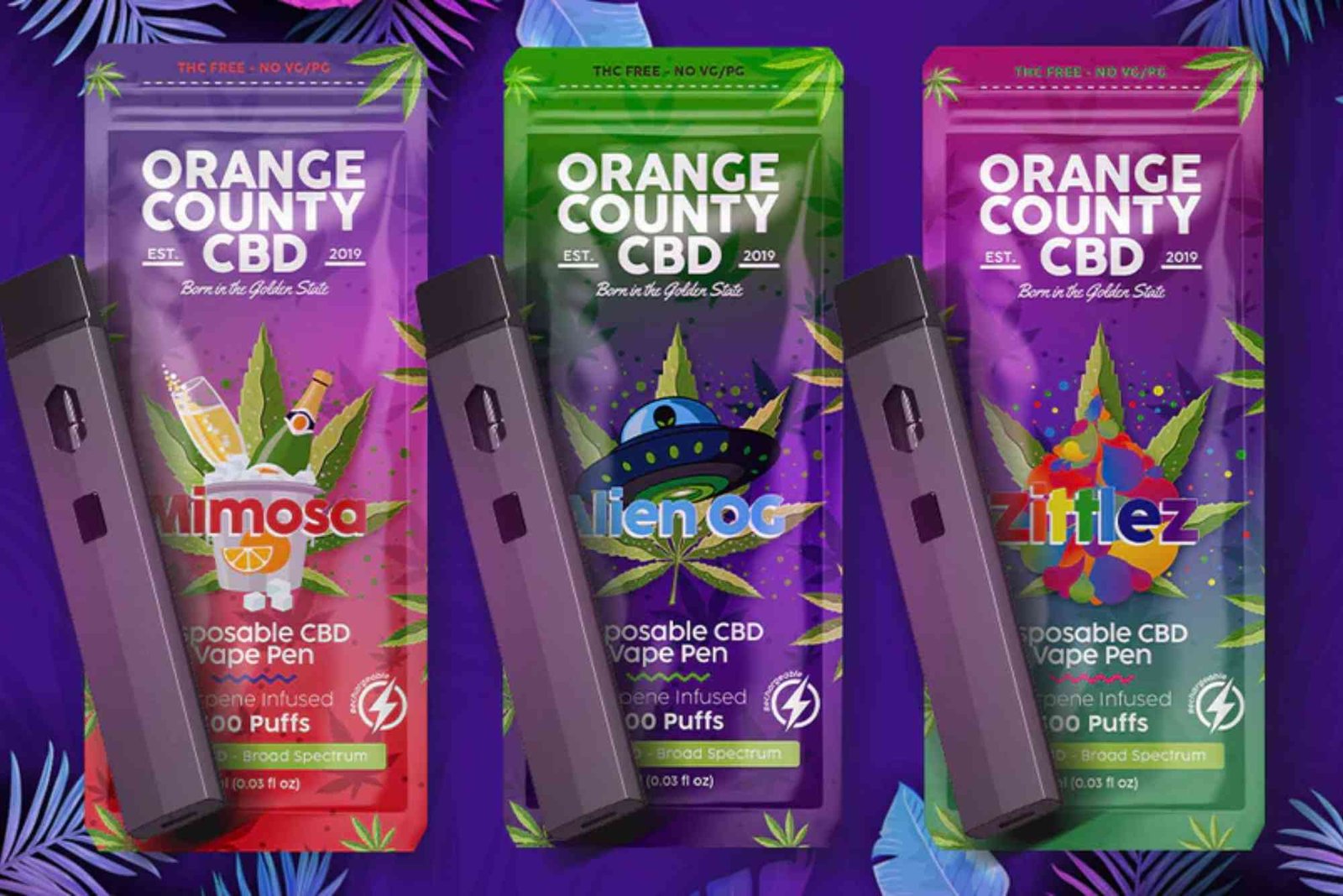
Flavor debates are among the most controversial aspects of Vape laws NC. Flavors are often blamed for youth appeal. Adults, however, report flavors help them quit smoking.
North Carolina has not enacted a full statewide flavor ban. Local jurisdictions may impose additional rules. This creates a mixed regulatory landscape.
From a harm reduction perspective, flavor availability matters. Studies show adults prefer non-tobacco flavors when switching. Removing them may reduce quitting success.
Vape laws NC influence whether policy favors evidence or fear. Balanced regulation considers both youth risk and adult benefit.
Taxation and Economic Access
Taxes shape consumer behavior. Cigarettes are heavily taxed to discourage use. Vaping taxes vary widely across states.
North Carolina applies excise taxes to vape products. The rate affects affordability compared to cigarettes. If vaping becomes too expensive, smokers may not switch.
Harm reduction depends on relative risk and relative cost. Vape laws NC that keep taxes proportional support switching. Excessive taxation undermines harm reduction goals.
Small vape businesses also feel the impact. Regulation affects local economies and employment.
Public Use Rules and Social Norms
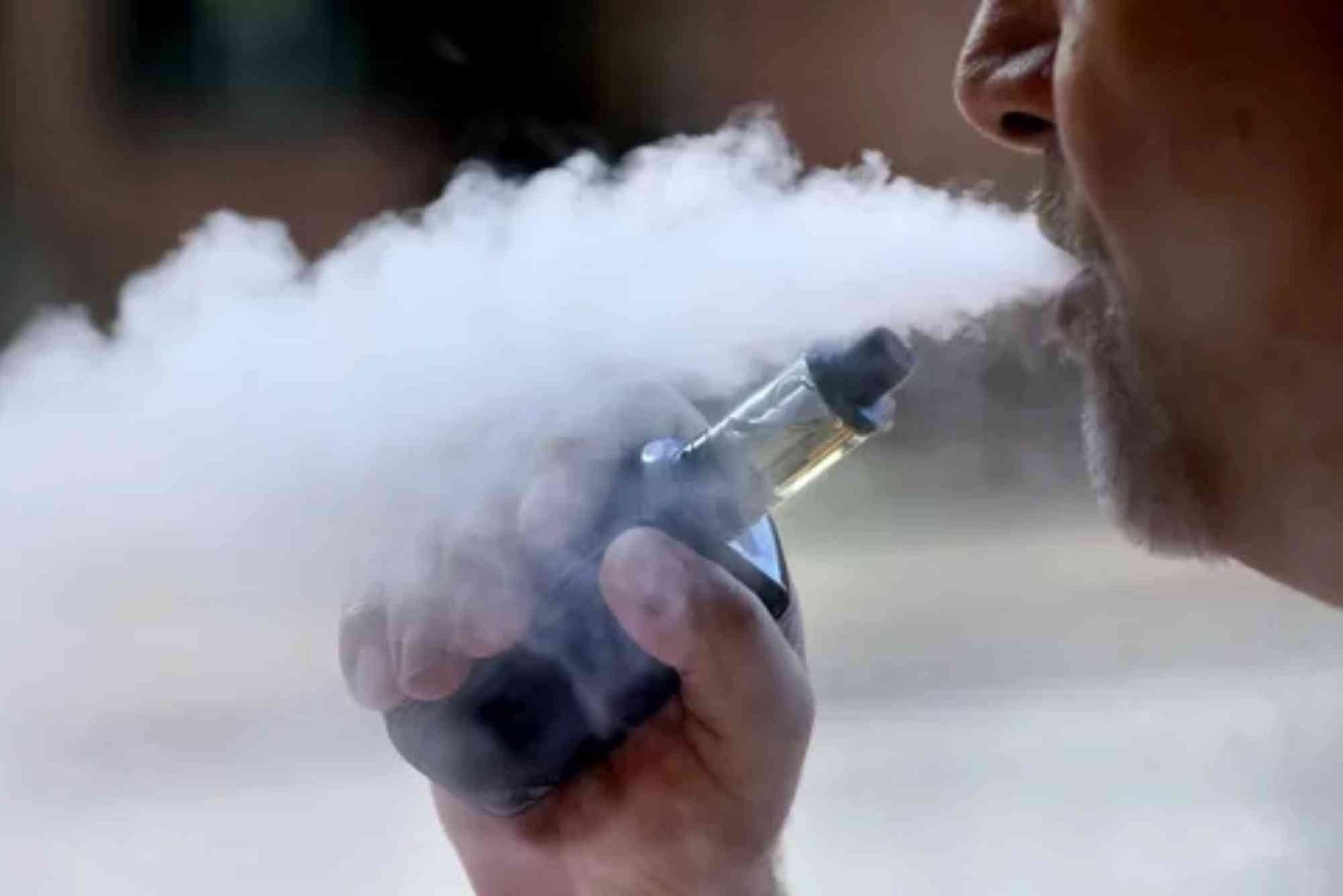
Where vaping is allowed influences social acceptance. Vape laws NC often treat vaping like smoking in public spaces.
This reduces exposure to aerosol in shared environments. It also reinforces smoke-free norms.
Some argue vaping deserves separate consideration. Aerosol risk differs from secondhand smoke risk. However, enforcement simplicity often prevails.
In harm reduction debates, public use rules matter less than access. Vape laws NC prioritize public comfort without banning products outright.
The Role of State Health Authorities
State agencies guide implementation and education. The North Carolina Department of Health and Human Services plays a key role.
Official guidance helps retailers comply and consumers understand risks. Educational materials focus on prevention and cessation support.
For accurate and updated information, readers can review the North Carolina Department of Health — e-cigarette rules on the official site. This resource explains current expectations and enforcement priorities. Visit for direct guidance.
Clear communication strengthens trust and compliance.
Federal Influence on Vape Laws NC
State laws do not exist in isolation. Federal regulations shape product availability and marketing.
The FDA’s premarket tobacco application process determines which vape products remain legal. This has reduced product diversity nationwide.
Vape laws NC must align with federal standards. This limits state flexibility but ensures consistency.
Harm reduction advocates often criticize federal delays. State-level balance becomes even more important under restrictive federal conditions.
Public Health Outcomes and Evidence
The real question is outcomes. Do Vape laws NC reduce smoking-related harm?
Adult smoking rates in North Carolina have declined steadily. Vaping is one contributing factor among many. Surveys show many adults use e-cigarettes to quit smoking.
Youth vaping rates have fluctuated. Recent data suggest declines after peak years. This indicates regulation and education can work together.
Harm reduction is not about perfection. It is about net benefit. Vape laws NC aim to reduce total harm across populations.
Misconceptions About Vaping and Regulation
Many people believe vaping is as harmful as smoking. This belief influences policy support.
Scientific consensus does not support equal harm claims. While long-term data are still emerging, toxic exposure is lower.
Vape laws NC matter because they either reinforce or challenge misconceptions. Evidence-based regulation supports informed choices.
Clear risk communication helps adults make decisions without encouraging youth use.
The Balance Between Prohibition and Access
Complete bans often fail. History shows prohibition creates black markets and unintended consequences.
Vape laws NC avoid total prohibition. They focus on control and accountability.
This approach aligns with harm reduction principles. Adults retain access while safeguards protect youth.
The balance is imperfect but evolving. Continuous review is essential.
Future Directions for Vape Laws NC
Policy will continue to change. Research will expand. Public opinion will shift.
Future Vape laws NC may adjust taxes, flavors, or licensing. The challenge is maintaining harm reduction benefits while addressing new concerns.
Stakeholder input matters. Smokers, healthcare providers, and researchers should be heard.
Adaptive regulation performs better than rigid bans.
Why Vape Laws NC Truly Matter
Vape laws NC matter because they sit at the intersection of health, behavior, and policy. They influence whether adult smokers can reduce harm. They protect youth without criminalization. They reflect evidence rather than ideology.
In the harm reduction debate, North Carolina’s approach shows cautious balance. It acknowledges risk without ignoring benefit. This balance can save lives when applied thoughtfully.
Understanding these laws empowers consumers and policymakers alike. Informed discussion leads to better outcomes.
If you care about public health, harm reduction, or nicotine policy, stay informed. Review official guidance, follow research updates, and engage in constructive dialogue.
FAQs
Are vapes legal in North Carolina?
Yes, vaping products are legal in North Carolina. Sales are restricted to adults aged 21 and older.
Can you vape in public places in NC?
Many public places restrict vaping. Rules often mirror smoking bans in government buildings and workplaces.
Does North Carolina ban flavored vapes?
North Carolina does not have a statewide flavor ban. Some local restrictions may apply.
Are vapes safer than cigarettes according to health experts?
Most health experts agree vaping exposes users to fewer harmful chemicals than smoking, though it is not risk-free.
Do Vape laws NC affect quitting smoking?
Yes, Vape laws NC influence access, affordability, and product choice, all of which affect smoking cessation success.
Stay engaged with evidence-based policy discussions. Responsible regulation works best when informed citizens participate.