Introduction
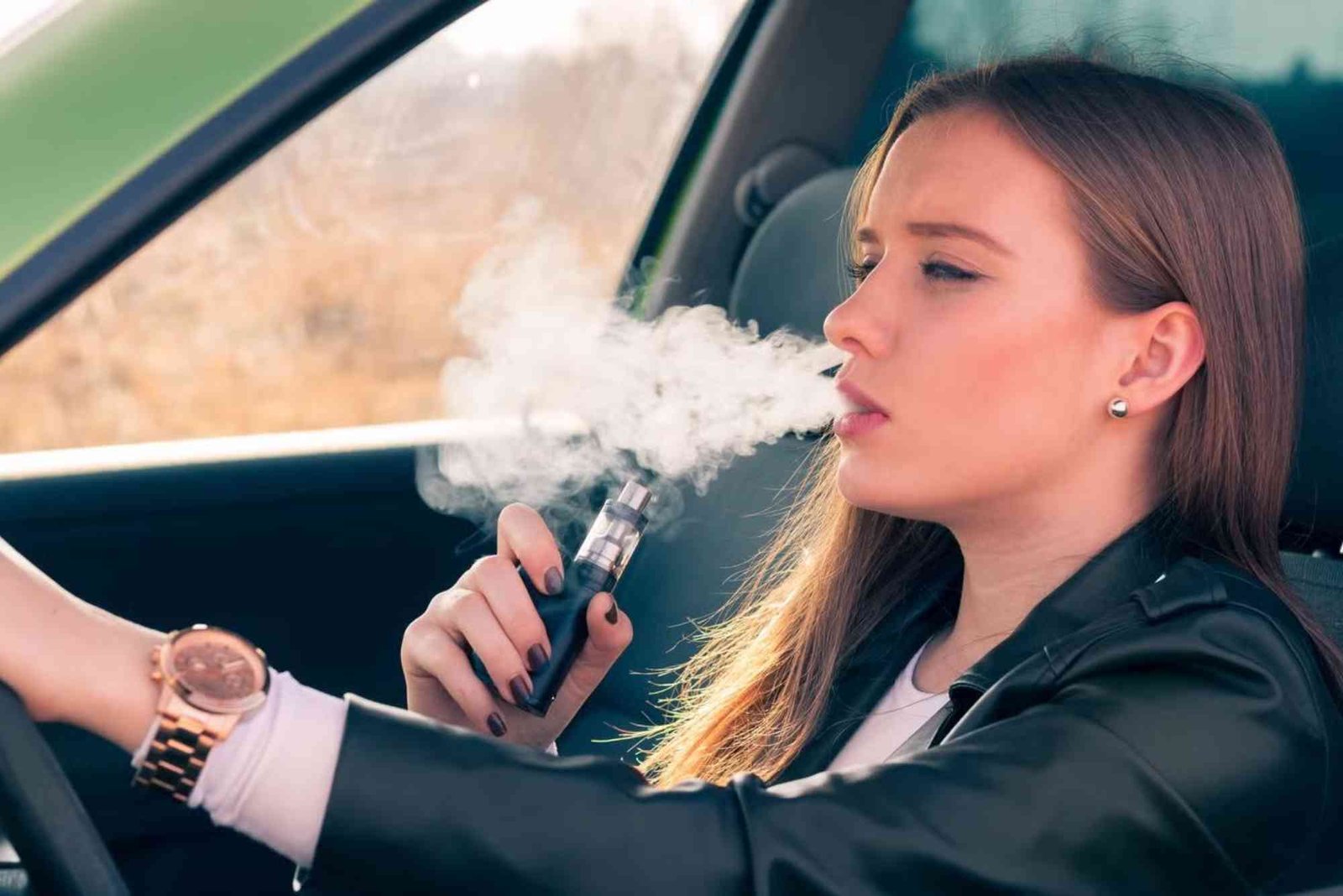
When discussing harm reduction, many focus on whether vaping is safer than smoking. However, an important aspect often overlooked is why vaping while driving matters. Driving is a high-risk activity requiring full attention. Vaping behind the wheel introduces distractions, visual obstructions, and cognitive load—all of which increase the risk of accidents. This article explores why vaping while driving intersects with harm reduction, how it is treated under law and policy, and why it deserves attention in broader public health discussions.
Understanding Harm Reduction and Driving
What is harm reduction in the context of vaping?
Harm reduction refers to strategies that reduce the negative health or social consequences of a behavior rather than simply banning it. For instance, switching from combustible cigarettes to e-cigarettes may lower exposure to toxicants. Harm reduction, however, does not ignore situational risks.
Why driving is a unique context
Driving requires the driver’s full attention. Distracted driving contributes to thousands of fatalities each year. A driver who vapes may temporarily divert attention, create visual impairment from vapor clouds, or remove a hand from the wheel—factors that increase crash risk.
How driving affects harm-reduction calculus
Evaluating vaping as “less harmful” typically focuses on long-term health outcomes. Harm reduction, however, must consider when and how a product is used. Vaping while driving may create an acute risk that outweighs long-term benefits. A product considered “safer” in one context can be dangerous in another, such as behind the wheel.
Why Vaping While Driving is Treated Like Distracted Driving
Laws and regulations on distracted driving
Distracted driving is defined as any activity that takes the driver’s eyes off the road, hands off the wheel, or mind off driving. Activities such as eating, adjusting audio, or using a phone are included, and vaping falls into a similar category. Distracted driving accounts for a significant portion of traffic deaths annually.
How vaping fits into distraction law
Even if jurisdictions do not specifically list vaping, it is often treated as a form of distracted driving because it involves manual handling, visual obstruction from vapor clouds, and cognitive load from managing the device. If vaping interferes with a driver’s primary duty to maintain attention, it falls under general distracted-driving rules.

Why some states ban vaping in vehicles with minors
Certain states prohibit smoking or vaping in vehicles with passengers under 18. This acknowledges additional risks to children and the importance of clean air inside vehicles. These regulations reflect broader principles of road safety and responsible product use.
Connection to distracted-driving principles
Driving laws emphasize that any behavior diverting attention is dangerous. Vaping while driving is considered a secondary task that may compromise attention, just like phone use or eating, making it relevant in harm reduction discussions.
Evidence on Vaping Behind the Wheel
Visual, manual, and cognitive distraction
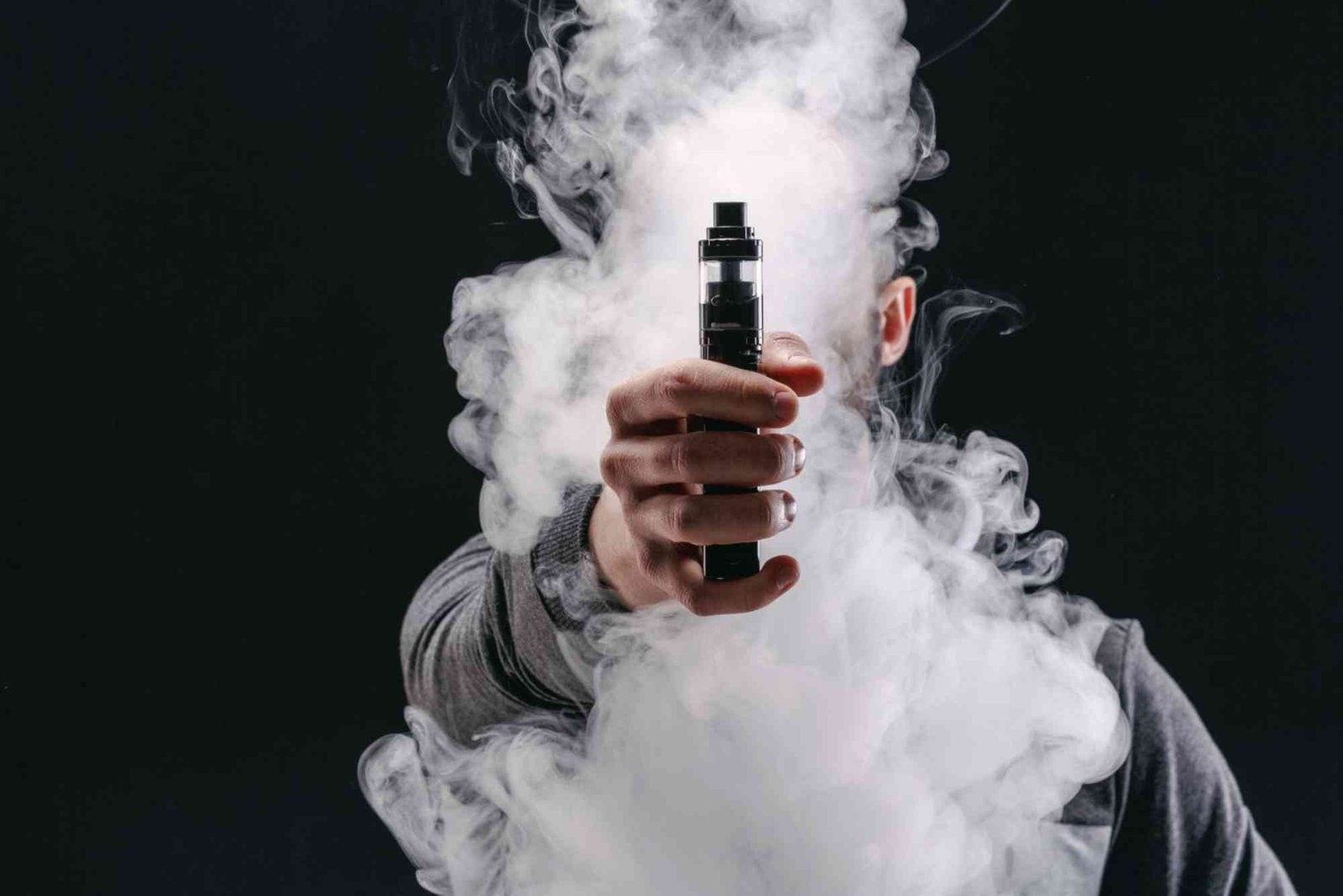
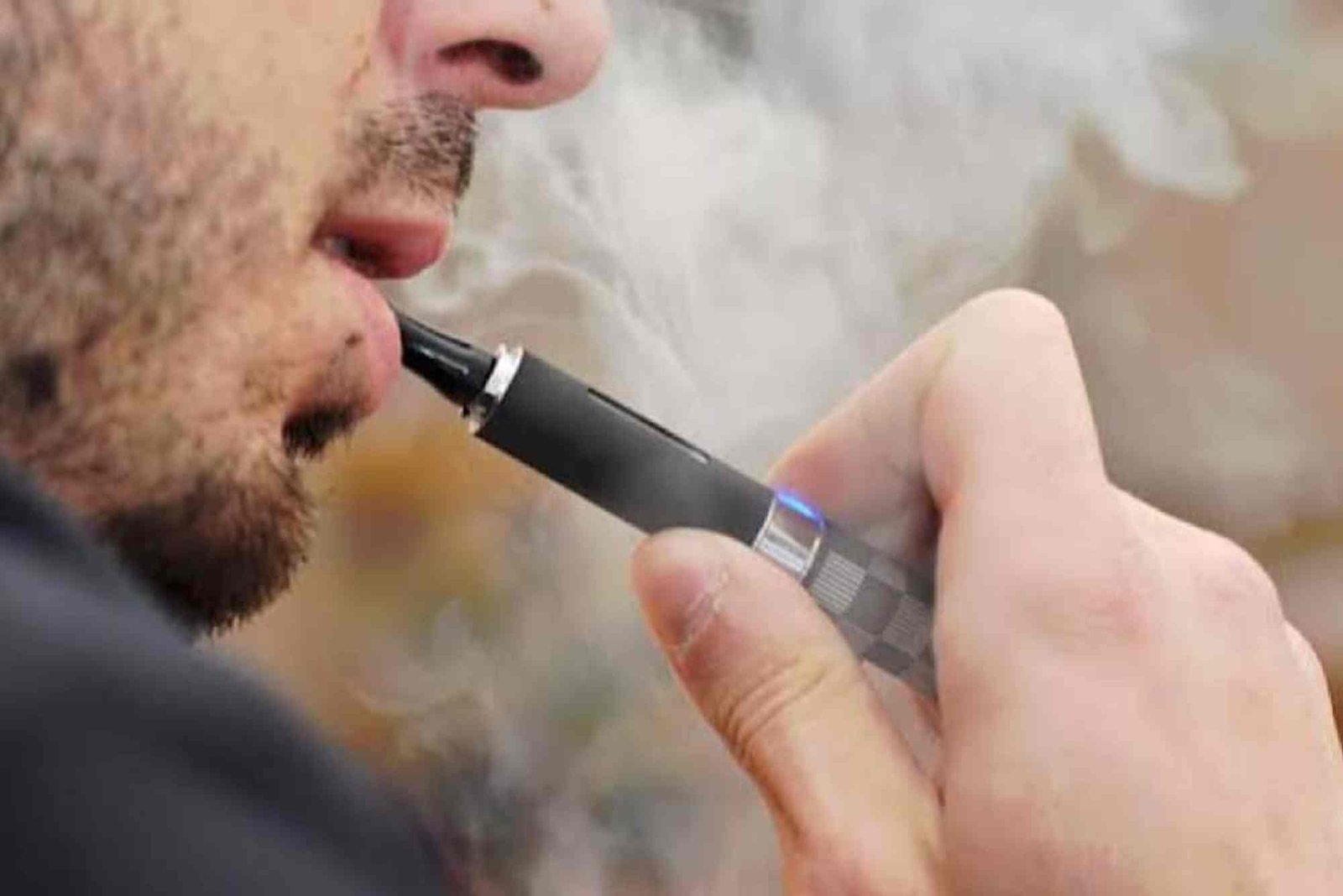
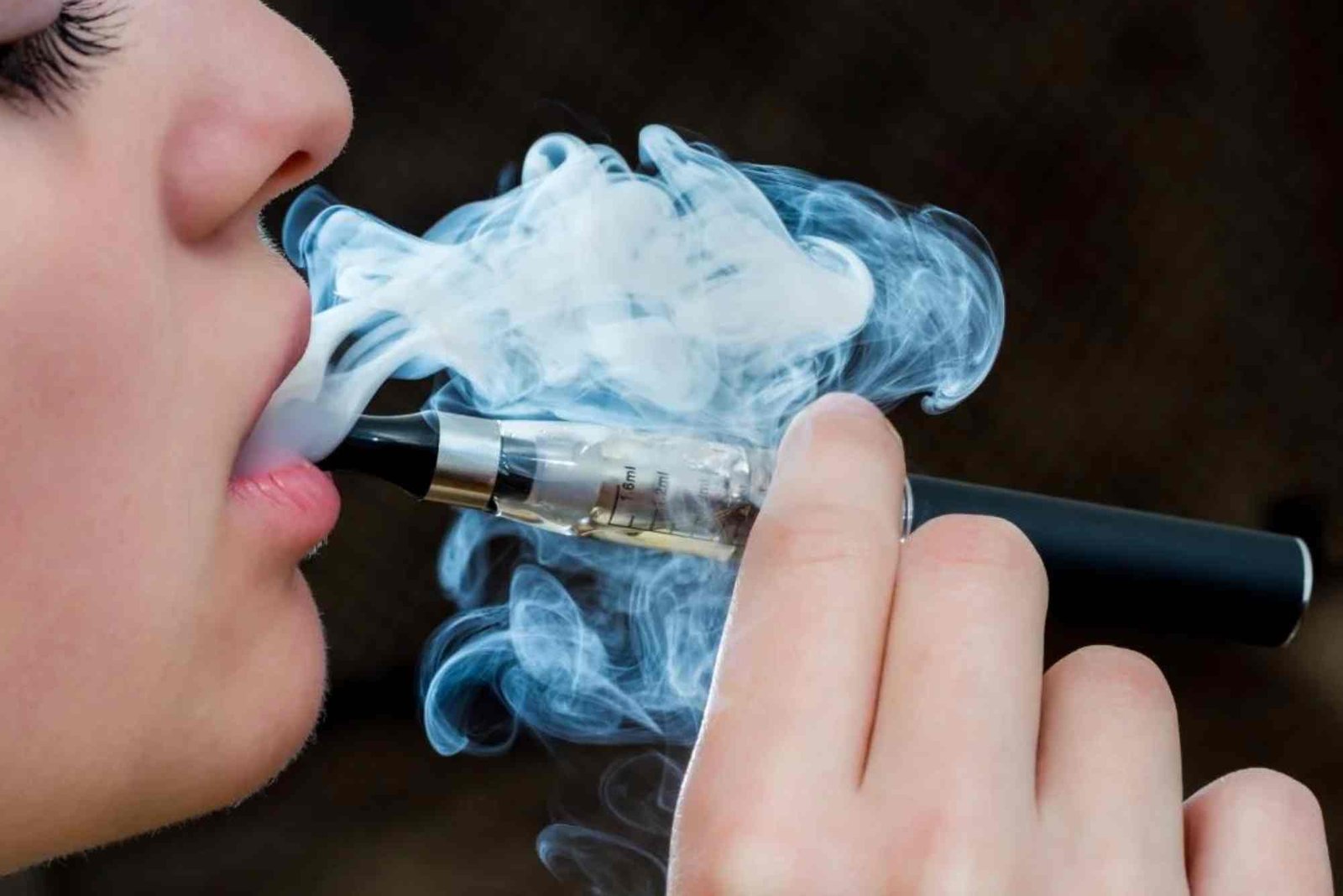
Vaping introduces three primary distraction types: visual (vapor clouds obstructing vision), manual (handling the device or refilling liquid), and cognitive (thinking about device settings or inhaling). These distractions are similar to those associated with smoking while driving.
Limited but concerning data
Data specifically linking crashes to vaping is limited, as crash reports often do not record secondary tasks. However, parallels with smoking and other in-vehicle distractions suggest caution is warranted.
Balancing risks from a harm-reduction perspective
From a harm-reduction perspective, vaping is preferable to smoking in many contexts. However, behind the wheel, the acute risk of distraction or crash may outweigh the long-term health benefits. Recognizing this nuance ensures harm-reduction policies are context-sensitive.
Policy Implications and Best Practices
Clear guidelines for drivers
Harm-reduction messaging should include driving-specific guidance: “If you vape, do so when parked, not while driving.” This acknowledges both the benefits of switching from smoking and the risks of distraction.
Integration into distracted-driving enforcement
Authorities can classify vaping as a potential distraction under existing laws rather than creating new legislation. Awareness that vaping may trigger citations can deter unsafe behaviors.
Preventing unintended harm-reduction outcomes
Permissive attitudes toward vaping should not ignore situational hazards like driving. Policies that allow vaping everywhere except while driving reduce crash risk while supporting smoking cessation goals.
Education campaigns
Road safety campaigns stress full attention to driving. Combining this with harm-reduction messaging—vaping is safer than smoking but not while driving—ensures more effective public health outcomes.
Addressing Counterarguments
“Vaping is safer than smoking, so why restrict it while driving?”
While vaping may reduce long-term health risks, regulation while driving addresses acute crash risk, not chronic exposure. Even minor distractions can cause serious injury.
“Isn’t this just another ban on a product?”
It is not a ban but a situational restriction. Vaping behind the wheel is unsafe due to distraction, aligning with established laws on phone use, eating, and other in-vehicle tasks.
“Will this discourage smokers from switching to vaping?”
Clear communication can mitigate this. Vaping remains a harm-reduction tool, but drivers must choose safe contexts, like when parked, to maintain road safety without compromising smoking cessation goals.
In the vaping and harm-reduction debate, context matters. Driving is a high-risk activity where distractions from vaping can lead to accidents. This shifts the Vaping Illegal When Driving focus from whether vaping is safer than smoking to whether it is safe in that moment and setting.
Drivers, public U.S. NHTSA — distracted driving & in-vehicle rules health officials, and traffic safety regulators benefit from recognizing these situational risks. The safest course is simple: vape when stationary, not while driving. Awareness and education can align harm-reduction strategies with road safety, protecting both health and life. If you vape, commit to only using your device when parked. Prioritize full attention on the road, supporting both harm reduction and safe driving. For further guidance, consult resources on distracted driving and in-vehicle safety.
FAQs
Q1: Is it illegal to vape while driving?
It depends on jurisdiction. While specific laws may not exist, vaping can be treated as distracted driving if it diverts attention, hands, or vision.
Q2: How does vaping reduce harm compared to smoking?
Vaping may lower exposure to many harmful chemicals found in cigarette smoke, though it is not risk-free.
Q3: What types of distractions does vaping cause while driving?
Vaping introduces visual (vapor clouds), manual (handling device), and cognitive (thinking about device or inhaling) distractions, all of which can impair driving.
Q4: Does vaping while driving undermine harm-reduction goals?
Not entirely, but using a vape behind the wheel introduces acute risks that should be managed. Timing and context are essential.
Q5: What should smokers or vapers do if they drive regularly?
Vape only when parked or not driving. Avoid using e-cigarettes while the vehicle is in motion to maintain both health benefits and road safety.