Introduction
In recent years, vaping has emerged as a central topic in public‑health and policy discussions. The introduction of the new vaping laws in the UK 2016 marked a significant moment in this debate. By “new vaping laws UK 2016” I refer primarily to the Tobacco and Related Products Regulations 2016 (TRPR), which implemented the EU’s Tobacco Products Directive 2014/40/EU in the United Kingdom. These laws created a structured regulatory framework for e‑cigarettes, refill containers, and related products, aiming to balance adult access with youth protection
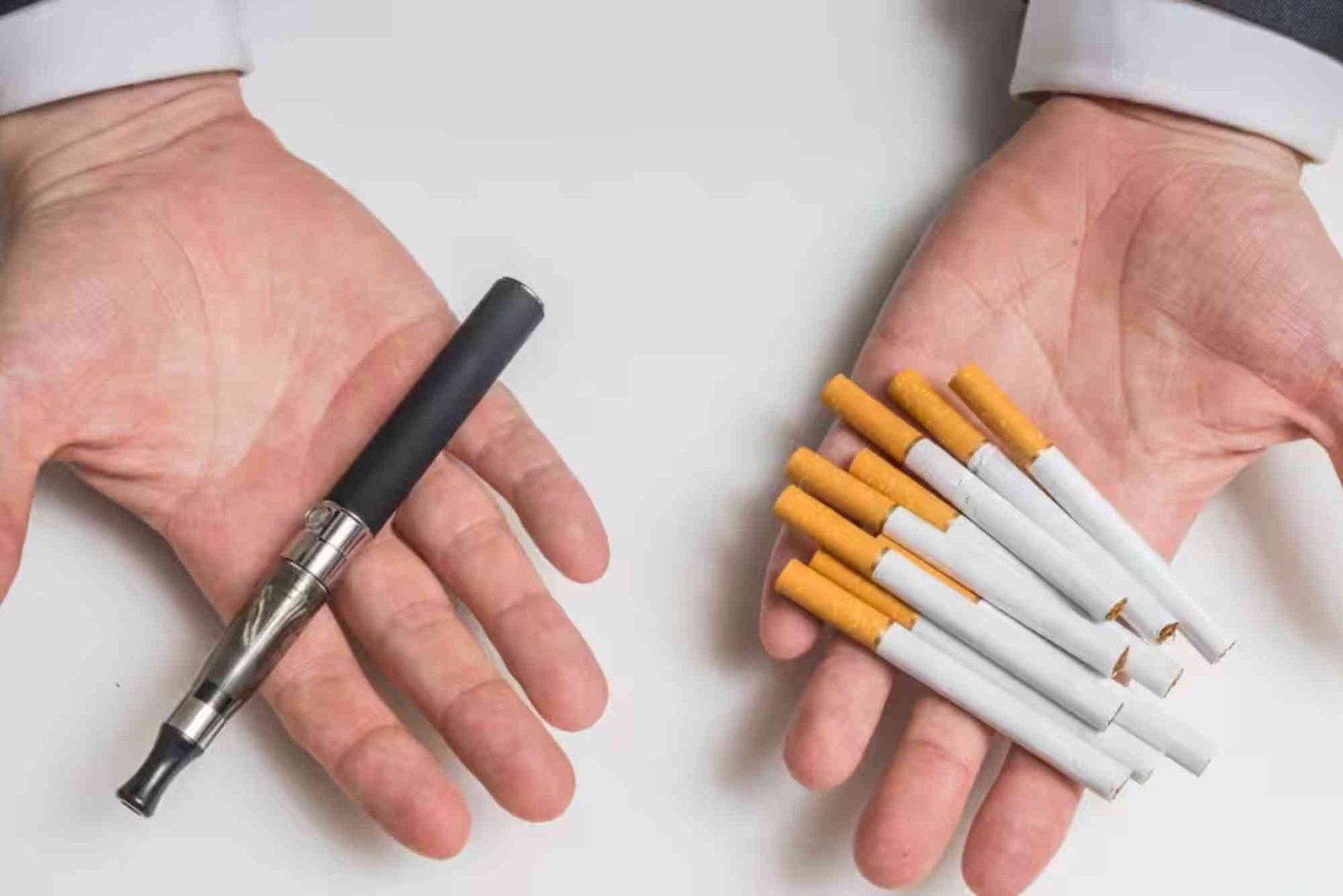
Harm reduction is increasingly recognised as a critical pillar of tobacco control. While quitting smoking entirely is the ideal outcome, the reality is that many smokers struggle to quit. Vaping has been proposed as a less harmful alternative to combustible tobacco. The new vaping laws UK 2016 were introduced at the intersection of two imperatives: protect young people and non‑smokers from vaping uptake, and ensure that adult smokers looking for alternatives have a regulated, safer option. Because these laws set parameters for product safety, marketing, ingredients, and access, they matter deeply in the harm‑reduction debate. In the paragraphs that follow, we unpack how this works, what the law contains, and why it still matters today.
What the 2016 Vaping Laws Did
Scope and Key Provisions
What the TRPR Covers
The Tobacco and Related Products Regulations 2016 brought into UK law specific requirements for e‑cigarettes and refill containers. Some of the key elements include:
- Tanks for e‑cigarettes and refill containers were limited to a maximum capacity of 2 ml.
- Nicotine‑containing refill containers capped at 10 ml in volume, and nicotine strength no more than 20 mg/ml.
- Child‑resistant and tamper‑evident packaging for nicotine‑containing products.
- Ban on certain additives, such as caffeine, taurine, and colourings, in nicotine‑containing e‑liquid.
- Producers must notify the regulatory authority about ingredients and product information.
- Labelling and health‑warning requirements to inform consumers about potential risks.
Underlying Rationale
The regulations were introduced to ensure a high level of health protection while regulating the internal market of tobacco and related products. The laws aimed to balance safety, market access, and youth protection while preventing misleading claims about vaping products.
Why the 2016 Laws Matter for Harm Reduction
Balancing Risks and Opportunities
The Harm‑Reduction Potential of Vaping
For smokers who cannot or will not quit, switching to vaping may reduce harm. Research indicates that exclusive use of e‑cigarettes poses lower health risks compared with smoking combustible cigarettes. Regulations that enable safe access to vaping products for smokers ensure that alternatives are legitimate, safe, and not contaminated or misleading.
Protecting Non‑Smokers and Youth
Poorly regulated vaping products could attract young people or non‑smokers, creating new nicotine dependence or acting as a gateway to smoking. The 2016 laws reduce these risks through limits on nicotine strength, banning certain additives, requiring clear labelling, and controlling access.

Why Regulatory Clarity Supports Harm Reduction
Without regulation, vaping products could vary widely in quality and safety. The 2016 laws create a baseline of product standards, offering consumer protection and credibility for vaping as a harm‑reduction tool. Adult smokers are more likely to trust regulated products, increasing the likelihood of switching from combustible cigarettes.
Key Debates and Impacts
Access, Quality, and Switching Behaviour
Does the Law Make Vaping Accessible for Smokers?
The law standardised the market with limits on tank size, refill volume, and nicotine strength. Critics argue these limits may restrict heavier smokers, but overall, the regulatory framework enables safe access rather than prohibiting vaping.
Does the Law Discourage Youth Uptake?
Yes. By limiting strength, requiring child-resistant packaging, and enforcing labelling, the law helps reduce appeal to youth. Regulatory guardrails are essential to protecting young people while supporting harm reduction among adult smokers.
Evidence of Effectiveness
Post‑implementation reviews indicate that the TRPR met their objectives, suggesting that the regulatory framework works as intended and provides a solid foundation for harm-reduction strategies.
Regulatory Trade-Offs and Criticism
Limits on Nicotine Strength and Innovation
Some argue that strict limits could impede smokers from switching fully if they need higher-strength nicotine. The regulation’s uniformity may also reduce product diversity or innovation.
Scope of Flavour and Marketing Controls
While certain additives are banned, flavours are generally permitted. Critics argue that flavours may still appeal to youth, highlighting the need for ongoing scrutiny of marketing practices.
Long‑Term Evidence and Evolving Market
Vaping technology evolves rapidly. Although the 2016 rules were appropriate at the time, long-term health effects are still emerging, and regulations must adapt to new products and practices.
Why the 2016 Laws Still Matter Today
A Foundation for Ongoing Policy
Enabling Regulated Harm‑Reduction Pathways
The 2016 regulations established the baseline regulatory environment in which vaping can be safely used as a harm‑reduction tool. Adult smokers can access products that are monitored and safe, making switching more likely.
Informing Further Reforms
Subsequent regulatory initiatives build on the TRPR framework, allowing reforms to evolve from an existing structure rather than starting from scratch.
Ensuring Credibility in the Harm‑Reduction Debate
Clear regulation strengthens the argument that vaping is a legitimate alternative to smoking. This credibility is crucial for communication with smokers, clinicians, and the public.
Mitigating Unintended Consequences
The law reduces risks such as low-quality devices, misleading marketing, youth uptake, and the re-normalisation of smoking behaviors. Limits on strength, volume, packaging, and notification requirements help maintain harm-reduction objectives.
Lessons for Other Jurisdictions
The UK’s experience provides a model for balancing regulation and harm reduction. It demonstrates that controlled regulation can coexist with public health goals, offering lessons for countries considering similar frameworks.
Challenges and What to Watch
Evolving Technologies and Market Practices
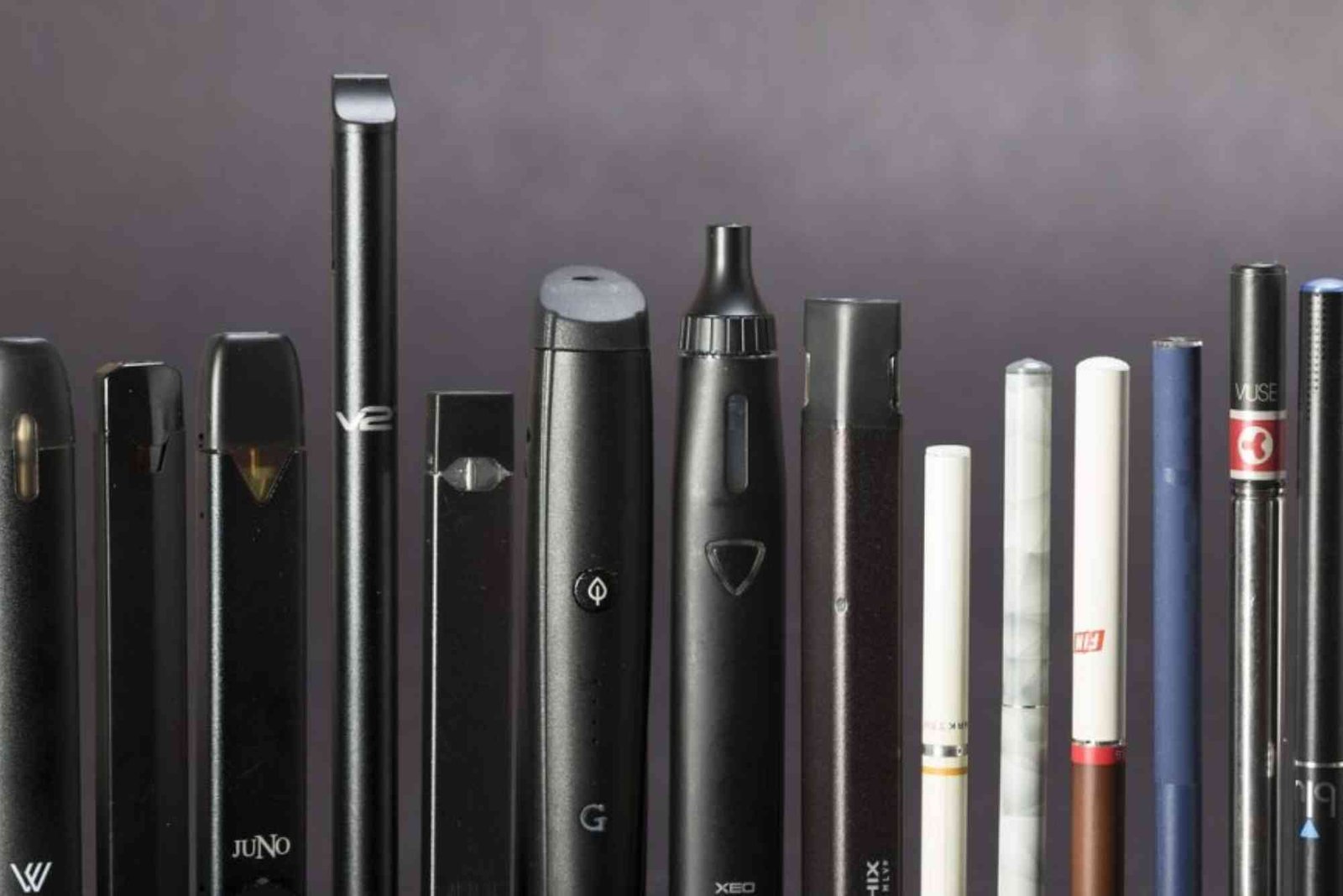
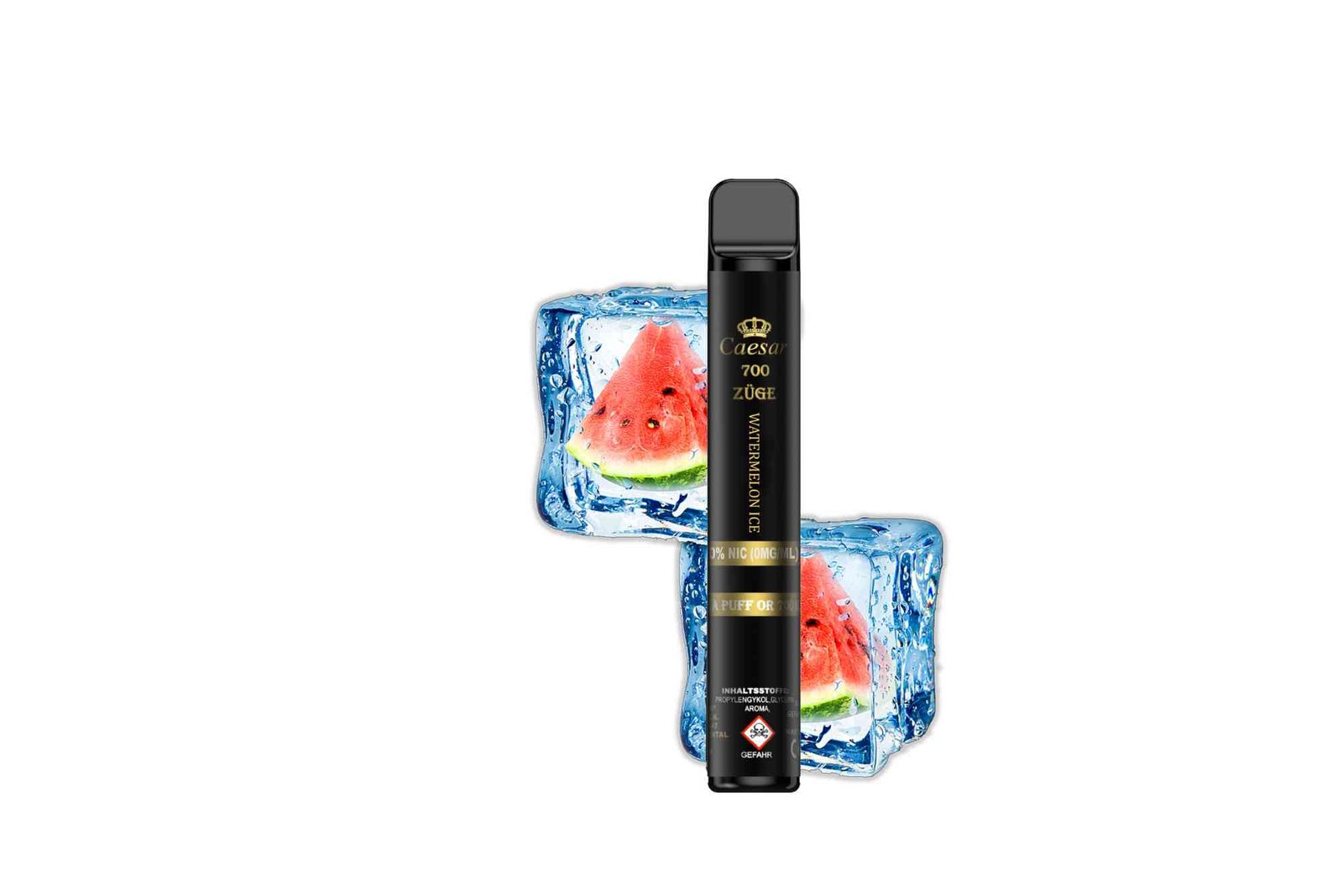
New Devices, Flavours, and Disposable Pods
The market continues to innovate, requiring ongoing monitoring and potential regulatory updates to ensure harm-reduction goals remain achievable.
Youth Vaping and Nicotine Addiction
Despite the regulations, youth vaping remains a concern. Continuous surveillance, research, and enforcement are necessary to maintain the law’s protective effects.
Dual Use and Relapse to Smoking
Some users continue to smoke alongside vaping or return to cigarettes. Regulation should support full switching, with quality products and education playing a key role.
Ongoing Evidence Gaps
Long-term health outcomes remain uncertain. Continued research is essential to ensure that harm-reduction strategies are effective and informed by the latest evidence.
The introduction of the new vaping laws UK 2016 is a landmark in the harm‑reduction debate. By establishing clear regulations, the UK created a safer environment in which adult smokers can switch to less harmful alternatives, while simultaneously protecting youth and non-smokers. These laws provide structure, enabling regulation instead of prohibition and creating a basis for future policy evolution.
For public-health professionals, clinicians, and stakeholders, understanding these laws is critical. They influence interventions, product safety evaluations, risk UK Department of Health archives — 2016 regulatory changes communication, and strategies for supporting smokers to switch. Harm reduction is actionable today because of the regulatory framework established in 2016.
If you want to explore the regulatory context further, consult the UK Department of Health archives on the 2016 regulatory changes. Advocate for balanced regulation that supports smokers in switching safely while safeguarding future generations. Stay informed, share knowledge, and engage in shaping the ongoing harm-reduction debate.
FAQs
Q1: What did the UK vaping laws in 2016 change?
The 2016 laws introduced limits on tank size, nicotine strength, refill container volume, required child-resistant packaging, banned certain additives, and mandated product notification.
Q2: How do these laws support harm reduction?
They regulate quality, access, and marketing, allowing adult smokers to switch safely while minimizing youth uptake and unintended harms.
Q3: Do the 2016 laws prevent all risks from vaping?
No. The laws reduce many risks, but long-term health effects are still under study, and new products continue to emerge.
Q4: Are flavours allowed under the 2016 regulations?
Yes, flavours are generally permitted, but certain additives like caffeine, taurine, and colourings are banned.
Q5: What should policymakers focus on next?
They should monitor market evolution, ensure quality products for smokers, protect youth, and support ongoing research into long-term effects and switching behavior.