Introduction
The debate over smoking and vaping is not just a health issue but also a legal one. In Minnesota, laws regulating tobacco and electronic nicotine devices continue to evolve. Understanding the differences between cigs and vapes Minnesota law is essential for smokers, vapers, health professionals, and policymakers. While cigarettes and vapes may look similar at a glance, they are regulated differently, and the science behind their health impacts is still unfolding. Recent studies shed light on how these differences influence public health and behavior. This article explores the legal distinctions, the health research, and what Minnesota residents need to know moving forward.
How Minnesota Defines Cigarettes and Vapes
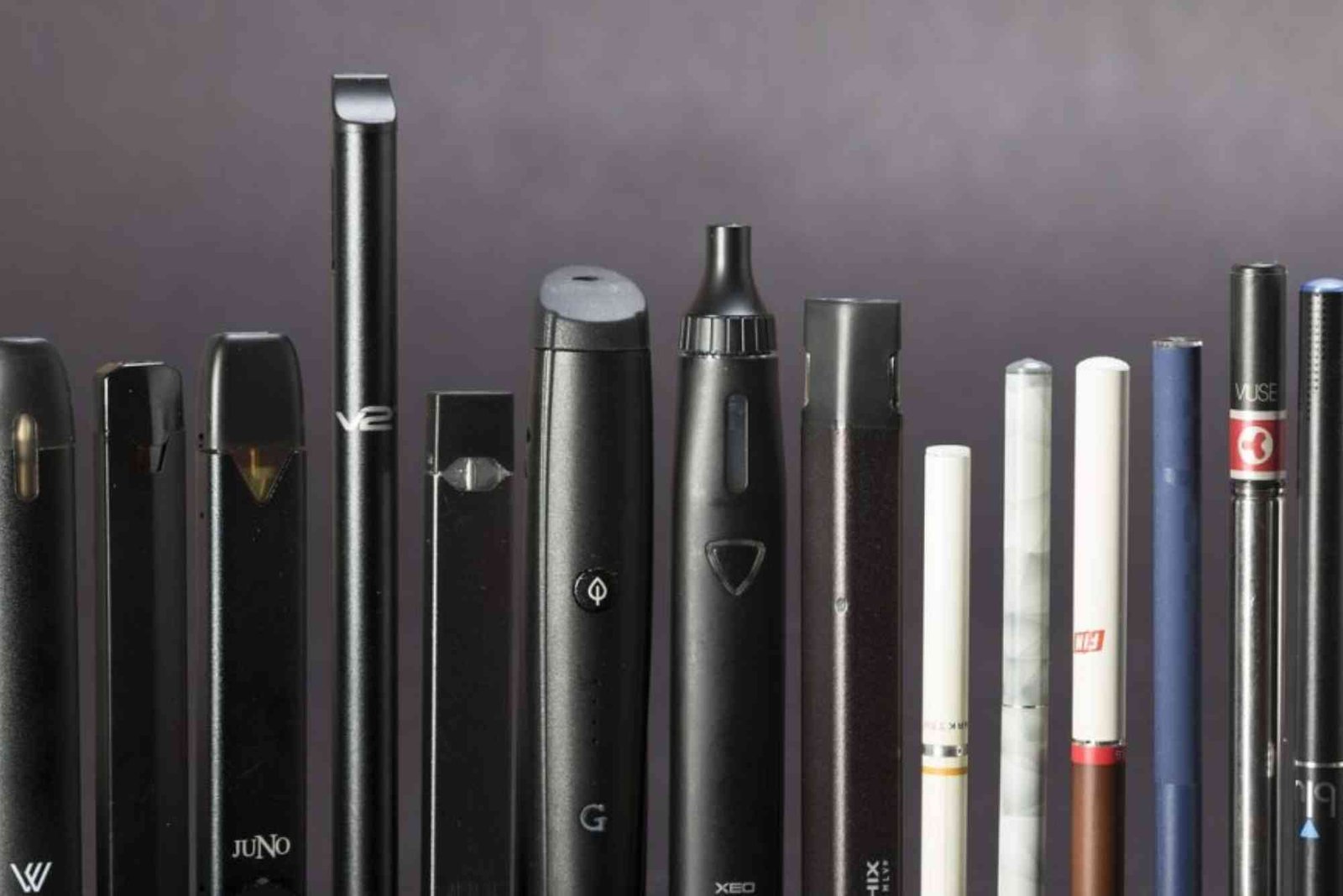
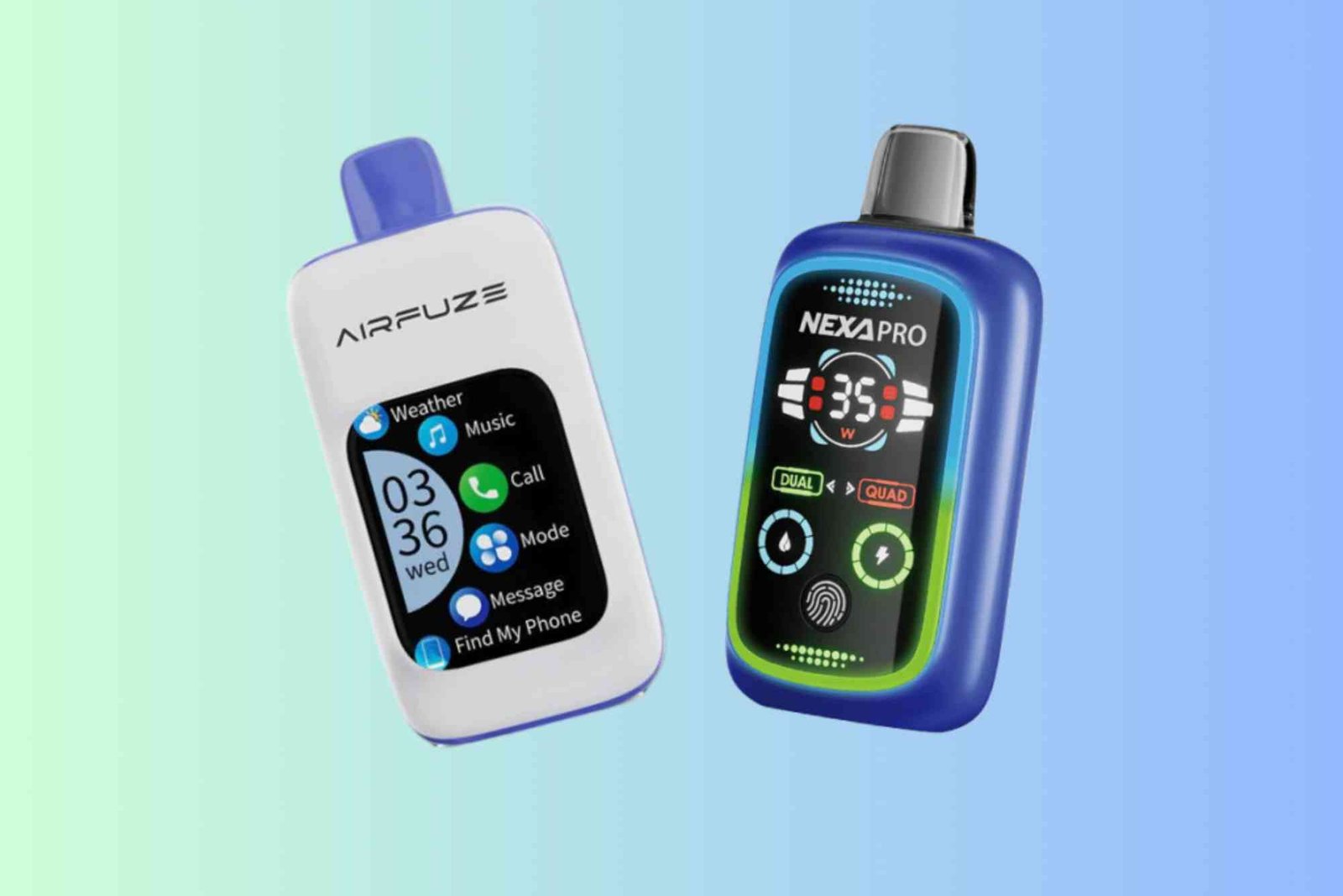
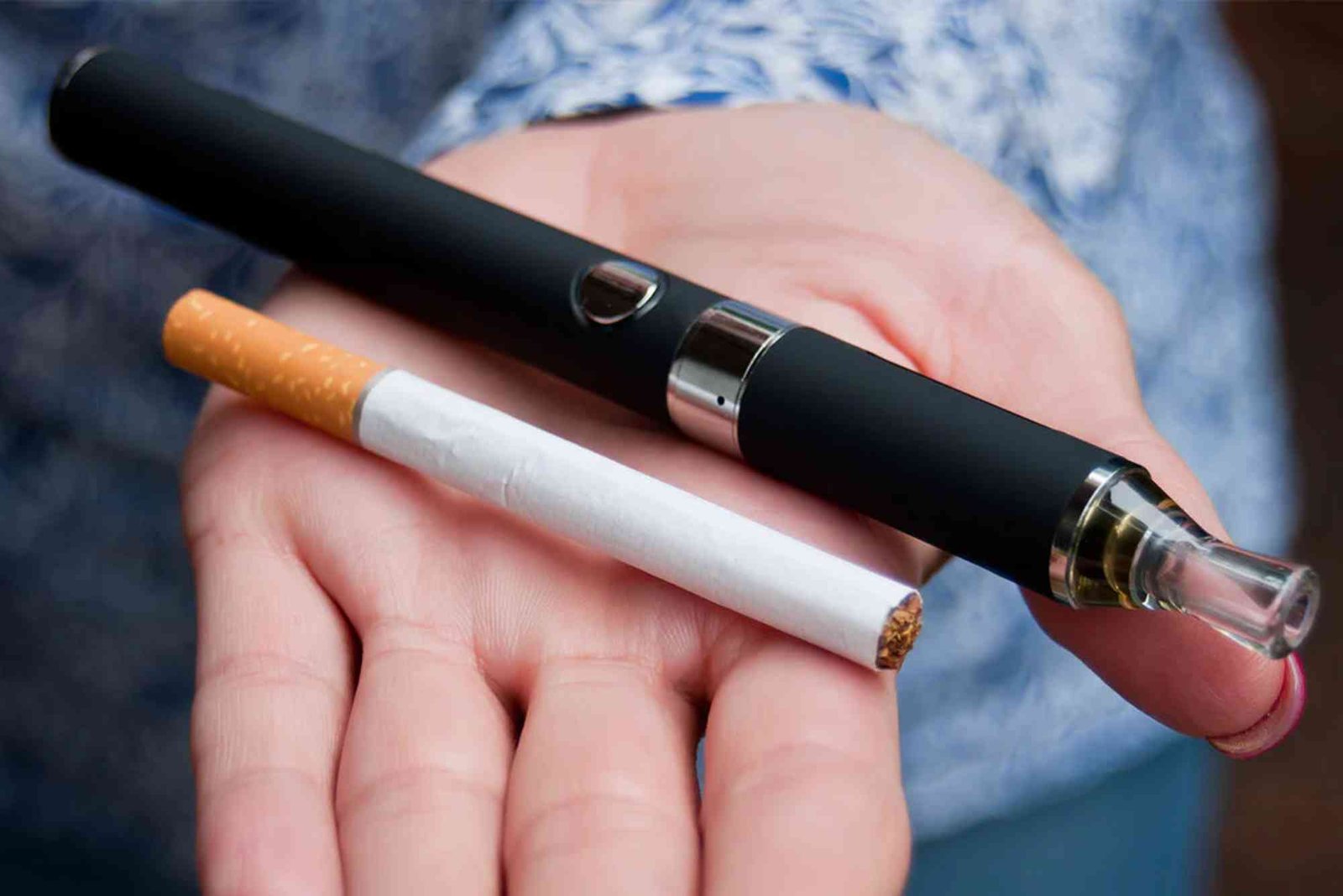
Under Minnesota law, cigarettes fall within the traditional tobacco category. They are taxed, restricted in public spaces, and subject to minimum purchase age requirements. Vapes, also called e-cigarettes or electronic delivery devices, are defined separately but regulated similarly. The law classifies any device delivering nicotine via aerosol as an electronic nicotine delivery system. This means disposable e-cigs, refillable vapes, and vape pens fall under the same umbrella. The legal distinction matters because while cigarettes rely on burning tobacco, vapes operate by heating e-liquid, usually containing nicotine, flavorings, and chemicals.
Differences Between Cigs and Vapes Minnesota Law
One of the most significant differences between cigs and vapes Minnesota law is taxation. Cigarettes carry heavy state excise taxes, while e-cigarettes were initially taxed differently. Over time, Minnesota lawmakers adjusted vape taxation to mirror traditional tobacco in an effort to discourage youth use. Another key difference lies in product definitions. Cigarettes are strictly tobacco-based, but vapes can include nicotine-free liquids. Yet, even nicotine-free vapes are often regulated under tobacco laws due to concerns about youth initiation.
Another difference is visibility in public spaces. Minnesota’s Clean Indoor Air Act prohibits smoking in most indoor public places, and vaping restrictions have been added to the same act. However, enforcement and interpretation sometimes vary, especially in smaller communities. The purchase age is another point of alignment. Minnesota follows the federal standard of 21 for both cigarettes and vapes.
What Studies Reveal About Cigarettes
Cigarettes have been studied for decades. The evidence is overwhelming: smoking causes lung cancer, cardiovascular disease, and chronic respiratory illness. The U.S. Surgeon General estimates that smoking leads to nearly half a million deaths annually nationwide. For Minnesota, cigarette smoking remains one of the leading causes of preventable death. Studies consistently show that the chemical cocktail in cigarette smoke—tar, carbon monoxide, and thousands of toxins—poses severe health risks, not only to smokers but also to those exposed to secondhand smoke.
What Studies Reveal About Vapes
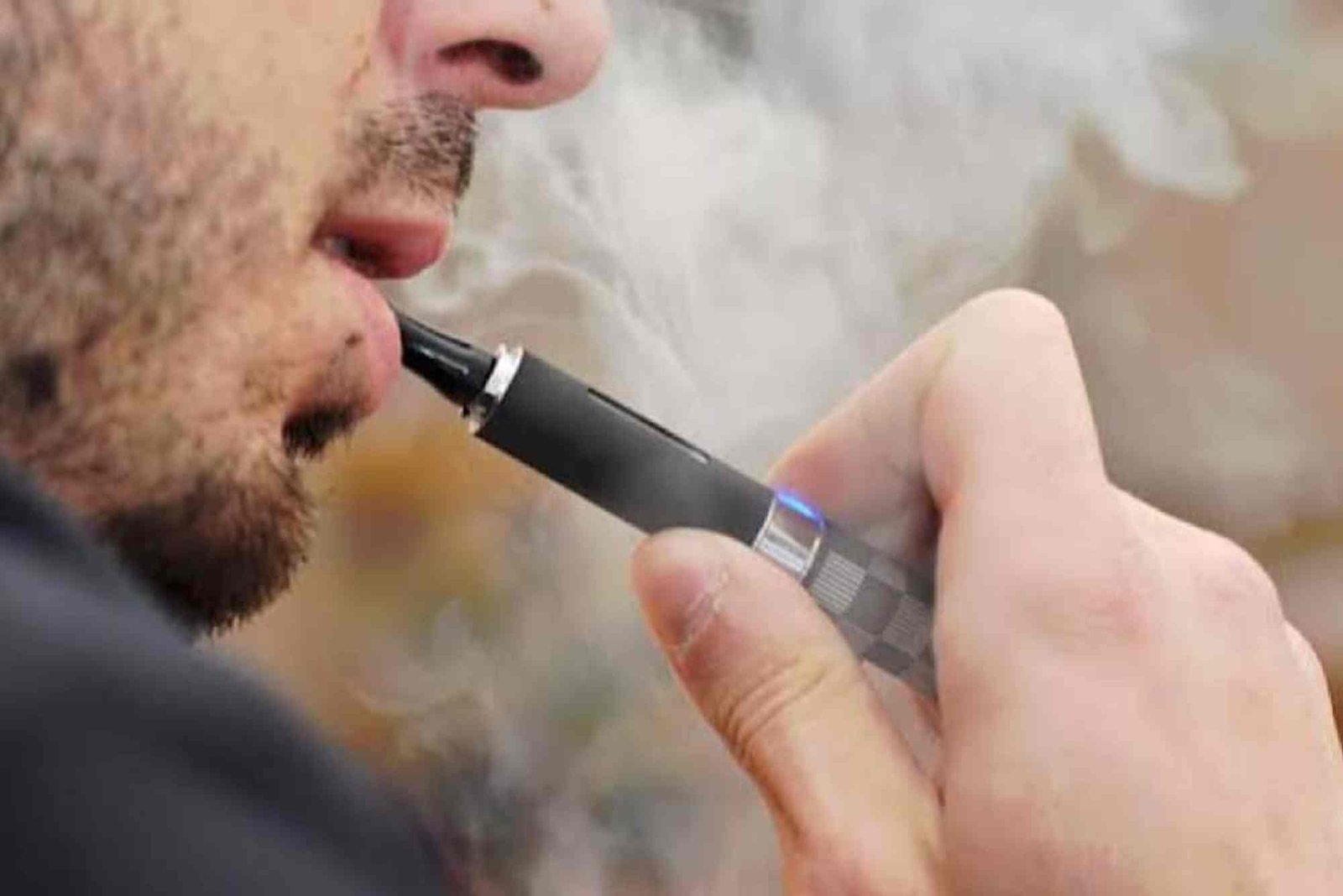
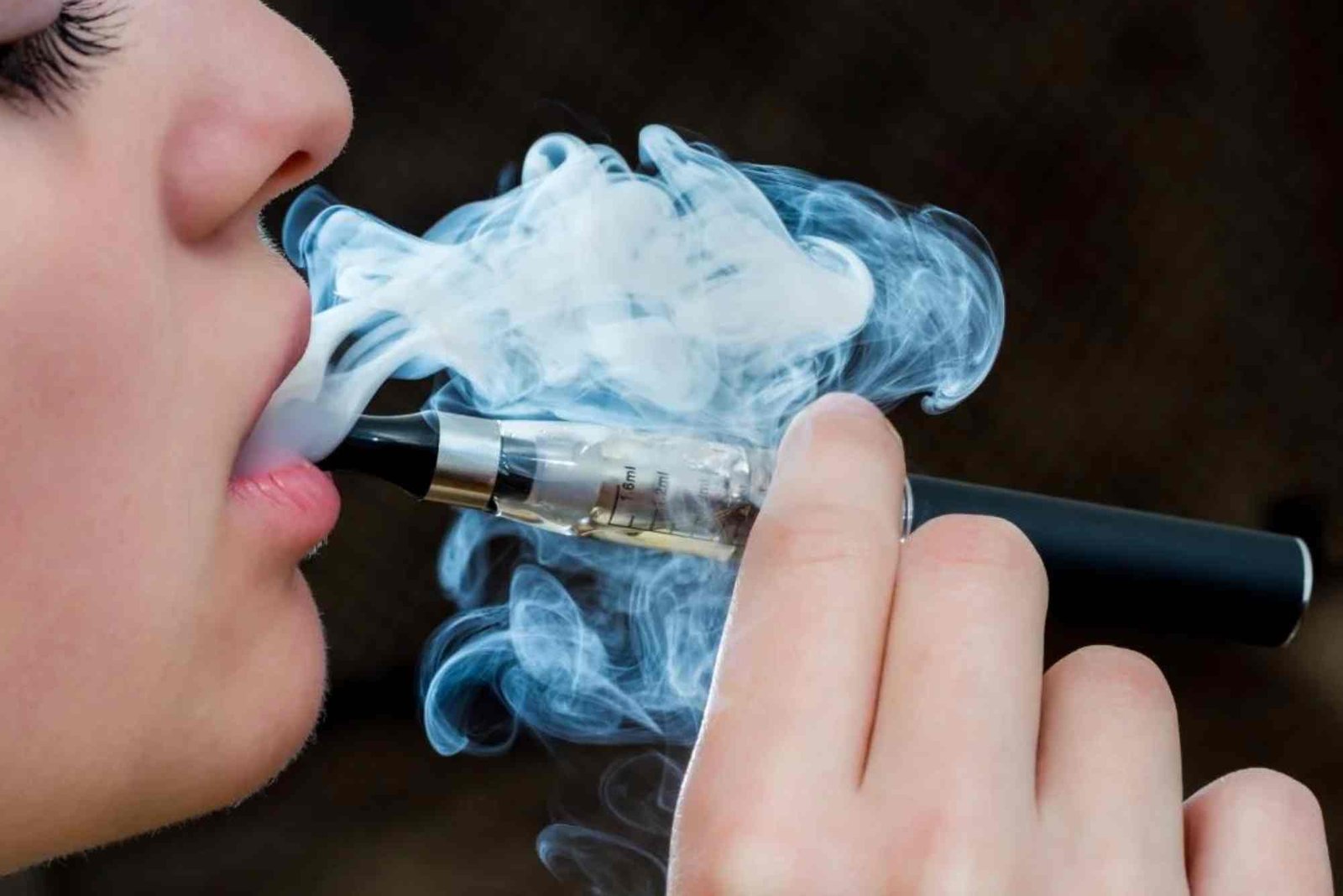
The science around vaping is newer, but research is growing rapidly. Studies reveal that while vapes expose users to fewer carcinogens than cigarettes, they are not risk-free. Nicotine remains highly addictive, and aerosolized chemicals like formaldehyde, acrolein, and metals can damage the lungs. Research also shows an alarming rise in vaping among Minnesota youth. According to the Minnesota Department of Health, teen vaping rates nearly doubled within a few years. This has raised concerns about a new generation becoming addicted to nicotine.

Some studies suggest that vaping may help long-term smokers quit, but evidence is mixed. While switching from cigarettes to vapes reduces exposure to harmful combustion products, dual use—where individuals smoke and vape—can maintain nicotine addiction and limit health benefits.
Comparing Health Impacts
The differences between cigs and vapes Minnesota law reflect differences in health risks. Cigarettes are universally recognized as deadly, with decades of data linking them to cancer and heart disease. Vapes may present lower levels of harm but still carry risks, particularly for youth and non-smokers. The long-term effects of vaping are not fully known since the products are relatively new. However, Minnesota policymakers are applying a precautionary approach, treating vapes similarly to cigarettes to protect public health.
Taxation and Economic Factors
Taxation illustrates another layer of differences. Cigarettes have long been a reliable source of state revenue through excise taxes. In Minnesota, these taxes also serve a public health purpose by discouraging smoking. Initially, vapes escaped similar taxation, but lawmakers closed that gap. Now, e-cigarettes face comparable taxes, though debates continue about fairness and effectiveness. Some argue higher vape taxes may push smokers back to cigarettes, while others believe equal taxation prevents youth uptake.
Public Perception in Minnesota
Public opinion is also shaped by law and health messaging. Many Minnesotans view cigarettes as unequivocally harmful, while vapes occupy a gray area. Studies reveal confusion among both adults and youth about the risks of vaping compared to smoking. Marketing, flavors, and sleek designs add to this perception challenge. Minnesota’s laws attempt to address this by aligning restrictions for cigarettes and vapes, signaling that both carry risks.
Impact on Youth and Schools
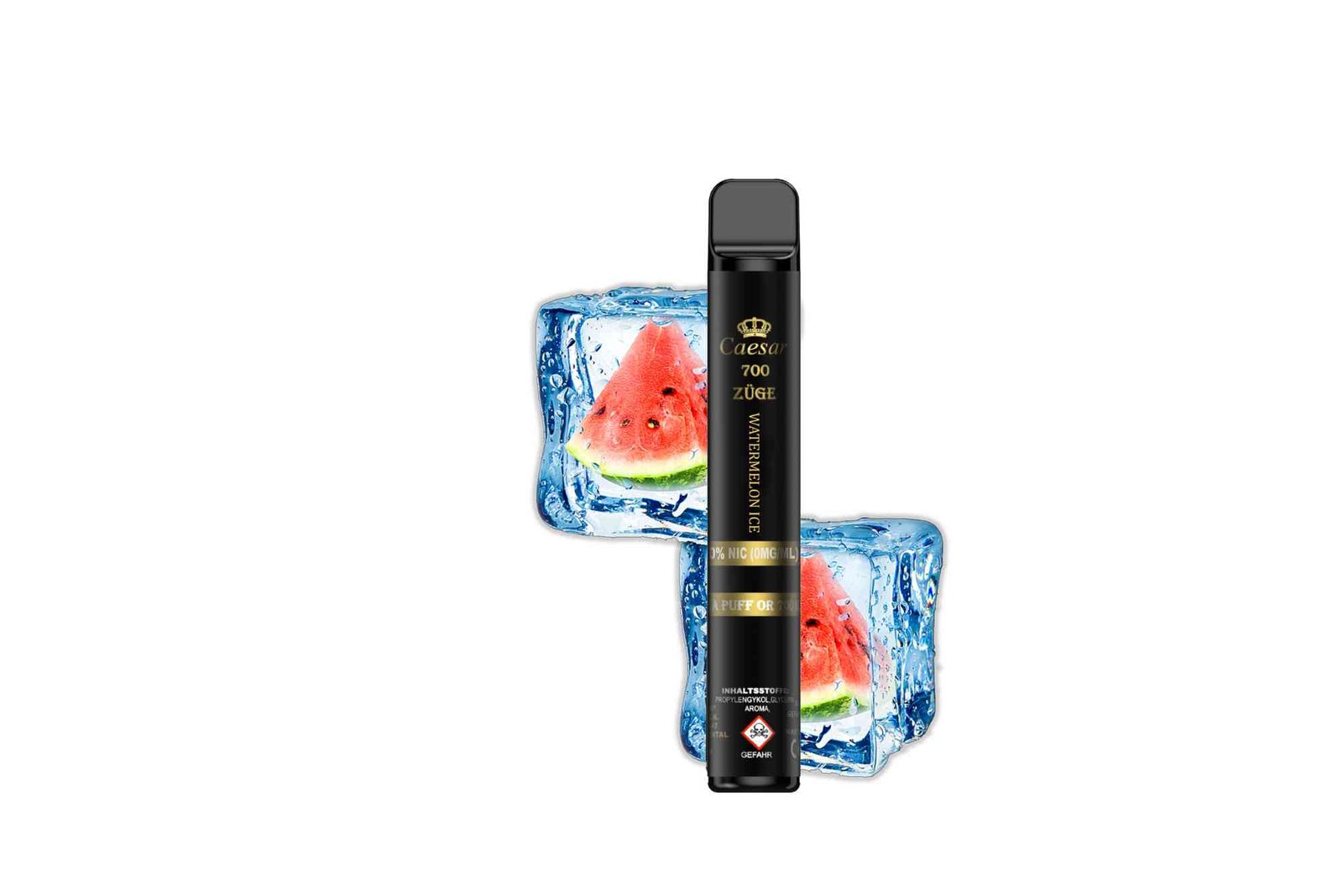
Youth use is at the center of Minnesota’s vaping debate. Cigarettes have declined dramatically among teens, thanks to strong public health campaigns and laws. However, vaping surged in the last decade. Studies reveal flavors like mango, mint, and cotton candy attract underage users. Schools across Minnesota report challenges with vape use in restrooms and classrooms. Lawmakers responded by raising the purchase age to 21 and extending indoor air restrictions to vaping. Still, enforcement remains an issue, and black-market products circulate.
The Role of Federal and State Alignment
Minnesota law does not operate in isolation. Federal laws, such as the Tobacco 21 Act, align with state policies. The Food and Drug Administration also regulates e-cigarettes, requiring premarket authorization. This creates a complex legal landscape where state and federal rules overlap. For Minnesota residents, this means that while vapes and cigarettes are distinct products, they are often regulated under similar frameworks for public health consistency.
Future of Minnesota Law
Looking ahead, the differences between cigs and vapes Minnesota law may continue to narrow. Policymakers are considering stricter flavor bans, higher taxes, and more robust enforcement. As more research emerges, lawmakers may adjust rules to balance harm reduction for adult smokers with prevention for youth. Public health experts argue that treating vapes with the same seriousness as cigarettes is the safest path until long-term data provides clarity.
FAQs
Are vapes legal in Minnesota?
Yes, vapes are legal but regulated under state and federal tobacco laws. You must be 21 or older to buy them.
Can you vape indoors in Minnesota?
Generally no. The Minnesota Clean Indoor Air Act prohibits vaping in most public indoor spaces, similar to cigarette smoking.
Are vapes taxed like cigarettes in Minnesota?
Yes, vapes face comparable taxes to cigarettes, though the exact rates can vary depending on product type.
Is vaping safer than smoking according to studies?
Studies suggest vaping exposes users to fewer toxins than cigarettes, but it is not risk-free and remains addictive.
Do Minnesota schools ban vaping?
Yes, vaping is banned in all schools, and districts report disciplinary issues related to student vape use.
Understanding the differences between cigs and vapes Minnesota law requires examining legal frameworks, health studies, and social impacts. Cigarettes are firmly established as harmful, while vapes occupy a complex middle ground—less dangerous but still risky. Minnesota lawmakers, health experts, and schools are adapting policies to reflect this evolving science. For residents, the message is clear: neither cigarettes nor vapes are without consequences. Whether you are a smoker considering quitting, a parent concerned about youth vaping, or a policymaker weighing regulations, staying informed is crucial.