Introduction
Why are vapes regulated by the FDA, and what does this mean for public health? This question has become increasingly important as vaping continues to influence the tobacco industry. Electronic cigarettes are often discussed as alternatives to traditional combustible cigarettes. However, their ingredients, nicotine content, manufacturing standards, and potential health effects require careful oversight.
The United States Food and Drug Administration (FDA) regulates vaping products because they contain nicotine or other substances that can affect human health. These regulations aim to protect consumers, prevent youth access, and ensure manufacturers meet specific legal requirements.
Nevertheless, FDA regulation also plays an important role in the harm reduction debate. Supporters argue that vaping may help some adult smokers move away from combustible cigarettes. Critics emphasize nicotine addiction, uncertain long-term effects, and youth vaping.
Understanding why are vapes regulated by the FDA helps explain the balance between consumer protection, smoking alternatives, and responsible product innovation.
Why Are Vapes Regulated by the FDA?
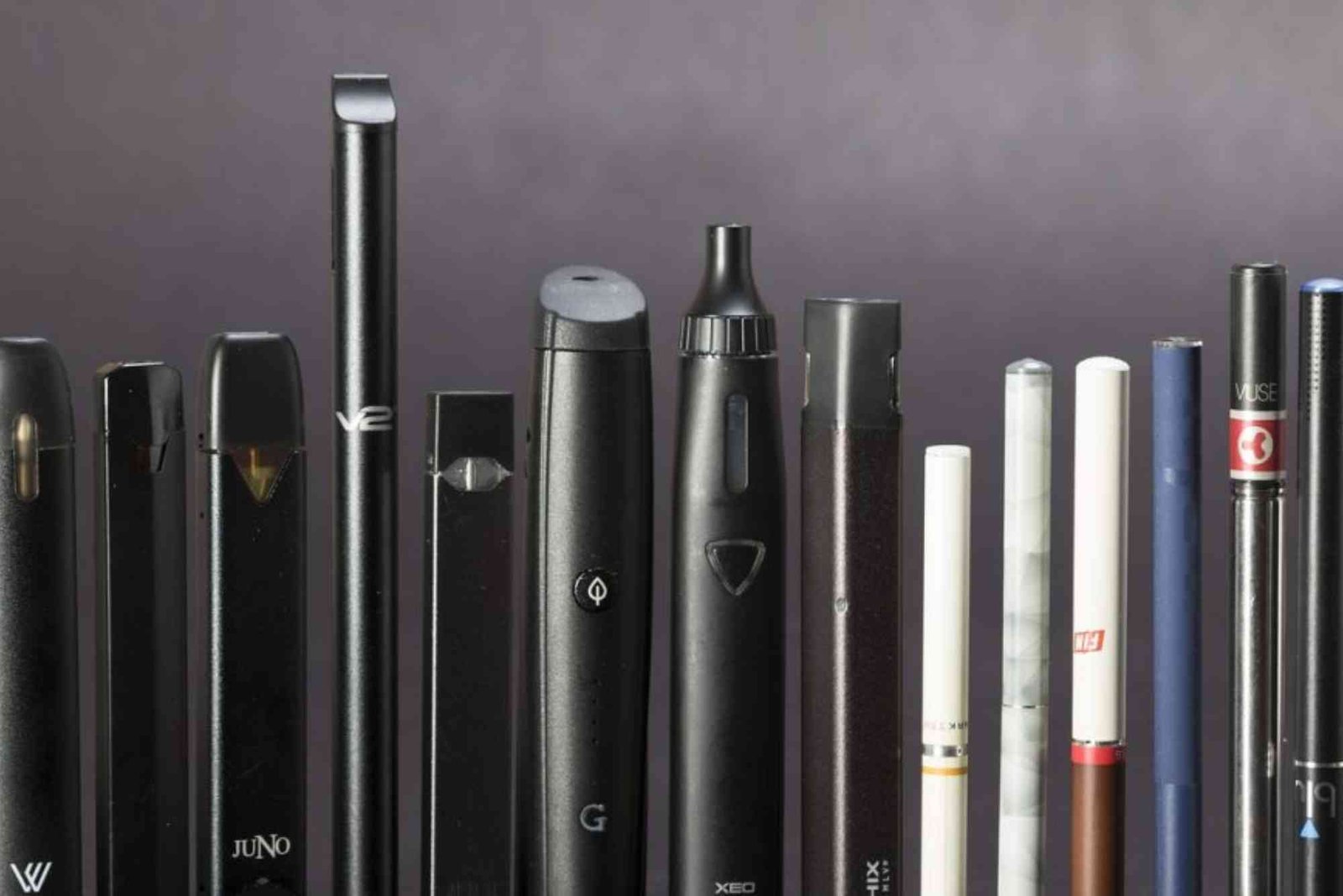
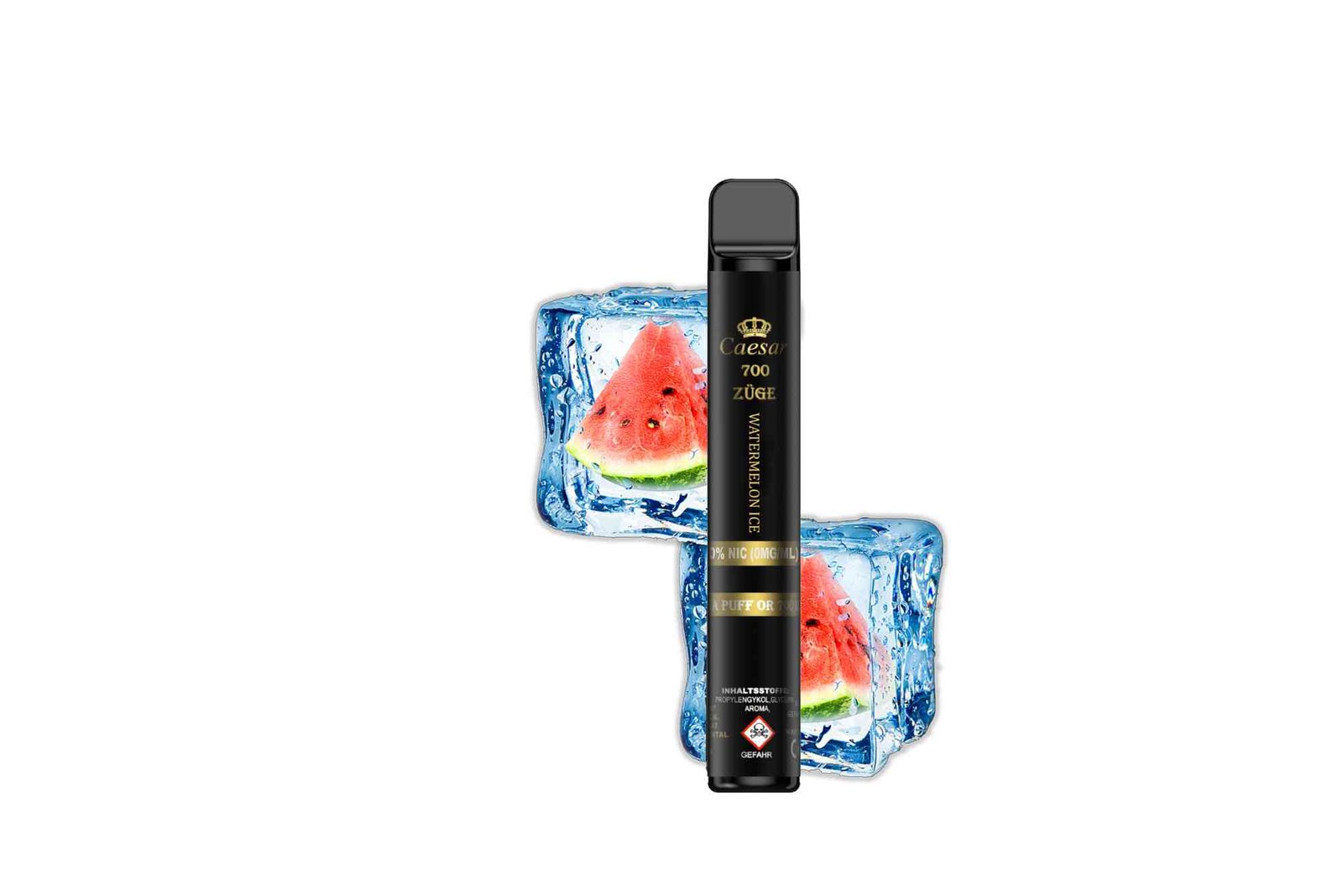
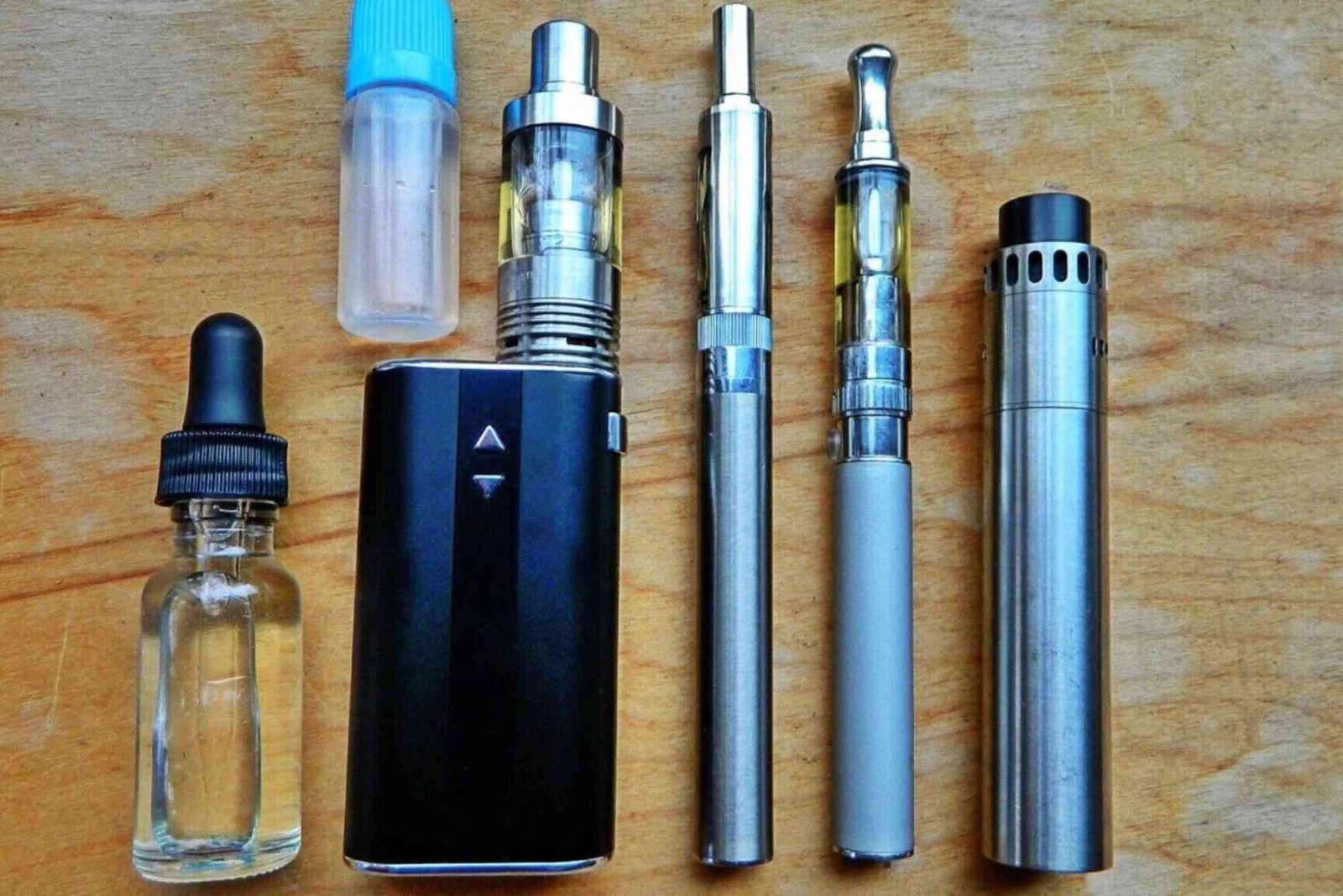
The FDA regulates electronic nicotine delivery systems because they fall under federal tobacco product legislation. These products include electronic cigarettes, vape pens, e-liquids, cartridges, and certain disposable vaping devices.
In 2016, the FDA extended its tobacco regulatory authority to include additional products. This decision established important requirements for the vaping industry.

The primary purpose is to protect public health while monitoring products that contain potentially addictive substances.
Protecting Consumers From Potential Health Risks
Vaping products can contain nicotine, flavoring chemicals, solvents, and other ingredients. Their composition varies between manufacturers and product types.
Without appropriate oversight, consumers may encounter inaccurately labeled products or potentially harmful ingredients. Regulatory requirements help establish accountability.
The FDA also evaluates scientific evidence when considering whether specific products can legally enter the American market.
Preventing Underage Vaping
Youth nicotine exposure remains a major public health concern. Nicotine can affect brain development during adolescence.
Therefore, federal regulations restrict the sale of tobacco products, including covered vaping products, to individuals under 21.
The FDA also monitors marketing practices that could attract younger audiences. These measures aim to reduce youth experimentation and nicotine dependence.
How FDA Regulations Affect the Vaping Industry
FDA regulations influence how vaping products are manufactured, marketed, distributed, and sold.
Manufacturers must understand applicable federal requirements before introducing products into the American market.
Premarket Tobacco Product Applications
One important requirement is the Premarket Tobacco Product Application (PMTA).
Manufacturers generally must receive FDA authorization before legally marketing a new tobacco product in the United States.
A PMTA includes scientific information about the product, manufacturing processes, ingredients, and potential public health effects.
The FDA evaluates whether marketing the product would be appropriate for the protection of public health.
Importantly, submitting an application does not automatically authorize a product for sale.
Product Standards and Manufacturing Requirements
Product consistency is another important regulatory consideration.
Manufacturers must follow applicable requirements concerning ingredients, packaging, labeling, and manufacturing practices.
These requirements help reduce uncertainty about product composition and quality.
However, FDA authorization does not mean a vaping product is completely safe. It means the product has met the applicable legal standard for marketing.
Why Are Vapes Regulated by the FDA in the Harm Reduction Debate?
The relationship between vaping regulation and harm reduction is complicated.
Harm reduction focuses on reducing the negative consequences associated with risky behaviors. In tobacco control, this discussion frequently compares combustible cigarettes with alternative nicotine products.
Traditional cigarettes burn tobacco and produce smoke containing thousands of chemicals. Many are harmful, and numerous substances are linked to serious diseases.
Vaping products generally heat an e-liquid instead of burning tobacco. Consequently, their emissions differ from conventional cigarette smoke.
However, vaping is not risk-free.
Understanding the Potential Role of Vaping
Some researchers consider regulated vaping products potentially less harmful than continued combustible cigarette smoking for adults who switch completely.
The distinction is important because reducing exposure to harmful combustion products may benefit established smokers.
U.S. FDA — tobacco products regulation overview However, the evidence does not establish that vaping is harmless. Aerosols can contain substances that affect respiratory and cardiovascular health.
Furthermore, nicotine dependence remains a significant concern.
Why Regulation Matters for Harm Reduction
Effective regulation can support harm reduction by encouraging accurate product information and responsible manufacturing.
It can also discourage misleading health claims and prevent unauthorized products from being marketed without appropriate review.
At the same time, excessively restrictive or poorly designed regulations may limit access to alternatives for adult smokers.
Therefore, policymakers must consider both potential benefits and possible risks.
FDA Regulation Versus Traditional Tobacco Product Regulation
Vaping products and traditional tobacco products fall under the FDA’s tobacco regulatory framework. However, their physical characteristics and consumption methods differ.
The following table explains their important regulatory and public health distinctions.
|
Comparison |
Vaping Products |
Traditional Cigarettes |
|---|---|---|
|
Consumption method |
Heating e-liquid |
Burning tobacco |
|
Nicotine exposure |
Varies by product |
Usually contains nicotine |
|
Combustion |
No tobacco combustion |
Tobacco combustion occurs |
|
FDA oversight |
Subject to tobacco regulations |
Subject to tobacco regulations |
|
Youth sales |
Prohibited under 21 |
Prohibited under 21 |
|
Health risks |
Not risk-free |
Established serious health risks |
|
Premarket requirements |
Applicable to new products |
Depends on applicable product requirements |
This comparison demonstrates why vaping products require specific regulatory consideration.
Although both categories are regulated, their manufacturing processes, ingredients, and potential health effects differ.
How FDA Regulations Protect Public Health
FDA oversight involves several important public health responsibilities.
Controlling Product Marketing
Vaping advertisements can influence consumer perceptions and purchasing decisions.
Regulatory oversight helps prevent unsupported claims about product safety and health benefits.
Companies must comply with applicable advertising and labeling restrictions.
This is particularly important when marketing materials could appeal to teenagers or misrepresent nicotine-related risks.
Monitoring Ingredients and Product Information
Consumers should receive accurate information about vaping products.
Labels and other required disclosures can help explain nicotine content and relevant product details.
Manufacturers must also comply with applicable ingredient reporting and manufacturing requirements.
However, consumers should not interpret regulatory compliance as proof of zero health risks.
Monitoring Emerging Scientific Evidence
Vaping technology continues to change.
New devices, formulations, and delivery systems introduce additional questions about product safety.
The FDA evaluates scientific information and can take regulatory action when appropriate.
This ongoing oversight is essential because long-term evidence concerning many vaping products remains incomplete.
Challenges Facing FDA Vape Regulations
Despite its public health objectives, vaping regulation presents several challenges.
Unauthorized Products and Market Availability
Some vaping products enter the American market without the required FDA marketing authorization.
Their availability creates enforcement challenges and raises questions about manufacturing standards.
The FDA can pursue enforcement actions against companies that violate applicable requirements.
However, monitoring a large and changing marketplace requires substantial resources.
Balancing Adult Access and Youth Protection
Policymakers face an important challenge.
They must prevent youth nicotine use without ignoring adult smokers seeking alternatives to combustible cigarettes.
A balanced regulatory approach should consider age restrictions, product standards, scientific evidence, and responsible marketing.
Scientific Uncertainty
Research into the long-term effects of vaping continues.
Different devices, ingredients, and patterns of use can produce different exposure levels.
Therefore, regulators must evaluate new evidence without making unsupported assumptions.
Clear communication about known risks and remaining uncertainties is essential.
What FDA Authorization Actually Means for Consumers
FDA authorization is an important regulatory distinction.
A product receiving marketing authorization has undergone the applicable review process. However, this does not mean the FDA has certified it as safe or approved it as a smoking cessation medicine.
Consumers should understand the difference between authorization and medical approval.
The following table summarizes common regulatory terms.
|
Regulatory Term |
Meaning |
|---|---|
|
FDA authorized |
Permitted to be marketed under the applicable authorization |
|
FDA approved |
A formal approval under a specific FDA regulatory pathway |
|
Unauthorized product |
Lacks the required marketing authorization |
|
PMTA |
Application requesting permission to market a new tobacco product |
|
Modified risk order |
Authorization for specific reduced-risk claims under strict conditions |
These distinctions help consumers avoid misleading advertising.
They also explain why manufacturers cannot automatically describe vaping products as FDA-approved smoking cessation treatments.
Frequently Asked Questions
Why does the FDA regulate vaping products?
What is the main reason the FDA regulates vapes?
The FDA regulates vaping products to protect public health. Its responsibilities include reviewing applicable product applications, enforcing tobacco regulations, and preventing youth access.
The agency also monitors manufacturing, labeling, and marketing practices.
Are vapes FDA approved?
Does FDA authorization mean vaping products are safe?
No. FDA marketing authorization does not mean a vaping product is completely safe.
It means the product has met the applicable legal requirements for marketing. Nicotine addiction and other potential health risks remain important concerns.
Are vapes safer than cigarettes?
Is vaping less harmful than smoking traditional cigarettes?
Vaping generally exposes users to fewer harmful chemicals than combustible cigarette smoke. However, this does not establish that vaping is safe.
For adults who smoke, completely switching may reduce exposure to certain harmful substances. Quitting all tobacco products remains the best option for health.
Can the FDA ban vaping products?
Does the FDA have authority to restrict vape products?
Yes. The FDA can take regulatory and enforcement actions against products that violate applicable federal requirements.
Depending on the circumstances, these actions can include warning letters, import restrictions, and other enforcement measures.
Why are flavored vapes regulated?
Are flavored vaping products harmful to young people?
Flavored products can increase their appeal to younger consumers. This creates concerns about early nicotine exposure and addiction.
The FDA considers applicable product applications and marketing evidence when evaluating flavored tobacco products.
Is FDA-regulated vaping part of harm reduction?
Can vaping help smokers reduce tobacco-related harm?
Some evidence suggests that completely switching from combustible cigarettes to vaping can reduce exposure to harmful chemicals.
However, vaping carries health risks and is not an FDA-approved smoking cessation treatment.
Adults seeking to quit should discuss established cessation options with healthcare professionals.
TheVapeza.com is a useful online destination for people interested in vaping products, devices, accessories, and related information. It can help readers explore different vape options, understand product features, and stay informed about the latest trends in the vaping industry. Whether you are new to vaping or an experienced user, TheVapeza.com offers helpful insights.
Conclusion
Understanding why are vapes regulated by the FDA matters in the harm reduction debate requires examining public health, consumer protection, and scientific evidence together.
FDA regulations establish important standards for vaping products. They also address youth access, manufacturing requirements, marketing practices, and product authorization.
However, regulation does not eliminate every potential health risk. Vaping can maintain nicotine dependence, and its long-term effects remain an important research concern.
The challenge is creating policies that protect young people while considering evidence-based alternatives for adults who smoke.
Call to Action: Stay informed about FDA vaping regulations and emerging public health research. Understanding the difference between FDA authorization, product safety, and harm reduction helps consumers make better-informed decisions.