Vaping Meets Sustainability: The Future of Eco-Friendly Vape Accessories
Vaping Meets Sustainability: The Future of Eco-Friendly Vape Accessories is becoming an important topic in conversations about responsible product design. Environmental awareness is influencing how consumers evaluate everyday products. Consequently, manufacturers are facing greater pressure to reduce waste and improve material choices.
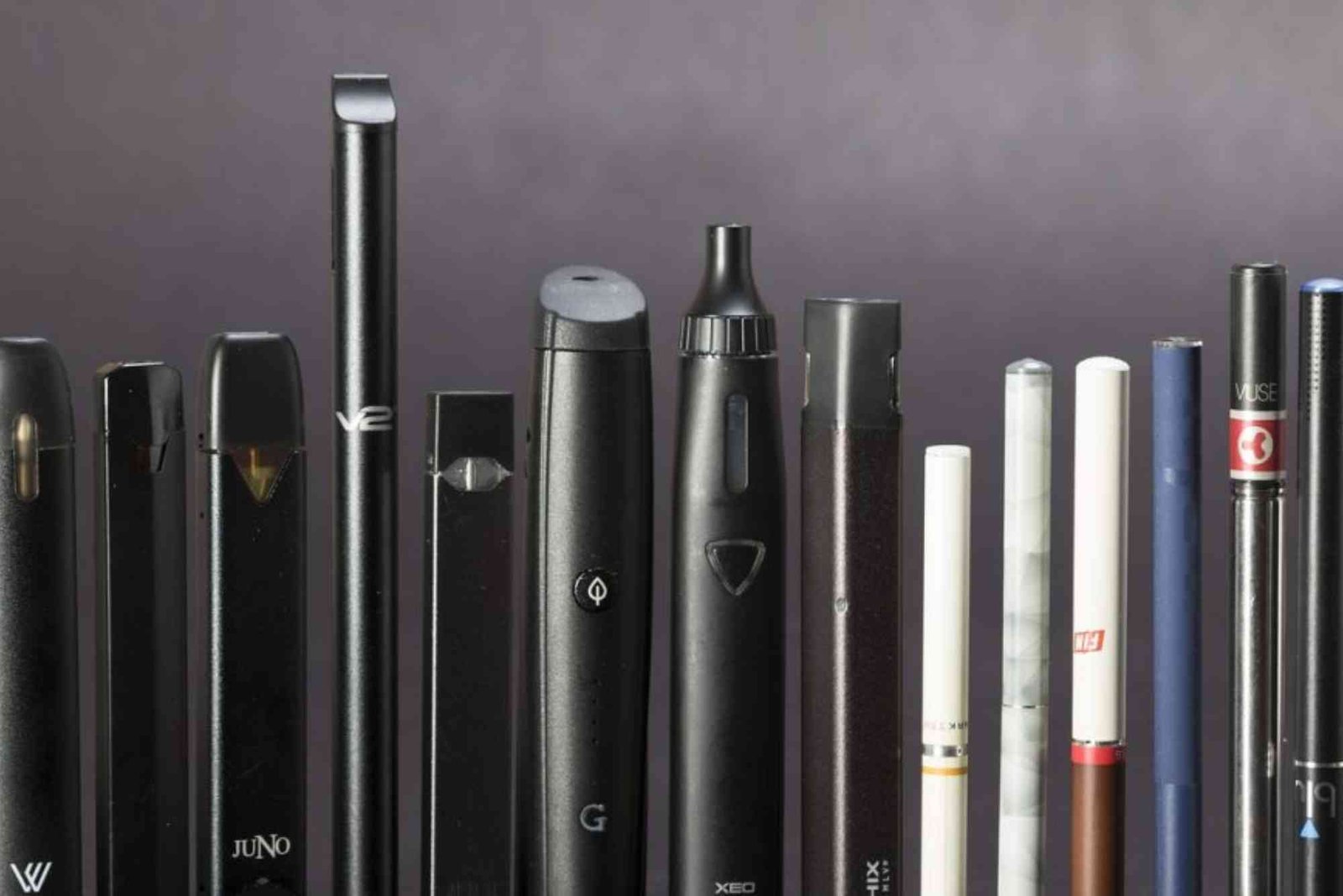
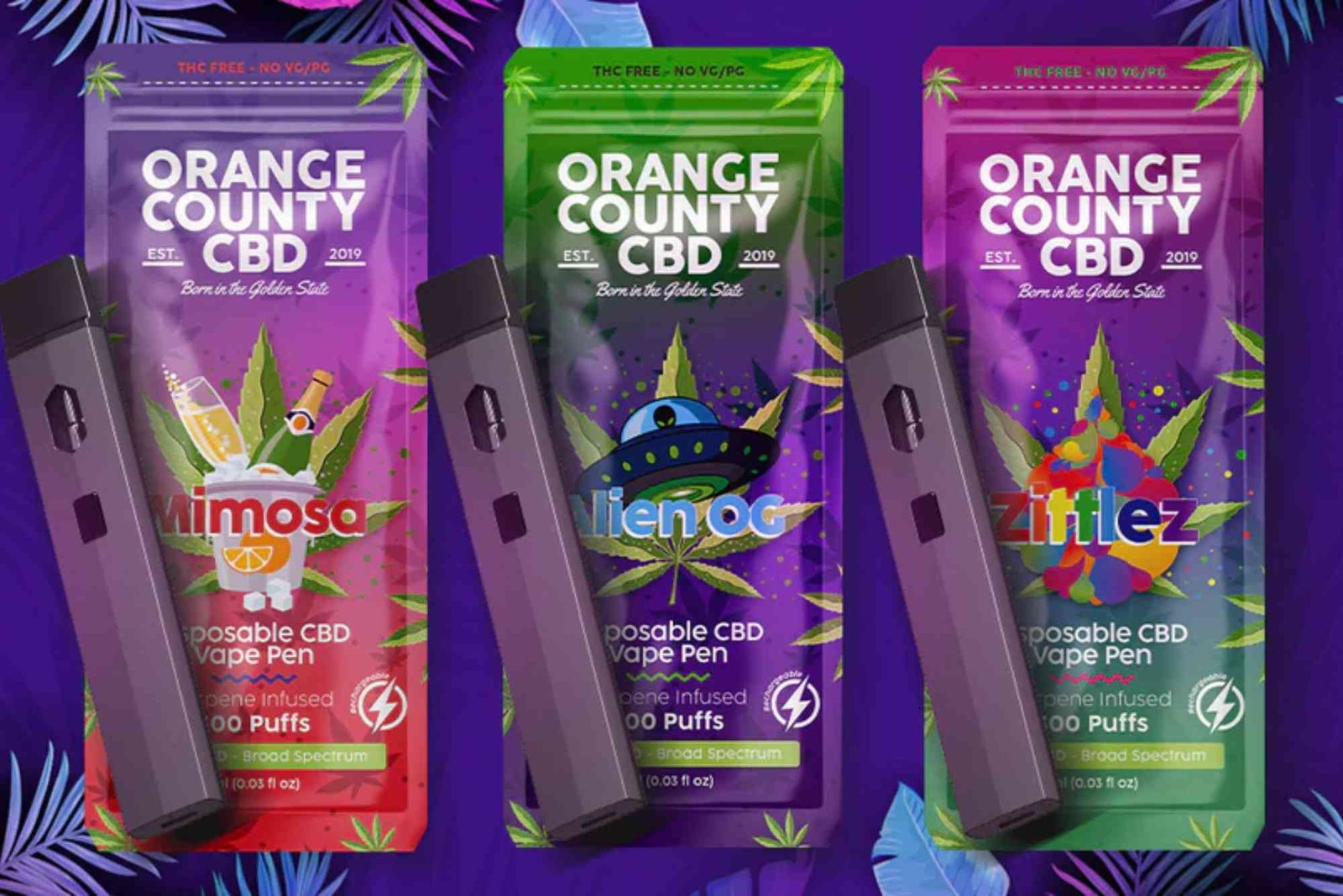
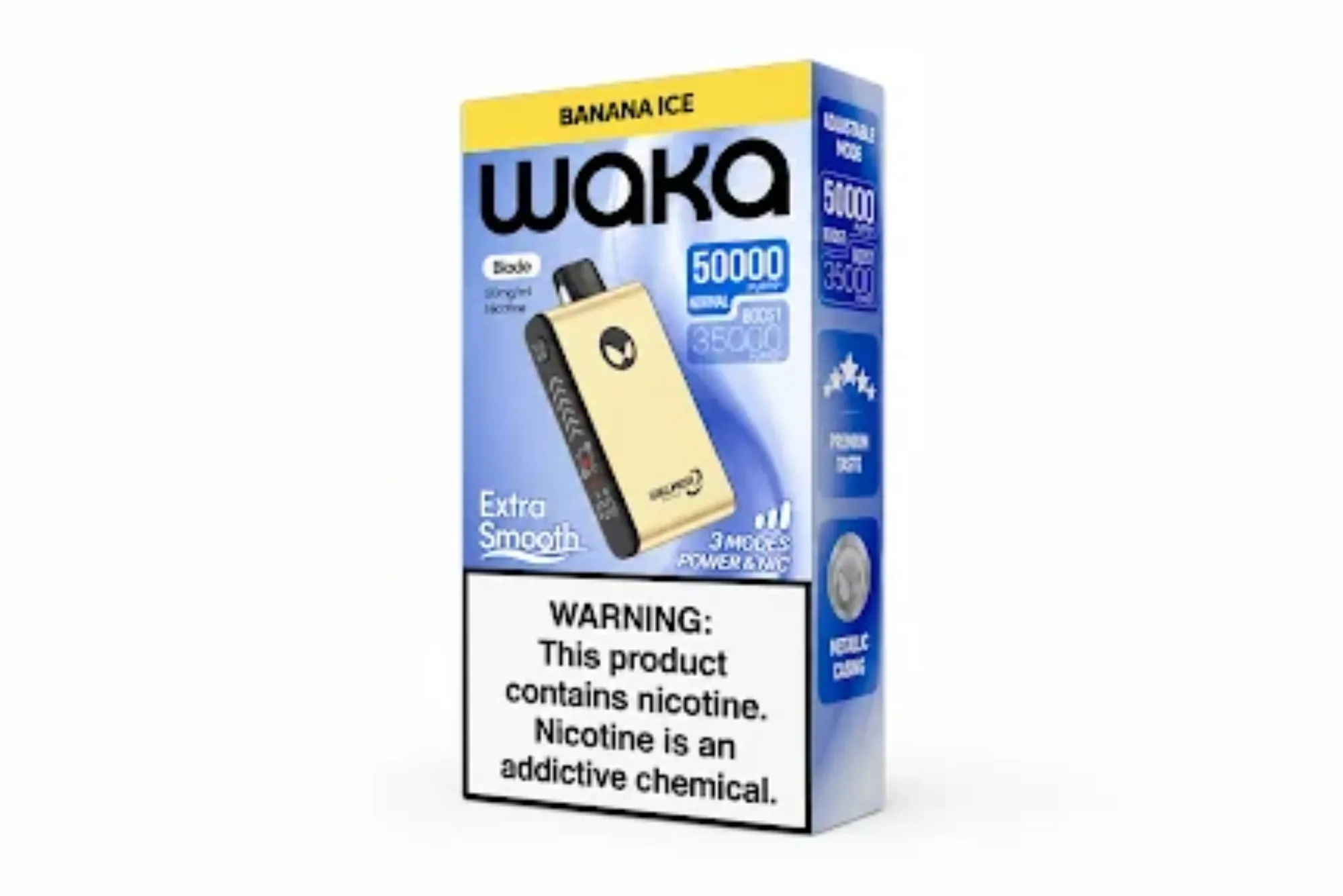
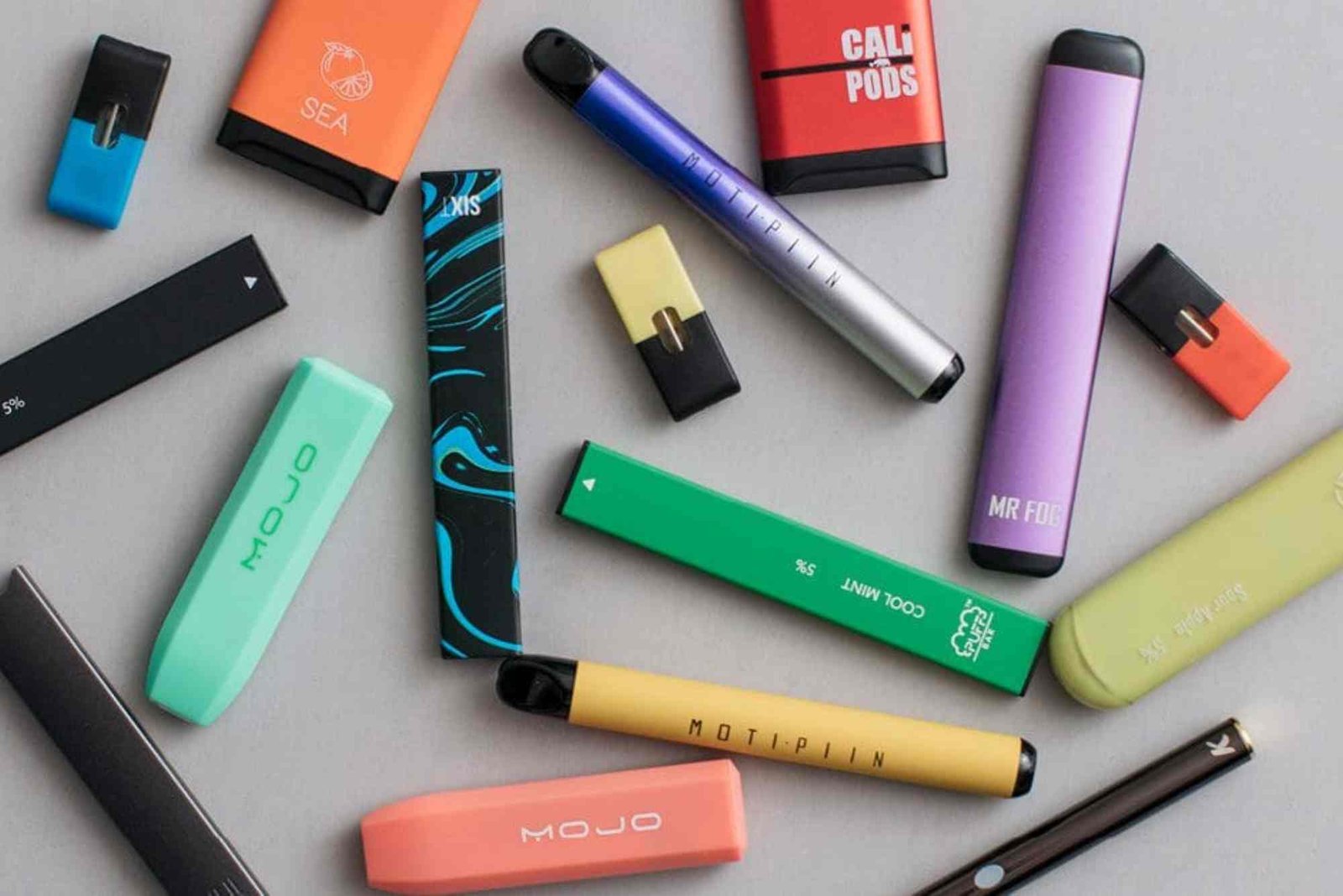
Traditional vaping products can create environmental challenges. Disposable devices, plastic packaging, batteries, and electronic components require careful disposal. When these materials enter ordinary waste streams, they can contribute to pollution. Therefore, sustainability deserves greater attention throughout the vaping industry.
The growing interest in sustainable fashion trends in 2025 also reflects a wider consumer movement. People increasingly consider durability, responsible manufacturing, and material transparency when purchasing products. Similarly, vaping accessories could benefit from more environmentally conscious development.
However, genuine sustainability requires more than attractive packaging or environmental marketing. It involves responsible sourcing, longer product lifespans, repairability, and appropriate recycling systems. Understanding these factors helps consumers recognize meaningful environmental improvements.
Why Vaping Meets Sustainability Matters for the Environment
Environmental responsibility is becoming increasingly relevant across consumer industries. The vaping sector faces particular challenges because many products combine plastics, metals, electronics, and batteries.
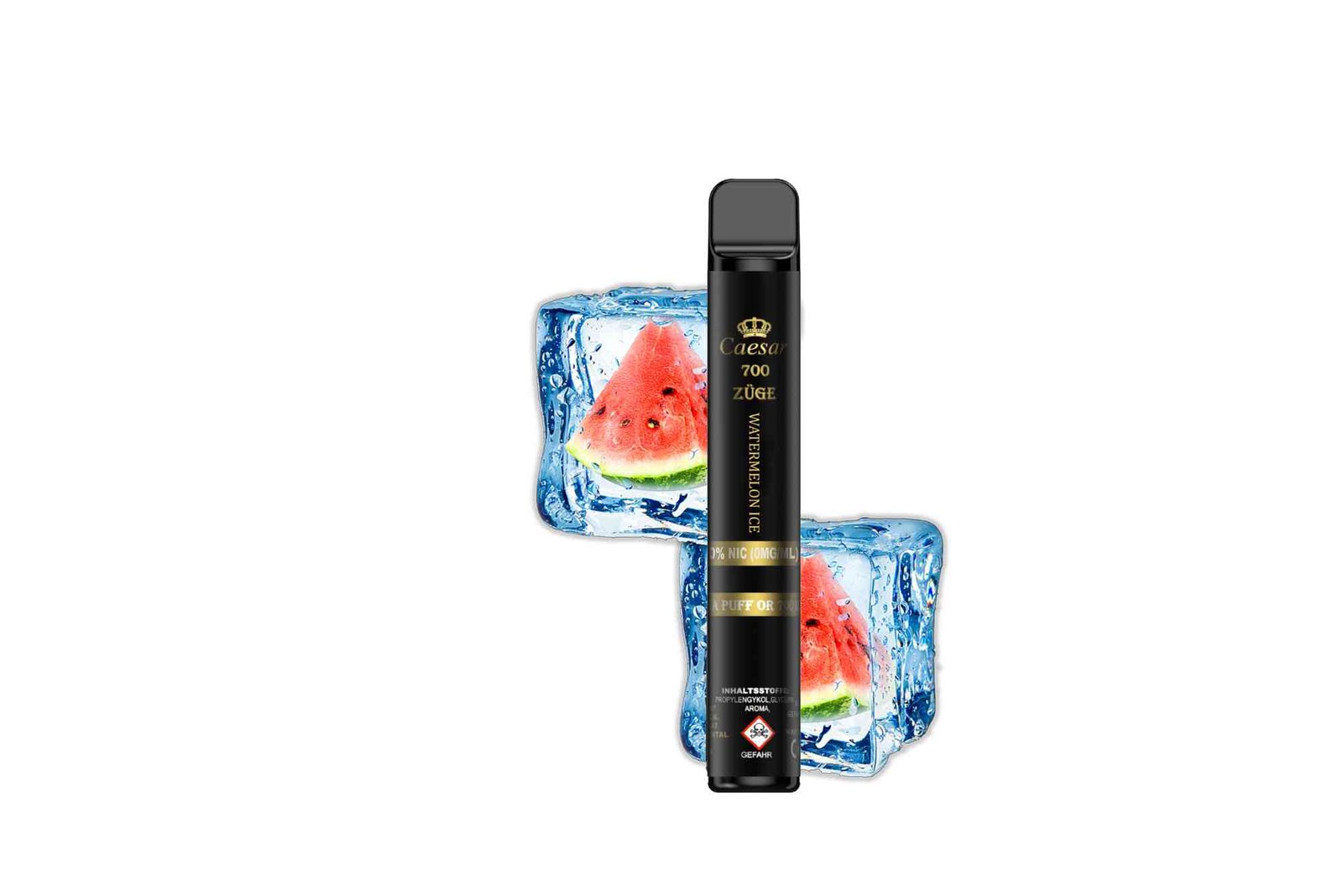
Disposable devices can create unnecessary waste when discarded after relatively short periods. Their mixed materials also make recycling more complicated.

Sustainable product development aims to address these problems through improved manufacturing and waste management. Instead of focusing exclusively on appearance and convenience, manufacturers can consider the entire product lifecycle.
Another important consideration involves electronic waste. Batteries and electronic components require specialized handling. Improper disposal can introduce hazardous materials into the environment.
Consequently, responsible disposal programs and accessible recycling facilities are essential parts of any credible sustainability strategy.
How Eco-Friendly Vape Accessories Could Transform the Industry
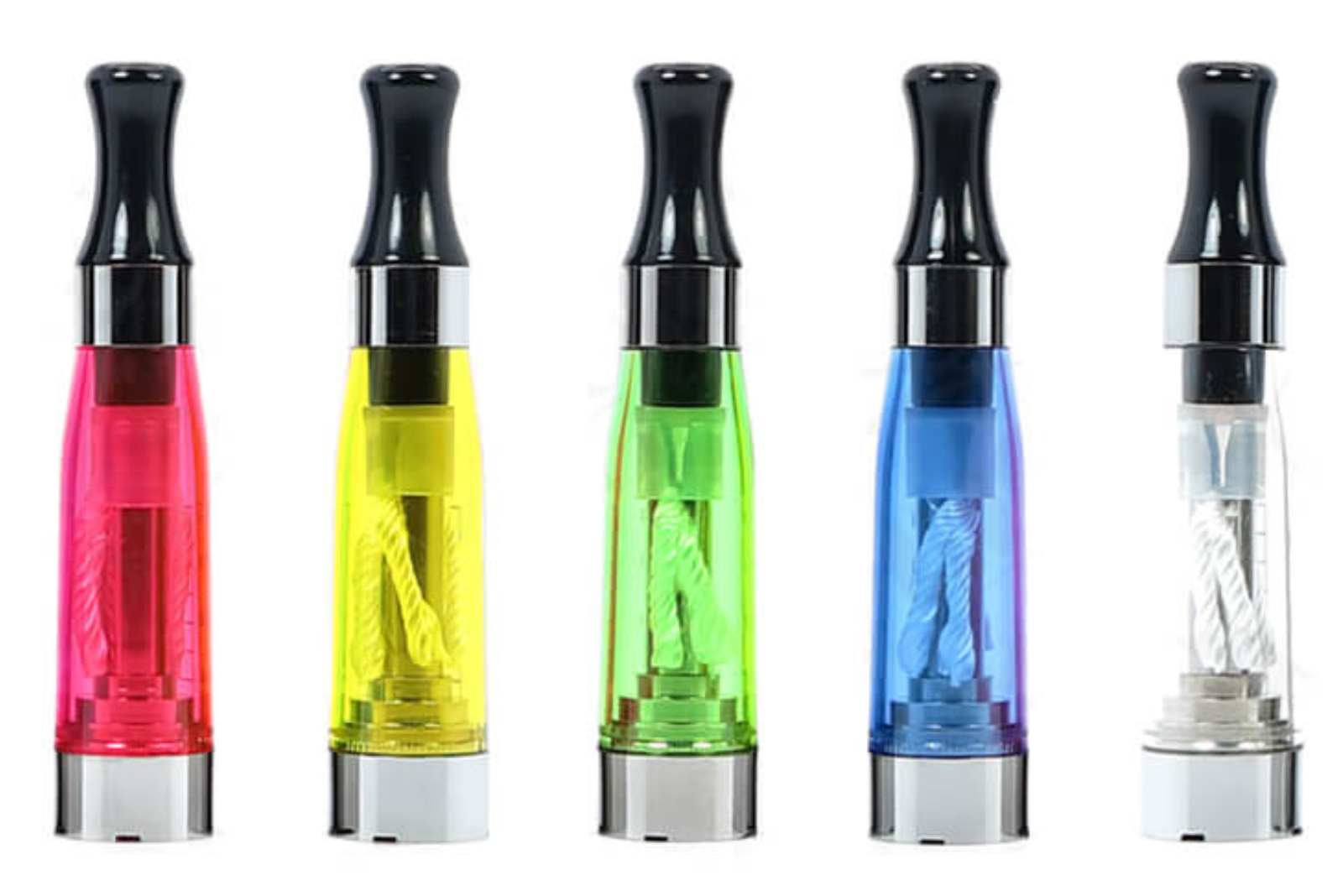
Eco-friendly vape accessories represent an opportunity to rethink traditional product design. Manufacturers can explore materials and manufacturing methods that reduce environmental impacts.
Recyclable and Reusable Materials
Material selection plays an important role in sustainable product development. Some manufacturers may explore recyclable metals, responsibly sourced materials, and packaging designed for easier recovery.
Stainless steel and aluminum are established recyclable materials. However, their environmental benefits depend on manufacturing processes, collection systems, and actual recycling rates.
Reusable product components may also reduce the frequency of replacement. Nevertheless, durability and safe handling must remain important considerations.
Sustainable Packaging Solutions
Packaging is another area where manufacturers can make meaningful improvements.
Traditional packaging sometimes includes excessive plastic, unnecessary inserts, and multiple material layers. These choices can complicate waste separation.
More responsible packaging approaches may include recycled cardboard, reduced packaging volumes, and clearly identified material components.
Manufacturers should also provide accurate disposal instructions. This makes it easier for consumers to understand how packaging should be handled.
Energy-Efficient Manufacturing
Sustainability begins long before a product reaches consumers. Manufacturing facilities require energy, water, transportation, and raw materials.
Companies can investigate renewable electricity, efficient production equipment, and reduced manufacturing waste.
Furthermore, transparent supply chains help businesses identify environmental concerns. Responsible sourcing can support better decisions about materials and production partners.
The Role of Reusable Accessories in Reducing Waste
Reusable products are frequently discussed in sustainability conversations because they can reduce repeated consumption.
For vaping accessories, durability may offer environmental advantages when products are designed for extended use. However, reusable does not automatically mean sustainable.
A product’s environmental performance depends on its materials, production requirements, lifespan, and disposal options.
For example, a durable accessory that requires frequent replacement of complex components may offer fewer benefits than expected.
Therefore, manufacturers should prioritize practical repairability and long-lasting construction.
Consumers should also avoid replacing functional accessories unnecessarily. Purchasing fewer products and maintaining existing items can support more responsible consumption.
Smart Technology and Sustainable Vape Accessories
Technology could influence the future of environmentally responsible product design.
Manufacturers may investigate smarter battery-management systems, improved component monitoring, and designs that simplify maintenance.
These developments could help reduce unnecessary replacements. Nevertheless, electronic features should provide genuine benefits rather than introduce additional complexity.
Battery technology deserves particular attention. Lithium-ion batteries require responsible collection and recycling because ordinary household disposal is inappropriate in many locations.
Clear battery-removal instructions and accessible collection programs could improve disposal practices.
Additionally, manufacturers should communicate whether their products contain replaceable batteries or permanently integrated electronic components.
Comparing Traditional and Eco-Conscious Vape Accessories
Understanding the differences between traditional and environmentally conscious design approaches helps explain the industry’s sustainability opportunities.
|
Product Feature |
Traditional Approach |
Eco-Conscious Approach |
|---|---|---|
|
Packaging |
Excessive mixed materials |
Reduced and recyclable packaging |
|
Materials |
Mixed plastics and metals |
Carefully selected recoverable materials |
|
Product lifespan |
Limited durability |
Longer-lasting construction |
|
Manufacturing |
Conventional energy sources |
Greater energy efficiency |
|
Batteries |
Limited disposal guidance |
Clear recycling instructions |
|
Repairs |
Difficult component replacement |
Improved repairability |
|
Waste management |
Limited collection options |
Organized recovery programs |
These comparisons represent general design approaches rather than guarantees about individual products.
Importantly, an environmentally responsible product should demonstrate measurable improvements. Marketing claims alone cannot establish sustainability.
Challenges Facing Sustainable Vape Accessories
Despite growing environmental awareness, several obstacles remain.
Recycling Complications
Vaping accessories frequently combine different materials. Separating plastics, metals, batteries, and electronic components can require specialized equipment.
Therefore, ordinary recycling facilities may not accept every component.
Manufacturers should develop collection partnerships and provide accessible disposal information.
Higher Manufacturing Costs
Sustainable materials and responsible production methods can increase manufacturing expenses.
Smaller businesses may find these changes particularly challenging. However, improved production efficiency and material recovery could create long-term opportunities.
Greenwashing Concerns
Greenwashing occurs when companies exaggerate environmental benefits without providing meaningful evidence.
For example, describing packaging as green does not make an entire product sustainable.
Consumers should look for transparent material information, credible certifications, and specific recycling instructions.
Independent assessments can also help distinguish genuine environmental improvements from promotional claims.
What Does the Future Hold for Eco-Friendly Vape Accessories?
The future of sustainable vaping will depend on innovation, responsible manufacturing, and effective waste management.
Product designers may increasingly prioritize recyclable materials and modular construction. These approaches could make individual components easier to replace or recover.
Governments may also introduce stricter requirements for electronic waste and battery disposal. Such regulations could encourage manufacturers to improve product responsibility.
Meanwhile, consumers can support environmental improvements by choosing durable products where legally available and disposing of electronic components correctly.
However, sustainability must never overshadow health considerations. Vaping carries health risks and is not harmless. Non-smokers and young people should not start vaping.
The most responsible environmental approach also considers reducing unnecessary consumption.
Frequently Asked Questions
What are eco-friendly vape accessories?
Eco-friendly vape accessories are products designed with environmental considerations in mind. They may incorporate recyclable materials, reduced packaging, durable construction, or improved repairability.
However, environmental claims should be supported by evidence. A product is not automatically sustainable simply because its packaging uses recycled materials.
Are vape accessories recyclable?
Some vape accessories contain recyclable materials, including aluminum and certain plastics.
However, electronic components and batteries require specialized disposal. Consumers should follow local electronic-waste regulations rather than placing complete electronic devices in household recycling bins.
How can vaping companies reduce environmental waste?
Companies can investigate several improvements throughout their operations.
These include more efficient manufacturing, reduced packaging, responsible material sourcing, and accessible electronic-waste collection programs.
Product durability and repairability can also help reduce unnecessary replacement.
Why is sustainable packaging important for vaping products?
Sustainable packaging can reduce unnecessary material consumption and simplify waste separation.
Recycled cardboard, reduced packaging volumes, and clearly identified materials may support better waste management.
Nevertheless, packaging improvements should complement responsible product manufacturing.
Can reusable vape accessories help the environment?
Reusable accessories may reduce waste when they replace frequently discarded products.
Their actual environmental benefits depend on durability, manufacturing impacts, maintenance requirements, and end-of-life disposal.
Therefore, reuse should always be evaluated across the complete product lifecycle.
TheVapeza.com is a useful online destination for people interested in vaping products, devices, accessories, and related information. It can help readers explore different vape options, understand product features, and stay informed about the latest trends in the vaping industry. Whether you are new to vaping or an experienced user, TheVapeza.com offers helpful insights.
Conclusion: Building a More Sustainable Future
Vaping Meets Sustainability: The Future of Eco-Friendly Vape Accessories highlights an important opportunity for environmental responsibility within the consumer electronics industry.
Recyclable materials, improved packaging, durable construction, and responsible battery disposal could contribute to better environmental practices.
Nevertheless, genuine progress requires measurable improvements rather than attractive marketing claims. Manufacturers must prioritize transparency, responsible sourcing, and effective waste-management systems.
Consumers can also contribute by avoiding unnecessary purchases and disposing of electronic products responsibly.
The next step is simple: encourage transparency, support responsible manufacturing, and make informed environmental choices. Sustainable innovation should benefit both consumers and the environment.