
Introduction
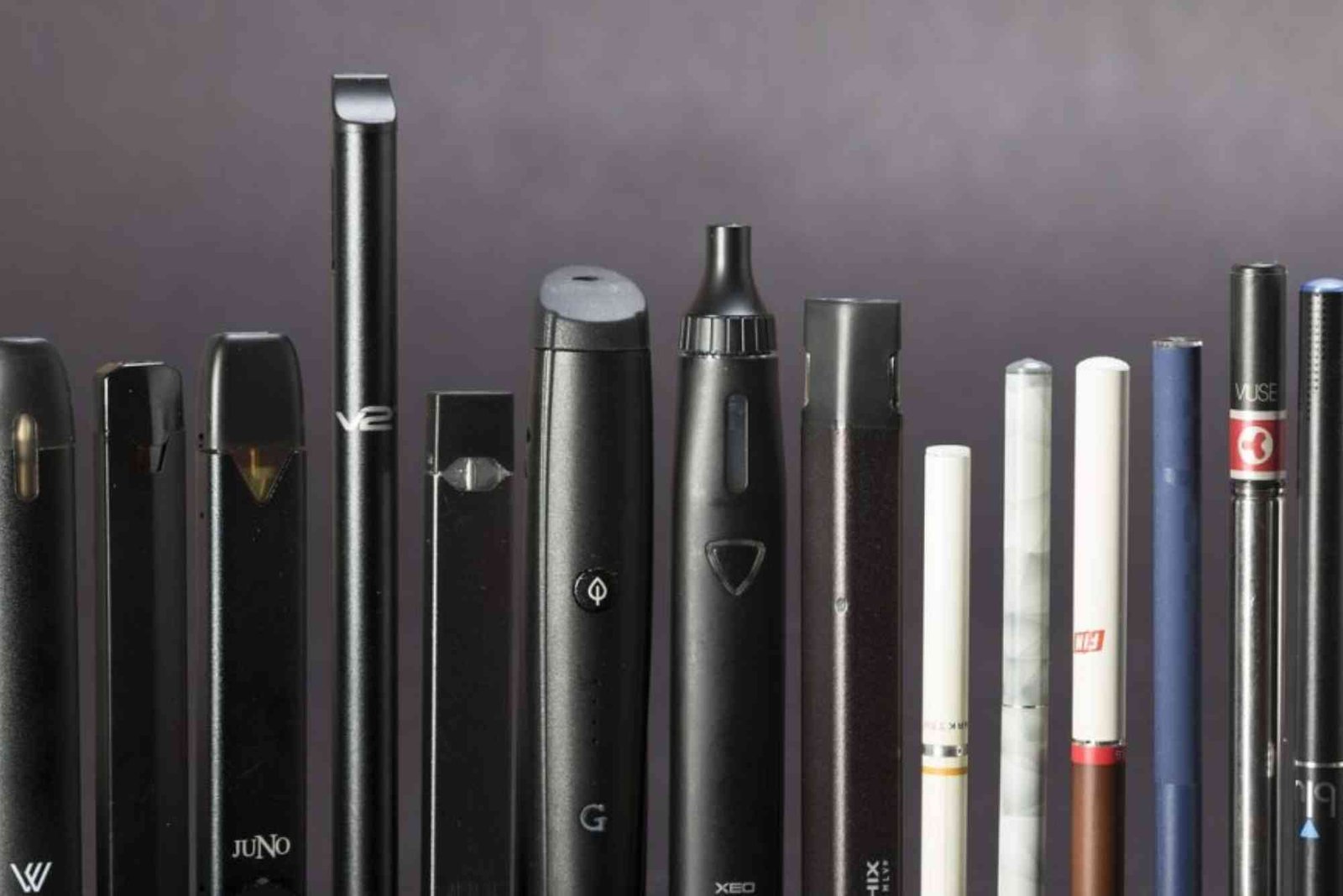
Vape products may look similar across borders, but their packaging and labeling requirements can be very different. Vape labeling rules determine what information must appear on bottles, cartridges, devices, cartons, and other consumer packaging before a product can legally enter a market. Requirements may cover nicotine concentration, health warnings, ingredients, manufacturer information, batch numbers, child-resistant packaging, language, and even the colours or appearance of the package.
For manufacturers, importers, distributors, and retailers, understanding vape labeling rules is an essential part of international compliance. A label that meets the requirements of one country may fail to satisfy another country’s regulations. Australia, Canada, the United States, the United Kingdom, and European markets each apply their own frameworks, while some countries impose additional restrictions or prohibit certain vaping products altogether.
This guide explains the major principles behind international vape labeling, highlights important differences between markets, and shows how businesses can build a more reliable compliance process before products are manufactured, exported, or sold.
Why Vape Labeling Rules Matter
Labels are more than a branding element. Regulators use them to communicate health and safety information, identify products, establish traceability, and prevent misleading claims.
A compliant label can help authorities and consumers understand exactly what a product contains and who is responsible for placing it on the market. In Canada, for example, legal vaping products containing nicotine must display a nicotine concentration statement and health warning, while vaping substances must also provide ingredient information and toxicity-related information.
Non-compliant packaging can create serious commercial problems. Products may be delayed at customs, refused by distributors, removed from sale, or require expensive relabelling. International shipments can also face additional documentation and packaging requirements because importing a liquid product involves more than simply printing a retail label. DHL notes that countries can impose their own requirements for imported liquids and that failing to meet applicable requirements can lead to delays or shipment rejection.

For this reason, businesses should treat labeling as part of market-entry compliance rather than as a final graphic-design exercise.
Core Vape Labeling Rules Businesses Should Understand
Although regulations vary considerably, several themes appear repeatedly across international markets.
Nicotine Concentration
Nicotine information is one of the most important elements of vape packaging. Depending on the jurisdiction and product category, labels may need to state the nicotine concentration using a specified unit and format.
Canada, for instance, requires a nicotine concentration statement for vaping products containing nicotine and limits the concentration of vaping products manufactured or imported for sale to 20 mg/mL.
Australia has its own detailed requirements. Under its current standards for relevant therapeutic vaping products, nicotine content must be clearly identified, including the equivalent base-form concentration for certain nicotine salt products.
This demonstrates why businesses should not assume that simply printing a percentage or a familiar strength notation will satisfy every market.
Health and Nicotine Warnings
Warning statements are another major component of vape labeling rules. Governments often prescribe not only the wording but also the location, size, contrast, and presentation of warnings.
In the United States, covered tobacco products including electronic nicotine delivery systems are subject to federal warning-statement requirements. The FDA states that the nicotine warning must meet specific requirements concerning placement, visibility, font, size, and formatting.
Australia provides another example of highly specific requirements. Its current guidance requires a nicotine warning panel on relevant products, with the warning occupying at least 30% of the total main label size.
A warning that is technically present but too small, poorly positioned, or difficult to read may therefore still create a compliance problem.
Ingredient Information
Ingredient disclosure is increasingly important in international vape regulation.
Canadian rules require ingredient information for vaping substances regardless of nicotine content. The country’s requirements also address toxicity information and child-resistant containers.
Australia’s requirements similarly include ingredient information for relevant therapeutic vaping products. The TGA guidance specifies the active ingredient and other ingredients that need to be identified under the applicable standard.
Manufacturers should therefore maintain an accurate formulation record and ensure that the ingredient information supplied to the packaging team matches the actual product formulation.
How Vape Labeling Rules Differ by Market
There is no universal international vape label. Instead, companies need a country-specific compliance strategy.
United States
The United States regulates tobacco products through the FDA. Electronic cigarettes, vaporizers, and other electronic nicotine delivery systems can fall under federal tobacco-product requirements.
Packaging and advertising warning requirements are particularly important. The FDA states that covered products must use the prescribed nicotine warning and comply with specific presentation requirements.
Businesses should also distinguish between federal requirements and additional state-level rules. A label that satisfies federal requirements may not automatically resolve every state-specific obligation.
Another important consideration is product authorization. Label compliance alone does not mean that a product is automatically authorized for marketing in the United States. Companies should evaluate market authorization and other regulatory obligations separately from packaging design.
Canada
Canada provides a clear example of detailed national vape packaging requirements.
Vaping products containing nicotine must display a health warning and nicotine concentration statement. The rules also cover ingredient lists, child-resistant containers, toxicity information, and other safety-related labeling elements.
Language is also important. Health Canada’s consumer guidance states that labels must display required ingredient information in both English and French.
Canadian businesses should therefore verify that every required element is correctly translated and positioned instead of simply adding a second-language translation at the final printing stage.
Australia
Australia has particularly detailed requirements for therapeutic vaping products.
The TGA states that relevant labels must be clear, durable, easy to read, and in English. Current requirements also control label appearance, colours, text sizes, warnings, nicotine information, ingredients, and other product details.
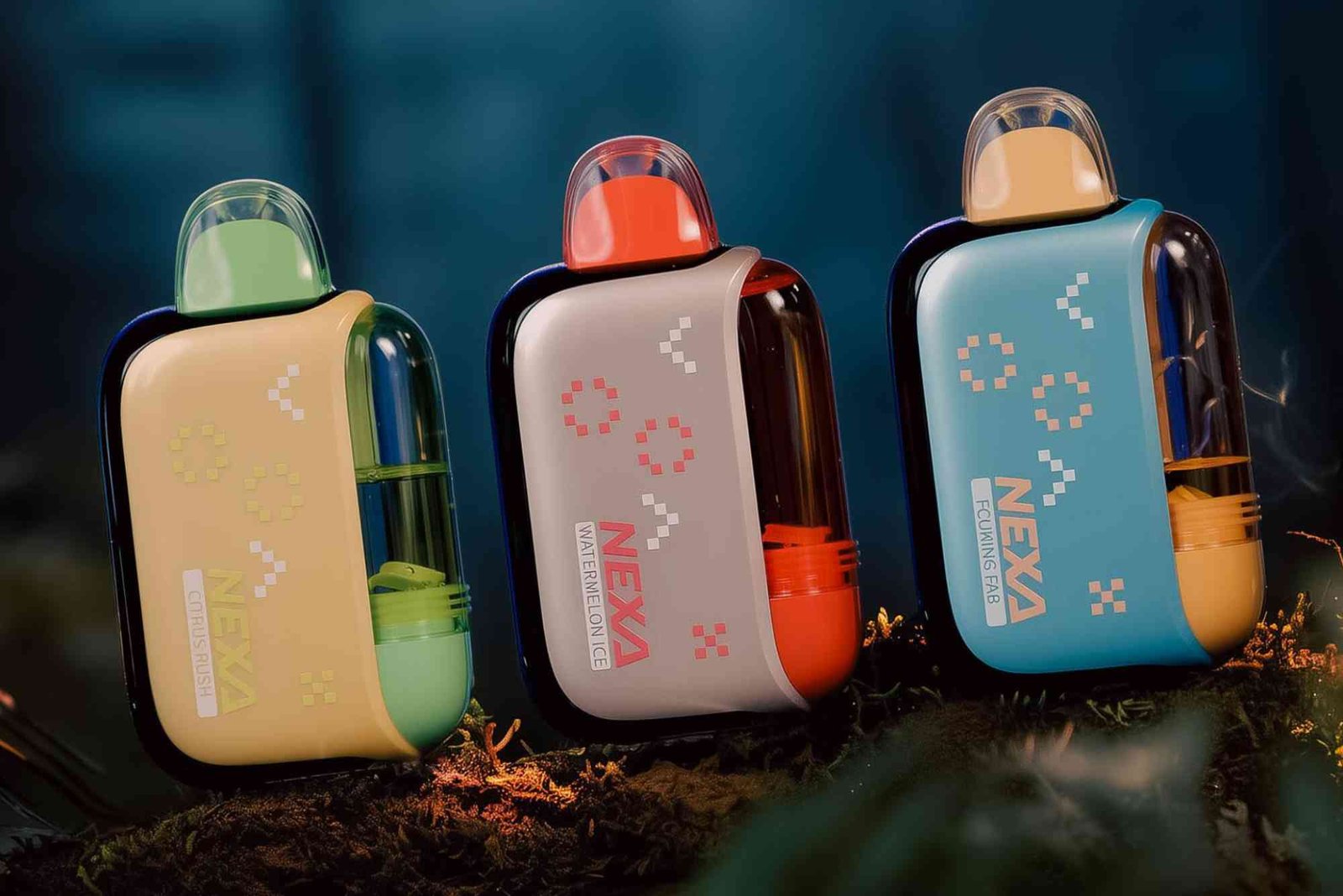
For example, the current standard includes plain packaging and restrictions intended to prevent vaping products from being designed in ways that appeal to young people or recreational users.
This makes Australia a strong reminder that vape labeling rules can extend beyond the words printed on a package. Regulatory compliance can also influence the overall visual design.
United Kingdom and European Markets
The UK and European markets have their own regulatory frameworks governing nicotine-containing vaping products. Requirements can address matters such as product information, warnings, packaging, notification, and restrictions on certain claims.
The important lesson for manufacturers is that “European compliant” should not automatically be treated as a universal label approval. Businesses should confirm the current rules for each intended country and distinguish between EU requirements and UK requirements.
Market-specific notification, packaging, language, and product restrictions can change over time, so older packaging specifications should not be reused without a regulatory review.
Packaging Design and Label Compliance
A common mistake is to create an attractive label first and attempt to fit regulatory information around the design later.
A better approach is to establish the mandatory information hierarchy before the artwork is finalised.
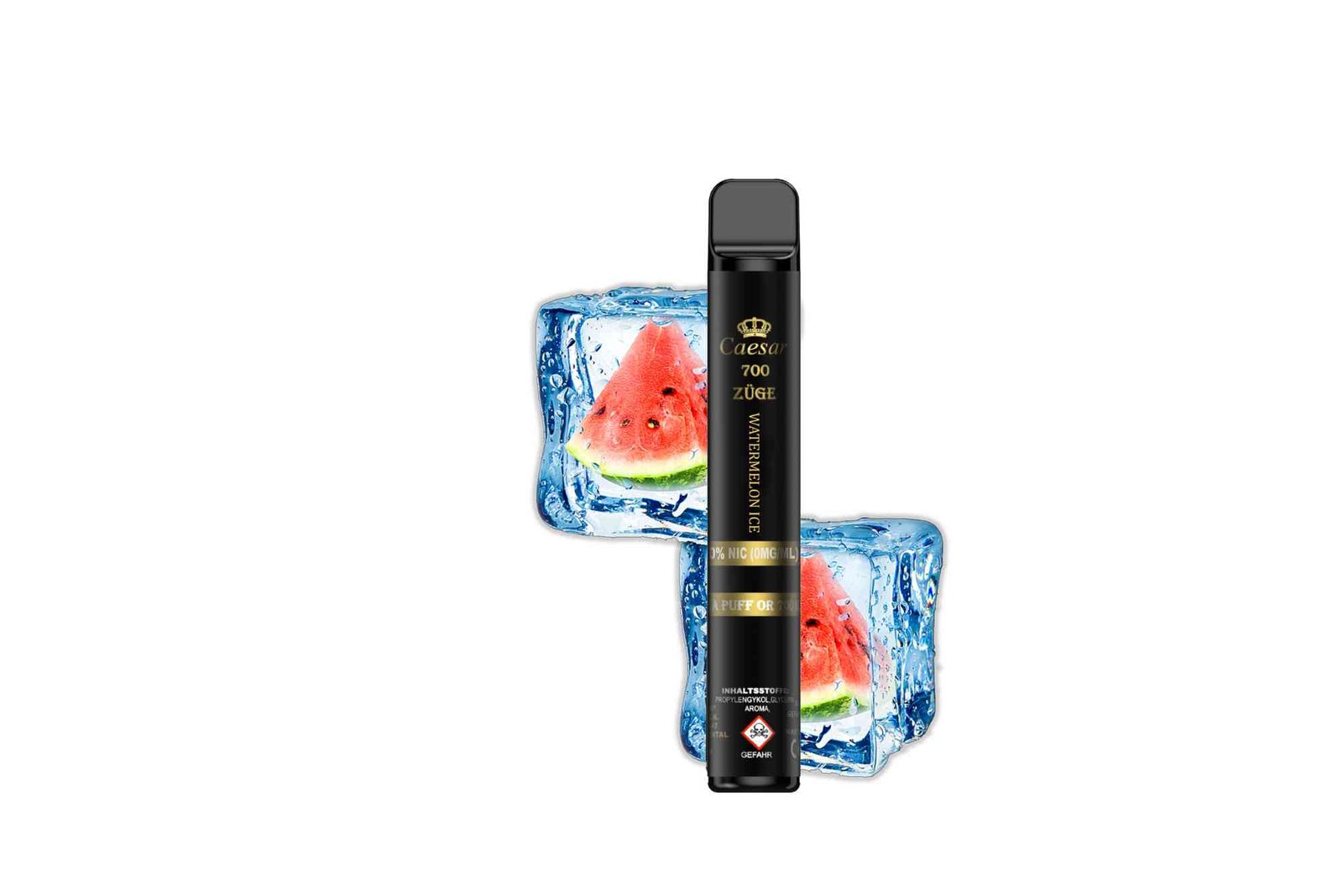
The product name, nicotine information, required warning, volume, ingredients, manufacturer or responsible-party information, batch details, expiry information, and other mandatory elements should have dedicated space from the beginning.
Legibility matters as much as inclusion. Australia, for example, specifies minimum text sizes for different packaging layers and product types.
Businesses should also consider the physical conditions a package may experience. Labels can be exposed to condensation, handling, friction, temperature changes, and liquid leakage. Regulatory information should remain readable throughout the expected shelf life.
Language Requirements for International Vape Labels
Translation is one of the most overlooked parts of international packaging compliance.
A product manufactured in one country may need different languages when sold elsewhere. Canada, for example, requires specified labeling information in English and French. Australia requires relevant labeling information to be in English.
Translation should not be handled purely as a marketing exercise. Regulatory warnings and technical statements should be translated accurately and checked against the wording required by the relevant authority.
A direct translation that changes the meaning of a prescribed warning can potentially create a compliance issue.
For companies selling into multiple countries, it is often more efficient to maintain a controlled master label containing country-specific modules rather than redesigning the entire package for every market.
Vape Labels and International Shipping
Correct labeling does not replace shipping compliance.
When products cross borders, businesses may need to consider import restrictions, carrier policies, customs documentation, packaging requirements, and rules applicable to liquids or dangerous goods. DHL’s guidance on international liquid shipments notes that destination countries can impose specific requirements and that unsuitable packaging or documentation can cause delays or rejection.
For businesses preparing international shipments, reliable international shipping and logistics guidance can help clarify packaging and documentation considerations before goods are dispatched.international shipping and logistics guidance
Importantly, shipping rules and retail labeling rules are related but not identical. A product can have a compliant consumer label and still require additional transport or customs documentation.
Common Mistakes in International Vape Labeling
Using One Label Everywhere
One of the biggest mistakes is assuming that a single global label will satisfy every market.
Different countries can require different warning language, languages, nicotine disclosures, packaging formats, and product information. A global master design may therefore need several market-specific versions.
Treating Nicotine Information as a Marketing Detail
Nicotine concentration is often a regulated product attribute rather than optional marketing information. The unit, wording, position, and presentation may all matter.
Ignoring Packaging Appearance
Some jurisdictions regulate colours, imagery, promotional elements, or youth appeal. Australia’s current requirements demonstrate how extensively packaging appearance can be controlled.
Adding Compliance Information Too Late
Late-stage changes can cause printing delays, wasted packaging inventory, and inconsistent batches. Regulatory requirements should be reviewed before artwork approval.
Assuming Zero-Nicotine Products Face No Rules
A zero-nicotine product may be subject to different requirements, but that does not automatically mean it is unregulated. Product classification, ingredients, claims, advertising, and destination-country rules still need to be assessed.
Building a Better International Labeling Process
A practical compliance workflow starts with product classification. Determine whether the product is a nicotine-containing vape, nicotine-free product, device, accessory, therapeutic product, or another regulated category.
Next, identify every intended destination. Do not rely solely on the manufacturing country’s rules.
Then create a regulatory specification for each market covering mandatory warnings, language, nicotine declaration, ingredients, manufacturer details, traceability information, packaging characteristics, and other required elements.
The artwork should then be reviewed against those specifications before production.
Finally, retain approved artwork, regulatory references, formulation information, batch records, and version histories. This creates an audit trail and makes future packaging updates much easier.
The Future of Vape Labeling Rules
International vape regulation continues to evolve. Governments are increasingly focused on nicotine disclosure, child safety, youth appeal, product traceability, and standardized warnings.
Australia’s strengthened standards that took effect from July 2025 illustrate how quickly packaging requirements can change. The updated framework introduced restrictions concerning ingredients, plain packaging, labeling, and device design.
For international businesses, regulatory monitoring should therefore become an ongoing process rather than a one-time task. Packaging that was compliant when manufactured may require revision when regulations change.
Digital compliance systems can also help businesses manage multiple versions of labels, track approval dates, and prevent obsolete artwork from accidentally being sent to printers.
Make Compliance Part of the Label Design
International vape packaging is not simply a branding challenge. Vape labeling rules influence what information appears on the package, how warnings are presented, which languages are required, and how products can be prepared for different markets.
The most reliable approach is to treat regulatory compliance as part of product development from the beginning. Verify the destination country’s current rules, confirm the product’s legal classification, prepare accurate technical information, use appropriate translations, and review the final artwork before production.
How Customs Data Shapes Vape Distribution: Customs data helps businesses understand import trends, shipment volumes, product categories, and market demand. For vape distribution, this information can support better inventory planning, route management, compliance checks, and supply chain decisions while helping distributors respond efficiently to changing regulations and consumer trends.
FAQs
What information must be on a vape label?
The exact requirements vary by country and product type. Common requirements include product identification, nicotine concentration, health warnings, ingredients, volume, manufacturer or responsible-party information, batch details, and safety instructions. Canada and Australia, for example, have detailed requirements covering several of these elements.
Do vape products need warning labels?
In many regulated markets, yes. The wording and presentation depend on the jurisdiction. The United States, Canada, and Australia all have specific warning requirements for relevant vaping products.
Does vape packaging have to show nicotine strength?
Where required by the applicable regulations, nicotine concentration must be declared in a prescribed format. Canada requires a nicotine concentration statement for nicotine-containing vaping products, while Australia’s applicable standards also specify how nicotine content must be displayed.
Can I use the same vape label in every country?
Usually, businesses should not assume that one label will satisfy every jurisdiction. Warning language, languages, nicotine declarations, packaging design, and other requirements can differ substantially between countries.
Are ingredients required on vape labels?
Ingredient requirements depend on the market and product classification. Canada requires ingredient information for vaping substances, while Australia’s applicable therapeutic vaping requirements also provide for ingredient disclosure.
Can vape products be shipped internationally?
International shipment depends on the destination country’s import laws, the product classification, carrier policies, packaging requirements, and applicable transport rules. Liquid shipments can face additional restrictions and documentation requirements, so businesses should verify the rules before dispatch.
Do zero-nicotine vapes need labels?
Zero-nicotine products may have different labeling requirements from nicotine-containing products, but they should not automatically be considered exempt from regulation. The ingredients, claims, product category, and destination-country legislation still need to be reviewed.
How often should vape labels be reviewed?
Labels should be reviewed whenever regulations change, a product formulation changes, a new market is entered, or the responsible regulator issues updated guidance. For international businesses, periodic compliance reviews are preferable to relying on old packaging specifications.
For the latest insights, guides, and updates about vaping, TheVapeZa offers useful and engaging content for readers interested in the vaping world. Explore helpful information, trends, product insights, and more by visiting thevapeza.com and discovering what TheVapeZa has to offer.
Related Reading: Vape Packaging Standards Set by Regulators — full guide
Related Reading: Vape Product Barcoding Rules in the GCC