Introduction
Vape packaging standards set by regulators have become one of the most important aspects of the vaping industry. Around the world, governments continue to strengthen packaging regulations to improve consumer safety, reduce youth access, and provide accurate product information. Whether a company manufactures disposable vapes, refillable devices, or e-liquids, packaging is no longer just about branding—it is a legal requirement that directly impacts market access and consumer trust.
Manufacturers, distributors, and retailers must understand how packaging standards differ between countries while maintaining compliance with local laws. Failure to meet these requirements can lead to fines, product recalls, customs delays, or even market bans. Businesses that stay informed and implement compliant packaging practices demonstrate professionalism, responsibility, and commitment to consumer protection.
This guide explains vape packaging standards set by regulators, why they matter, the common legal requirements across different markets, and how businesses can prepare for evolving compliance expectations.
Why Vape Packaging Standards Matter
Packaging serves several important purposes beyond protecting the product during transportation. Regulatory authorities use packaging as a communication tool to ensure consumers receive essential safety information before using a vape product.
Packaging requirements help prevent accidental exposure to nicotine, especially among children. Clear warning labels educate consumers about potential health risks while ingredient disclosures improve transparency. Product authentication features also help reduce counterfeit products that may contain unsafe ingredients or fail quality standards.
Regulatory packaging standards also promote fair competition by ensuring manufacturers follow similar rules rather than using misleading marketing techniques. Consumers benefit from consistent information that supports informed purchasing decisions.

As international trade continues to grow, compliant packaging also simplifies customs clearance and cross-border distribution. Businesses involved in exports often rely on international shipping and logistics guidance to better understand transportation requirements for vape liquids alongside packaging compliance.
Understanding Vape Packaging Standards Set by Regulators
Although regulations differ by jurisdiction, many countries share similar expectations regarding vape packaging. Authorities generally require manufacturers to provide accurate product information while preventing packaging designs that appeal to children.
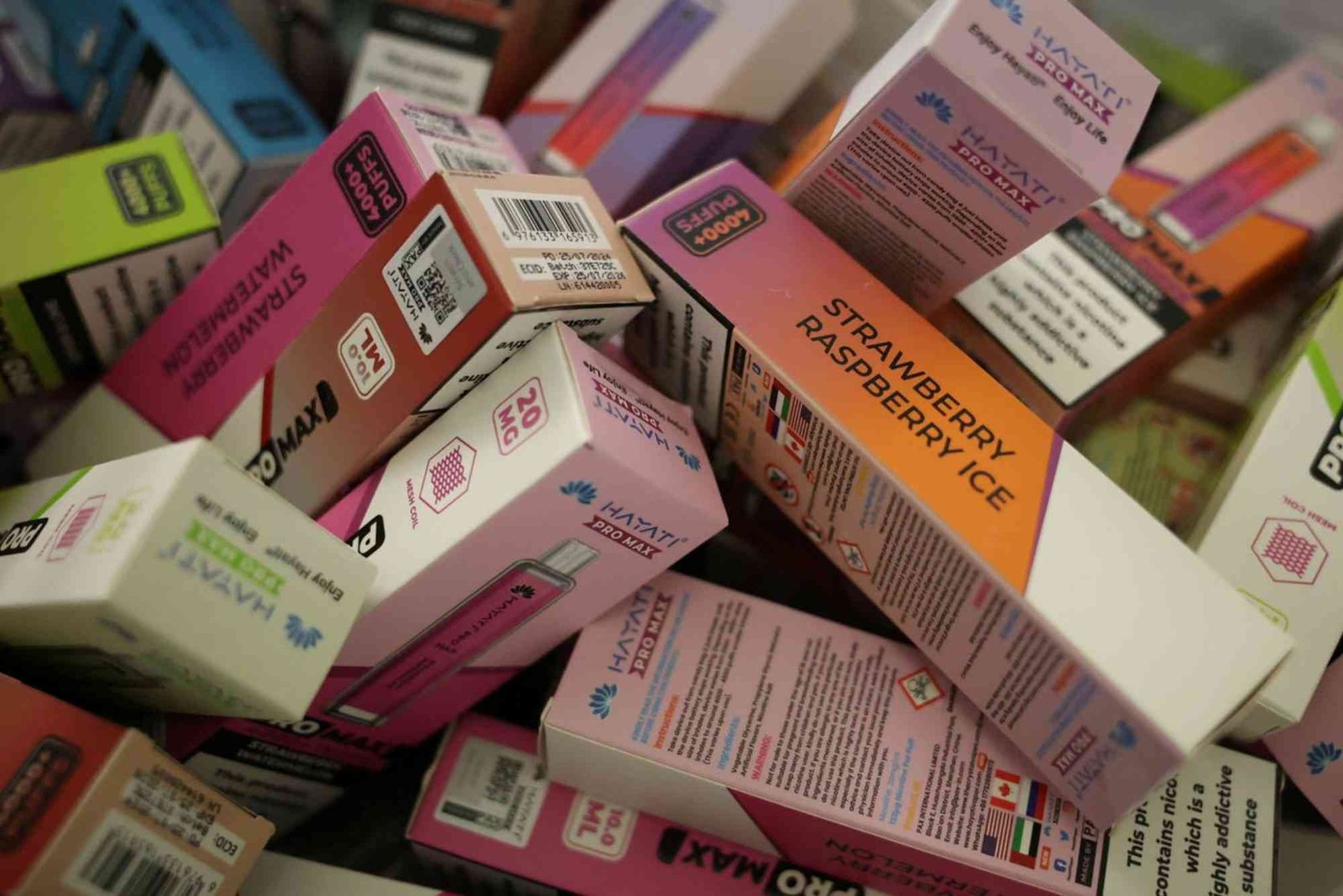
Regulatory agencies often specify minimum font sizes, warning label placement, ingredient disclosures, nicotine concentration, manufacturer identification, batch numbers, and expiry dates. Some regions also require multilingual labels depending on the official language requirements.
Packaging standards are continually updated as governments respond to new scientific evidence, public health concerns, and market developments. Companies that monitor regulatory changes regularly are better positioned to avoid compliance risks.
Health Warning Requirements
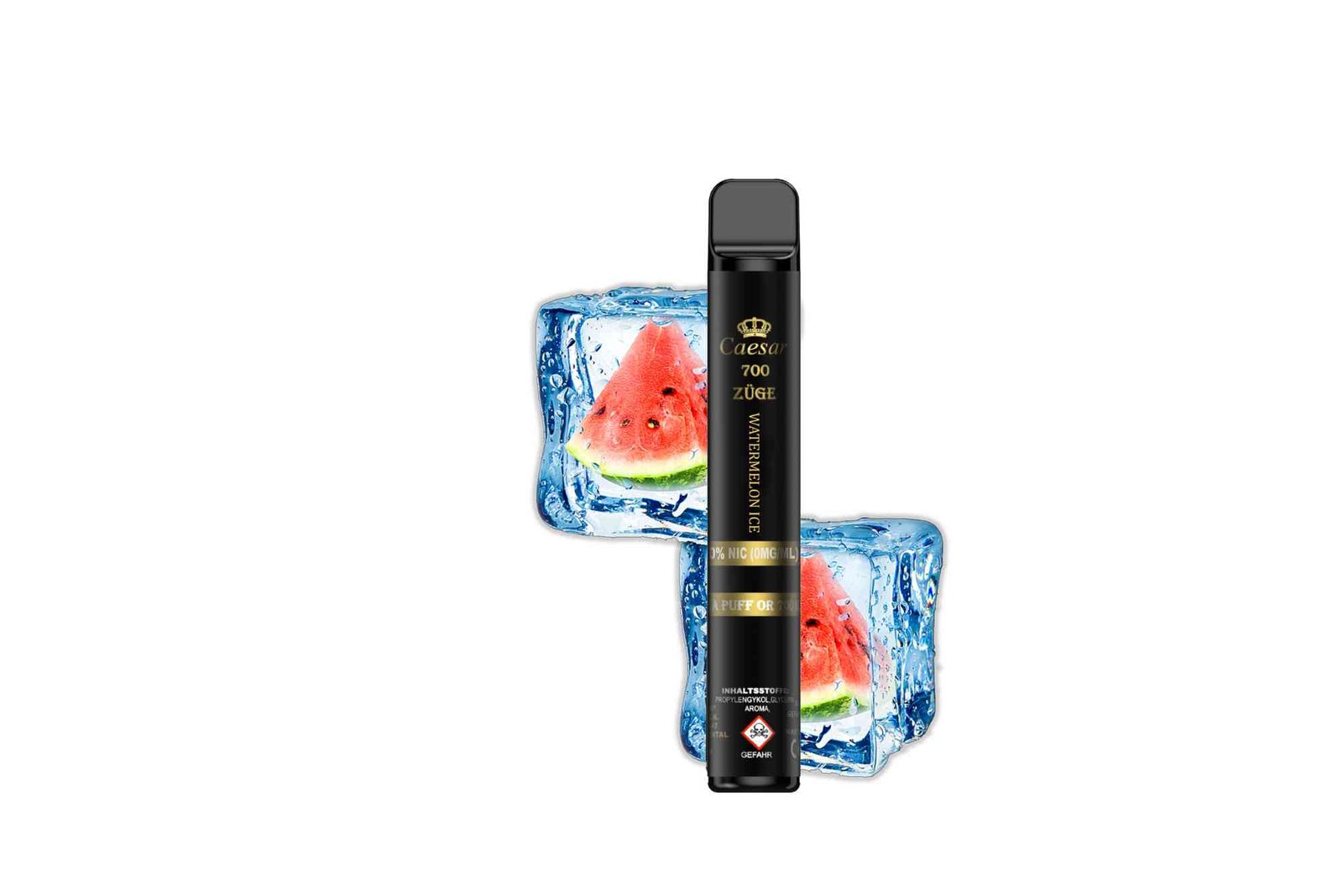
Health warnings remain one of the most visible features of compliant vape packaging. Many countries require prominent nicotine addiction warnings that occupy a specified percentage of the package surface.
These warnings typically include statements informing consumers that nicotine is highly addictive and should not be used by pregnant women or minors. Some jurisdictions require rotating warning messages to maintain effectiveness over time.
Authorities may also regulate text colour, background colour, font style, and positioning to ensure warnings remain highly visible regardless of package design.
Manufacturers should verify local wording requirements carefully because even minor deviations may result in regulatory violations.
Child-Resistant Packaging Requirements
Protecting children is one of the primary goals behind modern vape packaging regulations.
Many countries require child-resistant packaging for nicotine-containing products to reduce accidental poisoning incidents. These packaging systems are designed to make it significantly more difficult for young children to open containers while remaining accessible for adults.
Child-resistant caps, sealed bottles, tamper-evident closures, and leak-resistant containers are commonly required for refillable e-liquids. Testing standards often reference internationally recognised safety protocols before packaging can enter the market.
Failure to meet child-resistant requirements may prevent products from being legally sold in regulated markets.
Ingredient Disclosure and Product Information
Transparency has become a central principle of vape packaging standards set by regulators.
Consumers increasingly expect detailed ingredient information before purchasing vape products. Regulators often require manufacturers to disclose nicotine strength, liquid volume, ingredient lists, flavour identification, manufacturer contact information, and country of origin.
Batch numbers and production dates support product traceability, allowing manufacturers to quickly identify affected products if recalls become necessary.
Accurate product information also improves confidence among retailers and regulatory inspectors who rely on packaging during compliance reviews.
Restrictions on Marketing Through Packaging
Packaging regulations frequently limit promotional elements that may encourage youth vaping.
Many regulators prohibit cartoon characters, toy-inspired graphics, bright candy imagery, celebrity endorsements, or misleading health claims. Some jurisdictions also restrict flavour descriptions that could attract underage consumers.
Authorities increasingly review packaging from both marketing and public health perspectives. Even attractive colour schemes or product names may receive additional scrutiny if regulators believe they target minors.
Companies should balance attractive branding with responsible design that complies with applicable laws.
Plain Packaging in Certain Markets
Several countries have introduced or proposed plain packaging requirements for tobacco-related products, including certain vape products.
Plain packaging reduces brand differentiation by limiting colours, logos, fonts, and promotional graphics. Standardised packaging focuses consumer attention on health warnings rather than branding.
While not universally adopted, businesses operating internationally should monitor developments because additional jurisdictions may implement similar requirements in the future.
Companies expanding into multiple countries should prepare flexible packaging strategies that accommodate changing regulatory expectations.
Environmental Packaging Considerations
Sustainability has become an increasingly important factor in vape packaging regulations.
Governments are encouraging manufacturers to reduce unnecessary packaging materials while improving recyclability. Disposable vape waste has become a growing environmental concern, leading regulators to examine packaging alongside product design.
Businesses can improve environmental performance by selecting recyclable materials, reducing plastic usage, and providing proper disposal instructions.
Sustainable packaging not only supports regulatory compliance but also aligns with changing consumer expectations regarding environmental responsibility.
Country-Specific Regulatory Differences
Although many core requirements remain similar, vape packaging regulations vary considerably across regions.
European markets generally emphasise detailed health warnings and ingredient disclosure. North American regulations often focus on child-resistant packaging and nicotine labelling. Several Asian countries continue expanding their regulatory frameworks as vaping markets mature.
Middle Eastern regulations differ between countries, with some permitting regulated sales while others maintain significant restrictions or complete bans.
Manufacturers exporting globally should never assume that compliance in one country guarantees compliance elsewhere. Every destination market requires careful regulatory review before products are shipped.
Common Compliance Mistakes
Many packaging compliance problems arise from relatively small oversights rather than intentional violations.
Incorrect nicotine strength declarations, missing warning statements, outdated manufacturer addresses, unreadable fonts, missing batch codes, or inaccurate translations frequently create regulatory issues.
Some businesses also fail to update packaging after regulations change, leaving products non-compliant despite previous approval.
Routine compliance audits help identify these problems before products reach distributors or customs authorities.
The Importance of Quality Assurance
Quality assurance plays an essential role in maintaining packaging compliance.
Manufacturers should establish documented review procedures before approving artwork for production. Regulatory specialists, legal advisors, quality teams, and packaging suppliers should collaborate throughout product development.
Regular supplier audits ensure packaging materials consistently meet required specifications. Printing quality should also be monitored to verify warning labels remain clear and readable on every production batch.
Well-documented quality systems provide valuable evidence during regulatory inspections.
Future Trends in Vape Packaging Standards Set by Regulators
Packaging regulations continue evolving as governments strengthen oversight of vaping products.
Digital authentication technologies such as QR codes may become increasingly common for product verification and traceability. Regulators are also exploring enhanced sustainability requirements, stronger anti-counterfeit measures, and improved consumer information.
Artificial intelligence may eventually support regulatory inspections by identifying non-compliant packaging more efficiently during customs screening.
Businesses that invest in proactive compliance rather than reacting after regulatory changes will remain more competitive in rapidly changing international markets.
Building Consumer Trust Through Compliance
Consumers often judge product quality by packaging quality.
Professional packaging that clearly communicates ingredients, warnings, manufacturing details, and authenticity demonstrates transparency. Customers are generally more confident purchasing products from manufacturers that visibly comply with recognised regulatory standards.
Compliance should therefore be viewed not simply as a legal obligation but as part of a company’s long-term reputation strategy.
Responsible businesses understand that consumer trust takes years to build but can be damaged quickly by avoidable compliance failures.
Looking for trusted vape products and the latest vaping accessories? TheVapeza offers a wide selection of premium devices, e-liquids, and essentials to suit every vaping preference.
FAQs
What are vape packaging standards set by regulators?
Vape packaging standards are legal requirements that specify how vape products must be packaged, labelled, and presented to ensure consumer safety, product transparency, and regulatory compliance.
Why is child-resistant packaging required for vape products?
Child-resistant packaging helps prevent accidental nicotine exposure by making vape products more difficult for young children to open while remaining accessible for adults.
Do vape packaging regulations differ between countries?
Yes. Each country establishes its own regulatory framework, although many share similar requirements for health warnings, ingredient disclosure, and child-resistant packaging.
What information should appear on vape packaging?
Packaging commonly includes nicotine strength, ingredient information, manufacturer details, batch number, expiry date, health warnings, and usage instructions where required by law.
Can non-compliant vape packaging result in penalties?
Yes. Businesses may face product recalls, import delays, financial penalties, product seizures, or restrictions on selling products if packaging fails to meet applicable regulatory standards.
How to Reduce Vape Shipping Delays Globally: Reducing vape shipping delays globally requires reliable logistics partners, accurate customs documentation, compliant packaging, and real-time shipment tracking. Businesses that optimize supply chains and follow international regulations can improve delivery speed, minimize disruptions, and enhance customer satisfaction worldwide.
Related Reading: How to Legally Export Vape Devices from Dubai — full guide